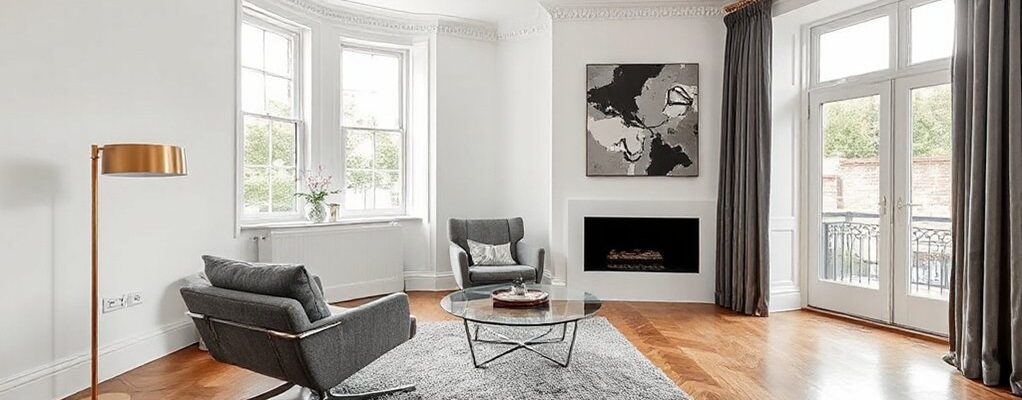
Balancing modern comforts with historic character in UK period properties means you’ll preserve key features—mouldings, plaster textures, sightlines—while introducing authentic materials and discreet upgrades. Start with a cohesive palette rooted in history, then plan updates that respect proportions and structural integrity. Subtly integrate contemporary systems and fixtures that don’t shout, and map where tech hides in plain sight. The result is a space that feels intentional, capable of modern living, and ready to evolve as you refine the details.
Blend Modern Comfort With Historic Features
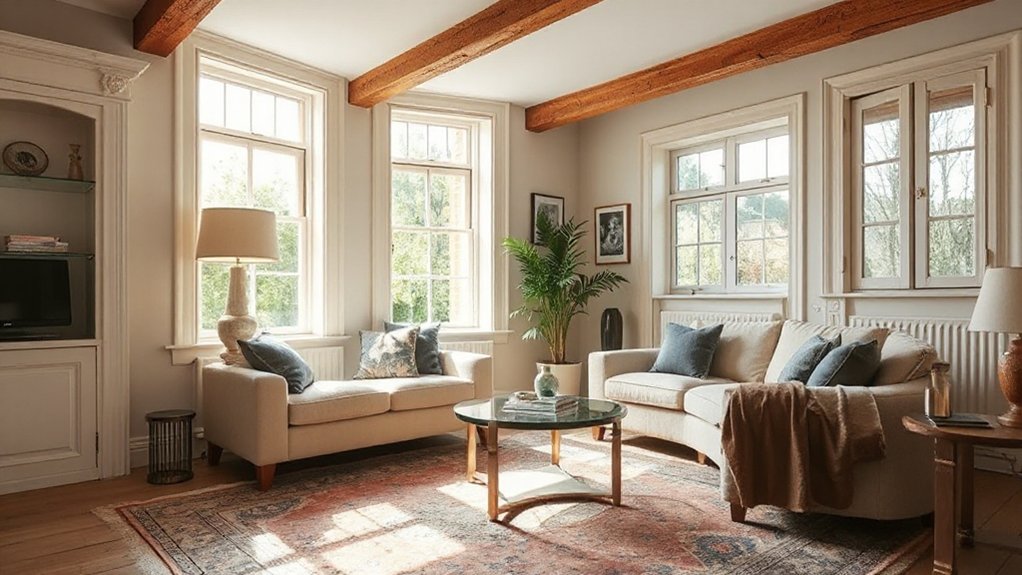
Blending modern comfort with historic features in UK period properties requires careful curation of both structure and atmosphere. You assess structural integrity, aligning joists and plaster with modern insulation so that thermal efficiency improves without erasing provenance. Historical authenticity guides decisions on fixtures, finishes, and scale, ensuring that reclaimed timber, period hardware, and authentic plaster textures remain visible. You prioritize contemporary integration by selecting concealed services, smart controls, and discrete lighting that respect the historic rhythm of rooms. This approach preserves heritage while enhancing usability, avoiding stark contrasts that jar the eye. You map sightlines, ensuring new elements sit within the original proportions. The result is a cohesive narrative where preserved character is complemented by subtle, functional updates that feel inevitable, not imposed.
Defining Your Period-Property Makeover Plan
You define your vision upfront, outlining your preferred balance of period charm and modern usability. Then assess structural constraints now, so you can map realistic limits and necessary reinforcements into your plan. Finally, create a timeline that aligns milestones with budget, permits, and supplier lead times, keeping the project focused and measurable.
Define Your Vision
To define your vision for a period-property makeover, start by articulating the specific architectural era, character, and detailing you want to preserve or reinterpret. Your plan should translate inspiration into measurable design goals, balancing period authenticity with purposeful modern interventions. Establish criteria for material choices, proportion, and decorative motifs that support a cohesive narrative. Use these guiding questions to frame decisions:
- Which era and stylistic elements are nonnegotiable?
- Which modern conveniences can be integrated without eroding heritage?
- Where will contrast highlight rather than clash?
- How will finishes age gracefully while maintaining authenticity?
This approach ensures precise scope, reduces scope creep, and anchors style integration within a curated, contextual framework. Maintain clarity in documentation to communicate intent and outcomes effectively.
Assess Structural Constraints
Even with a clear stylistic vision, you must first map the building’s structural constraints to avoid costly missteps. Begin by analyzing foundation stability, looking for settlement indicators, cracks, and moisture patterns that limit alteration options. Next, identify load bearing walls and their orientation, since many period properties rely on internal partitions for restraint. Document existing joist directions, beam runs, and column placements, noting any nontraditional reinforcements added over time. Evaluate attic and basement access, as changes here influence ceiling heights and service routes. Consider plinth details, cornices, and plaster thicknesses that signal material rigidity. Cross-reference structure with your cosmetic goals to decide where sympathetic concealment, reinforcement, or selective removal is feasible. Establish a constraints map to guide material choices, joinery details, and connection methods throughout the makeover plan.
Create A Timeline
Having mapped the structural constraints, you can now outline a practical makeover timeline that aligns with those realities. A disciplined schedule keeps Historic preservation values intact while guiding Contemporary integration. Build a phased plan that minimizes risk, prioritizes approvals, and preserves core character.
- Define milestones aligned with regulatory windows and fabric integrity.
- Sequence permits, surveys, and salvage work to avoid rework.
- Allocate time for contractor onboarding, material selection, and compatibility testing.
- Establish review points to assess progress against design intent and budget.
This timeline becomes your governance document, balancing reimagining with restraint. By prioritizing critical fixes first, you preserve heritage while enabling modern living. Your plan should remain adaptable, yet precise, so decisions stay aligned with Historic preservation and Contemporary integration principles.
Color Palettes That Honor History
Color palettes that honor history blend restraint with nuance, using historically rooted hues and modern equivalents to create cohesion across a period property. In this setting, you balance color stories that reflect era-appropriate cores while allowing contemporary interpretation. Begin with historical accuracy by anchoring walls in muted base tones—plaster whites, warm stone grays, ochre beiges—that recede and let architectural details read clearly. Use accent colors sparingly, selecting deep greens, slate blues, or brick-reds drawn from period textiles and furnishings to convey cultural influences without shouting. Pair matte finishes with subtle sheens to mimic authentic depth and aging. Coordinate wood tones, metals, and fabric textures to support a unified narrative, ensuring color transitions respect proportion, light, and the building’s intrinsic rhythm.
Modern Materials That Complement Historic Details
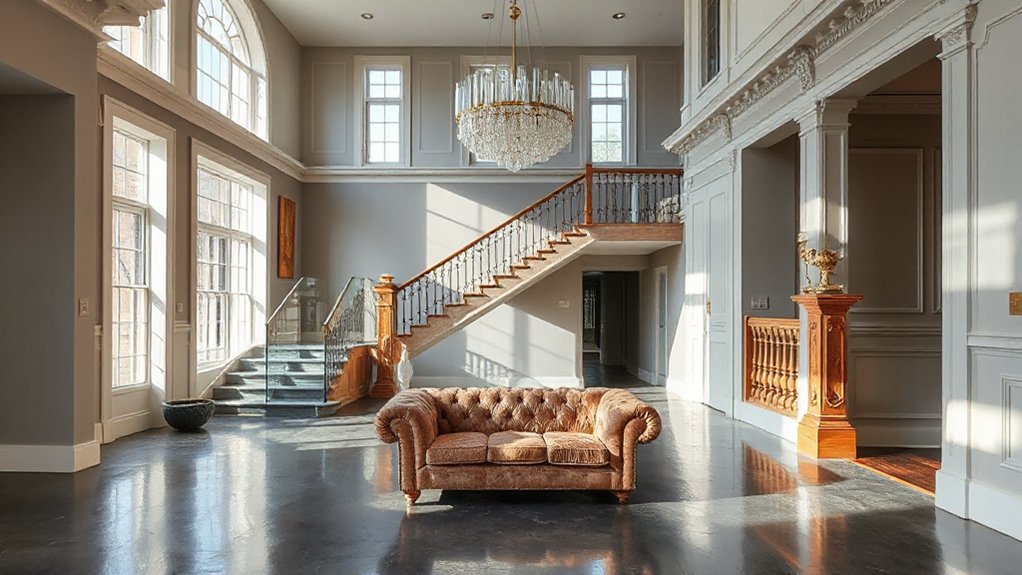
Modern materials can seamlessly echo historic details without duplicating traditional textures, allowing you to preserve architectural integrity while introducing contemporary performance. You’ll balance surfaces, finishes, and assemblies to respect scale, proportion, and craftsmanship, while leveraging durability and energy efficiency.
1) Use contemporary textures that visually mimic stone or timber but resist weathering and moisture ingress.
2) Choose spacer systems and joinery with sleek lines to complement, not overpower, intricate mouldings.
3) Integrate thermal breaks and low-emissivity glass to modernize glazing without sacrificing historic glazing rhythms.
4) Employ futuristic fixtures in kitchens and baths that harmonize with period hardware through proportion and material restraint.
This approach yields cohesive, breathable interiors that feel legible yet forward-looking, aligning technology with timeless detail.
Lighting and Acoustics for Mixed-Era Homes
Lighting for mixed-era homes benefits from layered controls that respect both period details and modern efficiency. You’ll blend lighting layering techniques with discreet, high-CRI fixtures to illuminate focal historic features while preserving ambience. Acoustic zoning strategies, using targeted absorbers and movable elements, help balance sound across varied ceiling heights and room proportions.
Lighting Layering Techniques
To create effective illumination in mixed-era UK homes, you’ll layer light sources to balance task, ambient, and accent needs across periods. You’ll combine fixtures that respect heritage details with modern LEDs for efficiency, ensuring color rendering remains accurate. Focus on a cohesive hierarchy that preserves ambience while improving function. Use dimmable controls to modulate intensity and cultivate ambient glow during evenings. Maintain visual neutrality by selecting finishes that echo both eras, rather than competing elements. Plan for layered illumination:
- Task lighting tuned to work surfaces without glare
- Ambient lighting that washes spaces softly
- Accent lighting that highlights period textures
- Layered illumination schedules synchronized with daily routines
Acoustic Zoning Strategies
Effective acoustic zoning in mixed-era UK homes hinges on isolating noise transfer while preserving the character of each era’s spaces; this means balancing structural upgrades with smart, non-intrusive materials. You’ll implement a phased approach: assess primary noise paths, then apply targeted soundproofing solutions at walls, floors, and partitions without compromising architectural language. Pair rigid, dense assemblies with resilient channels to reduce airborne and impact sound, while preserving plaster and timber details through discreet detailing. Use acoustic treatment sparingly in shared living areas to maintain ambiance, not overpower charm. Prioritize ventilation-compatible solutions to avoid moisture pitfalls. Document performance criteria and iterate, ensuring upgrades remain reversible where possible. The goal is harmonized acoustics that respect period aesthetics while delivering modern comfort.
Layout and Storage That Respect Period Proportions
Carefully proportioned layouts respect the architectural grammar of period UK homes while delivering modern convenience. You’ll balance circulation with furniture placement to maintain rooms’ proportional integrity, ensuring doors, windows, and alcoves align with historic sightlines. Consider built-in storage that echoes period detailing without crowding space.
- Prioritize symmetry in room arrangements to preserve scale and rhythm.
- Use shallow, high-utility cupboards that respect ceiling heights and paneling.
- Align storage to fireplace or chimney stacks where possible for authentic flow.
- Choose freestanding pieces with clean profiles to avoid overwhelming delicate proportions.
This approach preserves period authenticity while enabling practical daily use, enabling seamless transitions between spaces. Keep lines quiet and finishes restrained to avoid visual competition with architectural features. You’ll achieve a cohesive, timeless ambience through thoughtful furniture placement and proportion-aware layouts.
Upgrading Bathrooms, Kitchens, and Tech Without Compromise
Upgrading bathrooms, kitchens, and tech without compromising period character means integrating modern comfort and efficiency while preserving the home’s authentic rhythm. You approach this with aimed selections, balancing form and function. Prioritize discreet fittings and heritage-appropriate finishes to maintain scale and proportion, while selecting fixtures that meet contemporary standards. In bathrooms, opt for compact, water-efficient systems and concealed pipes to preserve sightlines; use period-appropriate tile patterns with durable, low-maintenance grouts. In kitchens, choose modular appliances that fit within traditional cabinetry silhouettes and install smart technology behind cabinetry panels for a seamless look. Embrace sustainable materials—reclaimed timber, low-VOC paints, durable stone—to minimize environmental impact. Finally, future-proof with accessible controls and robust wiring, ensuring upgrades remain reversible and respectful of the property’s character.
Frequently Asked Questions
How Can I Preserve Original Plaster While Installing Modern Wiring?
Yes—you can preserve original plaster while installing modern wiring by using low-profile, concealed cable routes, minimal cutting, and heritage-safe methods. Prioritize historic preservation, plan wiring integration carefully, and employ skilled electricians familiar with period properties.
What Budgeting Tips Help Balance Period Charm With Contemporary Upgrades?
You budget by prioritizing essential upgrades first, then allocate for decorative accents and color coordination to maintain period charm while adding contemporary systems. Track costs, shop smart, compare quotes, and reserve a contingency for hidden repairs.
Which Flooring Transitions Work Best Between Eras Without Clashing?
Flooring progressions work best when you choose flooring materials that differ subtly in tone and scale, using transition design elements like reducer nosings or overlapped joints to keep sightlines clean and cohesive across eras.
How Do I Retrofit Smart Tech Without Altering Historic Aesthetics?
Like Daedalus reconfiguring wings, you retrofit smart tech without compromising charm. You prioritize Smart integration, concealment, and Aesthetic preservation, ensuring discreet devices, seamless performance, and a cautious integration that respects historic fabric and user needs.
Are There Grants or Permissions Typically Needed for Period-Property Alterations?
You should check Historic regulations first, as they govern alterations and approvals; you’ll also verify Grant eligibility before proceeding. Confirm documentation is precise, timelines realistic, and permissions secured, because compliance streamlines funding and avoids costly retrofits or delays.
Conclusion
You’ve blended the best of both worlds, preserving mouldings and plaster textures while adding thoughtful, modern comfort. As you finalize plans, remember coherence over whimsy, balance over boldness, and authenticity over imitation. Your period-property makeover rests on a single truth: restraint is sophistication. By honoring sightlines, selecting authentic materials, and pairing warm neutrals with period-inspired accents, you create a living fabric that whispers heritage while inviting contemporary living. Subtlety, like a well-placed modern fixture, completes the composition.