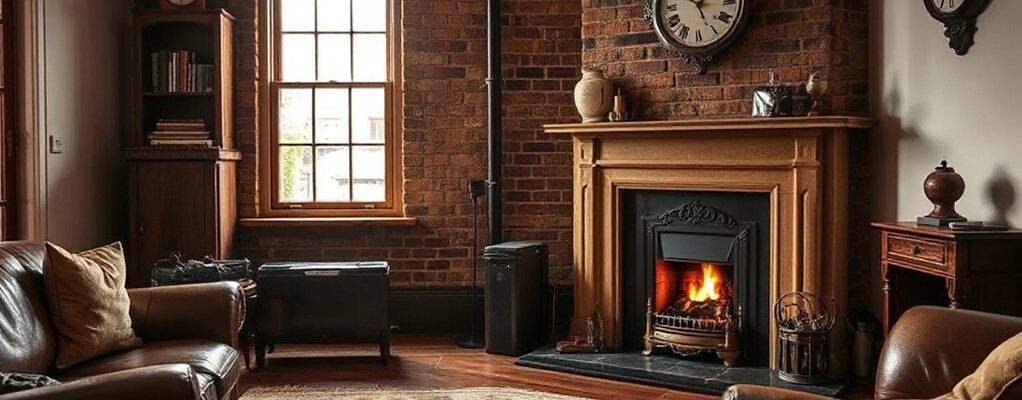
You’re weighing authenticity against practicality as you approach period feature fireplaces in UK homes. You’ll assess safety, structure, and condition first, then decide whether to preserve, restore, or reinvent. Materials matter—lime mortars, breathable finishes, and careful repair keep heritage intact. Subtle energy upgrades can help without dulling character. The path you choose sets the tone for the next steps, and a thoughtful plan will matter when challenges appear. The implications extend beyond aesthetics, urging a measured, informed approach.
Understand the Goals and Constraints of Period Fireplace Restoration
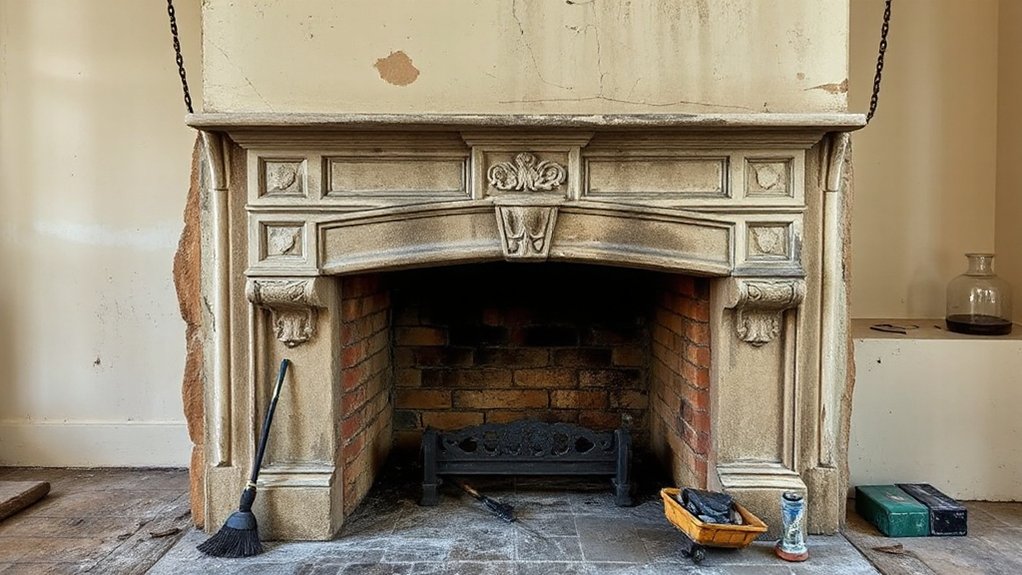
Understanding the goals and constraints of period fireplace restoration is about balancing authenticity with practicality. You assess historical character, architectural context, and original materials, then map them to current living needs. You identify which features must endure—face, casing, lintel, chimney integrity—while acknowledging elements that can adapt to modern use. Your plan prioritizes authentic aesthetics without compromising safety or efficiency. Consider lighting, heat output, and ventilation as core constraints, guiding decisions on materials, finishes, and finishes’ patinas. You weigh permissions, budget, and timeline, ensuring enhancements respect period style. In this process, Modern adaptations inform how you improve usability without eroding provenance. Technological integration may offer discreet upgrades, but you document changes, preserving a traceable restoration narrative for future reference.
Assess Safety, Structure, and Condition Before Any Work
Before you start any work, perform a safety-first assessment and a thorough structural check of the chimney, firebox, flue, and surrounding features. Confirm there are no active gas lines, loose bricks, or deteriorated mortar that could fail under load. Establish baseline conditions now, so you can plan repairs that address both safety concerns and structural integrity.
Safety First Evaluation
Before any work begins, perform a Safety First Evaluation to assess the fireplace’s safety, structure, and condition. You’ll verify flue integrity, chimney lining, and soot buildup, noting accessible hazards and potential gas or electrical issues. Tree overhang, venting obstructions, and moisture ingress get marked for expert review, while smoke tests reveal drafts and leaks. Document clearances around combustible materials and guarantee proper clearance to walls, mantels, and hearth. Assess the firebox’s condition, brick or tile deterioration, and presence of asbestos or lead paint, if applicable, with professional handling. Prioritize ventilation, carbon monoxide risks, and fire-rated clearances. Consider how the unit’s era influences fireplace aesthetics without compromising safety. Maintain historical accuracy during planning, yet login requirements remain focused on safe, compliant restoration.
Structural Integrity Check
Structural integrity must be established before any work begins, so you should rigorously assess the fireplace’s load path, brick and mortar condition, and any signs of movement or cracking. You evaluate surrounding wall ties, lintel bearing, and flue integrity to prevent future collapse or settlement. Document cracks by width and direction, noting any bulging arches or spalling mortar, and test for excessive chalkiness or dampness that signals moisture ingress. Prioritize the safety of users and the stability of the structure, not merely aesthetics. Consider fireplace aesthetics in relation to its loading and support system, ensuring decorative elements don’t mask hidden weaknesses. Acknowledge historical significance while planning restoration, preserving original materials and craftsmanship where feasible to maintain authenticity and long-term performance. Conclude with a cautious recommendation and a clear, written remediation plan.
Decide Your Restoration Path: Preserve, Restore, or Reinvent
When planning how to approach your fireplace, start by evaluating its condition, provenance, and your goals. You’ll decide whether to preserve, restore, or reinvent based on authenticity, safety, and daily use. Preservation prioritizes original materials and craftsmanship, limiting alterations while maintaining character. Restoration breathes new life into worn details, aligning function with period accuracy through careful repairs and compatible finishes. Reinvention invites modern utilities and improved efficiency, yet should respect the element’s footprint and proportion. Consider budget, timelines, and long‑term maintenance from the outset. Modern adaptations can enhance usability without erasing history, while aesthetic enhancements refine mood and cohesion with surrounding spaces. Document decisions, photograph changes, and consult specialists when needed to guarantee your chosen path remains coherent with the home’s character and future plans.
Select Materials and Finishes That Respect Heritage and Durability
You’ll choose materials that honor heritage while standing up to daily use, prioritizing stone and iron with proven longevity. Consider finishes that age gracefully—think patina on brass, seasoned timber, and breathable surfaces that tolerate UK humidity without cracking. Across environments, insist on durability by evaluating heat tolerance, moisture resistance, and ease of maintenance to keep the fireplace both authentic and reliable.
Material Suitability For Heritage
In selecting materials and finishes for heritage fireplaces, you should prioritize durability and historical integrity, balancing modern performance with period-appropriate aesthetics. You assess material compatibility first, ensuring substrates and coatings perform together without accelerating decay of stone, brick, or timber elements. Choose breathable mortars and lime-based renders that respect vapor exchange, preventing salt efflorescence and cracking. When selecting metals, favor corrosion-resistant alloys and appropriate coatings that withstand heat cycling without compromising appearance. For finishes, prefer traditional textures and patinas that age gracefully yet resist soot and grime buildup. Consider thermal mass and insulation to maintain stable temperatures, reducing stress on joints. Aim for aesthetic harmony across textures, colors, and detailing, preserving the fireplace’s character while delivering durable, low-maintenance performance.
Finishes That Age Gracefully
Finishes that age gracefully combine authentic appearance with durable performance, ensuring heritage fireplaces endure without losing their character. You prioritize materials that map history onto modern lives, selecting finishes that resist wear while preserving texture, patina, and depth. Natural stone, brick, lime plaster, and limewash offer breathable protection that ages with you, avoiding harsh coatings. When you choose paints, opt for breathable emulsions in traditional palettes, applied sparingly to maintain tactile richness. For coatings, test for compatibility with underlying masonry and avoid moisture traps that compromise integrity. Modern adaptations respect provenance, while Technological integrations stay discreet, enhancing care without overpowering detail. You document maintenance cycles, ensuring periodic cleaning, gentle polishing, and timely repairs—safeguarding provenance, compatibility, and longevity across generations.
Durability Across Environments
Durability across environments hinges on selecting materials and finishes that honor heritage while withstanding daily use. You consider stone, brick, and timber with proven resilience, balancing period accuracy and practical longevity. For stone, choose dense limestones or sandstones that resist staining and freeze–thaw cycles, avoiding porous, maintenance-heavy options. In brickwork, opt for low-water absorption bricks and breathable lime mortars to accommodate moisture without cracking. Finishes should pair durability with ease of care; limewash or breathable mineral paints adapt to climate shifts and age gracefully. Modern adaptations can be integrated through sealed, non-invasive coatings that protect without obscuring character. Decorative enhancements should remain sympathetic, avoiding heavy gloss or abrasive textures. Prioritize joints, seals, and airflow to sustain performance across environments while preserving the fireplace’s authentic presence.
Improve Energy Efficiency in Historic Settings
What practical steps can you take to improve energy efficiency in historic settings without compromising character? You begin by sealing drafts around doors and windows with discreet, breathable, removable measures, preserving appearance while reducing heat loss. Use secondary glazing to maintain external aesthetics while improving insulation, and choose slimline, period-appropriate frames to keep historical accuracy intact. Prioritize efficient heating sources compatible with old rooms; install programmable thermostats and zoned controls to minimize waste without altering the room’s rhythm. Insulate attic and roof spaces with materials that respect the fabric of the building, avoiding bulky interventions that erode character. Opt for energy-efficient lighting and modest, well-placed curtains to balance heat retention and daylight, enhancing aesthetic enhancement while respecting architectural provenance.
Navigate Permissions, Listings, and Planning Considerations
Managing permissions, listings, and planning considerations is a practical prerequisite for any fireplace project in historic UK properties. You’ll navigate local authorities, conservation areas, and listed status implications before you lift a lintel or replace a grate. Start with a detailed brief for the planning officer, detailing materials, finish, and any adaptive reuse. Consult your local authority’s guidelines on medieval architecture, making certain proposals respect historic fabric and context. Engage a conservation professional to assess impacts on curtilage, fabric, and character. If listed or in a designated area, expect potential conditions tied to design and materials. Leverage modern technology for accurate measurements and documentation, but guarantee it complements traditional aesthetics. Document decisions thoroughly to streamline approvals and avoid delays.
Practical Restoration Steps: Inspection, Planning, and Execution
Before you lift a single brick, you’ll gather a precise map of the work ahead by inspecting the fireplace, the chimney structure, and surrounding fabric. You’ll document dimensions, flue integrity, and mortar condition, then assess ventilation, heat load, and clearance with modern technology like infrared cameras and moisture meters. Planning follows: establish a phased sequence, source authentic materials, and align with structural constraints, historical records, and local codes. Execution hinges on careful dismantling, stabilization, and restoration, avoiding over-restoration while respecting original fabric. Maintain a conservative replacement philosophy, using compatible timber, stone, or brick, and install discreet modern safeguards where needed. Throughout, acknowledge the cultural significance of the hearth, preserving craftsmanship and storytelling for future generations. Your disciplined approach guarantees durability, safety, and respectful period feature integrity.
Common Pitfalls to Avoid in Period-Fireplace Projects
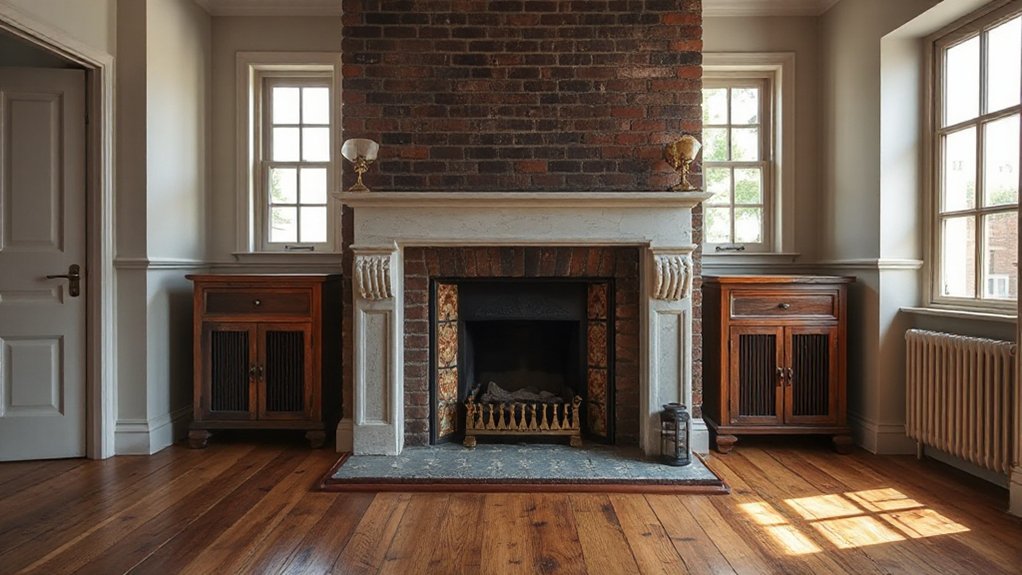
When you restore a period fireplace, you must start with structural integrity checks to confirm the chimney, lintel, and hearth are sound before any work begins. Equally, address ventilation and hazard risks upfront, ensuring adequate airflow and eliminating combustible or toxic exposures that could compromise safety. By prioritising these checks, you set a precise, safe foundation for the restoration and avoid costly, avoidable pitfalls.
Structural Integrity Checks
Structural integrity checks are non-negotiable when tackling period-fireplace projects, because hidden weaknesses can derail a restoration or trip your warranty. You’ll want a clear map of what supports the structure, from the mantel to the breast and flue line. Begin with a careful visual survey, noting cracks, movement, and historic reinforcements that may conceal safety risks. Use modern technology, such as endoscopic cameras, moisture meters, and non-destructive thickness gauges, to assess hidden components without unnecessary disruption. Confirm flue integrity, brickwork stability, and lintel condition before any cosmetic work. Plan conservative repairs that respect era details while ensuring load paths remain sound. Document findings for future maintenance, and set expectations for aesthetics; structural fixes should never be deferred in pursuit of aesthetic enhancements.
Ventilation and Hazards Avoidance
Ventilation and hazard avoidance are non-negotiables in period-fireplace work, yet they’re the most common blind spots. You’ll misjudge room airflow if you skip measuring infiltration, and you’ll risk soot and carbon monoxide buildup if you ignore flue integrity. Begin with a true assessment of existing fireplace styles to determine whether a direct vent, balanced flue, or open-fire setup suits the space without compromising historic features. Prioritize airtight seals around masonry weaknesses, and plan proper clearances for combustible materials. When selecting ventilation techniques, consider chimney height, draught consistency, and room pressure changes caused by nearby doors or fans. Document every change, so future caretakers understand the rationale behind each hearth adjustment and maintain long-term safety.
Inspiring UK Case Studies: Before-and-After Restorations
Case studies of before-and-after restorations reveal how thoughtful intervention can preserve heritage while modernizing function. You observe how UK projects blend period detailing with contemporary utility, showcasing careful material choices and scalable outcomes. In each example, original mantels and fire surrounds are retained or delicately recreated, while insertions—gas or electric fires, efficient flues, or sealed timber linings—demonstrate modern design without erasing history. You note the role of skilled craftsmen who source compatible stones, timbers, and tiles, emphasizing material innovation that respects lumens, heat, and durability. Context guides decision-making: ventilation remains considered, but structural integrity and fire safety are prioritized through reversible, non-invasive methods. These cases inspire thoughtful replication in homes seeking authentic character with improved performance.
Long-Term Care and Maintenance for Period Fireplaces
Long-term care for period fireplaces hinges on a disciplined maintenance routine that preserves fire safety, performance, and historical character. You should perform regular inspections of chimney lining, hearth integrity, and damper operation, noting any cracks, spalling, or soot buildup. Schedule professional servicing at least once per year, and after significant temperature swings or storms. Cleaning techniques remain purposeful: use a soft brush for dust, avoid metal tools that could scar stone or brick, and seal timber mantles to prevent moisture ingress. When updating, consider Modern adaptations only if they respect archetypal materials and proportions, such as discreet liners or heat-resistant coatings that don’t obscure details. Document changes, keep a maintenance log, and train household users to follow safe, consistent practices.
Frequently Asked Questions
How Much Does Period Fireplace Restoration Typically Cost?
You’ll typically spend between £1,000 and £6,000, depending on scope. You should assess fireplace materials and choose restoration techniques carefully, factoring lead times and safety checks. You’ll compare stone versus cast iron, and historic plasterwork implications.
Can I Legally Operate a Coal Fire in a Listed Home?
You can’t legally operate a coal fire in a listed home without strict approvals; check Environmental regulations and guarantee Safety compliance first, since listed status often restricts fuel type, installation, and emissions to protect heritage value.
What Are the Best Silent Options for Heat Without Damage?
Silent heating is best with electric heaters or infrared panels; they’re silent and efficient. Consider alternative fuels like bioethanol or heat pumps, avoiding combustion. You’ll minimize harm to period features while maintaining safe, controlled warmth throughout the home.
How Long Does a Full Restoration Usually Take?
A full restoration usually takes several weeks, depending on scope. You’ll achieve historical accuracy and guarantee fireplace safety through careful assessment, sourcing appropriate materials, and meticulous restoration; expect planning, approvals, and patient implementation throughout the process.
Are There Grants or Funding for Heritage Fireplace Work?
Yes, grants exist for heritage fireplace work, especially through heritage bodies, local councils, and grants for historical accuracy; you’ll also explore modern alternatives if funds constrain, ensuring restorations preserve authenticity and comply with conservation guidelines.
Conclusion
You stand before a quiet, ember-bruised hearth, where time trades whispers for warmth. With careful hands, you balance ash with breath, lime with mortar, and history with safety. Each measured decision sheds dust like memory, revealing a glow that’s both authentic and enduring. As you document, maintain, and protect, you stitch future comfort into stonework, ensuring tomorrow’s evenings glow with the same quiet dignity. Your restoration preserves not just an artefact, but the heartbeat of your home.