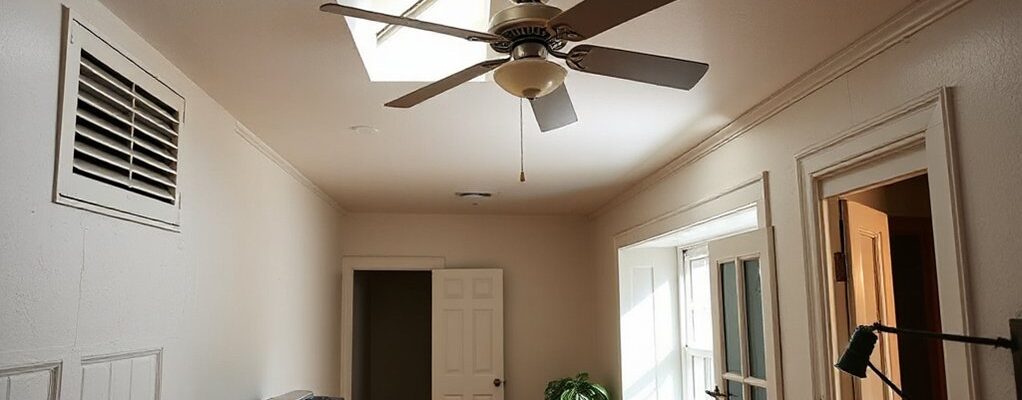
Older homes often feel stale because airflow is uneven and drafts sneak in. Start by locating where leaks ride air, then seal gaps around doors, windows, and penetrations with weatherstripping and caulk. Upgrade attic and roof ventilation to move heat and moisture out, and consider a balanced, energy-efficient system with filters. You’ll gain steady air quality without compromising historic features, but the real test is how your home adapts to seasonal shifts and evolving needs—so you’ll want to plan the next steps carefully.
Key Takeaways
- Assess current airflow, humidity, CO2, and temperature to identify problem areas and set measurable ventilation targets for older homes.
- Seal gaps around doors, windows, and penetrations, using weatherstripping, caulk, and foam to reduce drafts without blocking needed vent paths.
- Upgrade attic and roof ventilation with continuous soffit and ridge vents, baffles, and insulation to minimize moisture swings.
- Implement balanced, whole-house ventilation with dedicated supply/exhaust and heat recovery to maintain indoor air quality without pressurizing historic features.
- Use continuous bathroom/kitchen exhaust, portable air purifiers or HEPA filters, and IAQ sensors to manage humidity and contaminants efficiently.
Assess Your Ventilation Needs in an Older Home
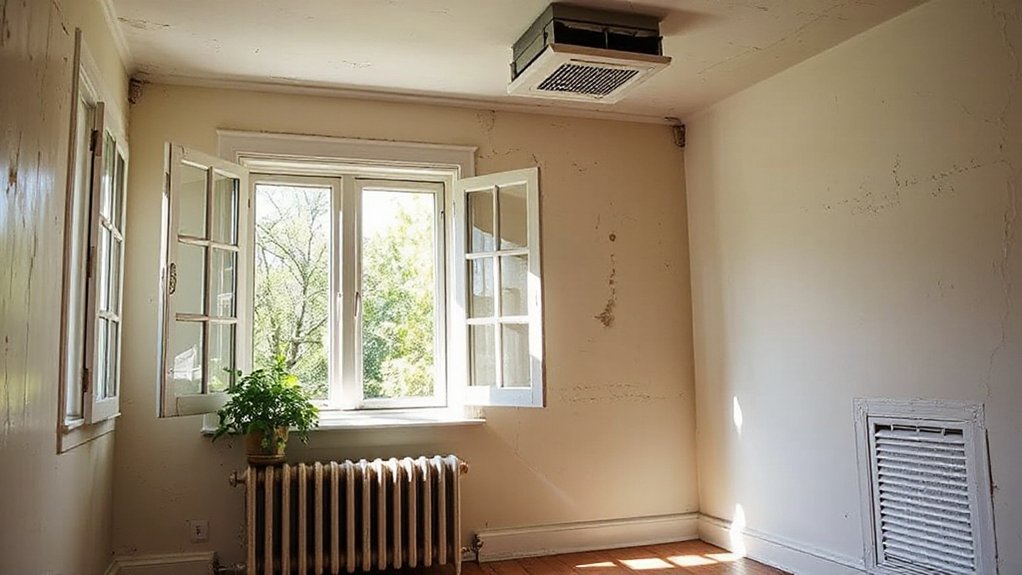
Assess your current ventilation baseline before making changes. You’ll map how air flows through rooms, noting drafts, pressure differences, and existing mechanicals. Measure baseline factors such as humidity, temperature ranges, and carbon dioxide levels at typical occupancy times.
Identify which spaces most influence comfort and safety, including kitchens, baths, and living areas. Consider how indoor plants and air purifiers fit into your plan without overloading the system; plants add microclimate effects, while purifiers reduce particulates and odors.
Document window operation—including sash balance and weather stripping—and assess whether controlled ventilation is feasible with existing fans or exhausts. Prioritize improvements that minimize energy waste, preserve historic fabric, and align with your house’s construction.
Create a phased, measurable plan with specific targets for airflow and air quality.
Why Old Homes Get Stuffy: Common Air Quality Factors
Old houses tend to feel stuffy because their older construction and systems trap air and limit fresh exchange. You may notice odors, humidity swings, and lingering particulates that degrade comfort and health.
Key factors include high occupant density, limited natural ventilation, and HVAC systems not sized for modern air quality demands.
Moisture from bathrooms, kitchens, and basements can promote mold spores and musty smells if exhausts aren’t balanced with intake.
Pollutants from finishes, cleaning products, and outdoor air infiltrating through neglected joints contribute additional particles.
Indoor plants can add aesthetic calm but also release moisture and mold-prone soil; manage them with proper drainage and placement.
Air purifiers can reduce particulates and odors where ventilation is constrained, especially in quieter zones or rooms without operable windows.
Seal Gaps and Drafts for Immediate Airflow Gains
Sealing gaps and drafts provides immediate airflow gains by stopping unintended air exchange and directing movement through deliberate vents. You’ll first map measurable leakage paths with smoke or incense, then prioritize doors, windows, and utility penetrations that channel air unpredictably.
Use weatherstripping on operable sashes and threshold seals at every exterior boundary to form cohesive Airflow barriers, reducing unwanted exchange without hindering deliberate ventilation. Apply caulk or foam where gaps remain around piping, cables, and framing—tighten penetrations without constraining structural movement.
For draft prevention, install adjustable vents or gable-end dampers where wind patterns overwhelm interior barriers. Verify performance with simple flow checks at occupied rooms, and document improvements.
Maintain balance by avoiding over-sealing, which can stifle natural draft during wind-driven cycles.
Upgrade Attic and Roof Insulation to Improve Air Movement
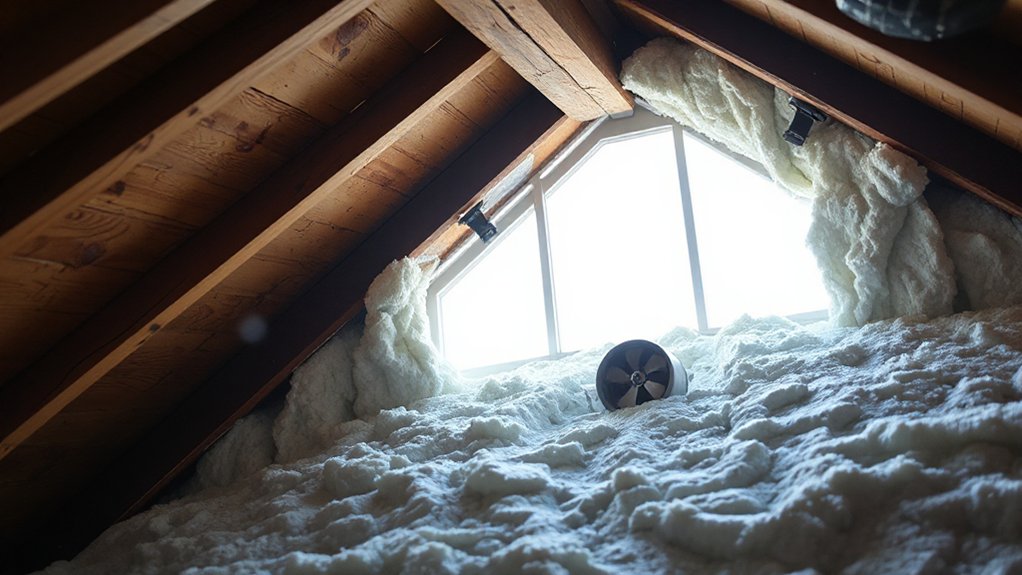
Upgrading attic and roof insulation directly influences air movement by reducing heat transfer and stabilizing stack effect, which supports more consistent ventilation.
Consider how attic insulation benefits interact with improved roof ventilation and the shared airflow path from eaves to ridge, ensuring less heat buildup and better exhaust.
We’ll map each design choice to airflow outcomes, focusing on insulation quality, vent placement, and path optimization for reliable air circulation.
Attic Insulation Benefits
Attic and roof insulation play a crucial role in air movement and overall home performance. When you upgrade insulation, you reduce heat loss and create a more stable attic temperature, which minimizes moisture swings that can degrade framing and insulation itself.
Proper layering with vapor retarders and air sealing ensures fewer drafts, helping supply and exhaust paths function more consistently. Enhanced insulation also improves the effectiveness of passive air movement, so you feel more comfortable year-round without excessive cooling or heating.
Consider accessibility for future upgrades and guarantee materials meet local code and climate needs.
Integrate practical details like indoor plants and air purifiers as part of a balanced approach to indoor air quality, not a substitute for proper enclosure.
Roof Ventilation Enhancement
After boosting insulation, focus on how attic and roof ventilation impact air movement. You upgrade soffit and ridge vents to create a continuous chimney effect. Then assess attic air exchange with precise measurements.
Confirm baffles maintain clear airflow from eave to peak, minimizing dead zones behind storage or ductwork. When selecting fans, consider solar powered fans for energy efficiency and minimal wiring. But verify amperage, decibel level, and airflow rating at typical attic temperatures.
Integrate air quality sensors to monitor CO2, humidity, and volatile compounds. These sensors can guide when to boost venting or seal leaks. Seal gable vents that draw in unconditioned air, and balance intake with exhaust to prevent pressure imbalances.
Document results, observing seasonal performance to sustain consistent indoor air movement.
Airflow Path Optimization
A well-aimed insulation upgrade can directly sharpen attic airflow by reducing thermal bridging and smoothing temperature gradients that drive unintended air movements. You’ll maximize pressure balance between living spaces and the attic by aligning insulation depth with joist bays and sealing voids around penetrations.
Target continuous coverage across attic floor and edges, then cap soffit and ridge with appropriate baffles to prevent stack effect distortions.
Optimize air paths by mapping supply and exhaust routes, avoiding cross-pressures that push warm air into eaves or soffits.
Consider indoor plants as decorative indicators of humidity shifts and potential condensation hotspots, and place an air purifier near zones prone to stagnant air.
Document improvements with airflow measurements and stay mindful of moisture control to sustain long-term performance.
How Balanced Ventilation Works: Mechanical Options Explained
Balanced ventilation uses a single system to continuously manage both air intake and exhaust, maintaining steady pressures and predictable air changes. You’ll benefit from a unit that pairs a dedicated supply fan with an exhaust or pressure-controlled pathways, so outdoor air is processed before entering your living spaces.
In practice, heat-recovery and energy-recovery cores recover warmth or coolness from spent air, boosting ventilation efficiency without wasting energy.
Duct design matters: properly sealed, insulated runs reduce leakage and maintain consistent flow.
Controls and sensors adjust fan speeds in response to humidity, CO2, or occupancy, keeping indoor air quality stable.
Regular maintenance—filters, seals, and heat-exchanger checks—prevents performance drops.
Choose a balanced setup that aligns with your home’s layout, boosting comfort and long-term durability.
Whole-House Ventilation That Keeps Your Charm
A whole-house ventilation plan should deliver balanced fresh air without compromising your home’s historic character.
You’ll prioritize systems that preserve charm while providing consistent air exchange and filtration.
Balanced Fresh Air
With older homes, a balanced fresh-air system offers continuous, all-season ventilation while preserving their character. In practice, this means bringing in outdoor air and exhausting stale indoor air at equal rates so humidity and pollutants stay in check without drafts or noise.
You install a dedicated, energy-efficient unit that coordinates supply and exhaust automatically, balancing pressure and filtration. Maintainability matters: specify modular filters, monitor static pressure, and schedule seasonal checks to prevent bypass leaks.
For comfort, tune airflow to rooms with higher moisture or odors, like kitchens and baths, while guarding delicate finishes from sudden drafts.
Enhance performance with indoor plants and strategic air purifiers placed near sources of pollutants, ensuring they complement rather than obstruct airflow and system balance.
Preserve Historic Charm
Preserving historic charm while ventilating a period home means you tailor a whole-house system to respect original features, materials, and proportions. You prioritize ventilation strategies that align with existing layouts, avoiding invasive ductwork that compromises character.
Choose discreet, retrofit components—quiet exhausts, balanced intake, and smart controls—that blend with plaster, woodwork, and moldings. Maintain architectural integrity by mapping air paths around alcoves, stairwells, and high-ceiling rooms, using perforated soffits or exterior vents that don’t disrupt sightlines.
Material compatibility matters: select low-profile diffusers and finishes that won’t stain or warp historic surfaces. Regular commissioning guarantees balanced pressurization without drafts.
Document changes for historic preservation records, and train occupants to operate systems with minimal aesthetic impact while maximizing indoor air quality and comfort.
Moisture Control to Prevent Mold and Musty Air
Humidity and moisture are the primary drivers of mold and musty air in older homes, so start by identifying and eliminating water sources: leaks in roofs, walls, or plumbing; condensation on cold surfaces; and damp basements or crawlspaces.
You’ll seal defects and insulate, minimizing dew points on interior surfaces.
Control humidity with dehumidification to maintain 30–50% relative humidity in occupied spaces, and guarantee proper drainage away from foundations.
Use continuous vents in bathrooms and kitchens, and run them during and after use.
If you have indoor plants, place them away from high-traffic living areas to avoid excess moisture, and consider an air purifier with a true HEPA filter to reduce spores.
Regularly inspect for hidden moisture, documenting repairs and improving material choices for lasting dryness.
Smart, Cost-Effective Window and Vent Upgrades
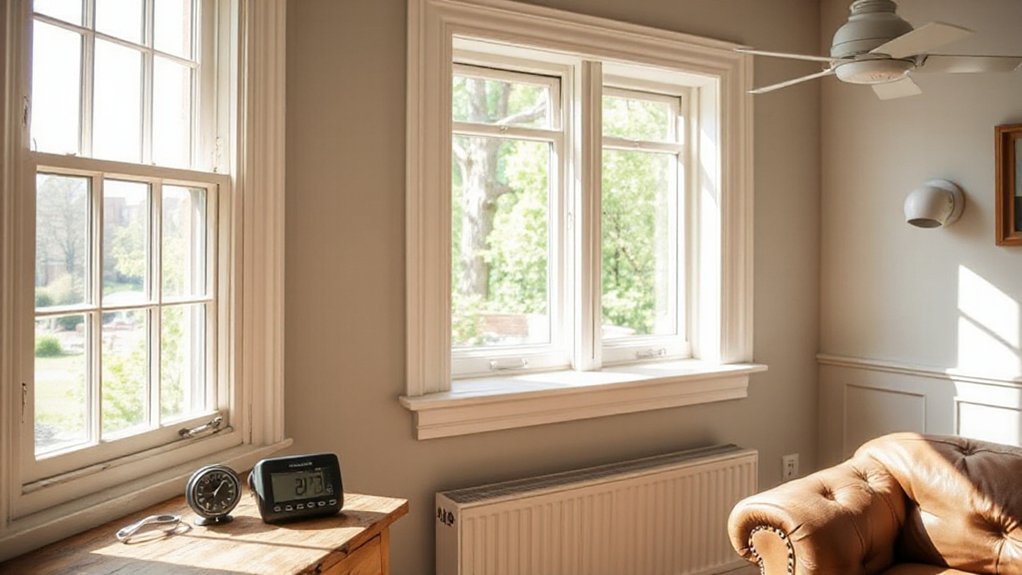
Smart window upgrades and budget-friendly vent solutions let you boost airflow without major renovations. You’ll compare operable vs. fixed windows, analyze leakage risks, and choose simple, energy-aware options that fit older homes.
This discussion centers on practical installs, cost efficiency, and design-conscious choices that improve ventilation without sacrificing character.
Smart Window Upgrades
Pair these with coordinated ventilation sensors to monitor indoor air quality and outdoor conditions, triggering automatic opening when fresh air is beneficial. Choose actuated vents that respond to humidity and CO2 levels, ensuring comfort without draftiness.
Design matters: frame materials should minimize thermal bridging, and operability must align with typical room use. Consider zoning so bedrooms and living spaces vent independently, reducing cross-flow interruptions.
Install user-friendly interfaces for quick manual overrides, and document maintenance needs for long-term reliability. This approach delivers adaptive airflow, energy savings, and a resilient, healthier home environment.
Budget-Friendly Vent Solutions
Start with adjustable trickle vents or cheap exhaust fans in kitchens and baths to create cross-ventilation paths without wholesale replacement. Consider weatherstrip improvements and draft-stopping curtains to limit heat loss while allowing controlled air movement.
Use only modest upgrades, like energy-efficient box fans or ducted inline fans to boost airflow for critical spaces. Pair ventilation with indoor plants to aid humidity balance, and place a compact air purifier in high-traffic airflow zones to filter particulates.
Maintain routine filter checks and guarantee safe electrical mounting for sustained performance.
DIY Fixes That Deliver Quick, Noticeable Improvements
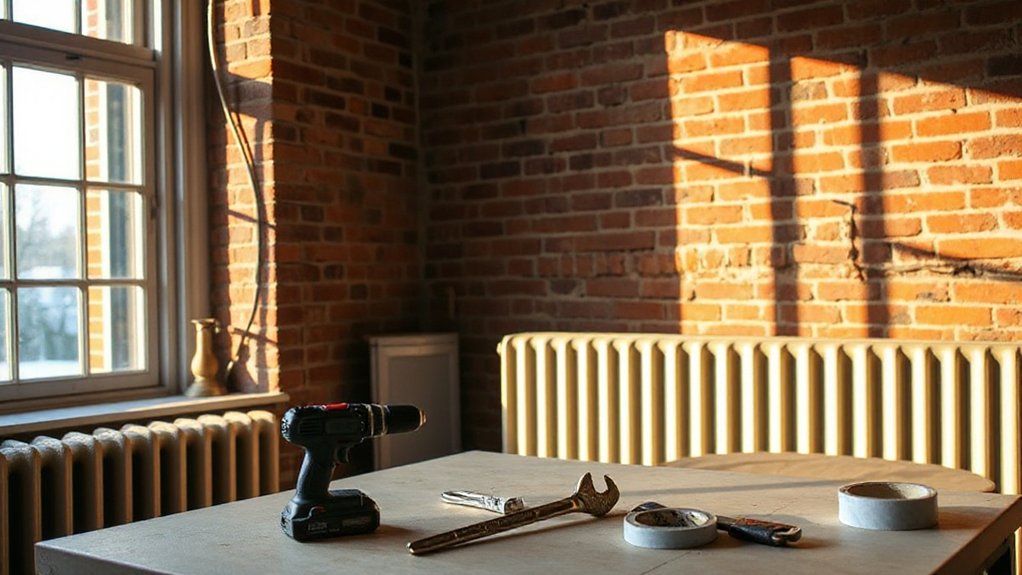
If you want noticeable improvements fast, start with practical, proven DIY fixes that boost airflow without a full remodel. Begin by sealing obvious leaks around doors and windows with low-expansion foam or weatherstripping.
Then, balance pressure with strategic exhaust and intake spots. Install bathroom and kitchen fans that vent outdoors, ensuring ducts are clean and unobstructed.
Improve room air movement with ceiling or wall-mounted fans set to gently pull air across spaces, not just circulate in place.
Add indoor plants to modestly improve perceived air quality, and place them where they won’t block vents or airflow.
Incorporate compact air purifiers in high-traffic rooms, choosing models with true HEPA filtration and appropriately sized for the space.
Choosing the Right Ventilation Solution for Your Climate
In drier climates, consider features that minimize moisture loss while ensuring enough exchange, such as heat-recovery mechanisms.
In humid zones, prioritize humidity control and filtration to protect finishes and occupants.
For sensitive indoor air, pair systems with indoor plants to modulate humidity naturally and with air purifiers to reduce particulates.
Assess noise, maintenance, and filter accessibility, ensuring you can service components without invasive retrofits.
Design choices should integrate seamlessly with existing architecture, preserving daylight, acoustics, and aesthetics.
How to Maintain and Monitor Airflow Over Time
To keep airflow steady as your home settles and seasons change, establish a routine that blends quick checks with periodic, data-informed assessments. You’ll track pressure differentials, feel for draft changes, and note humidity swings across rooms.
Use simple, repeatable metrics: door and window seal integrity, filter cleanliness, and vent unobstructedness. Schedule quarterly audits of ventilation paths and half-year sanity checks on blower or fan speeds, adjusting for seasonal load.
Integrate monitoring with comfort goals, not just numbers. Include indoor plants and air purifiers strategically: plants can signal humidity shifts via leaf wilting, and purifiers help maintain particulate control during high-pollen periods.
Document results, calibrate baselines, and act on anomalies promptly. Maintain a record, then refine system placement, sealing, and filtration to sustain consistent performance over time.
Frequently Asked Questions
How Do I Know if My Older Home Needs Ventilation Upgrades?
If you’re unsure, your home likely needs ventilation upgrades if you notice stuffy air, condensation on windows, or mold smells.
Start with a quick HVAC maintenance check and look for uneven temps between rooms.
Commission air quality testing to confirm pollutants and humidity levels.
If tests flag issues, plan targeted upgrades—balanced exhaust and supply, airtight envelopes, and smart controls.
Keep maintenance routines consistent to maintain healthy, energy-efficient indoor air.
What Signs Indicate Poor Indoor Air Quality in Older Homes?
Dust motes drift in stale light, signaling poor indoor air quality in your older home. You notice persistent odors, stuffy rooms, lingering humidity, and headaches after exposure.
Moisture stains, mold growth, and windows fogging point to moisture imbalance. You feel coughing or eye irritation after activities indoors.
You should consider an air purifier and humidity control to improve air quality, reducing particulates and dampness for safer, more comfortable living.
Can I Improve Ventilation Without Compromising Historic Features?
Yes—you can improve ventilation without compromising historic features. You balance Historical preservation with Modern ventilation by selecting discreet, code-compliant solutions: whole-house fans, heat recovery ventilators, or balanced bath/kitchen exhausts that integrate with existing walls and attics.
Use airtight, draft-resistant joints, strategically placed vents, and continuous ventilation strategies. Prioritize noninvasive retrofits, maintain architectural integrity, and coordinate with preservation guidelines to guarantee authenticity while delivering improved indoor air quality.
How Often Should I Service Mechanical Ventilation Systems?
You should service mechanical ventilation systems at least twice a year, ideally in spring and fall. Regular checks keep airflow steady and quiet, and catch issues early.
During service, prioritize HVAC maintenance tasks like inspecting ducts, checking motor bearings, and testing controls.
Don’t skip filter replacement; replace filters every 1 to 3 months depending on usage and filtration type.
Document performance, report anomalies, and calibrate balance to prevent drafts and preserve historic design sensitivity.
What Is the Typical ROI for Upgrading Ventilation in Vintage Houses?
Upgrading ventilation in vintage houses typically yields a modest to solid ROI, often 5–15% annually when you factor energy savings and improved comfort.
You’ll boost energy efficiency and air filtration, reducing drafts and pollutants.
Target balanced, code-compliant systems with properly sealed ducts and heat recovery if possible.
Expect higher upfront costs, but benefits accumulate through lower utility bills and longer-lasting indoor air quality, especially in airtight, well-insulated spaces.
Plan around your renovation timeline and budget.
Conclusion
You’ve got a clear path to better air in your older home. By sealing gaps, upgrading attic ventilation, and adding balanced, energy-efficient systems, you’ll improve airflow without sacrificing character. Use smart, cost-effective window and exhaust options, monitor filters, and maintain a steady rhythm of inspections. Keep humidity in check and rely on plants and purifiers as sensible backups. It may be a steady climb, but you’ll breathe easier—steady as she goes, you’ll nail it.