
If you’re feeling a nudge to refresh your space, you’re not alone in needing a gentle push. Start by evaluating sun, soil, and layout, then tighten your plan so every move serves structure and seasonal interest. Quick soil boosts, smart pruning, and a few budget-friendly plant swaps can spark results fast, but the real payoff comes when you organize tasks into a practical, six-week rhythm that keeps you moving—and you’ll see why the next steps matter.
Key Takeaways
- Assess front-bed sun, soil, and layout to plan a spring-refresh with accessible paths and seasonal interest.
- Quick soil boosts: aerate, loosen crust, mulch, and apply balanced fast-acting amendments with clear labels.
- Prune: remove deadwood and crossing stems, cut above healthy buds, and sanitize tools for rapid healing.
- Budget swaps: test color with container trials, mix annuals with short-lived fillers, and track bloom timing.
- Plan and schedule: map a 6-week timeline with tasks, pest checks, and weather contingencies for steady progress.
Assess Front-Bed Needs: Sun, Soil, Color, Accessibility
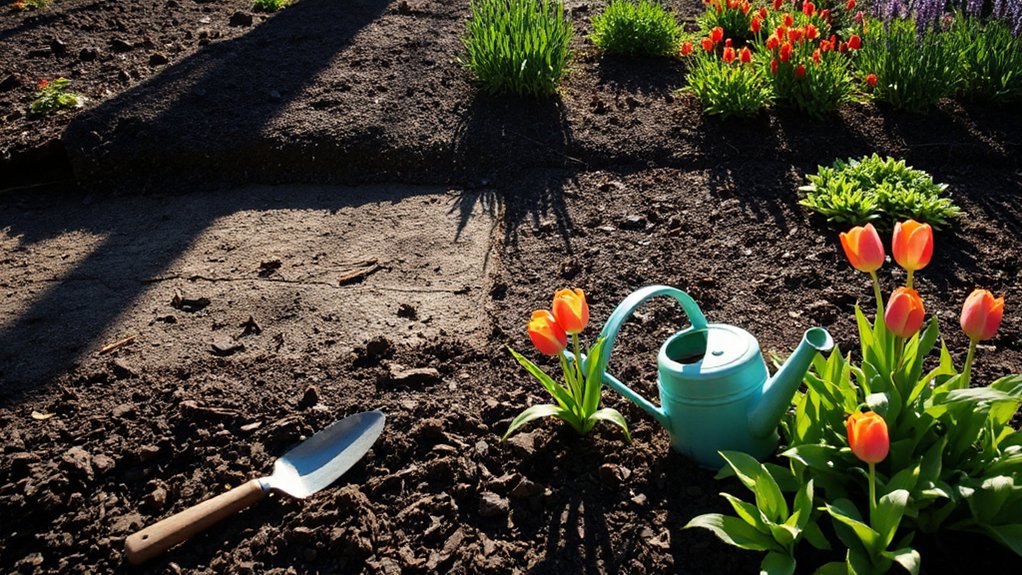
Start by evaluating the front bed’s sun exposure, soil quality, color goals, and accessibility. You’ll map a precise garden layout that aligns with how much light you truly get each day, then confirm soil texture and drainage before selecting plants.
Assess color goals so you choose bloom times and foliage contrasts that read well from the street and sidewalk. Consider accessibility: path widths, seating sightlines, and maintenance ease to guarantee you can tend the bed without strain.
With those factors in hand, plan a practical layout that prioritizes structure, repeatable motifs, and seasonal interest. Address pest management proactively by selecting resistant varieties and evidence-based spacing.
This approach yields a cohesive, inviting front bed that’s easy to care for and visually sharp. Ensure you document decisions for spring renewal.
Quick Soil-Health Boosts You Can Do Today
If you can’t wait for a full soil overhaul, start with three fast, impactful tweaks: test and improve drainage, loosen compacted surfaces, and feed with a balanced, fast-acting amendment.
Then, apply targeted soil amendments to boost structure and nutrient availability without waiting for worms to work magic. Aerate lightly to relieve crust, and mulch to conserve moisture while roots reestablish.
Choose a balanced blend with immediate-release nutrients for quick response, and follow label directions to avoid overfertilization.
Consider microbial inoculants to support beneficial soil-life activity and faster root colonization.
Monitor soil moisture daily and adjust watering to keep the profile evenly moist, never soggy.
Document changes, re-test in a few weeks, and refine your approach based on plant response, not guesswork.
Prune Smartly and Refresh Your Plants
Pruning smartly and invigorating your plants begins with a plan: assess which stems are dead, diseased, or crossing into crowded growth, then remove them cleanly at the correct angle to avoid ragged edges. You’ll improve airflow, reduce disease risk, and stimulate new growth with precise cuts. Use clean shears, sterilize between plants, and make cuts just above a healthy bud or lateral branch.
- Identify and remove deadwood first to prevent spread
- Prune damaged or crossing stems to open the canopy
- Make angled cuts to encourage quick healing and new shoots
Pruning techniques emphasize timing, technique, and restraint. This approach supports plant rejuvenation, maintains structure, and yields healthier, more vibrant growth through the season.
Budget-Friendly Plant Swaps for Lasting Color
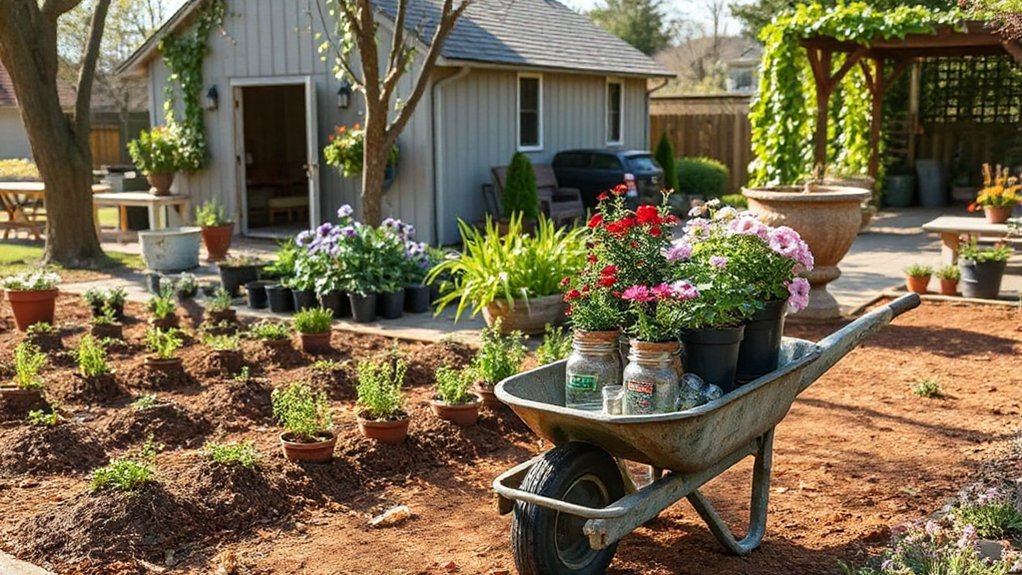
Budget-friendly plant swaps can keep your garden vibrant without breaking the bank. You can refresh color by trading overgrown or tired perennials for compact, high-contrast companions that thrive in the same light. Target plant groups with similar water needs to minimize maintenance and transplant shock.
Use container arrangements to test bold mixes on balconies or dry patios before committing to beds. Pair annuals with short-lived fillers to maintain ongoing color while you wait for new blooms.
Practice companion planting to deter pests and improve yield, swapping herbs or flowering companions that boost growth. Keep a simple ledger of what you swap, noting bloom times and spacing. Reassess after each season, replacing underperformers with space-efficient options.
Decide If You Need Help for a Bigger Refresh
First, check your time availability to avoid overcommitting and guarantee you can see a bigger refresh through.
Then, assess the project scope to decide what tasks you can handle yourself and where you should bring in help.
If needed, outline a realistic plan and timelines to keep the work focused and achievable.
Assess Time Availability
Assess your schedule to decide whether you need help for a bigger refresh. You’ll assess time availability by mapping your week, noting peak work blocks, and aligning tasks with daylight. Apply time management by prioritizing high-impact chores first, and use seasonal planning to anticipate weather gaps. If you’re short on windowed hours, consider delegating or batching tasks to fit your rhythm.
- Block core garden tasks into 2–3 focused sessions.
- Reserve one longer weekend window for kickoff and review.
- Schedule contingencies for weather and equipment issues.
Stay disciplined: track progress, adjust as needed, and avoid overcommitment. With precise planning, you’ll maximize output while preserving momentum and energy throughout the season.
Gauge Project Scope
Gauge the required scope upfront to decide if you need help for a bigger refresh. You’ll map tasks, costs, and timelines before any digging begins. Start with a clear list: soil prep, bed edges, irrigation, mulch, and plant revisions.
Assess your capacity for a complete garden design versus a phased approach. If you’re juggling multiple beds or complex irrigation, consider hiring help or collaborating with a designer.
Use seasonal planning to time deliveries and planting windows, minimizing waste and delays. Define decision points: what’s core, what’s optional, and what can wait.
Document constraints—budget, access, sun exposure. A precise scope prevents scope creep and aligns expectations.
This approach keeps your garden design focused and achievable, delivering visible improvements without overreaching.
Plan a Simple 6-Week Spring Garden Schedule
To plan a simple 6-week spring garden schedule, start by listing your priority crops and site constraints. Then map a timeline that aligns seed starts, transplant dates, and outdoor planting windows. You’ll keep momentum by clarifying milestones, checkpoints, and realistic weather allowances, ensuring Garden layout supports efficient care and harvests.
Focus on Pest management from day one: anticipate trouble spots, rotate crops, and set preventive steps before signs appear.
- Identify windowed plantings and compaction-free zones in your garden layout
- Schedule soil preparation, seed starts, and transplant dates with buffer days
- Outline daily tasks, weekly checks, and pest-prevention actions
This plan keeps you precise, practical, and proactive, delivering reliable spring results.
Frequently Asked Questions
How Do I Protect Pollinators While Refreshing the Bed?
Protect pollinators by avoiding pesticides and choosing pollinator friendly plants. When you refresh the bed, remove only the mulch and debris, then gently loosen soil without digging up nests.
Transplant or sow nectar-rich flowers, and leave some bare ground for ground-nesting bees. Water deeply at dawn, not mid-day.
Mulch lightly to retain moisture. You’ll attract beneficial insects, reduce stress, and support pollination while maintaining a healthy, orderly bed.
What Are Rapid Soil-Test Indicators I Should Check?
You should check rapid soil-test indicators like soil nutrient levels, pH balance, zinc, phosphorus, and potassium, along with soil texture and moisture. Use a home test kit or send samples to a lab for quick results.
If pH is off, adjust with lime or sulfur as needed.
Track nutrient ratios to avoid deficiencies or lockouts, and implement corrections promptly.
Keep records of amendments and re-test after 4–6 weeks for accurate decisions.
Which Low-Maintenance Blooms Suit Windy Sites?
Native grasses and drought-tolerant plants suit windy sites best. You’ll want sturdy, low-maintenance blooms like switchgrass, little bluestem, and prairie dropseed, plus hardy salvia and yarrow for color.
They tolerate gusts, reduce wind erosion, and require minimal care. Choose compact varieties, mulch deeply, and water deeply at roots first, then drought can do the rest.
With wind-forward selections, you keep a vibrant, resilient border that stays neat through shifting gusts.
How Can I Recycle Existing Mulch Effectively?
You can recycle existing mulch effectively by compost rejuvenation and smart mulch layering. Start by removing compacted debris, then turn this material into a loose mulch mix, adding small amounts of compost to boost nutrients.
Apply mulch layering in a 2–3 inch layer around plants, keeping it a few inches away from stems to prevent rot. Water thoroughly after application, and replenish annually.
This approach maintains soil moisture and feeds roots without waste.
What Irrigation Tweaks Maximize Spring Color With Less Water?
You’ll maximize spring color with efficient irrigation by delivering water at dawn, using drip lines, and enabling deep, infrequent soakings.
Adjust your system to avoid overhead spray on bloom beds, and schedule seasonal pruning to reduce stress while promoting vigorous growth.
Monitor soil moisture and set thresholds for irrigation pauses.
Balance nutrients through nutrient balancing, and tune fertilizer timing to support root systems.
This approach sustains color while cutting water waste.
Conclusion
You’ve got a solid plan to refresh your front bed and bring spring life back, with clear steps you can act on now. If results feel slow, remember gentle, steady care beats rushed fixes. Small, consistent improvements keep roots healthy and color lifting through the season. Don’t force outcomes—instead, steer expectations with smart, practical tweaks. A modest start today can quietly compound into a vibrant, resilient garden you’ll enjoy all spring, without the typical upheaval.