
Effective conflict management in mixed-tenancy HMOs starts with clear, visual rules and routines. Set upfront ground rules for long-term and short-stay tenants, use calendars, logs, and color codes to show who’s responsible for shared areas and maintenance. Establish a simple, step-by-step resolution workflow and rapid escalation paths. Regular audits and proactive check-ins prevent friction, while co-created policies adapt to changing mixes. Stay consistent with documentation and updates—more practical tactics await if you keep exploring.
Problem Focus: Why Mixed-Tenancy HMOs Breed Conflict
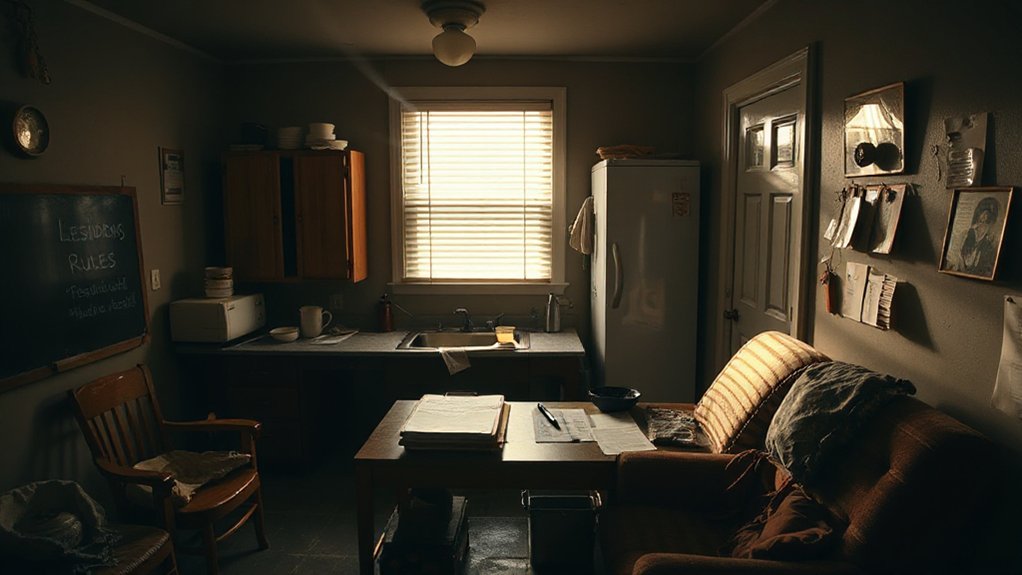
Mixed-tenancy HMOs collide when mismatched expectations meet shared spaces. You’re stepping into a scene where personal routines clash with common-area rhythms, and small irritations bloom into bigger tensions.
The core issue isn’t clock-watching or curfews; it’s perception and alignment. When tenants anticipate private haven while sharing kitchens, lounges, and chores, friction surfaces.
You’ll see battles over noise, cleanliness, and usage priorities before you see formal complaints. Center your approach on tenant communication: clear, frequent updates that acknowledge diverse schedules and needs.
Pair it with proactive Maintenance scheduling so repairs don’t become excuses for simmering resentment. Visualize the flow of daily life, map bottlenecks, and confirm expectations in writing.
With precision, you reduce guesswork and keep conflicts from spiraling.
Rights and Duties in Mixed-Tenancy HMOs: Long-Term vs Short-Stay Tenants
You’ll see how long-term tenants guard predictable spaces while short-stay guests bring fresh rhythms to the building.
Clarify the rights you owe them and the duties you expect in return, so everyone knows where boundaries sit.
Balancing these needs isn’t just policy—it’s a visual map for fair coexistence that reduces friction before it starts.
Rights for Long-Term Tenants
In mixed-tenancy HMOs, long-term tenants hold steady rights that protect routine living and predictable use of space, even as short-stay occupants come and go. You can expect stable access to your room, shared areas, and quiet enjoyment, plus clear notice about changes to building rules that affect you.
At the same time, you carry tenant obligations, including paying rent on time, respecting others, and reporting maintenance needs promptly. Your rights don’t shield you from reasonable shared responsibilities or safety checks, but they do guard against sudden displacement and unfair access.
Long-term tenants, together with management, shape a respectful living environment.
- Clear notice for rules changes and access
- Consistent maintenance reporting and response
- Fair handling of shared resources and quiet hours
Duties of Short-Term Guests
Short-stay guests bring energy and turnover to the building, but they don’t escape shared-responsibility rules. You’ll set clear expectations through short term agreements, so everyone understands conduct, noise limits, and trash disposal from day one.
Visual dashboards or quick checklists make duties plain: where to park, how to use common spaces, and how to report maintenance needs. You’ll outline guest responsibilities to protect residents, landlords, and the property’s integrity without creating a fortress of rules.
Insist on considerate behavior during late hours and prompt complaint resolution processes to prevent small frictions from souring relationships. Documented guidelines, simple responses, and consistent enforcement help maintain harmony, clarity, and predictable turnover for short-term stays within a shared framework.
Balance Between Tenants Rights
How can a mixed-tenancy HMO fairly balance the rights and duties of long-term and short-stay tenants? You create clarity through shared rules that protect Tenant privacy while acknowledging short stays’ need for flexibility.
Establish clear access windows, consistent maintenance routines, and documented responsibilities so everyone sees the ground rules, not surprises.
- Respect for privacy: designate private zones, agreed quiet hours, and notice before entry
- Maintenance responsibilities: assign tasks by area and tenure type, with transparent scheduling
- Conflict resolution: rapid, documented processes that debrief after incidents and adjust policies
Visual cues, checklists, and photos help you track compliance and outcomes. With pragmatic boundaries, you reduce friction, protect rights, and keep the space functional for both long-term residents and short-stay guests.
Establish Upfront Ground Rules for Every Tenant
Clear tenancy guidelines reduce guesswork and protect relationships when stress spikes. Emphasize tenant communication: designate a single channel for issues, acknowledge receipts, and set realistic response times.
Build in dispute escalation paths early, so concerns go to a neutral facilitator before simmering. Visual dashboards tracking tasks, repairs, and arrivals help everyone stay aligned.
With predictable processes, you’ll minimize surprises and foster accountability, making complex, mixed-tenancy living more harmonious.
Create a Simple, Step-by-Step Conflict-Resolution Workflow
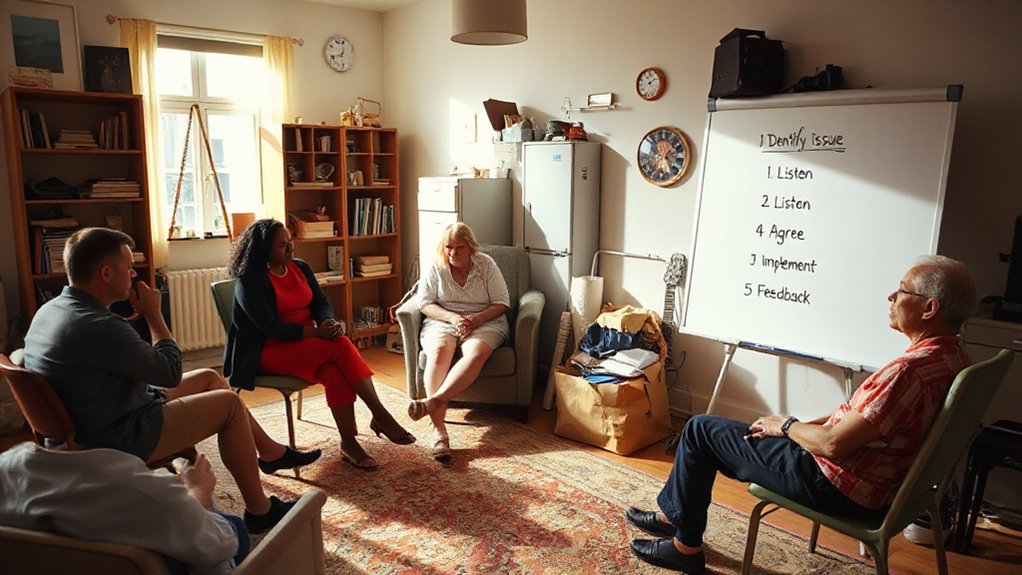
You can spot conflict triggers quickly when you map daily interactions and boundary points across common spaces.
Then you’ll implement quick, repeatable steps—gather facts, pause, propose a fair solution, and confirm agreement—so tensions don’t stall the day.
This visuals-first workflow keeps everyone aligned, from intake to resolution, and makes escalation only a last resort.
Identify Conflict Triggers
Conflict triggers are the early signals you can’t ignore: patient complaints, coverage denials, or misaligned expectations that quietly spark tension between members and providers.
Identify triggers quickly, then map how they unfold in your shared space. Visualize the flow: tenant behavior, maintenance issues, and policy gaps collide to create friction.
Your job is to spot patterns before they amplify, and to document them so everyone agrees on the root cause.
- Tenant behavior patterns that stress routines
- Maintenance issues that recur or escalate
- Policy or communication gaps that leave people guessing
Implement Quick Resolution Steps
When a dispute starts to fizz, map a fast, practical path forward with a simple, step-by-step workflow: identify the core issue, assign ownership, and set a tight timeline for a resolution.
You begin by naming the exact grievance in one clear sentence, then tag who’s responsible for the fix. Next, allocate a concrete due date and a brief check-in point to confirm progress. Visualize the flow: issue → owner → action → deadline → follow‑up.
Use direct, respectful language to preserve Tenant autonomy while aligning expectations. Document decisions in an accessible log, and reference Maintenance protocols to validate steps.
If the clock runs out, escalate succinctly and reassign tasks to avoid stalemates. The result is a transparent, actionable path that preserves harmony and momentum.
Set Clear Boundaries for Shared Facilities
Shared facilities can spark tension, but you can curb clashes by setting clear boundaries from day one. When you define access, timings, and cleanup expectations, you create a visual map that reduces ambiguity and stress. Use a simple floor plan or color cues to reinforce rules, and keep them visible near the hub of activity.
Boundary setting should be fair, transparent, and revisited after move-ins or repairs.
- Access schedules that reflect peak usage and personal needs
- Clear cleaning duties and supply replenishment
- Quiet time windows and guest policies
Document agreements in writing, share updates promptly, and enforce with consistency. This approach keeps Shared facilities functional, minimizes conflict hotspots, and supports harmonious tenancy.
Fair Playbook: Rules on Noise, Occupancy, and Guests
Think of your shared space as a live map: clear Noise Boundaries And Hours, simple Occupancy And Stays Rules, and straightforward Guest Access Guidelines that keep the flow smooth.
You’ll reduce friction by showing what’s allowed, when, and for whom, with visuals like signposts and checklists that everyone can follow.
This is your kickoff to a practical, respectful framework that keeps harmony in reach and conflicts from flaring up.
Noise Boundaries And Hours
Noise boundaries aren’t just about quiet hours—they’re about predictable rhythms that respect every resident’s daily heartbeat. You set clear thresholds, communicate them visually, and enforce calmly. When noise creeps, you reference the rule and offer a quick adjustment rather than a confrontation.
You’ll see fewer conflicts because boundaries feel fair, not punitive, and quiet hours become a shared routine rather than a threat.
- Define times, volumes, and amplification limits with simple signage
- Align on quiet hours that reflect work, study, and rest cycles
- Establish a friendly escalation path for exceptions and feedback
Visuals, not rhetoric, drive compliance: color-coded calendars, audible alerts, and mapped “noise zones.” You’ll create balance where noise boundaries become routine, not a battleground. Noise boundaries, Quiet hours.
Occupancy And Stays Rules
Occupancy and stays aren’t about policing rooms; they’re about predictable, fair access that respects every resident’s space and schedule. You set clear limits on how long guests stay, how often they visit, and where they can be hosted, tying rules to safety, maintenance, and study or work needs.
Visuals help: a simple chart, color-coded days, and a keep-to-two-nights-per-week guideline that’s easy to remember.
You’ll lean into tenant engagement, inviting residents to co-create the policy so it feels fair, not punitive.
When disputes arise, use a structured process: document concerns, encourage direct dialogue, and escalate only after informal efforts fail. This keeps the community cohesive and minimizes friction, ensuring stays align with shared rhythms and responsibilities.
Guest Access Guidelines
From clear stays to clear access, this section maps out who can be around, when, and where. You’ll set clear guest expectations to minimize friction, with practical rules that scale across tenants and common areas.
Focus on transparent screening and sensible access restrictions to protect privacy, safety, and property rhythm. Visual cues help: door notices, color-coded passes, and calendar markers show who’s in or out at a glance.
You’ll encourage responsible hosting while safeguarding neighbors from late-night disruption and overcrowding. Implement simple, repeatable checks that organizers and residents can follow, so conflicts don’t escalate.
- Guest screening protocols
- Access restrictions boundaries
- Notification and approval workflows
Communicate Policies With Reminders and Records
Clear policies don’t just sit in a binder—they guide daily choices. You’ll keep disputes smaller by sending clear reminders that tie rules to everyday living: quiet hours, waste separation, common-area use.
Use visuals—color-coded posters, simple flowcharts, checklists—to make expectations stick without nagging. For tenant engagement, invite quick feedback and acknowledge receipts of reminders, then log responses to build a transparent record.
When conflicts arise, a dated memo or digital notice shows you followed a process and gave fair opportunities to respond. Records support dispute escalation: you can trace who received what, when, and how issues progressed.
Maintain consistency by batching reminders (weekly digest, monthly renewal), reduce ambiguity, and reinforce accountability across all households.
When to Involve Mediation or Legal Guidance

When a dispute stretches beyond what internal reminders and documented processes can resolve, it’s time to bring in mediation or legal guidance. You’ll benefit from a neutral facilitator who clarifies interests, uncovers hidden stakes, and drafts a workable path forward.
Mediation techniques focus on collaboration, not confrontation, helping everyone feel heard and preserve tenancy relationships. If risk or legality looms, legal procedures ensure enforceable outcomes and proper documentation.
- Choose a qualified mediator or attorney with HMO experience and a clear scope.
- Prepare objective records, timelines, and desired outcomes to inform discussions.
- Establish ground rules, a confidential setting, and a realistic timeline for resolution.
Documentation That Protects Everyone: Templates and Logs
Documentation saves reputations and reduces disputes by giving everyone a clear, verifiable trail. In this topic, you’ll build practical templates and logs that anchor decisions, actions, and expectations.
Use simple forms for move-in checklists, incident reports, and repair requests so tenants and staff can see what happened, when, and who’s responsible. Visuals matter: checklists with stamped dates, color codes for status, and photo timelines illuminate progress at a glance.
Align templates with tenant engagement by inviting feedback on forms and clarifying response times, so concerns aren’t buried.
For maintenance coordination, log openings and closures of tasks, track parts, and note follow-ups. Consistent records reduce confusion, speed resolution, and protect everyone—from residents to managers.
Proactive Conflict Prevention: Routines to Reduce Friction
To prevent conflicts before they start, establish simple routines that keep communication open and expectations aligned. You build trust by framing daily interactions as shared problem-solving rather than judgments, and you surface issues before they escalate. Visual tools help: color-coded calendars, visible contact points, and a shared log of decisions.
You’ll notice smoother tenant interaction when roles are clear and responses are timely, reducing ambiguity and friction.
- Maintain a transparent tenant interaction protocol with defined response times
- Schedule proactive catch-ups and shared maintenance windows to align expectations
- Use a living maintenance scheduling board that everyone can see and update
These practices create predictability, lower stress, and keep the workflow in flow.
Compliance Essentials for Mixed-Tenancy HMOs

Managing Compliance Essentials for mixed-tenancy HMOs demands clear, actionable steps rather than heavy rules. You map responsibilities, document standards, and keep processes visual: checklists, dashboards, and color-coded timelines.
Begin with licensing and safety basics—fire doors, emergency lighting, gas checks—tied to a simple calendar so you can spot gaps at a glance.
Keep tenancy records up to date and accessible, with privacy considerations clearly outlined.
Implement uniform house rules for shared spaces to prevent drift, and publish a short, plain-English compliance guide for all tenants.
You’ll strengthen Community engagement by inviting periodic tours and feedback sessions.
Prioritize tenant feedback to refine procedures, closing loop with transparent updates.
Regular audits end with quick fixes, not excuses, ensuring consistent compliance.
Evolve Rules as Tenancy Mix Changes
As tenancy mix shifts, your rule set should flex, not fracture. When new occupants arrive, assess how responsibilities, noise thresholds, and access rules align with the evolving culture of the home.
Elevate clarity by codifying expectations in simple, visual terms—checklists, diagrams, and short quotes that capture daily living rhythms. Use tenant screening to validate compatibility, balancing safety with fairness, and adjust screening criteria as mix shifts.
Implement lease customization where needed: flexible payment windows, overlapping move-in dates, and modular rules for shared spaces. Communicate changes promptly, with concise explanations and real-world examples.
Keep a living handbook that reflects current realities, empowers tenants, and reduces friction.
- Review criteria with every significant tenancy shift
- Align rules to shared spaces and routines
- Update the lease to reflect new expectations
Frequently Asked Questions
How Do I Handle Mixed-Tenancy Conflicts With No Eviction Risk?
You handle mixed-tenancy conflicts by prioritizing proactive conflict resolution and clear Communication strategies; you set ground rules, listen actively, and document agreements, using visuals to illustrate expectations. You build trust, de-escalate tensions, and seek collaborative solutions.
Are There Tenancy-Type-Specific Limits on Shared Resources?
Yes—there aren’t universal tenancy-type limits on shared resources, but you should set clear rules. You’ll manage Shared resource allocation thoughtfully, and prioritize Tenant communication, using visuals to illustrate caps, flows, and fair access, with satirical, insightful pragmatism.
What Records Are Legally Required for Multi-Tenant Homes?
You need to keep legal documentation updated and accessible, including tenancy agreements and notices, while ensuring privacy compliance across tenants. Stay visually organized with checklists and dashboards so you can verify records quickly and avoid compliance gaps.
How Often Should Rules Be Reviewed and Updated?
Like Icarus learning from the sun, you should review rules annually and adjust as needed. You’ll improve tenant communication and policy flexibility, keeping visuals clear and practical so everyone understands changes quickly and acts with confidence.
Can Guests of One Tenant Affect Another’s Rights?
Yes—guests can affect another’s tenant rights when their behavior disrupts shared spaces or safety. You should document incidents, set clear guest rules, and address violations promptly to protect everyone and maintain a respectful, visuals-driven, pragmatic environment.
Conclusion
You’ll keep harmony by nailing the basics: clear ground rules, a simple conflict workflow, and clean boundaries for shared spaces. Stay proactive with routines that prevent friction, document decisions, and adapt as tenancy mixes shift. When tensions rise, address them early, with empathy and structure, so problems don’t snowball. It’s not luck—it’s a well-tuned machine: you set the tempo, they follow the rhythm, and the garden grows. You’re steering a calm ship through a crowded harbor.