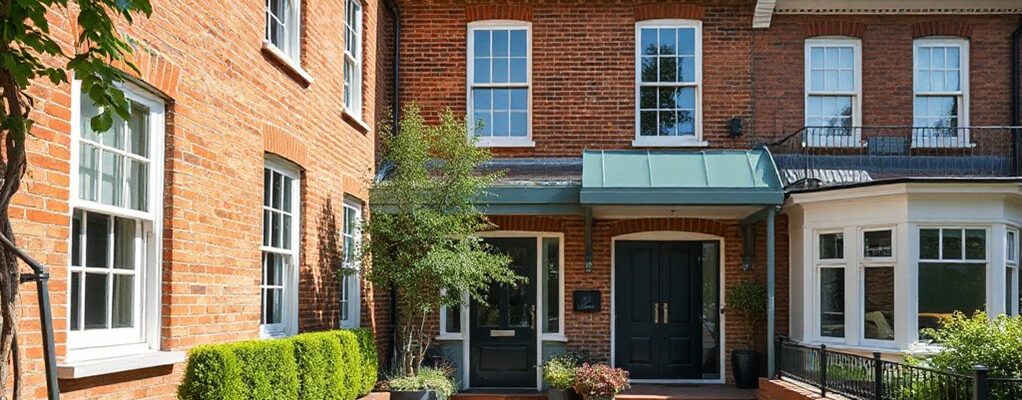
Like a familiar doorway opening to a familiar street, your Victorian terrace invites restraint as you plan its future. You’ll need to balance warmth with heritage, keeping sash windows and plaster mouldings intact while upgrading for comfort. Think discreet insulation, efficient heating, and period-inspired finishes that sit gently beside brickwork patterns. Start with a clear plan, budget, and phased steps, then let the details guide you toward a home that honors the past while feeling deliberately modern—but there’s more to take into account.
What Makes a Victorian Terrace Special
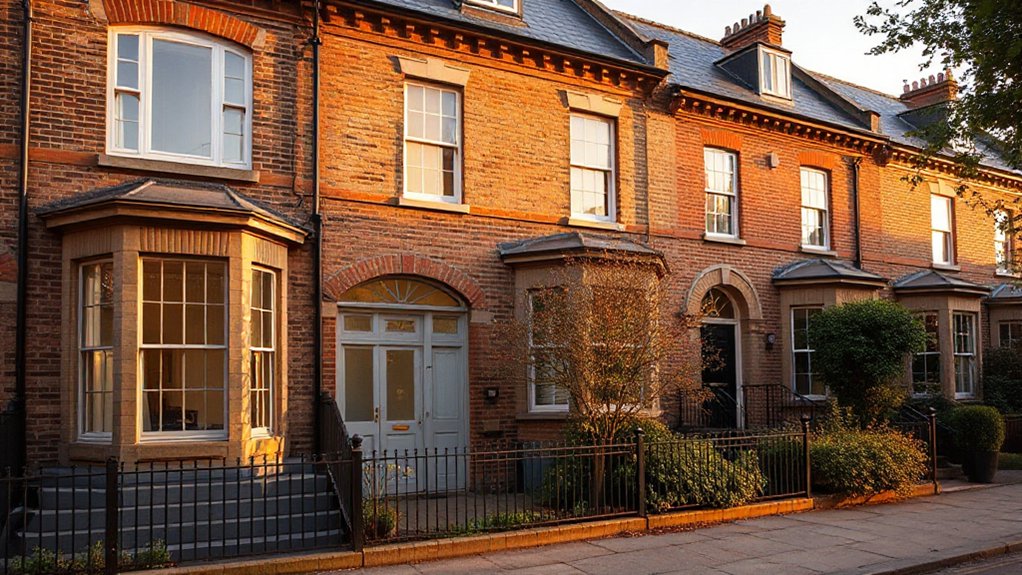
Victorian terraces endure because they fuse practicality with character. You sense their appeal in the rhythm of narrow fronts, brickwork patterns, and orderly row housing that once defined urban life. You feel Victorian craftsmanship in the details—timber cornices, plaster ceilings, and proportioned rooms shaped for family routines, work, and sociability.
Historic charm isn’t just nostalgia; it’s a record of evolving tastes, from sash windows to decorative tiles, that still guides today’s renovations. You notice how the plan fosters intelligible circulation, light, and adaptable spaces, inviting you to layer modern comforts without erasing memory.
Your respect for era-specific materials and methods helps sustain authenticity. By valuing restraint and craft, you preserve a living link to a resilient urban tradition.
How to Assess Structural Stability and Decorative Features
Evaluating structural stability and decorative features starts with a clear, spine-like plan: you map load paths, inspect masonry joints, and verify timber integrity before you value the ornate details.
You assess bearing walls, lintels, and floor plates for signs of movement, cracks, or rot, then compare findings with historical plans to respect proportion and rhythm.
Foundation inspection surfaces as a priority: check for settlement, damp, and soil conditions that threaten stability and longevity.
Note decorative features in tandem—cornices, friezes, and plaster work—ensuring attachments won’t jeopardize early workmanship.
You document material durability thoughtfully: identify timber species, brick quality, and mortar compatibility.
This disciplined approach preserves authenticity while guiding sensitive modernization, balancing structural reliability with the curated elegance that defines a Victorian terrace.
Prioritize Warmth and Efficiency Without Compromising Character
To boost warmth and efficiency without erasing character, start with a tight envelope: seal gaps, upgrade insulation, and choose historically sympathetic materials that respect the terrace’s fabric. You’ll treat walls, roofs, and floors as a continuous skin, blending modern performance with archival craft.
Prioritize Historic preservation by selecting treatments and finishes that age gracefully, avoiding conspicuous contrasts. Use efficient, discreet heating strategies—radiant floors, zoned heat, and controllable thermostats—so comfort rises without overhauling historic rooms.
Improve airtightness through precise flashing and well-fitted sash windows, while preserving their proportions and panes. Opt for high-performance yet reversible enhancements, ensuring future operators can re‑install in baseline conditions.
Remember: energy efficiency supports character when decisions honor construction methods, materials, and the terrace’s authentic narrative.
Maximizing Light and Flow: Openings, Stairs, and Circulation
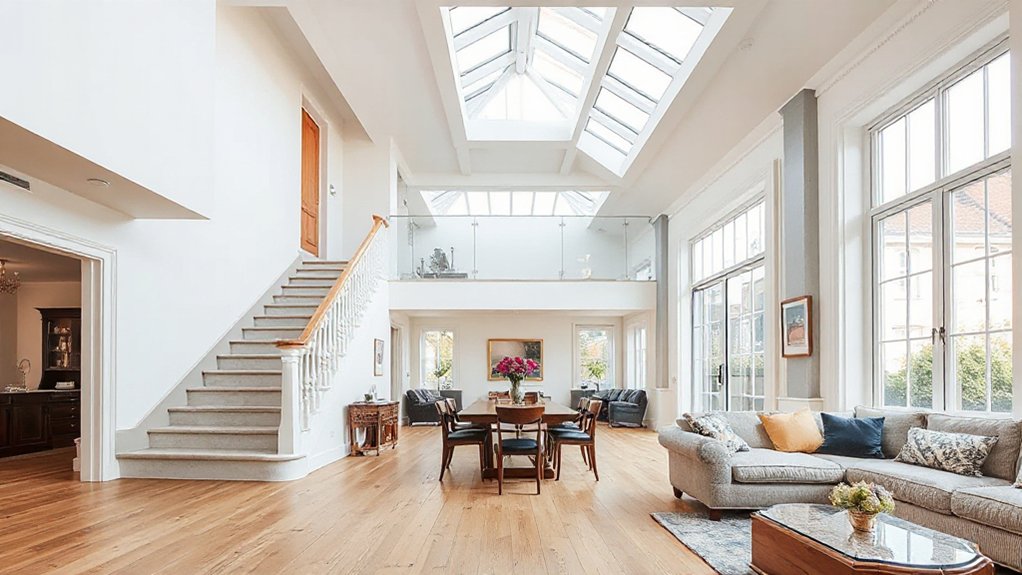
How can you illuminate a terrace without erasing its soul? You’ll balance openings, stairs, and circulation to sustain architectural harmony while boosting daylight.
Choose proportionate sash or bay windows, and align spacings with the original rhythm to respect the façade’s honesty. Light wells, skylights, and thoughtful clerestory placements can bring bright, diffuse light deeper into rooms without glare.
Stairs should connect flows gracefully, with treads sized for safety and landings that don’t interrupt sightlines. Consider glass balustrades or open risers to preserve openness while maintaining containment.
Circulation zones stay clear of clutter, guiding movement with careful alignments to doors and corridors.
Implement lighting strategies that emphasize texture—warm hues near timber, cooler tones in service areas—yet never overpower historical details.
Prioritize humane daylight, precise geometry, and quiet, respectful passages.
Preserving Plasterwork, Mouldings, and Timber Details
You’ll want to identify and preserve key plaster details, keeping profiles and textures true to their original craft.
Maintain timber ornament by repairing rather than replacing, and document any work to respect the building’s history.
As you restore, aim for moulding integrity that reinforces structure while honoring the Victorian character.
Preserve Plaster Details
Preserving plaster details, mouldings, and timber accents isn’t about nostalgia alone—it’s about safeguarding the building’s integrity while keeping its character intact.
You approach plaster with respect, evaluating cracks, delamination, and render finish before you touch aesthetics. Prioritise stabilising surfaces, pinning loose corners, and using compatible repair compounds that breathe with the wall.
When you restore, aim for minimal intervention, retaining original profiles, gauges, and tool marks. The craft focus matters: preserve the rhythm of decorative cornices and friezes, and celebrate their artistry.
Seek authentic materials that match the period, avoiding overplastering that dulls depth. Document every change, so future caretakers grasp intent.
In practice, you balance preservation with gentle modernization, letting Artistic plasterwork and Decorative cornices inform you how to honour history while enhancing everyday life.
Maintain Timber Ornament
Timber ornament requires careful stewardship alongside plasterwork and mouldings, because timber is a living material that records age as clearly as any carved frieze. You keep decorative trim and structural timbers intact by evaluating condition first, noting joinery, nails, and finishes without overzealous intervention.
Respect original profiles, reveal grains, and avoid unnecessary stripping that harms patina. When cleaning, use gentle solvents and soft brushes, never harsh abrasives.
Repair rather than replace: match species, density, and curvature, crafting new pieces to sit invisibly within historic lines. Maintain paint layers that reveal historic colours, but don’t conceal the grain’s story.
Document treatments and date changes for future caretakers. You’ll preserve timber ornament as a living heritage asset, harmonising today’s needs with yesterday’s craftsmanship.
Restore Moulding Integrity
Restoring moulding integrity means treating plasterwork, mouldings, and timber details as a single, interdependent system. You approach repairs with reverence for original layering, patina, and profiles, avoiding quick fixes that sever connections between elements.
Begin by evaluating structural stability, then map where plaster, timber, and decorative cornices interact, so replacements mirror the historic logic rather than isolated patches. Use traditional craftsmanship to reproduce profiles by hand, preserving the fluid transitions between ceiling and wall interfaces.
Where decay exists, conserve first; rebuild only where necessary, matching material textures and weight distribution to the existing fabric. Embrace decorative techniques that respect scale and rhythm, ensuring rhythm remains legible.
Your aim is seamless integration, maintaining authenticity while enabling modern use and improved durability.
Modern Comforts That Respect Scale and Proportion
You can introduce modern comforts without overwhelming the house’s scale, prioritizing gentle integration that sits alongside original details. Focus on proportionate upgrades that read as part of the fabric, not afterthoughts, so every room retains its historical rhythm.
Think calibrated spatial comfort: practical improvements that respect the proportions, materials, and timberwork that define the terrace.
Gentle Scale Integration
Choose compact appliances, appropriately sized furniture, and discreet storage that don’t shout for attention. When you mix in period furniture, let it anchor the space, while contemporary comforts hide behind doors or within skirting drawers.
Focus on proportion, sightlines, and tactile restraint—avoid bulky silhouettes that steal air from narrow staircases or low ceilings. Maintain historical accuracy by selecting finishes, trims, and hardware that nod to the era without mimicking it naïvely.
Balance modern conveniences with retention of character, ensuring every update feels like a natural, respectful step forward.
Proportionate Modern Upgrades
Prioritize proportions that echo the house’s bay, chimney stacks, and sash rhythms, so upgrades feel inevitable rather than invasive. When choosing materials, favour tactility and patina that align with historical context, avoiding glossy anachronisms.
Electrical and plumbing updates should be discreet, hidden within original walls or cabinets, preserving the visible silhouette. For lighting, opt for warm, low-profile fittings that reinforce architectural lines rather than overpower them.
Emphasize architectural authenticity and historical accuracy in finishes, textures, and fixtures, so modern comfort remains legible as an integral part of the terrace’s story.
Calibrated Spatial Comfort
You choose innovative technology that enhances daily life while staying quiet about itself, so the façade remains legible and the ceiling heights feel celebratory, not crowded. Storage and seating are sized to echo the Victorian footprint, reducing clutter and preserving proportion.
You approach interior styling as a study in restraint, blending period details with subtle contemporary touches. Temperature, lighting, and acoustics become refined tools, supporting human pace without erasing character or context.
Finishes and Color Palettes That Honour the Era
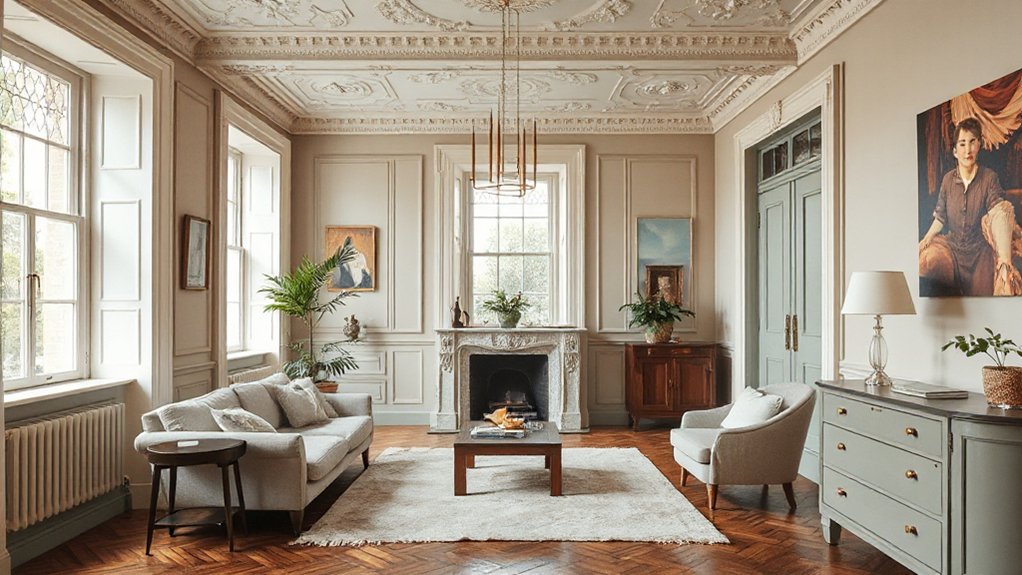
To honour the Victorian era, choose finishes and color palettes that celebrate craftsmanship and material truth: hard-wearing wallpapers with period patterns, timber floors finished in warm hues, and plaster walls with subtle, soft textures. You’ll feel the room grounded in history, yet comfortable for today’s living.
Prioritize Victorian craftsmanship in detailing—crown moldings, bevelled glass, and radiused edges—so the space reads as a deliberate homage, not a pastiche.
For color, lean into earthy tones, oxbloods, muted greens, and coal-dust grays; pair with restrained metallics to echo period authenticity.
Use natural materials where possible—linen, wool, stone—to reinforce texture and depth.
Avoid loud contrasts; let patina do the talking, and let every surface tell a quiet, enduring story of workmanship.
Planning, Budgeting, and Phased Renovations for Character Integrity
You’ve chosen finishes and color palettes that honor the era; now it’s time to map how you’ll implement them without losing character. You begin with a phased plan that respects structural limits and heritage constraints.
Prioritize visible upgrades first, like efficient lighting, drafts sealed, and authentic hardware where possible. Budget with clear line items: permits, contingencies, and long‑term maintenance, so limits don’t derail your timeline.
Use Eco friendly materials where feasible to reduce embodied energy while safeguarding period feel. Schedule utility upgrades during off‑peak windows to minimize disruption.
Integrate Smart home technology thoughtfully—voice controls for comfort, but discreetly to preserve detailing. Document changes for future historians and owners, ensuring each phase supports character integrity while delivering modern convenience.
Frequently Asked Questions
How Can I Retrofit Insulation Without Damaging Original Plasterwork?
Yes, you can; use cavity or exterior insulated panels, blown-in cellulose, or breathable lime plasters, all with minimal risk to plasterwork. Prioritize Eco friendly upgrades, protect historical preservation, and document methods for future stewardship and fidelity.
Which Modern Materials Suit Victorian Detailing Best?
Like a careful loom, you weave choices—you should use slim-profile aluminum or fibre cement for Victorian ornamentation, prioritizing Modern sustainability. You pick materials that respect scale, texture, and detailing, ensuring durability, warmth, and fidelity to historic craft.
What Are Affordable Phased Renovation Strategies for Period Homes?
You implement affordable, phased renovation strategies by prioritizing Historic preservation and Budget planning, tackling essential structural updates first, then decorative details, all while maintaining historical fidelity, using craftsman-focused choices, careful material selection, and sensitive, incremental improvements.
How Do I Balance Open-Plan Living With Heritage Constraints?
Balance open-plan living by zoning with careful mezzanines or screens, you preserve heritage while expanding space. Use interior lighting to highlight architectural details, and integrate garden landscaping that echoes era materials to maintain contextual sensitivity and craft focus.
Can I Upgrade Heating Without Altering Exterior Silhouette?
You can upgrade without altering the exterior silhouette. Picture a quiet heartbeat: Smart thermostats and eco friendly radiators hum gently, keeping comfort tucked inside. You’ll preserve character, while modern systems whisper efficiency and adaptive heating throughout the home.
Conclusion
As you modernise, you’ll hear the house speak—its timber sighs, plaster exhale, a quiet welcome to your new comforts. By honouring scale, preserving mouldings, and tucking discreet insulation into its bones, you keep the story intact while inviting light, warmth, and ease. Your strategy, paced and respectful, becomes a bridge between eras. Picture a home that breathes easier, retains its character, and ages gracefully with you—timeless, restrained, and wonderfully lived-in.