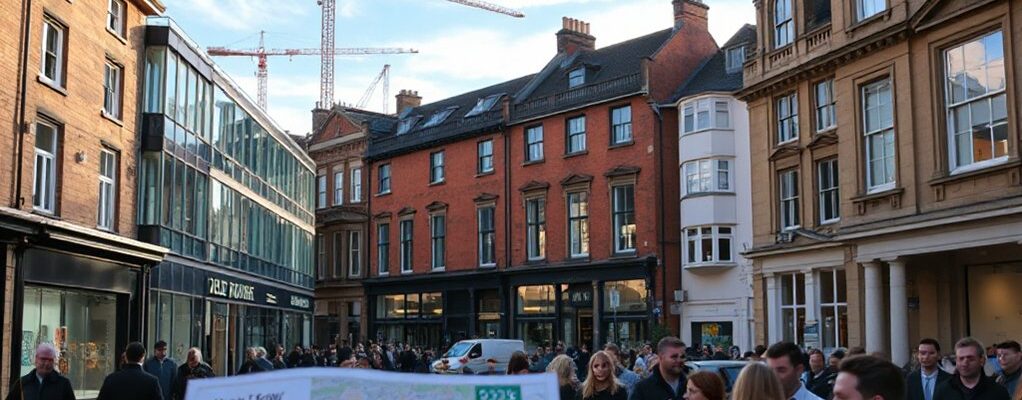
You’ll see Belfast’s 2026 market shaped by rising demand from population and wages, with central and transit-accessible areas drawing interest. Supply tightens as new builds focus on affordable, flexible, and sustainable homes, backed by infrastructure like rapid transit. Investment stays robust in mixed-use and regeneration zones, while tenants seek energy-efficient, amenity-rich options. The question is how these dynamics converge to shape prices, rents, and opportunities across the city core and beyond.
What Is Driving Belfast’s 2026 Demand for Homes

Baltic Belfast’s housing demand in 2026 is being propelled by a mix of steady population growth, a surge in gross domestic product per capita, and increasingly attractive rental yields.
You’ll see demand concentrated in central and inner-ring wards, where transit access and amenity density are strongest. Urban renewal programs intensify this pattern, transforming aging stock into higher-quality rental options and boosting leasing velocity.
Cultural shifts influence tenant preferences toward compact, low-maintenance homes with flexible layouts, aligning with work-from-anywhere trends and shorter commutes.
Vacancy rates tighten as household formations outpace new stock, pushing effective rents higher across multiple submarkets.
Regional data show rental yields exceeding pre-pandemic levels in several corridors, while price-to-rent ratios remain supportive of continued investor activity amid stable job growth.
Supply Dynamics: New Builds, Stock Levels, and Availability
You’ll see how the New Builds pipeline feeds supply across Belfast, with current project completions and planned starts mapped by area.
Stock level trends show where housing remains tight or loosens, backed by quarterly metrics and vacancy rates.
Availability by area highlights regional gaps, informing buyers and developers where demand outpaces supply next.
New Builds Pipeline
The Belfast new builds pipeline remains the primary driver of supply, with current projections showing steady additions over the next 12–18 months. You’ll observe a measured uptick in completions across central, south, and east Belfast, totaling roughly 3,200 units by year-end 2026.
Urban infill is delivering two-thirds of new stock. Luxury apartments account for about 38% of planned deliveries, signaling continued demand concentration in higher-density corridors.
Construction start activity remains robust, supported by regional incentives and streamlined permitting. However, land-use constraints temper the pace in inner-city districts.
Stock absorption aligns with rent stabilization efforts, averaging 0.9 to 1.2 months of carry per quarter in core areas.
Heritage conservation requirements shape design scopes, nudging unit mix toward adaptable layouts and integrated amenity spaces.
Stock Level Trends
Stock levels across Belfast are tightening in line with the new builds push, yet availability remains skewed toward select corridors. You’ll see stock levels compress in central and inland corridors, while fringe neighborhoods retain higher intake times.
The current traction shows a steadier stock turnover in established transit zones, reflecting faster buyer cycles and price-resilient demand. Market saturation appears uneven by submarket, with several precincts reporting shorter absorption periods than 90 days, while others extend beyond 120 days, signaling fragmented demand.
New builds contribute to marginal gains in total inventory, but only where velocity aligns with buyer intent. Overall, supply dynamics point to disciplined, corridor-led expansion rather than citywide abundance, as developers prioritize projects with calibrated scale, speed-to-market, and predictable returns.
Availability by Area
What does the availability by area look like when you factor in new builds, stock levels, and overall supply health across Belfast?
Across the city, supply dynamics show mixed momentum. New builds concentrate in Historic neighborhoods and upcoming corridors, delivering a measured uptick in active listings but not enough to fully rebalance demand.
Stock levels vary by district: inner-city boroughs exhibit lean inventories, while suburban zones report modest increases driven by planned developments.
Overall supply health remains cautious, with vacancy-adjusted metrics improving only where completions outpace absorption.
Luxury developments contribute to headline inventory in select pockets, yet absorption rates lag, leaving longer negotiation windows in some areas.
For buyers, expect tighter markets near regeneration sites and more breathing room on the periphery where infrastructure aligns with growth forecasts.
Prices and Rents Outlook: Affordability in Belfast 2026
Affordability in Belfast 2026 hinges on a tight link between incomes, mortgage costs, and rental yields: if wages keep pace with price growth, monthly housing expenses should stabilize. But any sustained price uptick or interest-rate shift could squeeze wallets.
In this outlook, housing affordability sits at a regional inflection point, with the median house price growth tracking below inflation in some outer boroughs yet outperforming in central zones.
Mortgage rates influence first-time buyer entry, while rental affordability matters for households shifting to rental tenure or shared accommodation.
Historical trends show wage growth moderating, pressuring budget allocations toward housing.
Expect gradual normalization in monthly costs, contingent on sustained income gains and stable lending conditions, with cautious upside risk if price momentum accelerates.
Investor Activity and Regulatory Impacts in Belfast
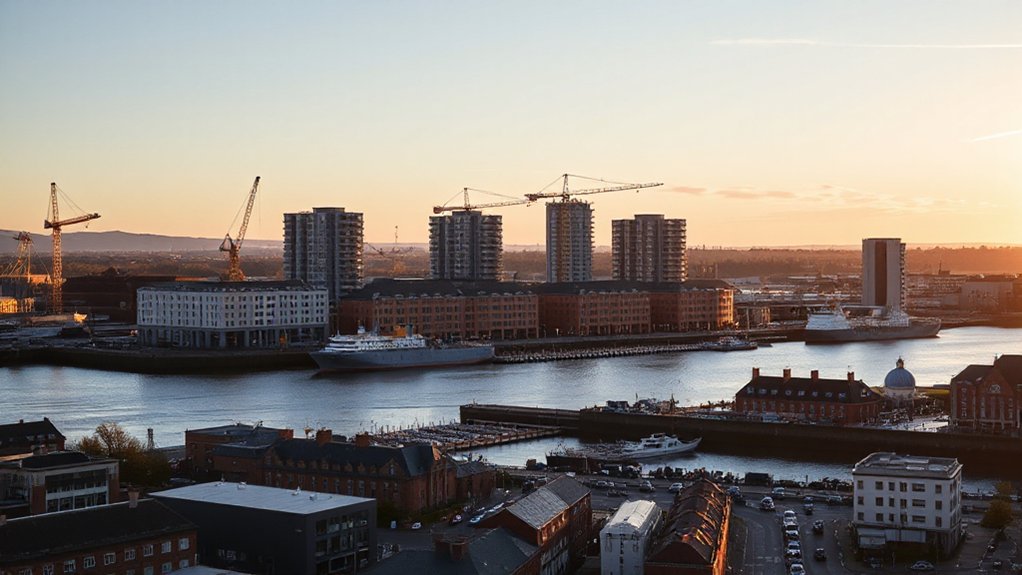
Investor activity in Belfast is shaping price dynamics and occupancy patterns as we move into 2026. You’ll see transaction velocity near 6–8% annual turnover among commercial and multifamily assets.
With prime office yields stabilizing around 4.2% and residential cap rates holding in the 4.5–5.0% band. Regulatory reforms are tightening oversight on debt diligence, lowering leverage at higher price points, while preserving liquidity for value-add plays.
In practice, you’ll notice more institutional capital targeting mixed-use schemes in central belts and fringe neighborhoods, driven by clearer disclosure standards and phased permitting timelines.
Investor incentives, including accelerated depreciation and tax credits for energy retrofit projects, are aligning with Belfast’s rapid ward-level regeneration cycles, reinforcing bias toward higher-quality assets with long-term rent resilience.
Tenant Trends and Living Preferences for Belfast Rentals
Tenant preferences in Belfast rentals are shifting toward flexibility, quality, and location-driven value, with data indicating a preference for properties near transit, amenities, and regeneration corridors. You’ll see rising demand for modern layouts, energy efficiency, and smart-home features that streamline daily life.
Metrics show a clear tilt toward short-to-midterm leases, with landlords offering flexible renewal options and rent clarity to reduce turnover.
Regional data highlights higher occupancy in transit-accessible neighborhoods within Belfast City Centre and surrounding regeneration zones, where amenity density correlates with premium pricing.
Pet friendly accommodations remain a differentiator, attracting households seeking longer tenancies.
Modern living preferences converge on low maintenance, high design standards, and service-oriented properties, signaling a shift toward quality over sheer proximity alone.
Infrastructure, Jobs, and Area Opportunities in Belfast
Belfast’s infrastructure and job landscape are shifting toward enhanced connectivity, diversified employment hubs, and targeted area development that collectively drive regional growth. You’ll notice transport development priorities expanding rapid transit links, upgraded roads, and smarter last-mile options around key districts, improving commute times and workforce access.
Data shows Northern Ireland’s agglomeration effects concentrating talent in Belfast City Centre, Titanic Quarter, and Belfast Harbour, with growth in professional services, tech, and creative sectors.
Area opportunities arise where regeneration funds target mixed-use schemes, campus-style developments, and affordable housing near transit nodes, aligning with housing demand and wage growth.
Cultural attractions continue to fuel visitor economy and spill into local demand for hospitality and retail roles, reinforcing a resilient, metrics-driven employment mix.
Frequently Asked Questions
How Will Brexit Continue to Affect Belfast Property Demand Post-2026?
Brexit will continue shaping Belfast property demand post-2026, you’ll notice sustained foreign investment and competitive rental yields. You’ll track regional metrics, with Foreign investment stabilizing and rental yields improving as cross-border trade patterns tighten and demand concentrates.
Which Neighborhoods Are Most Likely for Capital Appreciation in 2026?
You’ll see capital appreciation in central Belfast’s revitalized pockets and outer growth corridors, driven by neighborhood revitalization and luxury developments, with metrics indicating rental yields rising 4–6% and price per square foot up 8–12% in target districts.
How Do Climate Policies Shape Belfast’s Housing Development?
You’ll see climate regulations push Belfast’s housing development toward higher efficiency standards, durability, and retrofit markets. You adopt metrics-driven planning, prioritizing Sustainable urbanization through performance data, energy audits, and regional compliance rates shaping timelines, costs, and project zoning.
What Are Hidden Costs Beyond Stamp Duty for Buyers in 2026?
You’ll face additional costs beyond stamp duty, including property taxes and legal fees, with roughly 0.8% annualized property tax burden and typical solicitor costs around £1,000–£2,000, impacting your total 2026 housing budget and cash flow.
How Will Rising Interest Rates Impact First-Time Buyers in Belfast?
Rising rates will tighten affordability for you, slowing mortgage approvals. You’ll see stricter lending criteria and tighter debt thresholds, with mortgage trends shifting toward larger deposits and fixed-rate products to stabilize monthly payments in Belfast.
Conclusion
You’ll see sustained strength as supply tightens and demand climbs, driven by population growth, wage gains, and regeneration. You’ll notice price resilience and rent stability underpinned by rapid transit plans and affordable, flexible housing. You’ll track investor activity amid pragmatic regulation and regenerative zoning. You’ll sense tenant preferences for energy-efficient, amenity-rich homes near hubs. In Belfast you’ll witness robust, data-driven dynamics—balanced by infrastructure—delivering durable, desirable destinations and dependable long-term growth.