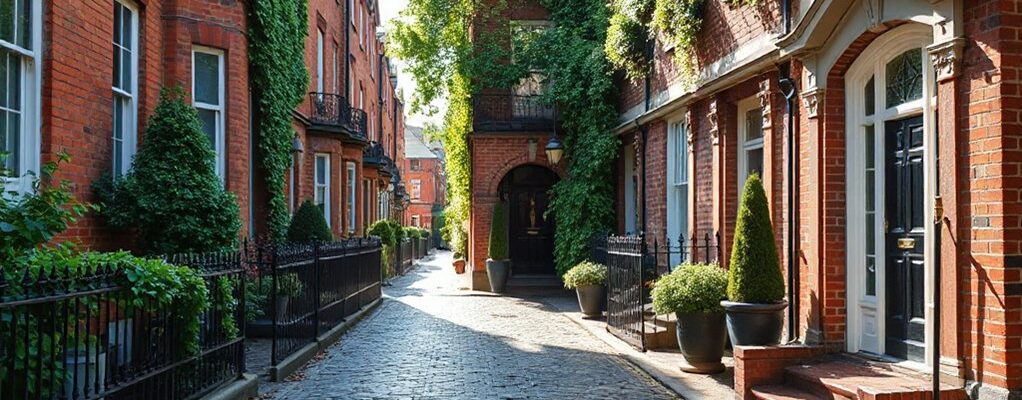
If you’re not aiming for a dramatic overhaul, you might start with small, respectful tweaks that quietly elevate your street presence. You’ll want to assess your facade, gates, and fences for period-accurate details, then choose heritage-friendly colors after that review. Focus on welcoming entry features, tidy boundaries, and subtle lighting to highlight architecture without shouting. The trick is to stage a cohesive, enduring look that invites curiosity—yet leaves room for future refinements. Ready to plan the first practical steps?
What Bristol Victorian Curb Appeal Means
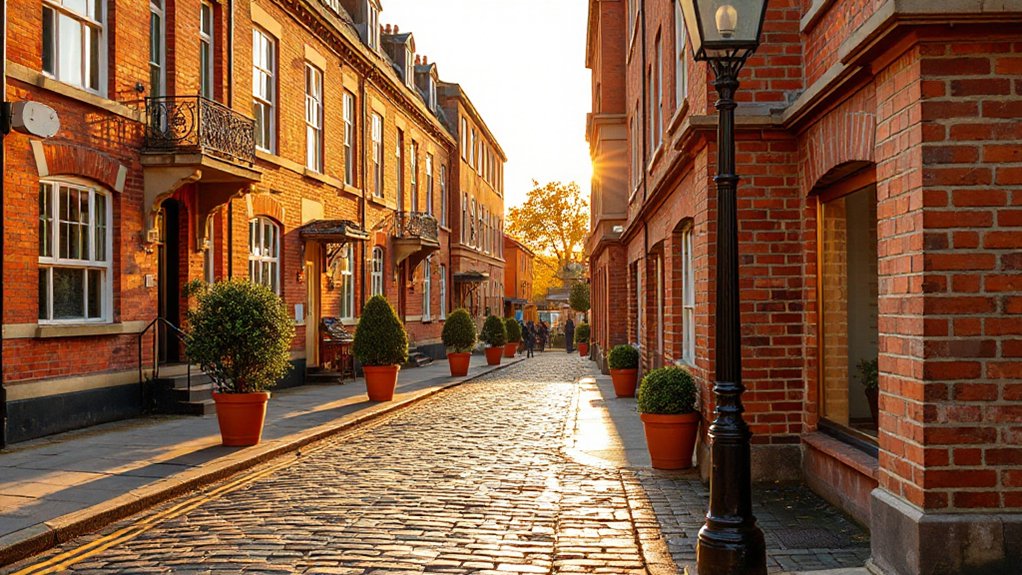
Bristol’s Victorian curb appeal blends ornate ornamentation with practical charm, and it starts at the curb. You notice a deliberate balance: decorative ironwork and brick details meet tidy, modern landscaping.
Street art may appear discreetly, a nod to contemporary taste, yet it never overwhelms period cues. You value proportion—low iron balconies, scaled windows, and pitched roofs that frame the street without shouting.
The approach emphasizes materials that age gracefully: limewash, Portland stone, and slate that patinas with time. Lighting is subtle, guiding the eye to architectural features rather than flashing novelty.
You expect a defined, inviting approach to front stoops, paths, and plantings that preserves character while embracing current design standards. It’s timeless, curated, and unmistakably Bristol.
Assess Facades, Gates, and Fences to Set the Street Tone
Start by evaluating facades, gates, and fences through a single, unifying lens: do they signal human scale, durability, and a restrained architectural language? You assess proportions, alignment, and materials, noting how each element first greets passersby.
Gate entrances should feel inviting yet secure, with a rhythm that mirrors the street’s Victorian cadence.
Facades deserve clean lines, sympathetic textures, and restrained ornament to avoid overpowering adjacent buildings.
Fence materials influence permeability and tone—choose options that repeatedly echo the neighborhood’s character while standing up to Bristol’s weather.
Consider garden pathways as navigational cues; they should guide sightlines without interrupting the street’s harmony.
Your goal: coherent, lasting curb appeal that respects heritage while promoting accessibility.
Choose Heritage-Friendly Paint Colors After Facade Assessment
After your facade assessment, you’ll want to align color choices with heritage-appropriate palettes and historic accuracy considerations.
Start with concise notes on facade insights, then map those to color schemes that respect era-specific details and material finishes.
This sets a precise, respectful foundation for selecting paint that elevates kerb appeal without compromising character.
Facade Assessment Insights
What should you consider after a facade assessment? You’ll translate findings into a focused paint plan that respects the building’s تاريخ, materials, and proportions. Prioritize heritage-friendly palettes that enhance texture without overpowering period details.
Assess substrate condition, existing finishes, and signage interfaces to avoid mismatch. Document where newer coatings can tolerate subtle color shifts, then test small swatches on inconspicuous areas before committing.
When selecting colors, seek contrast that reveals architectural features without erasing character. Balance is key: lighter tones can brighten alcoves; deeper accents define cornices and moldings.
Consider how modern landscaping and contemporary accents will interplay with your final choice, ensuring cohesion with surrounding streetscapes.
Schedule a follow-up color refinement after weather exposure and maintenance cycles for lasting kerb appeal.
Heritage-Appropriate Color Palettes
Heritage-friendly color palettes translate your facade assessment into choices that honor historic character while guiding modern upkeep. You’ll pair historically informed tones with durable finishes, ensuring the look lasts without frequent repainting.
Begin with a restrained base color that reflects the era’s masonry or timber, then select accent hues that echo architectural details like cornices, window frames, and doors. Aim for subtle contrast, not novelty, to preserve streetscape harmony.
Consider the local climate and exposure; opt for exterior paints with UV protection and algae resistance to maintain color integrity. Test color samples on small areas to assess aging, glare, and compatibility with existing materials.
Color coordination across elements—walls, trim, doors—reduces maintenance and reinforces a coherent façade. Paint durability reinforces longevity, lowering upkeep time and cost.
Historic Accuracy Considerations
Begin by verifying the facade assessment against period-appropriate color cues, then choose heritage-friendly hues that honor architectural history while remaining practical for today’s maintenance.
You’ll map each shade to original materials and finishes, avoiding anachronistic contrasts that jar street harmony. Prioritize subtlety over trendiness, selecting colors that echo brick, stone, or wood accents without overwhelming details.
Document how modern materials can mimic historic textures while preserving breathability and peel resistance, ensuring long-term stability. Consider gloss levels and fade resistance to sustain curb appeal through seasons.
Balance contemporary design insights with strict accuracy checks, confirming paint types, primers, and sealants align with original substrates. This disciplined approach prevents missteps and supports consistent streetscape integrity, while offering low-maintenance solutions that respect Bristol’s Victorian character.
Front Doors, Thresholds, and Entry Features That Welcome Visitors
A welcoming entry begins with the door you choose, the threshold you settle on, and the little details that frame the path inside. You select a door that reflects Bristol’s Victorian charm while ensuring practical security and weather sealing.
Thresholds should be level, durable, and visually cohesive with the door, avoiding trip hazards and damp intrusion. Entry features matter: a clear sill, a neat seal, and tactile hardware that invites use without shouting for attention.
Consider door hardware that blends period style with modern reliability, such as robust handles and locks that are easy to operate. Improve entryway lighting to illuminate steps and highlight architectural details, guiding visitors with subtle, energy-efficient glow.
The result is an inviting, low-maintenance threshold that signals hospitality from the curb.
Garden and Boundary Treatments That Enhance Curb Presence
Think in layers: a well-defined garden and boundary read as a cohesive frame that boosts curb presence while complementing the entry. You shape this with disciplined planting and clear edges, so the façade reads intentionally from the sidewalk.
Use garden pathways to invite foot traffic toward the doorway, guiding the eye without clutter. Choose boundary fencing that respects period character—timber picket, low-metal rail, or brushed timber panels—that screens private space while staying visually light.
Keep borders neat with mulch, compact evergreens, and seasonal color to maintain year-round polish. Guarantee gates align with porch lines and picket heights don’t overpower the street view.
Regular maintenance matters: trim, repaint, and repair to preserve a tidy, welcoming boundary that enhances your front door’s appeal.
Exterior Lighting to Highlight Architecture Safely
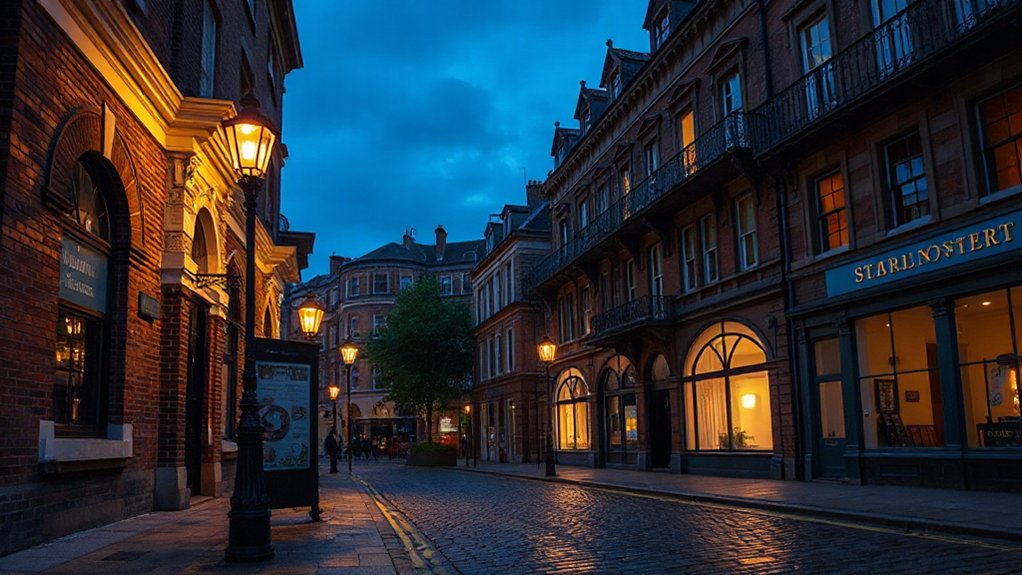
Exterior lighting should illuminate architectural details while staying safe and discreet. You’ll choose low-profile fixtures that wash walls without glare, highlighting brickwork, cornices, and decorative window frames.
Use warm white LEDs (2700–3000K) to preserve Victorian character and reduce harsh shadows on Garden lighting near plantings.
Position gates, porches, and entryways with layered light: a focal uplight for façades, complemented by soft path lighting to guide visitors without causing spill onto windows.
Avoid over-illumination that washes features; aim for 8–12 lux at eye level along the facade.
Guarantee wiring is concealed and complies with local safety codes.
Consider Window shutters as part of the light’s effect—paired with subtle backlighting to create depth and texture after dusk.
An Affordable Maintenance Plan for Long-Term Curb Appeal
Set a simple, budget-friendly maintenance plan that you can actually keep. Map out seasonal tasks—like pruning, mowing, and gutter checks—so you don’t miss key upkeep windows.
This approach balances cost with consistency, ensuring long-term curb appeal without overdoing it.
Budget-Friendly Maintenance
A smart, budget-friendly maintenance plan keeps your home’s curb appeal intact year-round without breaking the bank. You’ll prioritise simple, high-impact tasks that deter costly fixes later.
Start with a basic inspection monthly, noting cracked masonry, peeling paint, and loose fittings; address minor issues before they escalate.
Schedule low-cost, timely touches like cleaning gutters, trimming overgrowth, and resealing faded paint to preserve façade charm.
Allocate a small, predictable fund for essential replacements rather than reactive spending.
For lighting that elevates appeal, invest in landscape lighting using efficient, long-lasting lamps and shielded fixtures to reduce maintenance.
When repairing the driveway, choose economical, durable materials and sealant to curb stains and water infiltration.
Document each improvement to track value over time.
Seasonal Upkeep Schedule
Seasonal upkeep keeps your budget-friendly plan effective year-round, so you’re not chasing repairs later.
To harness long-term curb appeal, map a simple calendar that aligns with Bristol’s Victorian streets. Begin with seasonal pruning for ornamental trees and hedges, trimming after flowering to maintain form without stressing plants.
Schedule soil checks and mulching in early spring, then refresh mulch in late autumn to protect roots.
Implement plant rotation in beds to reduce disease buildup and soil fatigue; rotate annuals with perennials to sustain color with minimal effort.
Tie chores to predictable cues—post-winter cleanup, late-spring touch-ups, and autumn tidying—so maintenance remains manageable.
Finally, keep a log of tasks and substitutions, ensuring you’re consistently proactive rather than reactive.
Project Sequencing: Quick Wins Then Larger Upgrades
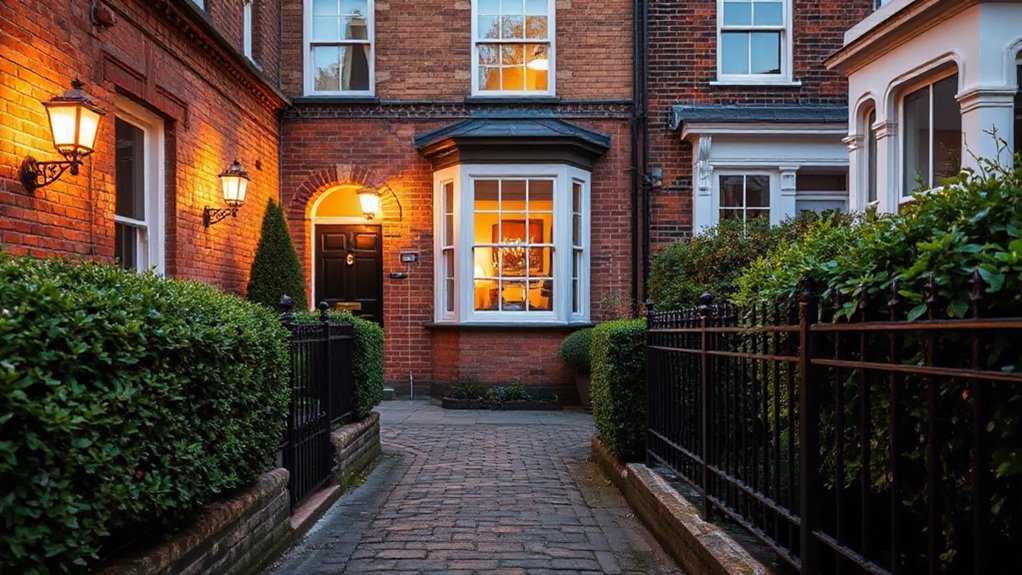
Start with a few quick wins that offer noticeable impact in days, then tackle bigger upgrades that pay off long term. You plan sequencing by prioritizing changes with immediate visual effect and manageable disruption.
Begin with curb appeal touchpoints that require minimal contractor time but deliver clear signals of care: fresh paint on fascias, cleaned pathways, and trimmed hedges. As you implement, emphasize landscape integration by aligning plantings with existing Victorian forms, using native specimens that survive Bristol’s microclimates.
Next, address street furniture updates—benches, lighting, and planters placed to improve sightlines and pedestrian flow without overcrowding sidewalks.
Schedule a logical cascade: simple fixes first, infrastructure improvements second, and aesthetic enhancements last. This approach minimizes risk, maintains accessibility, and sustains momentum for cohesive, long-term curb appeal.
Budget Ranges and Timelines for Bristol Heritage Upgrades
Budget ranges for Bristol heritage upgrades vary by scope and pace, but a practical framework keeps projects affordable and tide-changing. You’ll balance design ambitions with budget realism by grouping tasks into phased milestones, typically ranging from modest enhancements to all-encompassing overhauls.
For modest work, expect £5,000–£15,000, focusing on façade refreshes, window repairs, and essential damp-proofing.
Mid-range projects, £15,000–£50,000, cover structural improvements, period-accurate detailing, and modern landscaping to complement heritage features.
Higher-end upgrades, £50,000–£150,000, enable roof restorations, masonry consolidation, and bespoke joinery using contemporary materials that respect Victorian character.
Timelines hinge on permit checks, contractor procurement, and weather windows; plan 8–16 weeks for small scopes, 4–6 months for mid-range, and 6–12 months for full heritage restorations.
Contingencies, permits, and inspections shape pacing.
Frequently Asked Questions
How Often Should I Repaint Historic Doors in Bristol Weather?
You should repaint historic doors every 5–7 years in Bristol’s weather. For longevity, focus on door restoration basics and use high-quality paint with proper priming. This boosts paint durability and protects intricate timber details against rain and frost.
Can I Replace Rails Without a Planning Permit?
You should check planning permission first. Rail replacement typically requires planning permission in many Bristol areas, so you shouldn’t proceed without consulting the council. If permission isn’t granted, you’d need alternatives or consent adjustments for compliance with regulations.
What Plants Best Suit Victorian Boundary Hedges?
You plant a Victorian garden dream near your boundary: a yew hedge, box, and hawthorn, with evergreen structure and seasonal blooms. You select boundary plantings that frame sightlines, echoing era charm, and you maintain tidy, resilient foliage.
Are Solar-Powered Lights Acceptable for Heritage Streets?
Yes, you can use solar-powered lights, but guarantee Heritage compliance. Choose discreet, downward-facing fixtures, maintain original materials, and avoid bright colors or visible cables to preserve streetscape integrity while still improving safety and ambiance.
How Can I Budget for Unexpected Repair Costs?
You should budget for unexpected repair costs by building emergency funds and practicing budget planning, setting aside a dedicated buffer every month. Track expenses, adjust allocations, and review risks quarterly to guarantee resilient, proactive financial management during repairs.
Conclusion
You’ve got the right blueprint to lift Bristol’s Victorian streets without losing their soul. Stay true to period features—ornate ironwork, limewash, slate—and pair them with tidy gardens and inviting entryways. A single striking detail, like a period-style door or a softly lit path, can transform curb presence. Fun fact: homes with well-lit entryways see a 30% boost in perceived safety, making your curb appeal both beautiful and welcoming. Stay consistent, patient, and upgrade in thoughtful steps.