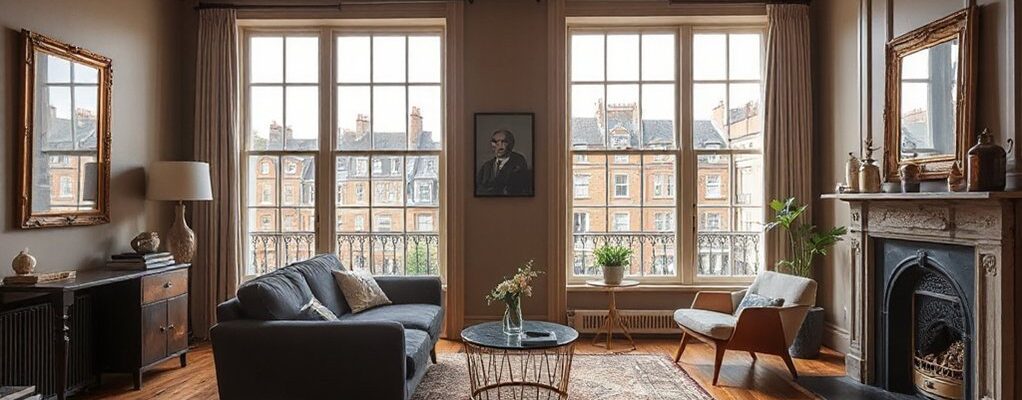
You might worry that modern comforts clash with Edinburgh’s historic fabric, but careful planning lets you blend them without compromise. Start by mapping planning constraints and conservation guidelines, then shape a heritage-sensitive brief that honors scale, finishes, and features. You’ll introduce discreet upgrades—storage, lighting, and reversible interventions—while choosing period-appropriate materials. The key is steady collaboration with planners, conservators, and builders; the next steps reveal how to balance respect for history with practical living. Keep exploring what comes next.
Assess Edinburgh Planning Constraints
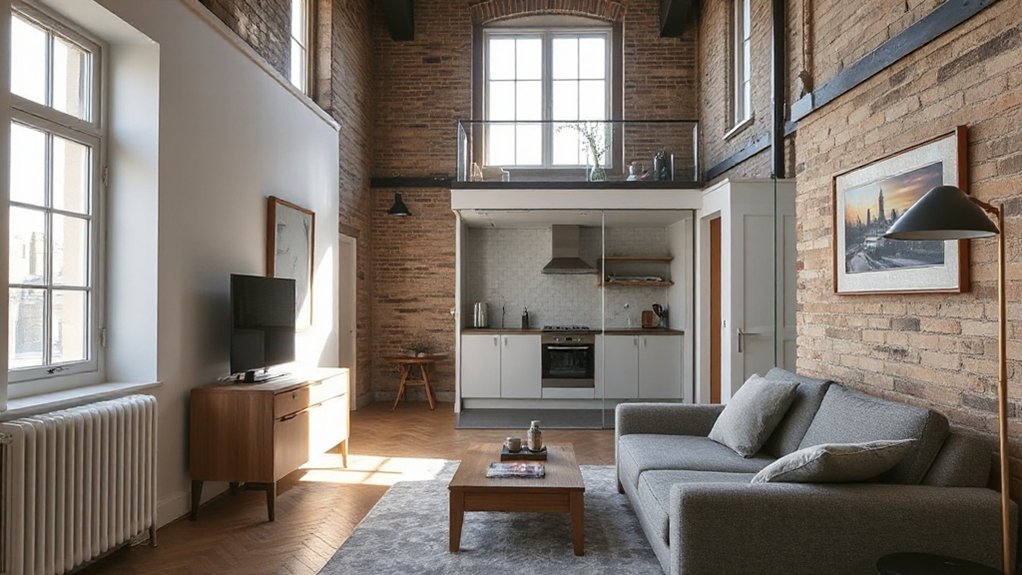
Evaluating Edinburgh planning constraints requires a careful, methodical approach. You assess the project against zoning regulations, noting how land use rules shape permissible changes and what permissions you’ll need.
You identify whether your flat sits in a conservation area, where extra protections influence external alterations, demolition, and facade treatments. You check local authority guidance, appeals processes, and any published supplementary planning guidance that applies to historic buildings.
You inventory mandatory steps: pre-application discussions, listed-building considerations, and potential impacts on setting and adjoining properties. You confirm required documentation, such as drawings, elevations, and design statements.
You then plan a compliant design path, balancing your modernization goals with preservation obligations, ensuring each modification preserves character while meeting functional needs.
Define a Heritage-Sensitive Design Brief
Having assessed the planning constraints, you now shape a Heritage-Sensitive Design Brief that integrates historic context with your modernization goals. Your brief should define clear objectives for heritage preservation, outlining which features must be retained, restored, or subtly adapted.
Specify functional needs, such as updated services and improved accessibility, while limiting intervention to essential areas. Highlight design flexibility, allowing phased changes that respect existing fabric and legibility of architectural details.
Establish criteria for materials, finishes, and alignment with listed-building guidelines, prioritizing reversible interventions where possible. Include a decision framework for approving alterations, ensuring consultations with conservation officers and, where relevant, tenants or owners.
The brief must balance contemporary living requirements with respect for character, scale, and historic rhythm of Edinburgh’s interiors.
Choose Period-Appropriate Finishes for Edinburgh
You’ll consider period-appropriate materials and how they anchor a flat in Edinburgh’s historic fabric, balancing authenticity with modern usability.
Start with finishes that reflect local crafts and construction timelines, then pair historic pattern reproductions with complementary textures to maintain legibility and restraint.
This sets a clear foundation for informed material choices that respect the building’s character while serving contemporary living needs.
Period-Appropriate Materials
Choosing period-appropriate materials for Edinburgh’s historic flats means balancing authenticity with modern performance. You’ll pick surfaces that weather gracefully, yet withstand daily use.
Start with timber finishes that reflect local craft: engineered oak planks or brushed pine can mimic aged floors while offering stability and minimal maintenance.
For walls, opt for lime-based plasters and breathable wallpapers or paints, ensuring humidity exchange and reduced damp risk.
When selecting hardware, pick period-appropriate materials—brass, pewter, or blackened iron—that resist tarnish and patina with authenticity.
Stone accents should be carefully sourced, favoring Welsh or Scottish sandstone where practical, with appropriate quarry documentation.
Kitchens and bathrooms benefit from modern equivalents that respect proportion and proportioning, avoiding heavy replicas.
Prioritise authentic restoration principles, ensuring that new materials harmonise with existing fabric without compromising safety or performance.
Historic Pattern Reproductions
Historic pattern reproductions should respect Edinburgh’s architectural language while delivering durable, modern finishes. You approach period-appropriate details with careful observation, matching proportions, motifs, and grain direction to the original design.
Where authentic materials aren’t feasible, you select faithful substitutes that age gracefully and respond to daily use. Restoration techniques inform your method, prioritising reversibility and minimal intrusion so later researchers can identify intervention without erasing history.
Pattern replication relies on documentation, measured drawings, and controlled tests to verify scale, rhythm, and ornamentation before installation. You’ll maintain consistent join lines, casing profiles, and surface textures that traverse stairs, doors, and plasterwork, ensuring cohesion across rooms.
Your objective remains truthful representation balanced with modern durability, embracing subtle patina rather than superficial imitation.
Add Modern Comforts That Respect Scale and Space
You’ll add modern comforts with careful regard for scale and space, so new conveniences feel native rather than disruptive.
Prioritize discreet integration—hidden storage, compact appliances, and slim profiles that respect the building’s proportions and original features.
Approach changes with sensitivity, ensuring every upgrade enhances livability without overwhelming the historic context.
Integrate Hidden Comforts
Hidden comforts can be discreetly integrated to suit a compact Edinburgh flat without overpowering its historic character; start with targeted upgrades that respect scale and space. You’ll prioritise low-profile solutions that blend with existing joinery and plaster mouldings, so enhancements feel second nature.
Choose hidden technology that stays out of sight: wireless controls, under-cabinet charging, and compact sensors tucked behind panels.
Opt for concealed amenities in bathrooms and kitchens, like recessed lighting, pull-out wardrobes, and pop-out mirrors with integrated outlets.
Focus on cooling and heating with slim, quiet fans and body-temperature sensors that adjust quietly in the background.
Guarantee maintenance routes remain accessible, and document every concealment to preserve future adaptability.
The result is comfortable living that remains faithful to Edinburgh’s architectural language.
Respect Scale And Space
Carefully balance modern comforts with the building’s proportions so new elements feel native rather than imposed. You’ll prioritise proportional furnishings that mirror the room’s scale and architectural cues, avoiding oversized devices or bulky furniture.
Observe spatial harmony: allow doors, corridors, and alcoves to breathe, and place seating and storage where they don’t choke circulation. Choose finishes that echo historic materials—soft stone, muted timber, low-gloss metals—to maintain tactility without shouting modernity.
When installing tech, conceal wiring and mount slim fixtures that respect sightlines and ceiling heights. Use built-in solutions to reduce clutter, and opt for low, linear profiles that won’t interrupt the eye’s flow.
Modernise With Sensitivity
To modernise with sensitivity, introduce comfortable conveniences that respect the flat’s scale and spatial rhythm. You’ll prioritise discreet integration: choose Contemporary furnishings that align with original proportions, avoiding oversized silhouettes that crowd rooms. Opt for low-profile seating, compact storage, and refined textiles that echo historic tones.
When arranging, keep sight lines clear from door to mantle and maintain balanced focal points. In kitchens and baths, install slimline appliances and modular systems that blend with mouldings, rather than competing with them.
For control, pursue Smart technology integration that’s unobtrusive—hidden controls, wireless lighting, and climate management tucked into joinery. Test every addition for usability, ensuring doors, windows, and radiators remain operable.
This measured approach preserves character while delivering modern comfort.
Plan Storage and Lighting for Small Edinburgh Flats
How can you maximise storage and lighting in the compact spaces of Edinburgh’s historic flats without compromising character? You plan with care, balancing period detail and modern function.
Use vertical storage: tall, slim cabinetry, shelving that traces wall lines, and under-stair drawers when present. Choose built-ins that align with architectural features, not clash with cornices or plasterwork.
Opt for light-coloured surfaces and mirrored backs in wardrobes to reflect daylight. For lighting, layer sources: ceiling ambient, task lighting at desks or counters, and discreet wall lights that suit the era.
Smart lighting enables scene control without intrusive cables. Emphasise space optimization by selecting furniture with integrated storage and multi-use surfaces.
Maintain quality materials, repair where needed, and preserve original joins where feasible.
Collaborate With Planners, Conservators, and Builders
Collaborating with planners, conservators, and builders is essential to safeguarding Edinburgh’s architectural character while delivering modern functionality. You’ll begin by identifying the relevant authorities and stakeholders for your project, then initiate a structured dialogue that respects historic constraints.
In public consultation sessions, present clear aims, potential impacts, and feasible compromises, listening carefully to concerns about scale, materials, and retention of original features. Document decisions and rationales to support future approvals and inspections.
Expect detailed reviews of energy performance, fire safety, and accessibility, ensuring proposals align with preservation guidelines and local zoning. Maintain open channels with your team, documenting site conditions, heritage values, and construction milestones.
Prioritize legal compliance from the outset to avoid delays and protect Edinburgh’s built heritage.
Frequently Asked Questions
How Long Does an Edinburgh Listed Building Consent Typically Take?
The typical Edinburgh listed building consent processing time ranges from several weeks to a few months, depending on complexity. You’ll want to factor in historic preservation reviews and potential conditions, which can extend renovation timelines. Stay patient and plan contingencies.
What Budget Margins Are Realistic for Historic Renovations Here?
Moderate margins, meticulous planning, and prudent contingencies. You’ll target a modern budget with generous buffers, and compare renovation costs carefully, balancing authenticity with durability, because budgets rise with scope, complexity, and listed-building permissions.
Can I Restore Original Features While Installing Modern Kitchens?
Yes, you can restore original features while installing a modern kitchen. You’ll prioritize careful restoration of vintage fixtures, then plan modern integration that respects historic detailing, brass hardware, and plumbing layouts, ensuring functionality without compromising character or heritage consent requirements.
Are There Grants or Loans Available for Heritage Refurbishments?
Yes, you can access grants or loans for heritage refurbishments. You should explore financial incentives offered by local authorities, and align your plans with preservation guidelines, ensuring eligibility, application timelines, and compliance before starting work.
Do Interior Alterations Require Conservation-Area Approvals as Well?
Yes, interior alterations can require conservation-area approvals; you should consult heritage preservation guidelines and local council planning. Guarantee compliance with Building regulations, document materials, and maintain historic features to align with heritage preservation standards.
Conclusion
In Edinburgh’s historic flats, you’ll finish with restraint, clarity, and care. Engage early, listen to conservation voices, and let constraints shape clever, reversible solutions. Choose finishes that echo the past, but never overshadow it, and weave modern comfort into the fabric with subtlety. By collaborating with planners, conservators, and builders, you’ll guide the project like a steady compass, steadying the ship as you sail—your design becoming a respectful chapter in the city’s enduring story.