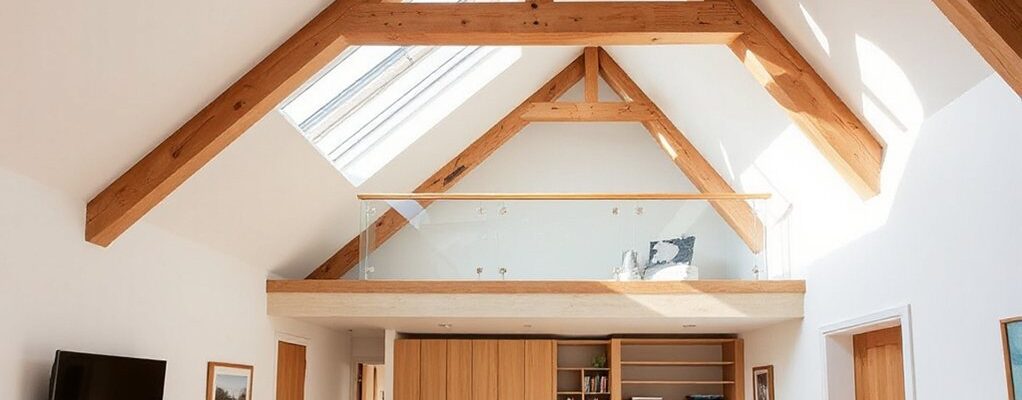
Terraced UK homes demand smart loft conversions that respect your structure while expanding space. You’ll balancing headroom, insulation, and natural light with skylights or dormers, choosing between contemporary layouts or revival of period details like sash windows. Consider planning permissions, budget, and how the new space serves you—bedrooms, office, or studio—without compromising access or street-facing charm. The best approach blends layout clarity with practical constraints, guiding you toward a solution that feels both current and rooted in the terrace’s character.
Planning Criteria for Loft Conversions in Narrow Terraces
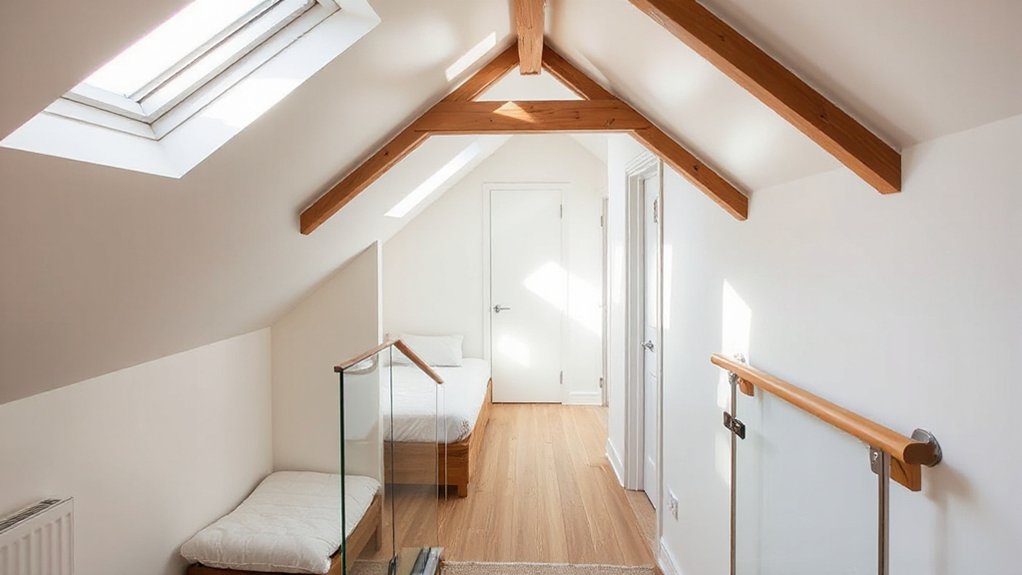
Planning criteria for loft conversions in narrow terraces must start with the building’s structural basics: verify that track loads, roof structure, and party wall conditions can support the alteration. You assess load paths, existing joists, and the potential need for additional support.
Next, confirm access arrangements, fire safety routes, and egress compliance for upper floors.
Structural reinforcement may be required to handle new floor loads or to stabilize walls during conversion.
You evaluate thermal performance early, noting insulation techniques to reduce heat loss and improve comfort.
Consider damp and ventilation, particularly in compact spaces.
Document party wall agreements and neighboring impacts to prevent disputes.
Your plan should delineate scopes, responsibilities, and monitoring steps to guarantee lasting performance.
Skylight Options and Headroom Considerations
What skylight options best balance natural light with headroom constraints in a terrace conversion, and how do you choose the right approach for your roofline? You’ll weigh how skylights affect usable ceiling height and the room’s perceived spaciousness.
Favor low-profile designs that minimize drop, such as flat or shallow-pitched units, to preserve headroom in tight attic zones. Consider roof-to-wall connections: dormer alternatives can boost light, but they reduce ceiling height at the edge, so map traffic flow and furniture layout first.
Skylight designs should prioritize glare control, e.g., tinted or automated vents for heat mitigation. For narrow terraces, opt for multiple small units rather than a single large one to distribute light evenly.
Focus on headroom optimization to maintain comfortable, functional spaces while maximizing daylight.
Contemporary Loft Styles for Small Terraces
Contemporary loft styles for small terraces focus on maximizing daylight, flexing open-plan layouts, and using storage-smart finishes that don’t crowd limited space. You’ll prioritize clean lines, bright finishes, and mirrors to bounce light across compact rooms.
Select slim, multi-functional furniture that tucks away when not in use, and choose built-in wardrobes or under-stair storage to keep surfaces uncluttered.
For color schemes, opt for light, neutral palettes with strategic accents to visually expand the room. Use reflective surfaces and large sash or skylight windows where possible to heighten daylight depth.
Keep ceiling lines simple to enhance perceived height, and introduce texture through timber, brick, or fabric without overwhelming the space.
Loft decor should feel cohesive, calm, and intentionally scaled to your terrace’s proportions.
Traditional Loft Revival: Honoring Period Details
Traditional Loft Revival celebrates the character of period details while adapting them to loft living’s vertical space. You’ll notice how original cornices, handrails, and timber stairs guide the eye upward, anchoring a modern layout with historical texture.
Preserve plasterwork and sash windows where feasible, pairing them with contemporary insulation and smart glazing to maintain warmth without sacrificing light. Rehabilitate exposed joists and brickwork to tell a story of craftsmanship, while choosing muted palettes that let period features speak.
Consider traditional lighting, brass fixtures, and ceramic hardware to reinforce authenticity without tipping into nostalgia. The aim is balance: keep the cadence of the era, but let modern comforts, storage, and open-plan zones breathe.
Vintage charm and period features converge to create a respectful, cohesive loft personality.
Permits, Budget, and Practical Loft-Conversion Steps
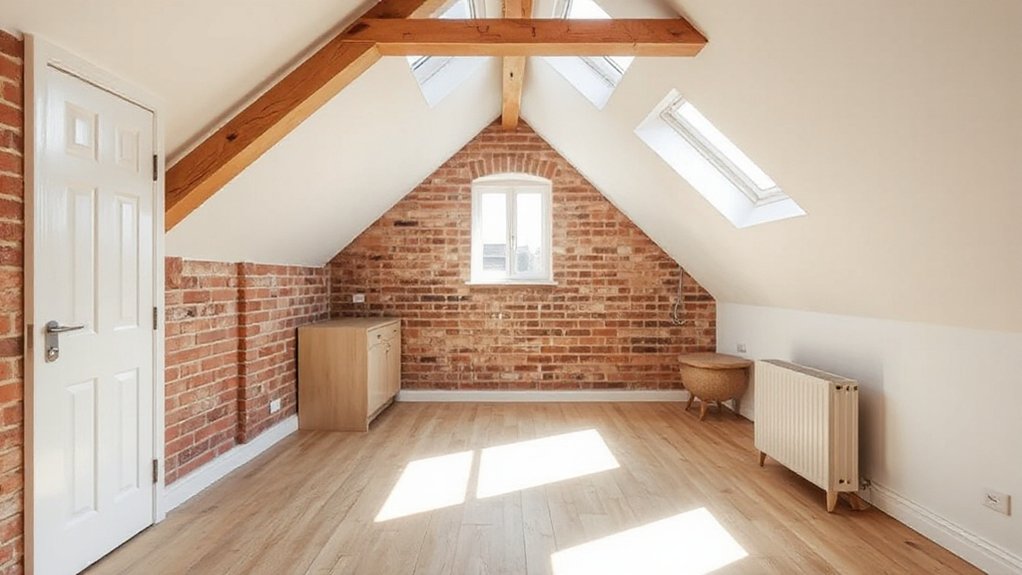
You’ll start by checking permits and planning requirements early, so your timetable and costs stay predictable.
Budget for structure, services, and contingencies, then map practical step-by-step milestones from design approval to completion.
Staying pragmatic now helps you avoid delays and keep your terraced conversion on track.
Permits And Planning
Securing permits and planning wisely are essential first steps in a terraced loft conversion. You’ll assess whether your project requires planning permission, permitted development rights, or a prior approval route, then map out timelines with your local authority.
Gather drawings, site plans, and a concise brief to avoid delays, and confirm party-wall implications with any adjoining owner. You’ll need to verify Building regulations compliance from the outset, detailing insulation, fire safety, access, and ventilation.
Consider structural roles within the roof space, particularly joists and load paths, so you don’t compromise Structural integrity as you evolve the layout. Schedule surveys, approve materials, and align budgets with statutory steps, keeping communications clear with builders, inspectors, and neighbors.
Plan, document, and proceed with confidence.
Budgeting And Steps
Budgeting and practical steps for a terraced loft project hinge on clarity from day one: confirm which permits are actually needed, map a realistic budget that accounts for contingencies, and outline a step-by-step path from design to handover.
You’ll identify party-wall constraints, building regulations, and potential neighbour notices early to avoid delays. Set a precise budget, including design, surveys, VAT, and contingency (typically 10–20%).
Develop a phased plan: feasibility, detailed design, contractor selection, and on-site execution with milestones. Prioritise practicals like interior lighting planning and insulation solutions to prevent cold spots and overheating.
Track progress weekly, verify approvals, and secure handover paperwork. Remember, clear scope, documented decisions, and transparent pricing reduce change orders and keep the project on track.
Thoughtful Layouts: Bedrooms, Home Office, and Studio Ideas
When planning loft layouts for a terraced home, prioritize rooms that maximize natural light and efficient flow: a peaceful bedroom, a focused home office, and a flexible studio space that can adapt to changing needs.
You’ll want smart zoning: position the bedroom where warm afternoon sun rests but doesn’t glare, place the office near a window for daylight, and reserve the studio for adaptable use.
Incorporate built-in storage to keep corridors uncluttered and guarantee easy access to stairs.
Prioritize sound control between spaces, so focus isn’t disrupted by traffic.
Consider Loft insulation and Ventilation solutions that maintain comfort year-round.
Use energy-efficient glazing and controllable skylights to modulate light without overheating; plan mechanical options discreetly to preserve aesthetics.
Frequently Asked Questions
How Long Does a Terraced Loft Conversion Typically Take?
Typically, a terraced loft conversion takes 6–12 weeks, depending on scope and approvals. You’ll need solid loft insulation, roof windows, and efficient coordination with builders, electricians, and plasterers to avoid delays and keep noise to a minimum.
What Are Energy Efficiency Options for Lofts in Terraced Homes?
Insulation materials and ventilation systems are vital for lofts in terraced homes. You’ll boost efficiency with rigid foam or mineral wool, plus airtight seals, while balanced or mechanical ventilation prevents condensation and preserves comfort throughout the year. Stunningly effective results, guaranteed.
Can Loft Conversions Add Value Without Losing Structural Integrity?
Yes, loft conversions can add value if you protect structural integrity and comply with regulations. You’ll balance historical preservation with aesthetic considerations, ensuring sound framing, appropriate insulation, and mindful ventilation to preserve character while boosting market appeal.
Are Building Regulations Different for End-Terrace Vs Mid-Terrace?
End-terrace and mid-terrace follow the same Building codes, planning permissions, with minor layout tweaks for end bays. You’ll need precise compliance updates, but permissions thresholds don’t wildly differ between property types. Check local authorities before starting.
What Maintenance Is Required After Completing a Loft Conversion?
You should inspect and maintain safety, insulation, and ventilation after finishing a loft conversion. Check roof insulation and ventilation improvements annually, clear vents, fix leaks promptly, and schedule professional surveys to guarantee ongoing energy efficiency and structural integrity.
Conclusion
You’ve lined up smart, space-saving ideas that respect your terrace’s character while boosting everyday living. From skylights that flood the eaves with light to clever storage and flexible rooms, your loft can feel roomy without losing charm. Budget, permits, and practical steps are within reach when you map layouts to headroom and existing structure. Stay focused on evolving needs, and your space will come together—like turning a tight street into a bright, welcoming alleyway. It’s a win-win.