
Take the West End’s Georgian streets as your benchmark: you’ll find strong capital growth, quick commutes, and high rental demand. If you want value with lifestyle perks, New Town perfoms well, while Leith offers culture and growing value. You’ll balance schools, parks, and transport in Stockbridge and across the city districts, but property prices swing by neighborhood. Start with the factors that matter most to you, then compare districts on price, commute, and daily quality of life.
Edinburgh Buying Guide: How to Decide Your Neighborhood First

Choosing your neighborhood in Edinburgh starts with clear criteria and realistic trade-offs. You’ll weigh commute times, school quality, and property prices using current data from trusted sources. Map proximity to transit hubs, parks, and services, then quantify your needs against typical neighborhood profiles.
Consider Historical architecture as a cultural anchor and potential resale appeal, but verify maintenance costs and planning constraints before committing. Evaluate noise levels, safety metrics, and future development plans to avoid surprises.
Local festivals shape seasonal demand, so factor crowding, parking, and noise into your budget and schedule. Build a short list of neighborhoods that meet your thresholds, then test them with a guided visit focused on daily routines, street life, and accessibility.
Finalise your choice once you see consistent alignment between data and lived experience.
City Centre vs. New Town: Value, Convenience, and Trade-Offs
City Centre and New Town offer distinct value propositions for buyers: the City Centre maximizes daily convenience with short commutes and dense services, while the New Town emphasizes legacy architecture, quieter streets, and steadier long-term resale appeal.
You’ll notice higher, more frequent amenities in the City Centre, including markets, gyms, and transport links, which boost day-to-day usability.
The New Town caters to buyers seeking classic, orderly streets and historic architecture, often with boxy, elegant layouts and lower noise levels.
In price-to-rent terms, City Centre luxury apartments carry premium yields but higher entry costs, whereas New Town properties aim for steadier appreciation with lower volatility.
Both offer strong resale potential, yet trade-offs hinge on lifestyle priorities and risk tolerance.
Old Town Charms With Modern Value: Top Streets to Watch
Old Town’s historic core offers strong value, with classic streets delivering solid rent and resale potential while preserving character. Focus on prime street picks that balance charm and growth.
As these corridors show resilient demand and higher appreciation trends, with investment-ready options across these targets, you’ll see clear data signals for pricing, liquidity, and ongoing yield.
Historic Core Value
From the Historic Core, you’ll find Old Town’s narrow lanes and 18th-century landmarks delivering enduring value, as proximity to amenities and rail links boosts demand in today’s market.
You gain strong cultural resonance where Cultural Heritage drives appreciation, not just sentiment. Property values track steady rents, with newer developments clustering near historic corridors preserving character.
Architectural Styles vary from Georgian façades to restored sandstone blocks, supporting diversified buyer interest and price resilience.
Market data show higher density of listings with period renovations and higher than city averages for appreciation over five years.
Investment upside hinges on careful management of listed-status constraints and straightforward planning routes.
Prime Street Picks
Price bands stay competitive near university hubs and cultural institutions, while delivery of new apartment blocks keeps supply balanced with demand. Property tax profiles vary by property type, but gross yields remain compelling where rental markets tighten and upkeep stays predictable.
On rental yields, smaller flats near transit edges outperform larger units, yet premium locations still command strong premiums. Target streets show consistent occupancy and resilient price growth, even as macro factors shift.
Use recent rent comps and tax assessments to refine offers. Prioritize streets with visible maintenance and accessible green spaces.
Investment-Ready Options
Focus on streets that combine historic architecture with modern-BTL potential, ensuring compliance, predictable yields, and scalable upgrades. Luxury apartments remain a premium segment, delivering above-average yields when located near transport links, schools, and amenities.
In this cluster, demand concentrates among professionals and short-term arrivals, widening exit options. Look for properties with character, existing infrastructure upgrades, and documented refurbishment scopes.
Targeted due diligence on permits, energy performance, and neighboring development plans helps you lock in durable investment-ready momentum.
Leith and the Waterfront: Culture, Dining, and Growing Value

Leith and the Waterfront offer a vibrant mix of culture and dining that has helped drive steady value growth. You’ll notice strong rental demand tied to lifestyle appeal, with multimillion-dollar homes near harborside parks and preserved historic venues.
Waterfront dining drives evening footfall, supporting hospitality clusters and year-round investment activity. Property values here have outpaced broader city averages over the past five years, reflecting both redevelopment momentum and stable tenant demand.
Cultural festivals attract visitors and raise profile without compromising residential appeal, keeping vacancy rates low and occupancy stable.
Transport links and floodlit promenades enhance appeal for owner-occupiers and buy-to-let investors alike, while ongoing infill projects expand amenity access.
Data points point to resilient, diversified demand for Leith’s coastal living.
Stockbridge: Commuter-Ready Living and Schools Nearby
Stockbridge combines commuter-ready living with access to strong local education options. You’ll find a short, predictable commute to central business hubs, with regular buses and easy access to the tram line for rapid city-wide travel.
Property prices here show steady, above-average growth, supported by demand from professionals and downsizers alike. Schools in the area rate highly in local assessments, making Stockbridge appealing if you’re prioritizing education options within reach.
The neighborhood also offers value-added appeals, including proximity to historical architecture and a weekend rhythm around local markets. You’ll notice compact, well-maintained streets, boutique shops, and green spaces that sustain a high quality of life.
Morningside and Southside: Family-Friendly Neighborhoods
Morningside and Southside offer a family-friendly mix that complements the commuter-ready appeal of Stockbridge. You’ll find top-rated primary schools within a short walk and access to reliable bus routes, supporting predictable daily commutes.
Property prices sit mid-range for Edinburgh, with steadier year-on-year growth than newer city fringes. Parks and green spaces provide safe, active options for children, while local shops and cafés sustain short, convenient trips.
In Morningside, period homes and modern flats balance character with efficiency. In Southside, more spacious family homes and quiet streets prevail.
Local cuisine options anchor weekend outings, and cultural festivals draw residents together, enhancing neighborhood cohesion. Overall, the areas offer stable, family-oriented dynamics with solid resale potential.
Bruntsfield and Polwarth: Village Vibe Within the City
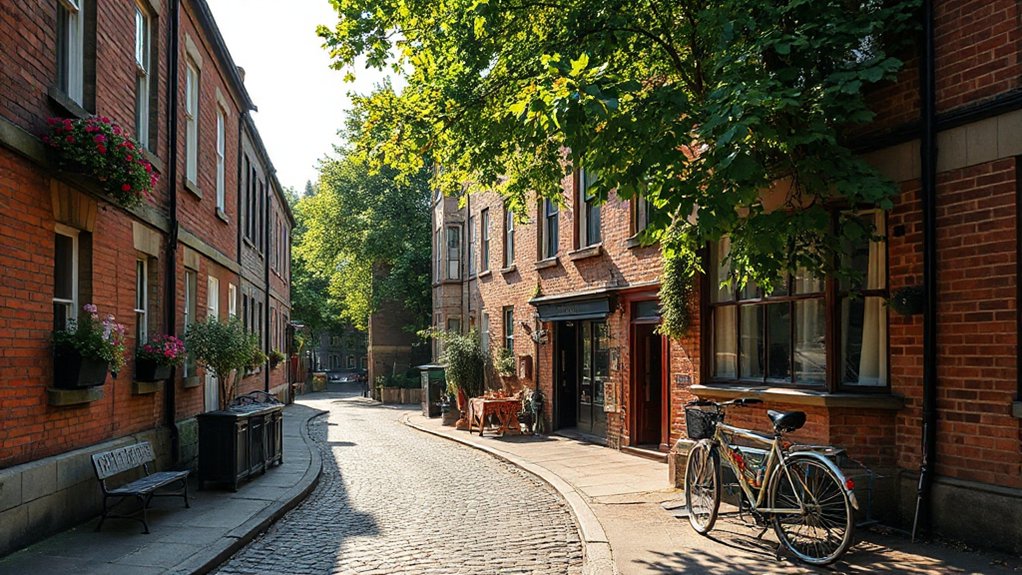
Bruntsfield and Polwarth offer a village-like vibe right in the city, with a walkable core and easy access to major routes for citywide trips. You’ll find a balance of green spaces nearby and practical city access.
Plus, a steady mix of local amenities keeps daily needs convenient. This neighborhood pairs a tight-knit feel with data-driven demand signals, making Village Vibe, Green Spaces Nearby, City Access, and Local Amenities Mix worth weighing in your search.
Village Vibe, City Access
Bruntsfield and Polwarth offer a compact, walkable village vibe right inside Edinburgh’s city limits, with easy access to shops, cafes, and green spaces. You’ll notice strong village charm in a dense, urban setting, where residents rely on local amenities for daily needs.
Property values here reflect a balanced mix of period flats and modern conversions, appealing to buyers seeking character without commute penalties.
City access remains a premier draw: frequent bus routes, nearby Meadows access, and swift connections to central neighborhoods shorten typical daily routines.
Within minutes, you can reach grocery stores, bakeries, and pharmacies, reducing car dependence.
This combination—village charm plus efficient city access—supports stable demand and incremental value, making Bruntsfield and Polwarth a pragmatic choice for property buyers seeking lifestyle and practicality.
Green Spaces Nearby
Could you picture a green heartbeat just steps from your door? In Bruntsfield and Polwarth, parks and tree-lined streets underpin a compact, walkable village vibe.
You’ll notice high proximity to green spaces: Craiglockhart, Meadows, and Bruntsfield Links offer quick access for morning jogs, picnics, or a relaxed stroll after work.
Density remains urban, but open spaces punch above their weight, delivering measurable benefits: air quality redirects, heat mitigation, and daylight into streetscapes.
Urban wildlife thrives in these corridors; you’ll spot birds, hedgehogs, and bats leveraging hedges, lawns, and water features.
Community gardening plots exist near residential blocks, fostering neighbourly collaboration and seasonal harvests.
All this supports a healthier lifestyle without sacrificing city practicality or investment resilience.
Local Amenities Mix
What does a balanced local amenities mix look like in Bruntsfield and Polwarth? You’ll find a tight blend of daily conveniences and cultural pull.
Grocery options cover staples and specialty foods, with local markets offering fresh produce multiple days a week. Cafés and small eateries provide quick, reliable options for lunches and social drops, while a handful of mid-range restaurants balance price and quality.
Health services, pharmacies, and banking hubs are within walkable reach, reducing errands. Public transit links connect residents to the city center, while cycle-friendly routes encourage sustainable choices.
Historical architecture threads through storefronts and mid-block spaces, enhancing the village vibe without sacrificing modern practicality. The mix supports walkability, community events, and a stable rental appeal.
Haymarket and the West End: Transport Hubs and Investment Potential
Haymarket and the West End sit at the city’s transport crossroads, with rapid rail links, frequent bus routes, and easy road access that attract commuters and renters alike.
You’ll find consistent demand from professionals, students, and short-term guests, supported by solid rental yields and stable capital appreciation.
Transport hubs reduce vacancy risk: Haymarket rail station offers fast Edinburgh–Glasgow and cross-border services, while tram and bus networks broaden catchment.
Property stock blends historic architecture with modern refurbishments, catering to tenants seeking character without sacrificing comfort.
Price growth remains resilient, driven by proximity to central jobs and business districts.
Investors benefit from limited new supply in this core area, suggesting long-term rental demand.
Expect steady yields, aided by local cuisine options and a walkable, vibrant West End atmosphere.
Grange and Marchmont: Education-Driven Demand and Nearby Amenities
Grange and Marchmont attract education-driven demand, with families and long-term tenants prioritizing proximity to top schools, universities, and research facilities. You’ll find a dense mix of Victorian and Edwardian homes, reflecting historical architecture that remains highly marketable and easy to insulate for modern living.
Local amenities cluster around well-regarded primary and secondary options, plus nearby university campuses, boosting rental stability and resale appeal. Demand patterns show longer tenancy terms and premium pricing relative to other central districts, driven by walkability to libraries, cafés, and research hubs.
Local festivals and community events amplify neighborhood cohesion, supporting sustained interest from families and professionals. In short, the education ecosystem and curated amenities create a durable, value-driven investment profile.
The Shore vs. Portobello: Coastal Appeal and Price Ranges

The Shore and Portobello offer contrasting coastal appeals with distinct price ranges, making them compelling for different buyer profiles. You’ll notice Portobello typically delivers stronger property affordability and broader entry points, appealing to first-time buyers and families seeking value per square foot.
The Shore leans higher on prestige, with newer flats and period conversions that command premium prices but shorter commute times to central Edinburgh. Coastal lifestyle cues—seafront strolls, cafés, and sailing access—shape demand in both areas, yet Portobello often delivers steadier rental yields thanks to lower purchase costs.
Data shows median prices in Portobello several percentage points below The Shore for comparable property types, while vacancy rates tilt slightly in Portobello’s favor. If you prioritize affordability and gradual appreciation, Portobello stands out; if prestige and proximity to the action matter, The Shore wins.
Balerno, Currie, and the X-Route: Suburban Eco-Hubs
Balerno and Currie position you near a growing suburban eco-hub, with housing trends shaped by access to Green Transport Corridors that tie into the X-Route.
You’ll see data hints of cleaner commutes, bikeability, and rapid transit links that boost demand and price stability.
This section kicks off a closer look at Suburban Eco-Hub Dynamics and how Green Transport Corridors influence buyer decisions.
Suburban Eco-Hub Dynamics
Balerno, Currie, and the X-Route form a cluster of Suburban Eco-Hubs where housing choices pair with transport efficiency and green amenities. You can expect lower commute times and higher access to parks, schools, and local services compared to central Edinburgh.
In this dynamic, property values reflect sustained demand for urban sustainability and eco-friendly developments. You’ll notice compact town centers, mixed-use streets, and green buffers that reduce noise and heat gain.
Data shows higher walkability scores, near-average energy retrofitting rates, and improving broadband coverage supporting remote work. Retail and services cluster strategically, boosting day-to-day convenience without sacrificing green space.
Green Transport Corridors
The corridors prioritize safe, low-stress bike lanes, segregated paths where possible, and well-lit routes to support all-day use. Integrated bus and tram-ready stops along the X-Route improve modal choices and shorten average commute by about 10 minutes.
Renewable energy feeds lighting and charging points at key nodes, enhancing resilience. Bonded with nearby green spaces, these corridors raise property appeal, support sustainable travel behavior, and align with Edinburgh’s climate targets.
Urban cycling remains a centerpiece, with ongoing infrastructure upgrades.
Comparing Prices Across Edinburgh Districts: What Your Budget Buys
Across Edinburgh, district-to-district price gaps shape what your budget can buy, with central wards commanding higher values and outer areas offering more space for the same price. You’ll notice a clear pattern: detached and larger flats cluster in the east and west outskirts, while prime city cores carry premium per square foot.
On average, you’re paying 15–30% more for similar property types in central zones than in peripheral districts, though transport links can narrow gaps.
Property appreciation rates vary by area, with higher growth observed where regeneration projects and amenity upgrades concentrate.
Market trends show steady demand for well-connected suburbs, even as overall prices rise.
Compare price per square meter, track rental yields, and weigh future development plans to forecast long-term value and budget impact.
Schools, Parks, and Green Space: Your Daily Quality of Life
You’ll want to know about the top schools nearby, because proximity can influence property value and daily routines. Edinburgh’s green spaces and parks offer predictable access to outdoor time, improving health and community interaction.
This section compares how daily life quality correlates with school choices, park density, and the overall livability of each area.
Top Schools Nearby
Edinburgh offers a strong mix of top-rated schools, nearby parks, and ample green space that meaningfully impacts daily life. You’ll find primary and secondary options with strong exam results, diverse curricula, and responsive Ofsted-like oversight in local councils.
Data show catchment areas correlate with property values, so you’ll want schools within acclaimed feeder zones. In newer districts, catchment flexibility can shift with enrollments, so confirm current boundaries before committing.
Public transport access to city universities supports lifelong learning and after-school activities.
For families seeking upscale living, luxury apartments near reputable schools offer convenience without sacrificing navigation time. Historic architecture surrounding school districts adds cultural value while preserving walkable routes to campuses and local amenities.
Abundant Green Spaces
Green spaces define daily life in Edinburgh, offering immediate access to parks, trails, and rivers that boost physical and mental well-being. You’ll notice that areas with high green density correlate with shorter commutes to recreation and stronger property appeal.
In neighborhoods like Leith and Stockbridge, you benefit from integrated park systems and river paths that support active living and incidental fitness. Data shows improved air quality and reduced heat islands.
Urban wildlife adds biodiversity value without compromising safety, while Community gardens foster local engagement and supply modest yields for residents.
Public green buffers reduce noise and provide shade, translating into lower energy use for nearby homes. When evaluating options, prioritize districts with accessible green networks and active stewardship programs.
Daily Life Quality
From green spaces to school options, daily life quality hinges on practical, measurable factors. Edinburgh neighborhoods offer varying access to parks, playgrounds, and recreational facilities, with nearby council data showing child-friendly spaces within a 10-minute walk for most districts.
School performance indicators, Ofsted-equivalent Scottish data, catchment maps, and transport links influence daily routines and commute times. You’ll notice density of green space correlates with air quality and weekend activity options, while cultural events and Local cuisine enrich weekends without long trips.
Property buyers should compare library hours, sports centers, and safety statistics to predict livability. Across areas, residents enjoy consistent connectivity, ensuring quick visits to markets, cafes, and Local cuisine spots, plus seasonal events that heighten community identity.
Transport Links That Cut Commutes Overnight

In practice, you’ll notice shorter door-to-door times from neighborhoods near Haymarket, Edinburgh Park, and Leith, especially when events end after 11 pm. Data shows targeted investment in night-time timetables boosts accessibility without dragging costs.
If you crave momentum, you’ll factor proximity to Nightlife hotspots and Shopping districts, ensuring a quick unwind after work or socializing. Efficient transport translates to higher resale appeal and broader buyer interest.
How to Pick Your Edinburgh Neighborhood: A Quick, Actionable Checklist
Choosing an Edinburgh neighborhood starts with clear criteria you can verify quickly. Start with budget, commute, and amenity access, then benchmark against data points you can trust.
Compare property taxes by district, then weigh school catchments, parks, and crime stats to gauge quality of life.
Map recent price trends and rental yields to forecast ROI over 5–10 years.
Inspect infrastructure plans and future developments that could shift values.
For renovations, note typical renovation tips for each area: scope, permit requirements, and cost ranges.
Visit during multiple times of day to assess noise and foot traffic.
Use a checklist to confirm service reliability, such as waste pickup, broadband speeds, and council services.
End with a short prioritization list to guide offers and negotiations.
Frequently Asked Questions
Which Hidden Costs Affect Edinburgh Property Budgets?
Hidden costs you’ll face include property tax and maintenance fees, plus stamp duty and legal fees, maintenance unpredictability, and insurance premiums, you should budget for survey costs, letting agent fees if renting, and potential renovation contingencies affecting your Edinburgh budget.
How Do Boundary Changes Impact Long-Term Value?
Boundary adjustment can affect long-term value, but impacts vary; you should monitor how boundary changes alter plot size, access, and nuisance factors. In property valuation terms, updated boundaries often shift premiums or discounts based on utility and risk.
What Permits Are Needed for Renovations in Listed Areas?
You’ll need listed building consent and planning permission for renovations in listed areas. Historic preservation rules apply, and you should verify conditions with your council. Acquisition decisions hinge on renovation permissions, timelines, and potential impacts on long-term value.
Which Neighborhoods Perform Best for Rental Returns?
Which neighborhoods perform best for rental returns? Property investment hinges on Market trends, rents, and occupancy. You’ll see steady yields in strong university and council areas; monitor vacancy rates and cap rates to optimize your portfolio’s profitability.
How Do School Catchments Influence Resale Value?
School proximity and catchment zones drive resale value: homes within top catchments typically fetch premiums, while proximity to sought-after schools boosts appeal, reduces vacancy, and signals stable demand—so evaluate catchment maps and transit convenience before buying.
Conclusion
Across Edinburgh, your best buy hinges on balance: location, budget, and lifestyle. If you crave buzz and convenience, city centre or New Town offer strong resale value and transit access. For charm with value, Old Town streets deliver character at a premium. Leith suits culture-forward buyers, Stockbridge tops schools and commuting ease, and green spaces boost daily quality of life. Compare districts, weigh taxes, and don’t rush—do your homework and you’ll land a smart, pocket-friendly home, rain or shine. It’s a win-win.