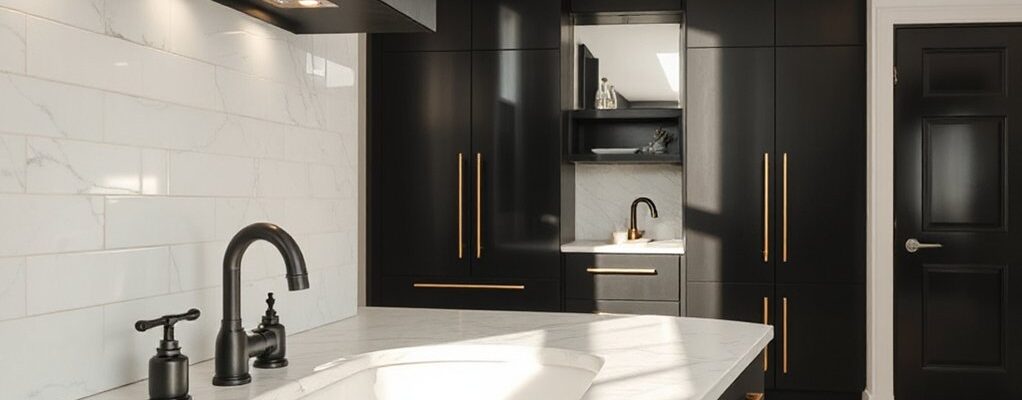
When you pursue a kitchen or bathroom renovation, focus on high‑ROI upgrades, durable finishes, and efficient layouts that boost daily usability and long-term value. Prioritize energy‑efficient appliances, smart tech, and precise budgeting to prevent rework. Plan with permits where needed and anticipate common pitfalls. By aligning design choices with storage optimization and workflow, you’ll create a space buyers notice—yet the next step isn’t obvious until you weigh cost, timing, and performance against your goals.
Identify High-ROI Upgrades for Kitchens and Baths
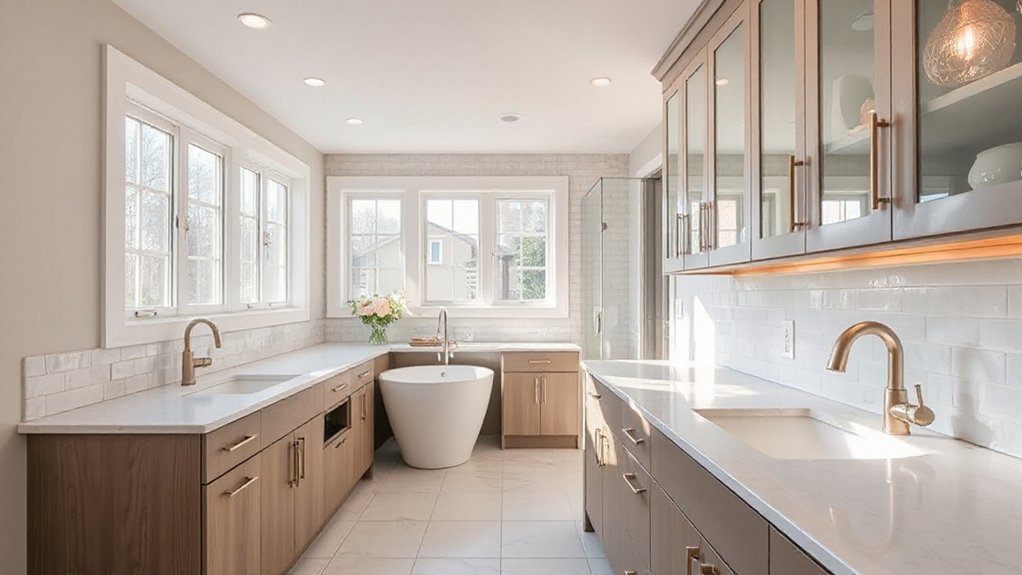
When planning a kitchen or bath renovation, prioritize upgrades that deliver the highest return on investment (ROI) by focusing on critical, visible components. You’ll maximize value by selecting high-ROI changes that improve function and appeal without overbuilding.
Begin with durable, low-maintenance surfaces and efficient layouts that reduce operating costs and enhance daily use. Replace dated fixtures with modern, water-efficient models and guarantee proper sealing and ventilation to prevent future expenses.
Elevate aesthetics with targeted upgrades, like luxury fixtures and designer accents, that command perceived value without excessive spend.
Schedule meticulous detail checks for alignment, finish consistency, and insulation. Document energy and water savings to support ROI during resale.
Conclude with a concise punch list that prioritizes these high-impact items for a sharp, durable renovation.
Budget Your Project Efficiently for Maximum Impact
Plan your budget around clear, high-impact items and set a realistic contingency to safeguard the project. You’ll allocate funds by prioritizing value-driven components, mapping costs to function, and establishing measurable milestones.
Define a primary cost envelope for material selection and labor, then identify optional improvements that deliver incremental returns. Track unit costs, productivity, and waste to prevent scope creep.
Maintain tight contractor communication to align expectations, timelines, and payment terms, reducing change orders and delays. Use a formalized change-management process to evaluate trade-offs between upfront investments and long-term savings.
Implement value-for-money benchmarks for each line item, including cabinet hardware, fixtures, and utility upgrades, ensuring decisions are defensible if bids vary. Document assumptions, risk, and contingency use to sustain project momentum without compromising quality.
Choose Timeless, Durable Finishes That Add Long-Term Value
Choosing timeless, durable finishes is essential for long-term value in kitchen or bathroom renovations. You should ground material selection in performance data, including abrasion resistance, stain tolerance, and maintenance lifecycle, to minimize future replacements.
Prioritize finishes with proven colorfastness and easy sourcing to support design consistency across all surfaces and cabinetry.
Opt for mid-range, neutral palettes that age gracefully, avoiding trend-driven extremes that shorten lifecycle.
Confirm compatibility between countertop, backsplash, and fixtures through a unified material logic, reducing variance in sheen, texture, and porosity.
Document warranties and care requirements to verify long-term viability.
Test samples under real use conditions and solicit contractor input on wear patterns.
Design consistency across zones preserves resale appeal and simplifies future upgrades.
Optimize Layout and Storage for Daily Convenience
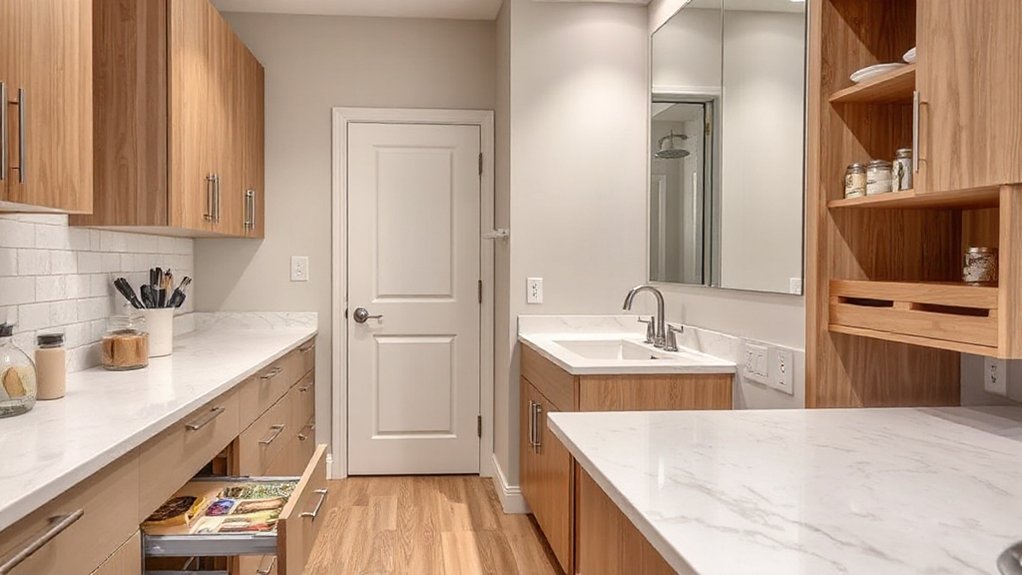
A well-optimized kitchen or bathroom layout prioritizes daily flow by placing high-use zones within easy reach and aligning storage with task sequences. Start by mapping routines: prep, cleanup, and reach zones should form a logical triangle around the primary work surface.
Choose drawers and pullouts that minimize bending and reaching, enabling ergonomic design without sacrificing capacity. Locate frequently used items at waist to eye level, designate dedicated zones for cookware, pantry, and cleaning supplies, and use vertical storage to reduce countertop clutter.
Integrate lighting enhancements to illuminate work surfaces without shadows, ensuring precise task execution. Confirm doors, drawers, and appliance placements allow open access and clear pathways.
Verify material tolerances and clearance are consistent with usage patterns to sustain long-term efficiency.
Add Energy Efficiency and Smart Tech That Buyers Notice
Energy efficiency and smart tech can differentiate a kitchen or bathroom renovation, delivering cost savings and modern appeal. You’ll prioritize systems that buyers value, focusing on measurable benefits and reliable performance.
Begin with Smart appliances that integrate with home networks, enabling remote monitoring and energy usage tallies. Choose models with high Efficiency ratings and per-cycle cost data to justify upfront investments.
Next, implement Energy efficient lighting across task surfaces and ambient zones, favoring LED fixtures and dimmable controls for tailored illumination. Integrate smart controls to automate schedules, occupancy sensing, and scene presets, reducing standby and overuse.
Document energy performance improvements, including estimated annual savings and utility impact, to support value propositions during showings.
Guarantee compatibility with existing circuits and professional installation for safety and compliance.
Plan With Permits and Avoid Common Renovation Pitfalls
Secure permits early to prevent delays and rework, and verify local requirements before work begins.
Align your budget with codes from the outset, so unexpected costs don’t derail the project.
Schedule inspections timely to catch issues early and keep the renovation on track.
Secure Permits Early
Securing permits early sets the foundation for a smooth kitchen or bathroom renovation; planning with permits upfront prevents costly delays and code conflicts. You begin by identifying applicable permits (building, mechanical, plumbing) and confirming required inspections with your municipality.
Create a permit timeline that aligns with major milestones, and assign responsibility to your project lead. Documented plans should reflect accurate material selection to avoid revision cycles, and you’ll want to synchronize drawings with code interpretations to minimize back-and-forth.
In parallel, initiate contractor negotiations to lock scope and pricing before work begins, ensuring compliance expectations are built in. Maintain a transparent records folder for approvals, amendments, and inspection sign-offs.
Align Budget With Codes
Aligning your budget with codes starts by embedding permit requirements into your cost plan so you can foresee expenses before work begins. You’ll identify applicable codes early, translate them into actionable line items, and reserve contingencies for inspections and potential revisions.
Plan for design trends and local standards so updates align with high-value finishes without overspending. Integrate permit costs with structural, electrical, plumbing, and safety work to prevent scope creep.
Source materials with compliance in mind, verifying that products meet code and performance criteria, and documenting lead times for procurement.
Coordinate with your contractor to confirm responsibilities, timetables, and required inspections, so approvals flow without delays.
Maintain a transparent budget ledger, tracking change orders against the original estimate to keep the project on track. Material sourcing remains proactive, not reactive.
Schedule Inspections Timely
Timely inspections are essential to keep your renovation on track, so plan ahead for each permit-required check and coordinate with your contractor to avoid delays. You’ll establish a formal inspection schedule that aligns with task milestones, ensuring inspectors visit after critical stages like framing, rough-ins, and final finishes.
Maintain clear documentation, including permit numbers, inspection types, and expected turnaround times, to support efficient communication with authorities. Build in contingency windows for weather, material delays, or re-inspections, reducing risk to the schedule.
Use a dedicated tracking system for inspection scheduling, with alerts for upcoming dates and required corrective actions. This disciplined approach serves quality assurance by verifying compliance early, preventing rework, and preserving the project’s budget and timeline.
Frequently Asked Questions
How Long Does a Kitchen or Bath Renovation Typically Take?
A kitchen or bath renovation typically takes 4–12 weeks, depending on scope. You’ll coordinate appliance upgrades, timing, and material selection, while trades progress concurrently; expect phased deliveries, potential contingencies, and fixture install windows that keep disruption manageable.
What Upfront Costs Should I Expect Beyond the Budget?
You should expect upfront costs beyond your budget for permits, design fees, and contingency, plus material costs and installation. Consider design considerations like layout changes, fixtures, and plumbing. Plan contingencies; document quotes; track progress; verify warranties and timelines.
Which Contractors Deliver the Best Value for Money?
Contractors delivering the best value aren’t mystical; you simply compare cost effective upgrades and vet thoroughly using contractor selection tips. You’ll avoid overpaying by requesting detailed bids, timelines, warranties, and clear milestones—truthfully, irony aside, you win smarter.
How Do I Choose Non-Vanity Storage Solutions Effectively?
To choose non-vanity storage effectively, prioritize custom shelving and hidden compartments that maximize reachable space, align with workflow, and minimize visual clutter; measure precisely, select sturdy hardware, and install adjustable components for flexibility and long-term utility.
Can Renovations Boost Home Resale Value in the First Year?
Renovations can boost resale value in year one, but gains depend on quality and market. You’ll see impact with luxury upgrades that balance cost, and consider environmental impact to attract sustainability-minded buyers and maintain compliance.
Conclusion
Renovating your kitchen or bath pays off when you focus on high-ROI upgrades, smart budgeting, and durable, timeless finishes. Prioritize efficient layouts, ample storage, and energy-saving appliances to attract buyers and reduce operating costs. Integrate smart tech thoughtfully to boost appeal without overbuilding. Remember: secure permits early and inspect milestones to avoid rework. Fun stat: homes with upgraded kitchens see up to a 5–12% value increase at resale. Plan, execute, and verify to maximize return.