
Did you know Cardiff’s rental prices are climbing even as vacancy stays near historical lows? You’ll see that demand is driven by students, job growth, and a tight supply of renovated, newer units in city center and near universities. As rents edge up, premiums for upgraded properties and seasonal spikes around academic intake shape your options and costs. Stay with this to understand where values are strongest and what signals to watch next.
What’s Driving Cardiff’s Rental Prices Today
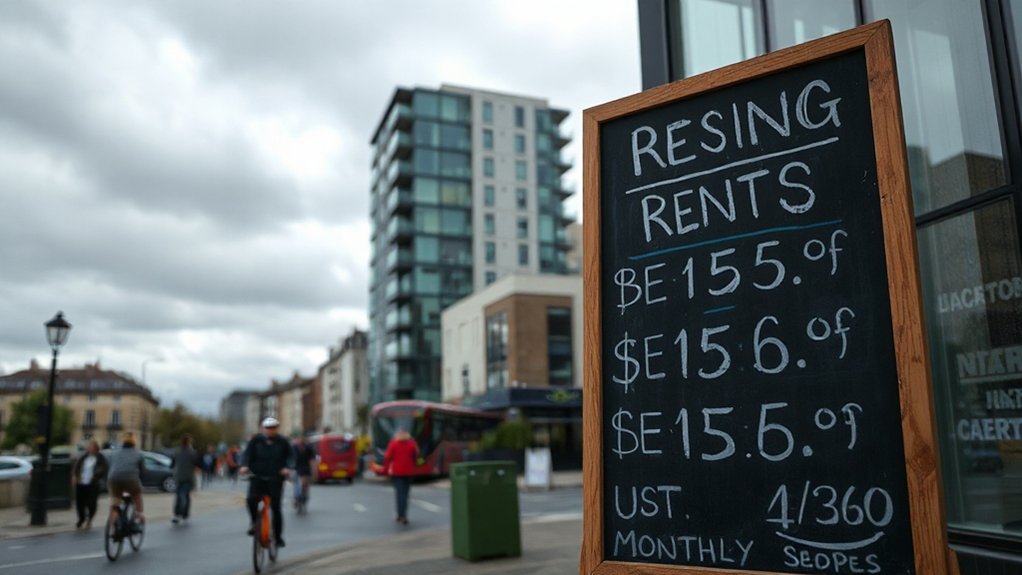
Rental prices in Cardiff are up due to a tight supply alongside sustained demand from renters attracted to the city’s jobs, universities, and amenities. In this landscape, market affordability shifts as wages trail or align with rising rents, creating a narrowed gap for first-time renters and students.
You’ll notice a progressive tilt toward higher-price bands in central districts and near university hubs, while outer suburbs show modest gains. Data indicate vacancy rates linger near historic lows, reinforcing price momentum even when seasonal cycles slow.
Rental regulations shape both pricing ceilings and security deposit norms, influencing how quickly listings turn over. You assess affordability by comparing annual rent to median income, and you factor regulatory constraints into your planning and negotiation strategy.
Where Rents Are Highest in Cardiff: and Why
In Cardiff, the highest rents cluster in central districts and near the university belt, where demand outpaces supply and amenities attract tenants willing to pay premium. Pricing disparities emerge between core zones and fringe areas as property types shift from studios to larger flats.
You’ll notice tighter vacancy rates in campus-adjacent wards, translating to elevated per-bedroom rates and quicker lease turnovers. Across districts, rents respond to a mix of student demand, professional amenities, and transport links, creating measurable demand fluctuations by season and academic cycle.
Data shows premium offsets for proximity, security, and lifestyle facilities, while renovations and building age moderately dampen price gains in older blocks. Understanding these drivers helps you target neighborhoods with the strongest short-term rent stability and upside potential.
Year-over-Year Rent Trends by Neighbourhood
Year-over-year rent trends vary by neighbourhood, revealing where demand has accelerated or cooled and how local factors shape price trajectories. You’ll see pockets of double-digit growth in mature corridor areas, while fringe zones show modest increases or stabilization.
In the city centre, rental values edge up, reflecting high occupancy and ongoing property investment activity, even as new supply tightens short-term availability.
In outward districts, amenities and transport links drive incremental gains, yet relative affordability keeps momentum tempered.
Regulatory changes, including rental regulations, influence negotiation power and lease terms, subtly shifting year-over-year comparisons.
Data indicate that neighbourhood-specific factors—development pipelines, school catchments, and vacancy rates—drive divergence more than citywide averages.
Track these micro-trends to refine pricing, tenure strategies, and portfolio risk assessment.
How Student Demand Shapes Cardiff’s Rentals

Student demand is a key driver behind Cardiff’s rental trajectory, with a clear tilt toward properties near universities and student-friendly amenities. You’ll see demand concentrates around central campuses, with occupancy rates exceeding 95% in peak terms and spillover into adjacent neighborhoods.
Data show annual rent growth aligns with term calendars, spiking around new intake periods before stabilizing as leases renew. You should track transaction velocity, as higher inquiry-to-lease ratios correlate with tighter supply in student housing clusters.
Affordability pressures emerge when meal plans, transport, and utilities are bundled, narrowing choices for first-year renters. For landlords, proximity premium is persistent, yet volatility remains tied to academic calendars and targeted housing options.
How Tech and Business Growth Affect Cardiff Rents
Tech and business growth are tightening Cardiff’s rental landscape by elevating demand in areas tied to clusters of tech offices, incubators, and product hubs.
You’ll notice rents rise where tech innovation hubs concentrate, as companies recruit talent locally and convert office space into team hubs. Data show occupancy in these districts climbs faster than broader areas, with occupancy duration increasing as workers seek proximity to collaborative spaces.
Business expansion fuels longer tenancy commitments and selective leasing, nudging price benchmarks upward in prime submarkets. You’ll also see correlations between startup funding cycles and short-term rental spikes near accelerator campuses.
While overall citywide rents stay influenced by macro trends, the strongest pressure points align with tech-driven growth and sustained investment in product development ecosystems.
Cardiff Rental Supply: Vacancies, New Builds, and Conversions
Cardiff’s rental supply shows a tight balance of vacancies, new builds, and conversions shaping the market this year. You’ll see vacancies hover near a regional average, signaling limited slack for new tenants and steady turnover.
New-build deliveries are concentrated in central and dockside corridors, sustaining rental growth but compressing availability in prime areas.
Conversions from offices and hotels add supply but often target shorter-term stays, influencing overall inventory quality and mix.
Regulatory intent appears to steer development toward affordable segments, with infrastructure upgrades supporting higher density.
You should monitor how rental regulations influence permitting timelines and completion rates, as these affect vacancy duration and pricing tilts.
Tenant rights considerations underpin lease stability and dispute resolution, shaping landlord-tenant interactions amid ongoing supply adjustments.
What Tenants Pay: Key Rent Components Explained

Rent in Cardiff isn’t a single price tag; it’s a mix of components that determine the total you pay each month. The base rent reflects the agreed monthly rate for your unit, while market conditions can push this up or down.
Additional charges commonly surface as service or utility fees, which cover essentials like water, waste, and building maintenance. Some properties include council tax estimates or charging for communal areas, so you should verify what’s bundled and what’s billed separately.
Understand any impact from renewal or tenancy deposits, since these costs influence upfront affordability. Tenant rights protect you from unfair charges, and landlords must disclose all fees transparently.
Ultimately, rental affordability hinges on comparing total monthly costs to your income, not just the headline rent.
Incentives and Lease Lengths in Cardiff Rentals
Data show a notable split between standard 12-month leases and shorter or longer terms, influencing monthly costs and renewal risk.
Incentive programs, such as one-month rent waivers or upfront fee rebates, correlate with higher occupancy in markets with tighter supply.
Lease variations across neighborhoods reflect supply heterogeneity, with some areas favoring flexible end dates and option-to-extend clauses.
Tenants should compare total cost over the first year, including any forfeited deposits or renewal penalties.
Transparency on renewal terms helps evaluate true affordability beyond initial rents.
Rent Controls vs Market Flexibility in Cardiff
You’ll consider how rent controls could dampen price volatility but may curb supply, trading tighter short-term affordability for longer-term market rigidity.
In Cardiff, data on vacancy rates, new builds, and occupancy trends will reveal whether controls improve tenant stability without sacrificing housing stock.
Meanwhile, market flexibility—through indexed rents or performance-based incentives—could boost supply responsiveness, but might heighten rent swings for tenants; the trade-offs hinge on observed elasticity and enforcement rigor.
Rent Control Trade-Offs
Although rent controls aim to protect tenants, they can constrain landlord investment and housing supply, potentially raising vacancy rates and diverting capital away from Cardiff’s rental market. You’ll see trade-offs in how policy shapes incentives and outcomes.
Data indicate that strict controls may limit new construction and renewal rates, reducing overall stock available to new tenants. Yet, proponents point to steadier affordability and clearer tenant rights, which can lower displacement risk in tight markets.
In Cardiff, the balance hinges on calibrated ceilings, escalation rules, and exemptions that minimize distortions while preserving property maintenance incentives. You assess effects by tracking vacancy duration, time-on-market, and capital deployment alongside tenant satisfaction metrics.
The central question remains: how can Rent control align tenant rights with market significance without stifling supply?
Market Flexibility Impacts
Market flexibility in Cardiff hinges on how rent controls interact with market-driven pricing dynamics, vacancy cycles, and investment responsiveness. You’ll see that tighter controls can dampen new-build activity and slow turnover, lifting vacancy durations and softening weekly rent growth in the short term.
Conversely, relaxed controls tend to accelerate market churn, boosting landlord reinvestment incentives but potentially increasing volatility in year-over-year rents. Data indicate that vacancy rates correlate with policy shifts, while price dispersion across neighborhoods widens when regulations constrain supply.
You weigh market regulations against tenant rights, noting trade-offs between affordability stability and allocation efficiency. In a flexible regime, you expect recaptured productivity through competitive bidding and responsive maintenance cycles, enhancing long-run occupancy quality.
Policy design should target transparent enforcement, predictable adjustments, and measurable housing outcomes.
Rental Demand by Property Type: Flats, Houses, Studios
You’ll see flats driving the earliest demand signals, with steady inquiries outpacing other types in the latest data.
Studios are pacing quickly, showing a higher turnover rate and shorter average stays than larger units.
Houses hold a growing market share, but growth hinges on price, location, and family-sized demand dynamics.
Flats Demand Trends
Flats account for the majority of rental demand in Cardiff, outpacing houses and studios in monthly inquiries and viewing activity. Demand signals show flats attract higher search volumes and faster take-up, with conversion rates outperforming other property types by a measurable margin.
Year-on-year data indicate steady volume growth, underpinned by predictable turnover and shorter vacancy periods.
Regional variations matter: central and coastal corridors drive stronger interest, while suburban pockets lag slightly.
Tenants increasingly prioritize features that differentiate flats, such as luxury amenities and flexible lease terms, which correlate with higher inquiry-to-viewing ratios.
Pet policies also influence engagement, with pet-friendly flats recording a modest uplift in both inquiries and applications.
Studio Rental Pace
Studios show a distinct pace in Cardiff’s rental market, often lagging flats but outpacing houses in both inquiries and viewings on a weekly basis. You’ll see steady month-to-month demand signals, with studios drawing a higher conversion rate from inquiries to viewings than houses, and similar-to-slightly lower volumes than flats.
Price elasticity remains tighter for studios, though vacancy durations shorten when supply tightens. Seasonality affects showings, but tenant turnover for studios tends to be more rapid in mid-year spikes.
From a regulatory standpoint, rental regulations shape how quickly listings convert into secured tenancies, while tenant rights influence negotiation latitude and documentation timelines.
House Market Share
Across Cardiff’s rental landscape, houses capture a distinct share of demand relative to flats and studios, reflecting broader buyer-tenant preferences as market dynamics tighten. You’ll see the house market share steadily rise in the latest data, even as overall demand remains resilient across property types.
Relative to flats, houses attract longer tenancies and higher monthly rents, signaling premium pricing but also stronger rental affordability constraints for some tenants. Studios and flats secure faster turnover in core neighborhoods, yet houses dominate in outer zones with family-oriented layouts and longer-term occupancy.
The shift signals a subtle reallocation of demand away from smaller units toward larger, more versatile homes. Tracking this allocation helps quantify Rental affordability pressures and informs pricing strategies for landlords and agents alike.
Cathays and the Student Corridors: A Focused Look

What makes Cathays and the student corridors a focal point in Cardiff’s rental market is the clear concentration of purpose-built student housing and licensed shared accommodations near campuses. This yields distinct demand patterns and pricing dynamics. You see higher occupancy stability and sharper seasonal swings, driven by term dates and intake cohorts.
Historical affordability informs current pricing: rents have trended upward despite broader market moderation, reflecting unit specialization and proximity to academic facilities.
Rental regulations shape availability and quality, with licensing requirements tied to safety standards and landlord compliance in clustered zones. Data show tighter vacancy windows between semesters and premium pricing for furnished, en-suite options.
You should expect pronounced rent per bedroom metrics, assessed against university calendars, campus shuttle access, and the density of compliant properties.
City Centre and Waterfront: Renting Dynamics
City Centre demand has cooled slightly after peak season, but occupancy remains high as amenities and transport links attract movers from outskirts.
Waterfront rents show steadier growth, driven by new developments and premium views, even as overall supply tightens.
You’ll want to track these two dynamics together to forecast shifts in price, turnover, and time-on-market across Cardiff’s core districts.
City Centre Demand Trends
Demand in Cardiff’s city centre and waterfront housing has strengthened as rental appeal tightens around prime locations, with occupancy rising and rents ticking upward since late 2023. You’ll notice demand concentrated in core micro-areas, with submarket dispersion limited by scarce new supply and higher redevelopment costs.
Occupancy rates exceed 95% in central wards during peak seasons, while year‑over‑year rent growth sits in the low to mid single digits, signaling modest but persistent pressure on available units. Historical affordability remains a constraint for many prospective tenants, narrowing move‑in options for first‑time renters and bargain seekers.
Rental regulations appear to be stabilizing entry points, reducing speculative churn and supporting longer tenancies. Overall, Centre demand trends point to sustained, selective pricing resilience amid tighter market fundamentals.
Waterfront Rent Dynamics
Waterfront rents show selective strength, underpinned by limited new supply and continued demand concentration in prime micro-areas. You’ll see tighter vacancy rates in key waterfront sub-neighborhoods, with occupancy hovering near peak levels as tenants compete for modern, amenity-rich units.
Prices climb where new developments land first, while older stock faces slower adjustment but remains under pressure due to ongoing demand. Data indicate a split between premium waterfront properties and more affordable entries within adjacent city-fringe pockets, signaling nuanced dynamics rather than uniform growth.
You should map rental affordability against unit quality and proximity to transport links, acknowledging development timelines. Waterfront development activity supports price resilience, yet stakeholders must monitor absorption cycles and potential regulatory or financing constraints impacting long‑run rent trajectories.
Splott, Grangetown, and Emerging Pockets
Splott, Grangetown, and the emerging pockets near the city center show measurable shifts in rental activity, with vacancy rates tightening and rents stabilizing after a period of volatility.
You’ll notice mid-density corridors outperforming peripheral areas, indicating stronger demand pockets amid improving transport links and local amenities.
Historical regulations, including licensing and planning constraints, appear to shape unit turnover and landlord decisions, contributing to steadier occupancy.
In this submarket, rental affordability remains a key constraint for new tenants, even as landlord yields trend toward moderate increases.
Data suggests a narrowing price dispersion within these zones, with studios and one-bedroom units leading activity.
You should monitor renewal rates and vacancy duration, as convergence toward city-wide norms could signal broader Cardiff stabilization rather than localized spikes.
How Seasonality Affects Rents and Occupancy
Seasonality drives noticeable swings in Cardiff’s rental metrics, with occupancy and rents tightening in peak demand months and softening during off-peak periods. You’ll see pronounced Seasonal fluctuations in monthly asking rents and vacancy rates, tied to university calendars, tourism, and corporate hiring cycles.
Demand cycles typically peak in late spring and early autumn, then contract through winter, creating cyclical pressure on both landlords and tenants. Occupancy tends to rise when students return and travel slows, while rents compress between terms and holidays.
Conversely, midsummer spikes in demand may lift rents modestly, but occupancy plateaus as available stock expands. Across neighborhoods, the magnitude of seasonality varies with supply mix and amenities.
Practical Tips for Tenants to Lock in Value

To lock in value amid Cardiff’s seasonal rent swings, tenants should act with a data-driven approach that accounts for peak and off-peak cycles. Track monthly rent data for comparable units, then time your moves around observed troughs and renewal windows. Use objective criteria—price per square foot, vacancy rates, and days on market—to guide offers and decisions.
Know your Tenant rights, including right to fair dealing and timely repairs, so you can leverage leverage legally if terms feel skewed. In lease negotiations, propose concessions tied to evidence: fixed-rate periods, capped annual increases, or inclusive utilities to stabilize costs.
Document everything, request written confirmations, and avoid escalating commitments during high-demand spikes. Stay informed, compare alternatives, and negotiate from a prepared, data-backed position.
Practical Tips for Landlords to Minimize Vacancy
To minimize vacancy, you should implement short-term turnaround tactics, focusing on fast listing updates, flexible viewing windows, and rapid remediation of issues that stall leases.
Combine strategic tenant screening with data on occupancy trends to balance risk and fill rates, aiming to reduce days on market while maintaining quality Renters.
Proactive vacancy prevention means ongoing property maintenance, clear communication, and market-responsive rental pricing to keep turnover low and occupancy high.
Short-Term Turnaround Tactics
Even with careful tenant screening, vacancies bite into cash flow, so quick, data-informed turnaround tactics are essential for landlords in Cardiff. You’ll optimize listings by benchmarking time-on-market against local peers, then calibrate pricing with demand signals from recent rental comps and occupancy trends.
Prioritize rapid pre-visit preps: standardized checklists, high-probability maintenance fixes, and professional photography to shorten show windows. Implement flexible viewing hours and digital applications to reduce friction.
Use conditional offers tied to move-in timelines, aligning tenant credit checks with regulatory windows. Track vacancy duration weekly and set target reductions, adjusting marketing channels accordingly.
Always respect Rental regulations and tenant rights, ensuring transparent notices and fair processes. Data-backed feedback loops secure higher occupancy while maintaining compliance and reputational clarity.
Strategic Tenant Screening
Use standardized criteria to reduce bias and speed up decisions, and document every step for audit trails. Verify sources efficiently: employment, income, and previous landlord references, while scoring risk factors objectively.
Maintain tenant privacy by limiting data collection to relevance, and store information securely to protect sensitive details.
During lease negotiations, present clear expectations on payment terms, maintenance responsibilities, and renewal options to minimize disputes.
Aligning screening results with your property’s value proposition helps you optimize turnover, reduce vacancy days, and sustain steady cash flow without compromising fairness or compliance.
Proactive Vacancy Prevention
Are vacancy losses eating into your returns? In Cardiff’s rental cycle, proactive vacancy prevention reduces downtime by aligning marketing, viewings, and tenancy start dates with demand spikes.
You should implement a data-driven approach: track average vacancy days by property type and neighborhood, then tailor timelines for renewals and re-let windows.
Maintain compelling advertisements, clear photos, and updated floorplans to shorten decision periods.
Offer flexible viewing slots, rapid application processing, and on-boarding packages that streamline tenancy start within a disciplined budget.
Prioritize tenant retention through early communication, transparent maintenance scheduling, and lease renewal incentives tied to market data.
Regularly review rent alignment, service quality, and neighbourhood amenities to minimize vacancy risk while sustaining tenant retention and steady cash flow.
Data Sources and What to Watch Next (Price Signals and Indicators)
Data sources for Cardiff’s rental market hinge on a mix of public records, industry trackers, and local surveys, which together reveal price signals and near-term indicators.
You’ll monitor rent registries, council housing data, and property platforms for price momentum, vacancy rates, and transaction velocity.
Track seasonality, density shifts, and micro-neighborhood variations to pinpoint where demand exceeds supply.
Cross-check with landlord-tenant data on lease agreements to gauge contract length, renewal rates, and concession trends.
Stay alert for regulatory changes that influence pricing, such as Rental regulations or tenancy reforms, and assess their ripple effects on cap rates and occupancy.
Use this signal set to frame risk scenarios, while evaluating compliance, landlord expectations, and borrower or investor responses to evolving market conditions.
What’s Likely Next for Cardiff’s Rental Market Trends
You’ll see demand signals staying firm, with occupancy and inflows suggesting steady rent pressure in the near term.
The rent growth outlook looks modest to moderate as new supply adds headroom, while price momentum hinges on uptake in high-demand areas.
Expect supply adjustments to respond to vacancies and affordability, shaping the trajectory of Cardiff’s rental dynamics.
Market Demand Trajectory
Given Cardiff’s growing student and young professional cohorts, demand is likely to remain strong for well‑located, high‑quality rental units, even as supply gradually catches up. You’ll observe a trajectory shaped by seasonality, macroeconomic conditions, and shifting preferences for live‑near campus hubs and tech‑driven workplaces.
Market fluctuations are expected to center on transfer windows, exam periods, and graduate intake cycles, creating predictable upticks in occupancy and short‑term turnover.
You’ll also note that rental affordability remains a gatekeeper: even with new stock, price sensitivity among students and early‑career tenants will temper rental growth and influence unit choice.
In aggregate, demand will likely outperform supply in core districts, sustaining competitive pricing dynamics while new developments modulate pressure across the broader market.
Rent Growth Outlook
Despite ongoing new supply, Cardiff’s rent growth is likely to stay moderate over the next 12–24 months as demand from students and young professionals remains robust but price-sensitive.
In this outlook, you’ll see measured gains driven by steady occupancy and limited premium escalation. Price growth is expected to decelerate as affordability constraints bite, particularly for entry-level rentals and shared accommodation.
Market saturation at central campuses may temper increases, with newer stock competing against established units in peripheral zones.
Rental yields should remain attractive enough to sustain investor interest, yet rent constancy could emerge in weaker submarkets.
You should monitor vacancy rates, time-to-let, and renewal patterns, as these indicators align with a cautious but resilient demand loop amid affordability challenges.
Supply Adjustments Ahead
As supply adjusts, Cardiff’s new-build activity and redevelopments are likely to moderate price pressures while sustaining occupancy gains. You’ll observe a softening of monthly rent increments as developers align pipelines with demand signals and planning approvals stabilize.
Our data show incremental increases in supply entering late-cycle projects, which should dampen peak-rate spikes without erasing growth momentum. Expect occupancy to remain robust, supported by city-backed regeneration and a diversified housing mix.
Property taxation policies and rental legislation will shape pace and pricing, with potential changes affecting investment calculations and capex decisions. If tax incentives or stricter compliance emerge, landlords may favor longer-tenancy products and efficiency upgrades over rapid leasing.
Frequently Asked Questions
How Does Cardiff’s Student Cycle Affect Rental Demand Year-Round?
Student leasing drives seasonal peaks around term starts, tapering during holidays, then rebounds as exams approach; you’ll notice demand tracks the academic calendar, with steady year-round activity among year-long renters and short-term sublets.
Which Small Areas Show Rapid Rent Growth Next Year?
Neighborhood gentrification accelerates in Simonstone and Pontprennau, where rent growth outpaces income gains next year. You’ll see Rental affordability squeeze, yet data-driven trends suggest these small areas rise fastest despite affordability pressures.
What Hidden Fees Appear in Welsh Tenancy Agreements?
Hidden fees may appear in Welsh tenancy agreements, including administration charges and renewal fees. You should scrutinize every clause, verify costs, and request itemized, transparent breakdowns to avoid surprise charges and guarantee compliant tenancy agreements.
Do Rent Subsidies Exist for Low-Income Cardiff Tenants?
Yes,.
You can access rent subsidies in Cardiff through housing assistance programs; these support rent affordability by offsetting costs for low-income tenants, with eligibility based on income, household size, and local demand indicators.
How Do Transport Upgrades Influence Future Rents?
Transport infrastructure boosts future affordability by shortening commutes and expanding housing options, which can moderate rent growth. You’ll likely see steadier rents as access improves, but certain upgrades may spike nearby demand temporarily, affecting future affordability differently across neighborhoods.
Conclusion
Cardiff’s rental scene is a data engine—wait, no, a rocket. Prices surge where supply pinches and student intake peaks, then drift as renovations hit completion. Vacancy stays near historic lows, with premiums for newer digs and central locations. Year-over-year shifts blink in neighbourhood dashboards, while student demand and tech growth steer volatility. Lock in value with timing, renovation benchmarks, and strategic leases; landlords minimize vacancy, tenants snag strategic deals. The signal is clear: stay agile, read the data, win the market.