
When vetting a general contractor, start by confirming active licenses, certifications, and insurance, then request Certificates of Insurance and verify policy details with the provider. Review past projects and contact recent clients to gauge communication and quality. Make certain a clear construction timeline with milestones and a transparent change-order process. Compare itemized bids, understand contingencies, and tie payments to progress. Watch for red flags like vague licensing info or pressure tactics. If you want more, you’ll get practical, step-by-step guidance.
What Licenses, Insurance, and Credentials Matter
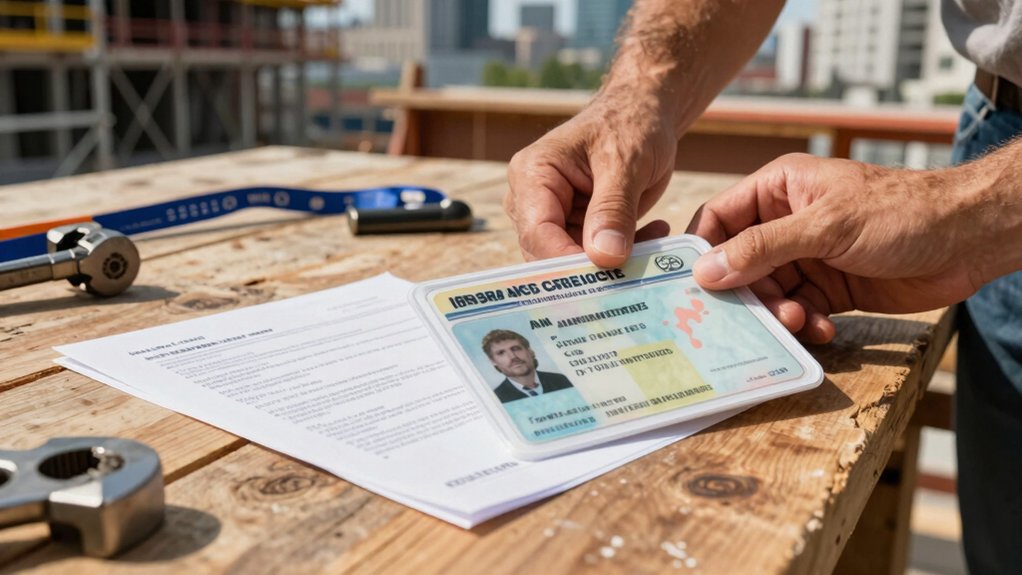
Licensing, insurance, and credentials aren’t optional details—they’re your first line of defense when vetting a contractor. You’ll want clear proof of license requirements and active status with the appropriate state or locality. Confirm the contractor’s license numbers, classifications, and any specialty endorsements that match your project.
Next, verify insurance coverage—general liability and workers’ compensation—to shield you from accidents, damage, or claims. Request Certificates of Insurance and names of insured, additional insured, and policy limits, then contact the issuing agents to confirm validity.
Credentials matter too: professional affiliations, trade certifications, and ongoing training indicate a commitment to standards. When you see organized records and transparent explanations, you’ll feel confident moving forward, knowing you’re partnering with someone who respects your home, your timeline, and your community.
How to Verify Past Projects and Fast-Track References
Want to quickly gauge a contractor’s track record? Start with concrete proof: project documentation that shows scope, budgets, timelines, and outcomes. Review a portfolio of completed jobs, noting consistency in quality and problem-solving under pressure.
Then fast-track references by contacting recent clients who faced similar challenges and timelines. Ask specific questions about on-site communication, responsiveness, and how changes were handled. Look for patterns in workmanship, cleanup, and adherence to safety standards.
Verify the contractor’s role on each project and confirm final results against original specs. Request client testimonials that pinpoint measurable results, not generic praise. Don’t rely on vibes alone—cross-check dates, budget variance, and warranty claims.
This approach helps you build trust quickly and feel you belong with a contractor who delivers.
What a Realistic Construction Timeline Looks Like and How Change Orders Work
A realistic construction timeline starts with a clear, line-by-line plan that accounts for weather, permits, material lead times, and crew availability. You’ll see how milestones map to your project’s life cycle, from framing to finish, so you know what to expect and when.
Communicate change orders early; they aren’t roadblocks, but a structured path to align scope with reality. Change orders should be documented, priced, and approved before work continues, reducing miscommunication and delays.
This approach helps you assess construction milestones against actual progress, anticipate potential project delays, and adjust dates with confidence. You deserve transparency, predictable pacing, and a sense of belonging on a reliable team.
Your contractor should provide realistic buffers, track progress, and keep you informed at every phase.
Understanding Bids, Costs, and Payment Schedules Before You Decide
Before you decide, you need a clear handle on bids, costs, and payment schedules. You want clarity, not guesswork, so ask for breakdowns, contingencies, and milestones that align with your project. Budget transparency matters because it builds trust and protects your investment.
Payment schedules should reflect progress, not promises, with clear triggers and documentation.
- Review itemized bids side by side, noting what’s included and what’s excluded, so you feel confident you’re comparing apples to apples.
- Confirm any contingency allowances and how they’re managed, so you’re not surprised by hidden costs.
- Insist on written payment milestones tied to measurable work, ensuring you’re in control and part of the process.
Red Flags to Watch for and How to Compare Contractors With Confidence
Red flags aren’t just red herrings—they’re warning signs you can’t ignore. When you’re vetting, watch for inconsistencies in timelines, vague or missing licensing, and pressure tactics to rush decisions.
A contractor who dodges questions about permits, subcontractors, or insurance is signaling risk you don’t need. Compare bids not just on price, but on clarity about the project scope, materials, and milestones.
Trust is earned through communication, transparency, and a documented plan you can review with your team. Check the contractor reputation by speaking with past clients and inspecting completed work.
Favor firms that provide detailed contracts, change orders, and realistic schedules. By aligning expectations with a reliable contractor, you protect your budget, timeline, and peace of mind.
Frequently Asked Questions
How Do You Handle Subcontractor Staffing Shortages or Delays?
Clearly plan, pivot, and pre-vet subcontractors to prevent delays; you’ll substitute, supervise, and streamline. You handle subcontractor vetting, staffing contingency, secure backups, and communicate changes swiftly, ensuring seamless projects and a sense of belonging for everyone involved.
What’s Your Approach to Safety Training And现场 Compliance?
You prioritize safety training with clear Safety protocols and regular Site inspections, gritty on-site accountability, and ongoing refreshers. You empower crews, address gaps promptly, and champion compliance, so everyone feels supported, valued, and confident walking through every job site.
How Will You Minimize Disruptions to My Daily Routine?
You’ll barely notice disruption as I respect your routine, because I prioritize minimal impact, project timeline, and clear communication methods. Ironically, I’ll stay ahead, so you feel included, informed, and ingroup-partnered throughout every update and decision.
Do You Offer a Sole-Source Warranty for Workmanship?
Yes, we offer a sole-source workmanship warranty, backed by clear terms and your protections. You’ll benefit from insurance policies and license verification as part of a trusted, belonging-forward contract, ensuring accountability and ongoing support.
How Do You Manage Project Documentation and Change Logs?
We manage project documentation and change logs through a centralized system you can access anytime; you’ll see updates, approvals, and version history clearly. This keeps everyone aligned, accountable, and empowered, fostering belonging and trust across your team.