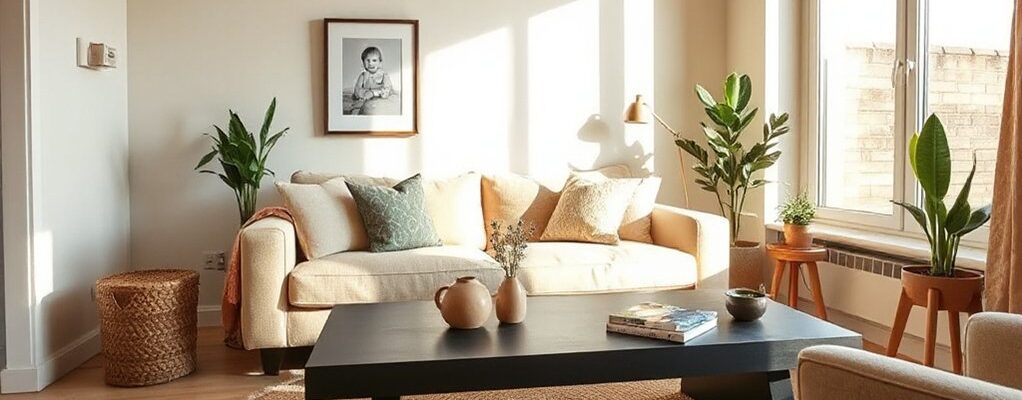
A new-build gives you a clean slate, but that blank canvas can feel intimidating until you spot the quiet shortcuts that matter. You’ll establish a cohesive palette and steer simple upgrades—fixtures, textiles, and lighting—that deliver impact without breaking the bank. Subtle built-in features and well-planned layouts do most of the heavy lifting, while thoughtful accents add character. There’s more to map out, and a clear path will help you stay purposeful as you move from concept to comfortable.
Define Your Palette in 4 Steps
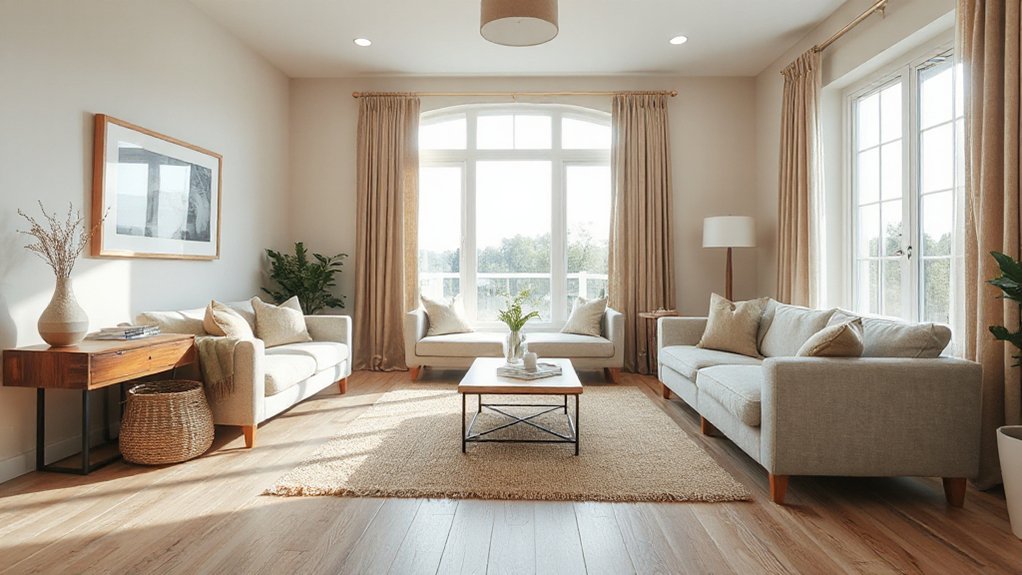
Start by naming a core palette you love—three to five colors that feel calm and cohesive. You’ll anchor your choices with color theory, then translate it into real spaces through intentional material selection.
Begin with a neutral backbone, add a 1–2 accent hues, and reserve a subtle off‑white for ceilings and trim. Think about undertones that harmonize across fabrics, cabinetry, and lighting.
In practice, draft a simple swatch map and test samples in daylight and artificial lighting.
Consider texture as color in disguise: matte paints, natural woods, and brushed metals create depth without shouting.
When selecting materials, pair durable surfaces with softer textiles to maintain a unified vision.
Finally, document decisions in a single palette log to keep your design cohesive and adaptable.
Prioritize High-Impact Finishes on a Budget
Want big impact without blowing the budget? Focus on high-leverage finishes that transform spaces fast. Choose a cohesive material palette and apply it consistently—flooring, cabinetry, countertops—so every room feels connected.
Prioritize items you’ll notice daily: a bold, durable countertop, statement lighting, and a refined door hardware set. Invest where quality matters most, then save on details elsewhere.
Introduce custom furniture pieces to tailor scale and proportion without overwhelming the room. They deliver personality without needing a full remodel.
Plan acoustic treatment thoughtfully—soft panels or tailored rugs can tame echoes in living zones, improving comfort and perception of quality.
Keep textures tactile yet restrained, letting finishes speak while maintaining a refined, livable rhythm.
Leverage Built-In Features to Personalize Neutrals
Built-in features are your quiet differentiators, so lean into them to personalize neutrals without clutter. You’ll harness architectural details, built-in storage, and finishes that already speak your style.
Let color psychology guide decisions: pair cool neutrals with warm accent tones to influence mood without adding busy patterns. Use the home’s natural light to decide where to emphasize contrast—shadows become texture, not noise.
In furniture arrangement, let fixed elements anchor conversations: position seating to align sightlines with views or focal points, then layer with a restrained palette of textiles and art.
Choose trim, cabinetry, and hardware finishes that echo your chosen tone, so tweaks feel intentional, not patched. The result is cohesive, timeless, and subtly luxurious, achieved with purpose rather than excess.
Layout Tweaks That Change the Feel of Every Room
You can start shaping every room by tuning layout for better flow, balancing room-to-room movement, and guiding sightlines.
Consider how Room Flow Tweaks, Scale and Proportion Adjustments, and Light and Shadow Play work together to energize or calm spaces.
A cohesive vision emerges when these tweaks feel intentional, not accidental, so each choice reinforces what you want to feel in your home.
Room Flow Tweaks
Streamline how space flows by prioritizing clear sightlines, purposeful traffic patterns, and flexible zones that can adapt as needs change. You’ll shape rooms by guiding movement with logical furniture placement and by zoning areas for work, play, and calm.
Keep corridors wide enough for two-way flow and avoid visual clutter at thresholds to preserve a sense of openness. Acoustic treatments can subtly enhance comfort, so position soft surfaces and panels where echoes tend to build, especially in open-plan living zones.
When seating groups, align chairs and sofas to face focal points without obstructing paths. Use modular screens or portable rugs to redefine zones without construction.
The outcome is cohesive, calm, and versatile, with a sense of restrained luxury you can adjust as life evolves.
Scale and Proportion Adjustments
Scale and proportion are the quiet levers that transform a space without adding anything new. You’ll tune layouts by aligning furniture footprints with architectural cues, creating a calm rhythm that your eye can follow with ease.
Prioritize scale harmony by matching chair and sofa sizes to room dimensions, avoiding oversized pieces in tight spaces and skimping on bulk in open halls.
Use proportion balance to repeat a single element—leg height, arm thickness, or leg visibility—throughout adjacent rooms for a cohesive look.
Change focal points rather than full reworks: swap a bold ottoman for a slimmer coffee table, or raise a low console to echo a high sister piece.
Small adjustments, strong cohesion, timeless restraint.
Light and Shadow Play
Light and shadow aren’t just visuals; they shape how a room feels and functions. You adjust layouts to let natural light flow where you spend time, avoiding dark corners that steal mood. Position seating to catch diffuse daylight, and use sheer drapes or light paints to soften glare without dulling brightness.
Emphasize shadow contrast with architectural details: a narrow wall niche, a pilaster, or a slim console creates depth as the sun shifts. Reflect light with polished surfaces or metallic accents, but balance them to keep a cohesive, restrained vibe.
Use lamps for controlled coziness after sundown, not overpowering luminance. By choreographing light and shadow, you craft a space that feels larger, calmer, and intentionally designed.
Smart Lighting Strategies for Mood and Functionality
Layered lighting modes let you switch from bright task light to soft, cozy glow without changing fixtures.
With zoned ambience control, you tailor mood and function in each room while keeping energy use in check.
Focus on energy-efficient brightness to maintain clarity and atmosphere without overspending.
Layered Lighting Modes
A layered lighting plan blends ambient, task, and accent lights so your new-build feels both welcoming and purposeful from day one. You’ll select a core ambient layer to define mood, a task layer for clarity, and subtle accents to highlight architecture.
Use dimmers to shift intensity without changing fixtures, preserving a cohesive vision as rooms evolve. Balance warm and cool temperatures to avoid flatness, pursuing ambient layering that adapts from daytime routines to evening relaxation.
Choose fixtures with proportional scale to each space, avoiding clutter while preserving flexibility. Consider lighting contrasts to emphasize textures—stone, timber, or textiles—without overpowering them.
Keep controls simple, so you can adjust scenes quickly, maintaining practical flair and restrained luxury throughout your home.
Zoned Ambience Control
Zoned ambience control lets you tailor mood and function room by room with smart lighting that reacts to how you live. You’ll segment spaces into ambient zones and pair them with intuitive control systems, so lighting aligns with activities—reading, entertaining, winding down.
In living areas, use warm tones for conversation and cooler hues for focused tasks, adjusting brightness with simple presets. Hallways stay welcoming without glare, thanks to motion-aware dimming.
In kitchens, layer task lighting over counters while keeping general lighting soft. Bedrooms benefit from gradual sunrise timers and quiet, low-intensity scenes for deep rest.
The goal isn’t complexity, but cohesion: a coherent vision where each zone supports daily rituals without overspending. Invest in scalable hubs and compatible devices to future‑proof your setup.
Energy-Efficient Brightness
Smart lighting should cut glare and energy use at the same time, so you tune brightness to the task and the moment. You’ll want layered illumination that adapts with quiet efficiency: ambient, task, and accent light that harmonizes with your decor.
Choose LED sources with high color fidelity and dimmable controls, then pair sensors with timers to curb unnecessary hours of use.
Use daylight as a partner, not a rival—translucent window treatments soften morning glare while preserving view and mood.
Position fixtures to highlight architectural features, echoing a cohesive, restrained luxury.
Consider solar panels on the roof and a smart hub to synchronize charging and lighting routines.
This approach delivers energy savings, better focus, and a calm, refined atmosphere throughout your home.
Budget-Friendly Upgrades: Fixtures, Hardware, and Textiles
Want to stretch your budget without skimping on feel? Focus on fixtures, hardware, and textiles that deliver touch and tone without shouting. Choose durable, classic finishes for faucets, cabinet pulls, and door hardware in brushed nickel or matte black to anchor a cohesive look.
Swap inexpensive textiles for better textiles with durable weaves and neutral palette accents—think simple curtains, cushions, and a durable rug. Prioritize universal sizes and easy updates over full replacements, so you can refresh with minimal cost.
Plan a cohesive path: select wall color choices that harmonize with metal accents and textiles, guiding furniture arrangement for balance. Favor fewer, higher-quality pieces and tasteful repeats for a polished, restrained-luxury vibe.
Layer Character With Affordable Artwork and Accessories
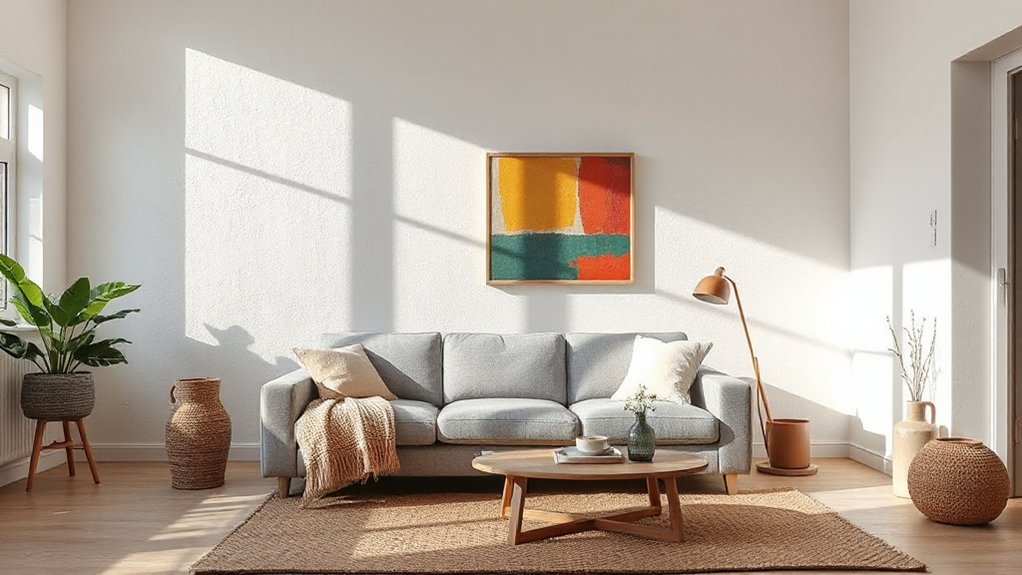
Layering character with affordable artwork and accessories is where your cohesive look comes to life without blowing the budget. You’ll anchor rooms with a curated trio of pieces—one bold statement, two supporting studies—that don’t clash, but travel together. Think in groups, not isolated accents, so Art placement guides the eye rather than competing with it.
Choose frames that complement your existing finishes, and vary scale to create rhythm across walls and surfaces. Accessory layering matters just as much as color: stack vases, books, and small sculptures at eye level for natural balance.
Rotate pieces seasonally to refresh the vibe without buying more. Keep transportability in mind; opt for lightweight or modular art that travels between spaces as your story evolves.
Room-By-Room Personalisation Checklist You Can Follow
Start with a room that sets the tone for the rest of the home, then map its essentials: purpose, traffic flow, and key focal points. You’ll apply this method room by room, ensuring a cohesive vision that feels both practical and polished.
Begin each space by defining its function, then assess sightlines and movement so doors and hallways don’t interrupt ease of use. Consider color psychology to influence mood—soft neutrals for calm, restrained accents for warmth, and pops of your personality where you linger.
Plan furniture arrangement to maximize seating and openness without crowding. Layer lighting wisely: ambient, task, and accent to shift atmospheres as needed.
Keep finishes consistent across rooms to reinforce a refined, budget-smart luxury. This checklist keeps you focused and organized throughout the build.
Plan and Track a Cost-Effective Design Timeline
With a cohesive vision in mind from your room-by-room plan, set a realistic design timeline that keeps your project moving without overspending. You’ll map phases around material selection and supplier windows, not vague guesswork.
Identify critical path items—doors, finishes, fixtures—and assign fixed deadlines to prevent slips. Build in buffer only where risk is real, then tighten elsewhere to preserve momentum.
Track progress weekly, adjusting timelines as you confirm orders and delivery windows. Use a shared calendar to align design reviews, permit approvals, and contractor milestones, keeping communication crisp and proactive.
Prioritize decisions that unlock next steps, so you don’t stall on small choices. Remember: disciplined pacing, combined with deliberate Material selection and awareness of construction timelines, sustains both quality and budget.
Frequently Asked Questions
How Can I Personalize a New-Build Without Clashing With Its Style?
Yes—keep it cohesive by starting with a unified palette and timeless furniture selection, then layer texture, color coordination, and subtle statement pieces. You’ll achieve practical flair and restrained luxury without clashing with the home’s style.
What Are Quick, Under-$100 Tweaks to Add Personality?
You’ll love these quick, under-$100 tweaks that add personality. Embrace a copper glow and plant pops; hang custom artwork and DIY accents for cohesion. You’ll achieve practical flair with restrained luxury, crafting a cohesive vision you adore.
Can I Mix High-End and Budget Elements Without Looking Mismatched?
Yes, you can mix high-end and budget elements without mismatching. Pair luxury accents with budget-friendly accessories, balance textures, and keep a cohesive color palette for practical flair and restrained luxury across your cohesive vision.
How Do I Prioritize Personalization When Rooms Have Fixed Layouts?
Strategically, you prioritize personalization by focusing on furniture arrangement and lighting design within fixed layouts. You’ll optimize flow, create focal points, and keep a cohesive vision, balancing practical flair with restrained luxury as you refine each room.
What Are Cost-Effective Decor Upgrades That Impact Resale Value?
You should invest in cost-effective decor upgrades that boost resale value, like tasteful luxury finishes and statement lighting, because these elevate perception. You’ll maintain practical flair with restrained luxury, ensuring a cohesive vision throughout your home.
Conclusion
You can personalize a new build without breaking the bank by sticking to a cohesive palette, clever finishes, and thoughtful accents. Use built-in features to your advantage, tweak layouts for flow, and layer textiles and artwork for warmth. Plan in small, tracked steps and celebrate each budget win. Remember: penny-wise, style-wise thrives when you invest in the details that endure—a stitch in time saves nine, and a well-curated home saves your sanity.