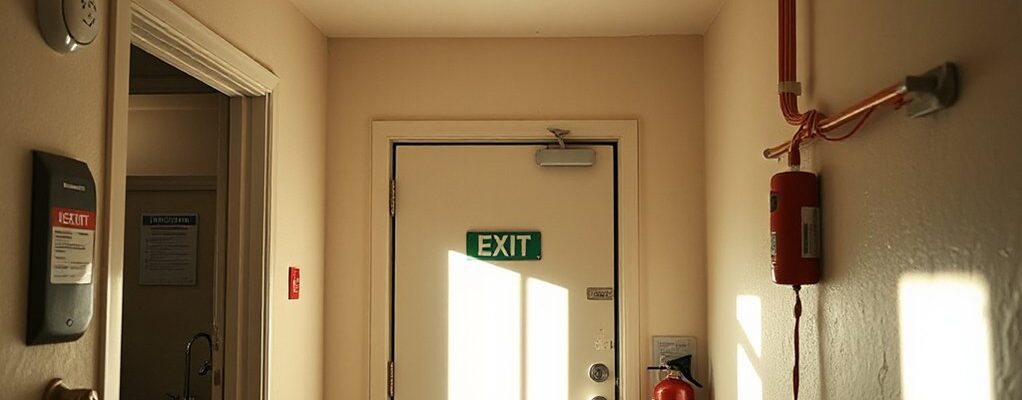
Student HMO safety requirements you must follow include clear occupancy caps, regular inspections, and documented maintenance to protect tenants and stay compliant. Guarantee safe layouts with protected wiring, smoke detectors, secure entry, and accessible exits. Keep fire and electrical systems up to date, conduct annual gas checks, and service alarms monthly. Maintain room size and ventilation standards, tidy shared spaces, and keep detailed records of all checks and repairs. Stay proactive—more guidance ahead to help you implement these controls effectively.
Why Student HMOs Must Prioritize Safety
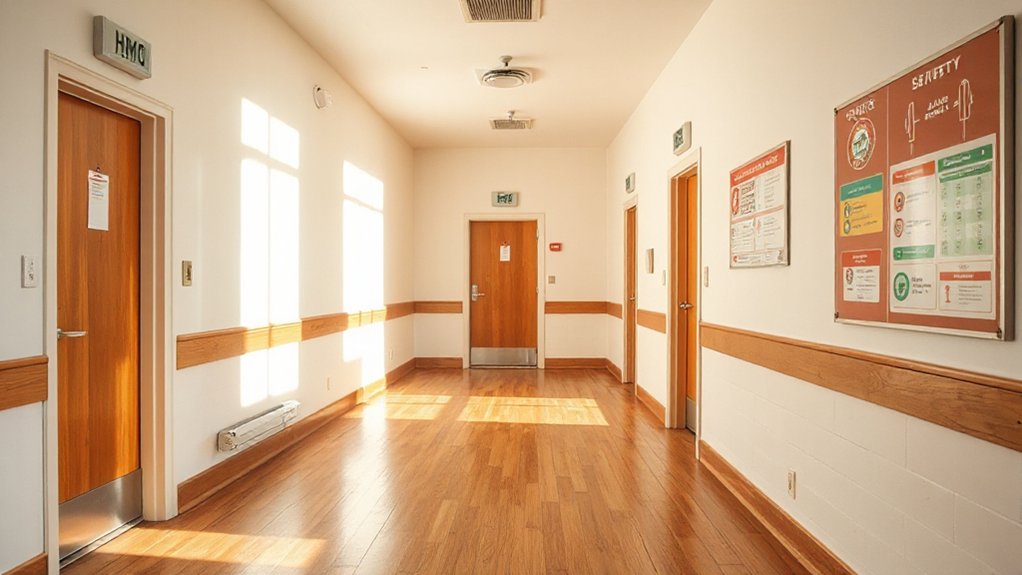
Student HMOs must prioritize safety because the living environment directly affects students’ health, productivity, and well-being. You’re responsible for minimizing risk through clear standards, proactive maintenance, and reliable oversight.
Start with a safe layout: protected wiring, smoke detectors, secure entry, and unobstructed exits. Regular inspections catch hazards before they harm someone. You must document repairs, respond promptly to complaints, and communicate safety expectations to tenants.
Prioritizing safety supports student mental health by reducing stress and anxiety tied to unsafe conditions. It also connects to student financial aid, since grants or loans fail if housing is unsafe or uninhabitable, risking eligibility.
Implement a simple incident-report system, track trends, and allocate resources for fixes. A safety-first approach safeguards occupants, protects your reputation, and ensures compliance with standards.
Foundations: Regulatory Framework, Tenancy, and Occupancy Caps
You need to know the Regulatory Framework basics, along with how Tenancy and Occupancy Caps shape your HMO operations.
I’ll explain how these rules set limits on who can live in a property, how long they can stay, and what approvals you must obtain.
This foundation helps you plan compliance steps and avoid penalties from over-occupancy or unregistered tenancies.
Regulatory Framework Basics
How do regulatory basics shape every student housing arrangement? You operate within a defined framework that sets minimum standards for safety, documentation, and governance. This foundation guarantees you align with local and national requirements, from licensing expectations to basic occupancy rules.
You’ll rely on clear processes for establishing and enforcing lease agreements, including who may reside on the premises and how tenancy is documented. You’ll verify that the property’s design and management support compliance with regulatory expectations, reducing risk and dispute potential.
This section emphasizes the need for written policies and transparent practices, safeguarding student privacy while maintaining orderly occupancy. By embedding these controls, you cultivate predictable operations, consistent recordkeeping, and accountable ownership—without delving into tenancy or occupancy caps.
Tenancy and Occupancy Caps
You’ll determine each occupant’s role, whether as a tenant or permitted guest, and specify dependents or short-term stays where allowed. Communicate these limits early to applicants and current residents to prevent over-occupancy, storage issues, or fire-safety risks.
Maintain thorough records of tenancy status and any amendments. Prioritize tenant communication and student engagement to monitor changes, enforce rules consistently, and document consent when caps or room allocations shift.
Room Size and Space Standards You Must Know
You must guarantee each room meets the minimum area and practical space standards before leasing. Consider window space and light, plus adequate clearance for safe, unobstructed access and movement.
We’ll examine how these metrics tie into occupancy and safety across your HMO setup.
Minimum Room Area
Prioritize clear, measurable dimensions—floor space, ceiling height, and usable area—so occupants can move, study, and store essentials without crowding. If the room fails to meet thresholds, remedial actions are required before tenants move in, reducing vacancy risk and potential disputes.
You should document measurements, reference the official guidelines, and communicate expectations transparently to students.
Adopting appropriate space standards supports student engagement by enabling focused study and routine, while safeguarding wellbeing.
In practice, couple minimum area with practical layouts, so residents can pursue academic support through quiet zones, organized storage, and balanced communal areas.
Window Space Requirements
Window space isn’t just about light; it’s a safety and livability issue that affects ventilation, emergency egress, and overall comfort in student HMOs. You must guarantee each room has adequate unobstructed window area to meet local standards, supporting fresh air exchange and rapid exit if needed.
Assess window design for operability, height, and reach; fixtures should allow easy opening from the inside without tools. Remember that natural light isn’t a substitute for ventilation, so consider cross-ventilation strategies where possible.
Schedule regular window cleaning to maintain clarity and performance, preventing mold and grime buildup that can reduce light and hamper operation. Document compliance, and address any obstructions or damaged frames promptly to maintain occupant safety and habitability.
Clearance for Access
Clearances for access are non-negotiable safety and usability standards in student HMOs. You must guarantee rooms provide sufficient space for movement, emergency egress, and routine tasks without obstruction. Narrow corridors or blocked doors compromise safety and hinder engagement with living spaces, impacting student engagement and academic support.
You’ll measure door widths, ensure clear turning radii, and maintain unobstructed floor space to accommodate study setups and helpers during peak academic periods. Establish clear routes from bedrooms to exits and communal areas, with signage if needed. Regular checks detect clutter or furniture repositions before hazards arise.
- Verify door widths and exit paths meet minimums
- Maintain unobstructed floor space for study and movement
- Schedule periodic inspections for clutter and layout changes
Fire Safety Essentials: Alarm, Escape Routes, and Fire Doors
To keep every tenant safe, verify alarms are working, escape routes are clear, and fire doors shut properly at all times; these elements form the backbone of effective fire safety in student housing.
You must test smoke and heat alarms monthly, document results, and replace batteries or units promptly.
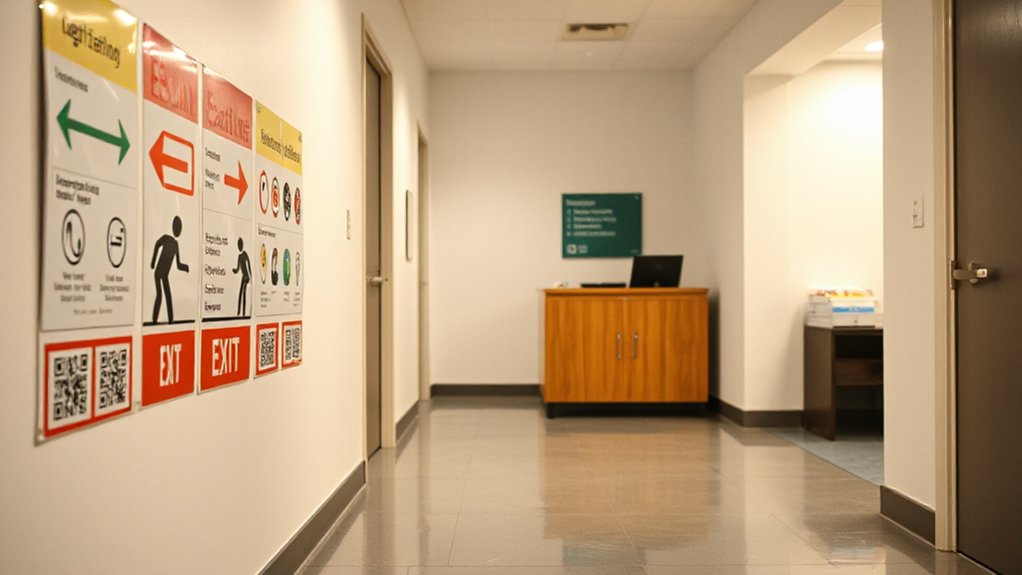
Establish clear, unobstructed escape routes and post simple evacuation guidance in every dwelling.
Confirm fire doors self-close and aren’t propped open, with seals intact and hardware maintained.
Conduct annual alarm system service and address any faults without delay.
Communicate roles to your tenants, including what to do during a drill or incident.
These actions protect student safety and fulfill landlord responsibilities, reducing risk and aligning with regulatory expectations.
Escape Routes, Doors, and Compartments: Do’s and Don’ts
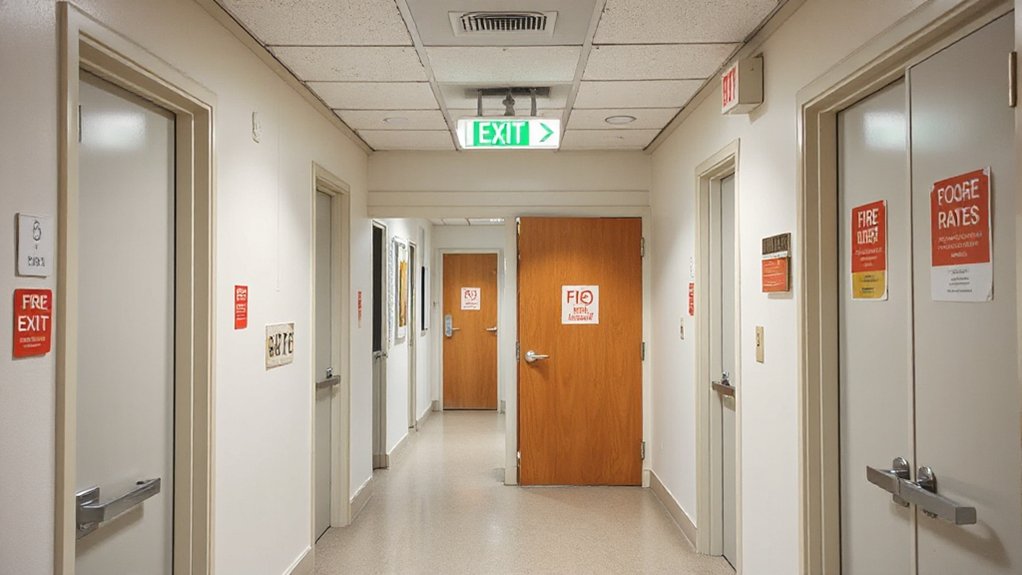
Make certain your escape routes, doors, and compartments are kept clear and functional at all times; any obstruction or delay can cost lives during an emergency. You must manage access paths, doors, and storage to guarantee rapid egress and reliable door security in every room. Focus on visibility, unobstructed travel, and clear signage for emergency exits.
- Keep corridors and stairwells free of clutter and trip hazards to support swift evacuation.
- Ensure doors swing freely, latch securely, and alarms function for proper door security.
- Inspect compartments and storage to prevent blocking routes or concealing hazards near exits.
Regular checks prevent delays, reinforce compliance, and protect residents. Prioritize clear egress routes, reliable doors, and compliant compartment storage to support safe, immediate evacuation.
Electrical Safety Checks and Maintenance Schedule
Electrical safety checks and a maintenance schedule are essential to prevent fire, shock, and equipment failure in student housing. You should conduct periodic visual inspections of all fixed wiring, sockets, and consumer units, noting signs of damage or overheating.
Schedule professional electrical testing every five years for single-occupancy units and every three years for multi-occupancy HMOs, with an interim visual review after any incident.
Maintain a detailed log, including dates, results, and any remedial actions taken, and confirm certificates are retained on-site.
Prioritize addressing Electrical hazards promptly, replacing damaged accessories and upgrading outdated wiring where needed.
Plan for necessary wiring upgrades before occupancy intensifies, and coordinate with licensed electricians to minimize disruption to tenants and ensure compliance with regulations.
Gas Safety, Appliances, and Annual Inspections
Gas safety is non-negotiable: you must guarantee every gas appliance complies with the latest standards and is installed by a qualified engineer.
Remember, annual inspection protocols are mandatory, with documented checks, necessary repairs, and prompt action on any fault detected.
Set clear routines for maintenance, keep records, and communicate requirements to tenants to prevent hazardous situations.
Gas Safety Essentials
What exactly keeps your tenants safe from gas-related hazards? You’ll rely on strict gas safety practices that protect everyone in your property. You must guarantee proper installation, maintenance, and documentation for every appliance, pipe, and flue. Regular checks reduce risk, and clear records boost student engagement and compliance in lease agreements.
Follow these essentials:
- Verify installation standards and commissioning by a Gas Safe registered engineer.
- Schedule annual servicing and immediate repairs for any fault or outdated equipment.
- Maintain accessible, up-to-date gas safety certificates for tenants to review.
Together, these steps create a practical, auditable safety framework. Prioritize transparency in lease agreements, provide tenants with safety guidance, and keep materials ready for inspections and audits.
Annual Inspection Protocols
Annual inspections for gas appliances, fixtures, and related systems should be scheduled on a strict, documented cadence to minimize risk and guarantee compliance. You should implement a formal calendar for annual gas safety checks, appliance servicing, and flue/vent inspections, with clear ownership and due dates.
Document results, corrective actions, and rechecks, saving records for licensing and tenant inquiries. Coordinate inspections with on-site staff to minimize disruptions for Student diversity and ensure inclusive access to safety information and timely remediation.
Prioritize compliance over convenience by confirming CO monitors, emergency shutoffs, and venting adequacy are up to code. Use standardized checklists to reduce ambiguity, and align with university resources to support academic success.
Regularly review procedures to strengthen academic support and housing safety outcomes.
Smoke and CO Detectors: Placement, Testing, and Battery Policy
Smoke and CO detectors are mandatory in student housing, and you should know exactly where to place them, how to test them, and what battery policy to follow. You must guarantee proper detector placement, regular battery testing, and consistent replacement cycles to maintain safety compliance.
1) Detector placement: mount at least one unit per level, outside sleeping areas, and on every finished corridor or common area for early warning.
2) Battery testing: test monthly, replace batteries at least once a year, and use 9V or equivalent lithium cells as specified by the model.
3) Policy alignment: document tests, replace failing units promptly, and maintain a log accessible to tenants and inspectors.
Kitchen Ventilation, Hygiene, and Appliance Safety
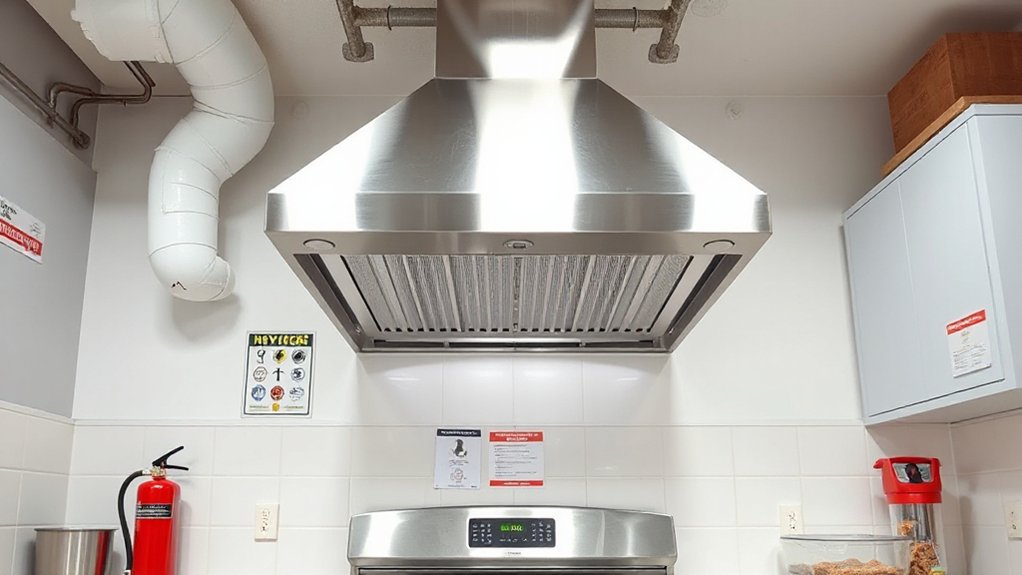
Your kitchen is a critical safety zone in student housing, and proper ventilation, hygiene, and appliance safety prevent fires, mold, and health issues.
You must guarantee continuous ventilation during cooking, using exhaust fans or range hoods that vent outdoors and are serviced regularly. Keep vents clear of grease buildup and report blockages promptly.
Maintain clean surfaces, wash hands before handling food, and sanitize high-touch areas to support kitchen hygiene.
Inspect appliances for fraying cords, damaged plugs, gas leaks, and proper ignition. Store fuels away from heat sources, and never leave cooking unattended.
Conduct routine device checks, replace faulty parts, and follow manufacturer instructions.
Prioritize safe appliance use, disposal of waste, and prompt remediation of spills to minimize risk.
Shared Spaces, Waste, and General Cleanliness Standards
Shared spaces in student housing require clear, consistent standards for waste disposal and daily cleanliness. You must implement practical guidelines that uphold shared cleanliness and efficient waste management, reducing spillovers and odor. Enforce routine bin emptying, surface sanitizing, and glare-free floor hygiene to prevent hazards and disputes.
- Establish bin locations with labeled containers for recyclables, organic waste, and general trash, and schedule regular pickups.
- Define daily cleaning duties, including kitchen counters, tables, and high-touch surfaces, with accountability and a posted roster.
- Implement a waste management policy detailing disposal rules, penalties for noncompliance, and a quick reporting channel for spills or contamination.
Adhere to these standards consistently, communicate changes promptly, and monitor adherence for a safe, orderly living environment.
Heating, Insulation, and Ventilation Quality in HMOs
Heating, insulation, and ventilation in HMOs must meet minimum comfort and safety standards to protect health and wellbeing. You guarantee heating systems provide adequate warmth during cold periods, with controls accessible to occupants. Regular servicing and prompt repairs prevent breakdowns that threaten habitability.
Heating regulations require safe installations, efficient operation, and proper fuel management to avoid hazards. Insulation standards dictate walls, roofs, and floors minimize heat loss, reduce condensation, and improve energy efficiency, supporting a healthy living environment.
Ventilation must supply fresh air and prevent damp, with mechanical or natural systems functioning correctly and unobstructed. Documented maintenance records, periodic inspections, and immediate remediation of deficiencies demonstrate compliance and protect tenants.
Prioritize safety, comfort, and energy efficiency to meet regulatory expectations and reduce risk.
Registration, Licensing, and Documentation You Need
From the safety and compliance groundwork you’ve built with heating, insulation, and ventilation, you also must narrow in on the registrations, licenses, and documentation that underpin legal HMOs.
You’ll need precise records and current registrations to prove compliance and defend landlord responsibilities. Guarantee you maintain up-to-date certifications, licenses, and compliance notices, aligned with applicable student housing regulations.
Your documentation should clearly demonstrate adherence to safety, tenancy, and planning rules, and be readily accessible for inspections.
1) Confirm mandatory licensing status and renewal timelines for your properties.
2) Compile all safety certificates, gas and electrical inspections, and energy performance data.
3) Maintain tenant-facing docs, tenancy agreements, and notice requirements, with organized, audit-ready copies.
Proactive Compliance: Maintenance, Access, and Penalties to Avoid
Proactive compliance means staying ahead of issues before they escalate: regular maintenance, assured access for inspections, and clear penalties for noncompliance. You implement a schedule for essential systems—electric, gas, plumbing, heating—with documented checks and timely repairs, reducing risk to students and your reputation.
Guarantee access rights are communicated in advance, honoring statutory notice and reasonable safety procedures; you should accompany tenants during inspections when required and minimize disruption.
Establish penalties that are fair, transparent, and enforceable, linked to specific violations and timelines for remediation. Track all actions, update safety plans annually, and review university guidance to maintain alignment.
This approach boosts student engagement by illustrating reliability, and reinforces landlord responsibilities through consistent, auditable compliance.
Frequently Asked Questions
How Often Must Landlords Review Safety Policies With Tenants?
You should review safety policies at least annually with your tenants. Prior to each safety inspection, reinforce tenant education on procedures, and after inspections confirm updated practices. Regular reminders and clear documentation help guarantee ongoing safety and compliance.
Are Rental Deposits Affected by Safety Non-Compliance Penalties?
Yes, deposits aren’t directly overridden by safety penalties; deductions reflect damages, not penalties. You’ll face enforcement for non-compliance via penalties, refunds, or legal action. Deposit deductions, Penalty enforcement—stay compliant, document issues, and communicate promptly.
What Records Must Landlords Keep for Safety Checks?
You must keep records of safety checks, including inspection schedules and safety equipment verifications. Maintain dates, outcomes, action taken, next inspection due, and responsible person’s details to demonstrate compliance and facilitate rapid audits or enforcement reviews.
Can Tenants Report Safety Concerns Anonymously?
Yes, you can report anonymously, but your tenant privacy is protected; use a secure channel and avoid including personal identifiers. Anonymous reporting helps you raise safety concerns while landlords address issues promptly and transparently.
Do Safety Upgrades Affect Tenancy Renewal Terms?
Yes, safety upgrades can influence lease renewal terms. You should review Safety upgrade costs and how they’re allocated, and understand Lease renewal procedures, including any landlord-initiated rent adjustments, notice periods, and expected timelines for agreement or renewal.
Conclusion
You’ll be astonished how simple safety becomes once you ignore the obvious. Prioritize fire doors, clear escape routes, and proper occupancy—and you’ll sleep better knowing fines aren’t a punchline. Keep records tight, fix issues fast, and respect licenses like they’re sacred. It’s not “nice to have”—it’s the minimum you owe your tenants. Ironically, cutting corners costs more in the end, while following the rules actually delivers predictable, safer, steadier income. So, compliance isn’t optional; it’s profitable prudence.