You’ll find Colchester’s rental demand steady, driven by affordability, limited new supply, and solid occupancy across key neighborhoods. Employment trends, university proximity, and transit access keep turnover consistent and rents nudging upward. Landlords lean on well-located, renovated units and flexible leases to attract tenants. With regulatory constraints and seasonal patterns shaping momentum, the market’s resilience hinges on pricing, timing, and strategic leasing—a combination you’ll want to weigh as conditions evolve.
What’s Driving the Colchester Rental Market Right Now?
Rent growth and demand in Colchester are being driven by a mix of affordability concerns, limited new supply, and favorable employment trends. You’ll see prices and rent-to-income ratios tightening, with occupancy hovering near peak levels across core neighborhoods.
Market regulations influence pricing pressure, as tighter zoning rules and licensing requirements limit new units, while rent controls in some contexts temper aggressive hikes.
Investment opportunities arise where data shows stable cash flow and predictable returns, particularly in markets with diversified employment growth and lower vacancy risk.
You should monitor macro indicators like wage growth, job creation, and household formation, then compare cap rates and costs of capital across asset types.
In short, demand remains solid, but regulatory and policy shifts will shape marginal upside.
Colchester Rental Supply by Neighborhood: Listings, Stock, and Turnover
You’ll see how listings and stock vary by neighborhood, highlighting where supply is most elastic or constrained.
Turnover patterns reveal how quickly units move, signaling changes in demand across areas.
This lens sets up a data-driven discussion on which neighborhoods are expanding supply and which are tightening.
Listings and Stock
Colchester’s rental listings and stock vary by neighborhood, with some areas showing plentiful options while others remain tight. You’ll notice the freshest inventories in central districts and university-adjacent zones, where units turn over more quickly and new leases fill rapidly.
Stock levels are influenced by building activity, renovation cycles, and seasonality, with peaks in spring and early summer. You should monitor listing cadence, vacancy duration, and days-on-market to gauge supply health.
Data indicates a gradual shift toward smaller, renovated units in mature neighborhoods, while fringe areas offer mixed-size stock with occasional new-build entries.
In practice, effective property management and proactive tenant screening help you align supply with demand, reducing vacancy risk and stabilizing cash flow.
Turnover by Neighborhood
Turnover patterns vary across Colchester’s neighborhoods, reflecting both demand concentration and inventory churn. You’ll see higher turnover in areas with dense renter demand and smaller stock buffers, as listings move faster when market saturation is evident.
In neighborhoods with larger stock, turnover slows, suggesting a more balanced market between supply and demand. Across the city, turnover aligns with demographic shifts—young renters cluster near transit and amenities, while longer-tenure residents skew toward steadier, lower-turnover blocks.
Listings per neighborhood reveal uneven supply, shaping price dynamics and time-on-market. You should monitor changes in vacancy duration and new-build activity, since rising turnover often signals shifting demand curves.
Rent Trajectories in Colchester’s Key Areas
Across Colchester’s key areas, rent trajectories show differing momentum driven by location and property type. You’ll see higher rent growth in central zones with newer flats and limited supply, while suburban pockets exhibit steadier, slower increases.
Data indicates market stability in family-friendly streets, where occupancy remains high and turnover tightens, supporting incremental rent elevations.
In university-adjacent districts, demand fluctuates with term cycles, producing short-term spikes followed by normalization.
Two-bedroom apartments dominate headline gains, but one-bed units in transport-accessible wards also post meaningful upticks, reflecting a shift toward compact living.
Investment property performance remains favorable, yet volatility is tempered by rent controls and seasonal factors.
Student Hubs and the Colchester Market: Who’s Renting Where
Student demand in Colchester concentrates around key university corridors and transit-accessible districts, where occupancy stays high and rent momentum centers on compact units. In this submarket, you’ll find that student housing accounts for a disproportionate share of annual leasing activity, with peak turnover aligning to term dates and visa cycles.
Occupancy indicators remain elevated despite seasonal flux, signaling resilient demand from undergraduates and postgraduates alike. Rental affordability remains a primary constraint, with rents for studio and one-bedroom units frequently priced to balance proximity benefits against budget limits.
Data show that properties within walkable distances to campuses outperform broader markets on occupancy longevity and renewal rates. You can expect tighter competition for well-located layouts, driving selective pricing and more flexible leasing terms for prospective tenants.
Commuter Access and Its Effect on Where Tenants Live
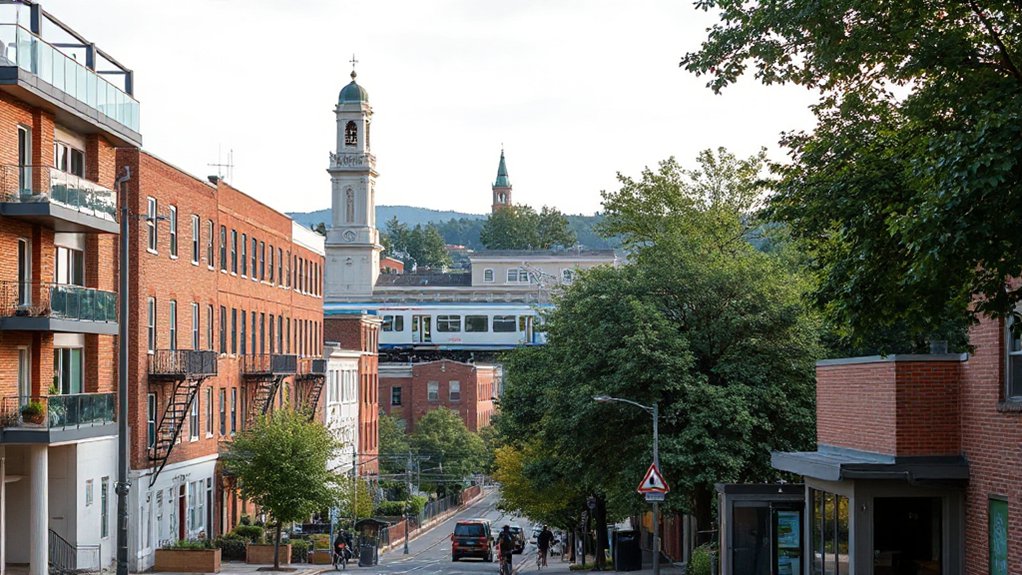
Commuter access shapes where tenants choose to live by tying transit options to affordability and commute times. You’ll see demand cluster around stations, bus hubs, and park-and-ride facilities, where faster trips to central Colchester and nearby employment nodes reduce total housing costs.
Data show a clear pattern: areas with high commuter convenience attract longer tenancies, lower vacancy rates, and modest premium rents relative to distance from the core. Transit accessibility correlates with household budgets and lifestyle trade-offs, pushing renters toward multi-modal corridors that balance price against travel time.
In neighborhoods with frequent service and reliable schedules, vacancy cycles tighten and turnover slows, signaling a stable tenant base. This dynamic shapes where you’ll find concentrated demand and steady occupancy rates across the market.
Value Tops: The Best Budget-Friendly Neighborhoods in Colchester
Value tops the budget: Colchester’s best budget-friendly neighborhoods balance affordable rents with reliable access and steady demand. You’ll notice these areas offer lower median rents without sacrificing transit, schools, or amenities, supported by consistent occupancy rates and shorter vacancy cycles.
Data show steady demand from renters prioritizing affordability alongside commute reliability, translating to stable occupancy and predictable cash flow for landlords.
In practice, affordable housing options cluster near bus routes and town centers, reducing vacancy risk during off-peak seasons.
Property management in these neighborhoods emphasizes timely maintenance, clear tenant communication, and efficient turnover to preserve value.
You should evaluate rent-to-income ratios, cap rates, and maintenance spend to forecast performance, ensuring affordability aligns with long-term asset resilience.
Premium Segments: Quiet, Family-Friendly Neighborhoods With Growth
Premium segments in Colchester are characterized by quiet, family-friendly neighborhoods that show consistent growth, strong school quality, and low to moderate turnover. You’ll notice demand remains steady among households prioritizing safety, access to green space, and reliable amenities.
Market data shows vacancy rates in these pockets stay tighter than average, with price trajectories reflecting premium appeal. Rental timelines tighten around school calendars, yielding modest seasonality without abrupt spikes.
Luxury apartments within these areas converge with single-family clusters, offering high-end finishes, secure access, and curated resident services, while still preserving neighborhood charm.
Pet friendly policies further boost occupancy, attracting multi-dog households and long-tenure residents.
Landlord Strategies: Flexible Leases and Market-Tailored Options
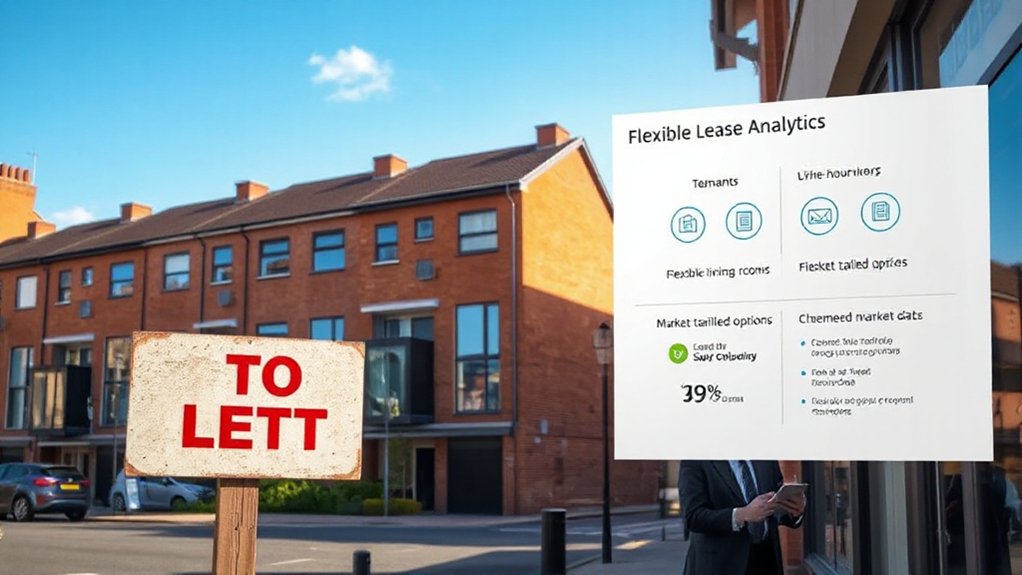
Flexible leases and market-tailored options are essential for Colchester landlords aiming to optimize occupancy and cash flow. You’ll gain clarity by aligning lease terms with demand signals, such as shorter cycles in high-turnover pockets and longer terms where stability prevails.
Data show flexible options—seasonal rent adjustments, tiered utilities, and renewal incentives—correlate with higher occupancy rates and quicker re-let times. Market-trend analysis suggests landlords adopting diversified product offers capture broader renter segments, reducing vacancy risk during seasonal dips.
Prioritize transparent communication and measurable performance, tracking vacancy days, renewal rates, and relative rent uplift per option. Landlord innovations, including digital viewing, online applications, and automated rent reviews, support tenant retention while controlling admin costs.
In practice, tailor leases to neighborhood dynamics and tenant demand signals for sustainable occupancy.
Tenant Priorities in Colchester: What Renters Value Most
In Colchester, renters prioritize affordability, with many weighing monthly costs against local income benchmarks.
Proximity to key amenities and transit options strongly correlates with rental demand, shaping where people look and how much they’ll pay.
Lease flexibility remains a top differentiator, as short or adjustable terms appeal to varying life stages and job mobility.
Rent Affordability Focus
Are renters in Colchester prioritizing price stability and overall affordability when choosing a home? Our data show demand concentrates on predictable rent trajectories and manageable monthly costs.
In recent surveys, price stability ranks near the top of renter priorities, with households favoring leases offering capped increases or shorter renewal risk.
When affordability is measured against income, a substantial share report difficulty securing suitable options within budget, even before utility costs are considered.
Across market segments, affordable housing options and predictable bills correlate with higher occupancy and longer tenancies.
Rental subsidies emerge as a meaningful assistive mechanism for households at lower incomes, though uptake remains uneven.
Proximity to Amenities
Data show higher occupancy and quicker turnover in areas within a 15-minute reach of grocery stores and pharmacies, while proximity to bus routes boosts short-term demand spikes during peak commuting periods.
Pet friendly accommodations influence lease terms and occupancy duration, as renters seek predictable access to green spaces without extra hurdles.
Short term rentals also concentrate around entertainment districts, reflecting preference for evening activity within short trips.
Lease Flexibility Demands
Flexible lease terms are increasingly non-negotiable for Colchester renters, with demand concentrated around shorter renewal windows, move-in readiness, and clear exit options. You’re prioritizing tenancy agility as occupancy cycles tighten, and landlords respond with tiered renewal dates and short-term renewal options.
Data show a spike in interest for 6- to 12-month leases, alongside emphasis on upfront repairs and village-center accessibility that reduce transition friction. You’ll notice that lease terms increasingly bundle maintenance, timely rent reporting, and transparent early-termination policies as value-added flexibility options.
In practice, tenants favor predictable cost trajectories and humane notice periods, enabling smoother budgeting and planning. For renters, flexibility options become a differentiator when evaluating properties, while property managers must balance turnover risk with competitive pricing and clear exit clauses.
Negotiation Timelines and Deal Patterns in the Colchester Market
Across Colchester’s rental market, negotiation timelines typically tighten around peak demand periods, with most offers reviewed within 24–72 hours and lease decisions finalized within one to two weeks, depending on property type and landlord responsiveness.
You’ll see deal patterns cluster around inventory arrivals and lease-start dates, with faster responses from landlords managing multiple units. In practice, competing bids often push timelines shorter, while properties with flexible start dates tolerate slower review.
Key levers include deposit policies and lease renewal terms, which influence offer strength and acceptance speed. Tenants who present structured packages—clear move-in dates, verified income, and favorable deposit arrangements—press for quicker closures.
Data shows renewal considerations, pricing bands, and incentive timing strongly shape negotiation velocity across neighborhoods.
12–18 Month Outlook for the Colchester Rental Market

You’ll see how Market Demand Trajectory shapes the next 18 months, with steady client inquiries and sustained occupancy pressure.
Rent Pressure Projections point to gradual increases in average rents as demand tightens and new supply remains nuanced.
This outlook frames where price elasticity and tenant turnover intersect with Colchester’s rental dynamics, guiding strategy for tenants and landlords alike.
Market Demand Trajectory
The 18-month demand trajectory for Colchester’s rental market shows steady but selective growth, driven by a tight supply of modestly priced units and sustained tenant turnover in commuter catchments. You’ll see occupancy remain high as affordable options stay scarce, while new stock focuses on mid-market segments.
Demand signals from rental listings and viewings point to persistent, not explosive, inflows from nearby employment hubs. Price momentum stays contained, with annual rent growth easing as landlord regulations influence incentives to add supply.
Property tax policies factor into investor timing, shaping decisions on rent levels and asset class, though macro demand remains resilient. In sum, the trajectory reflects disciplined expansion tempered by regulatory and tax considerations, prioritizing quality, access, and turnover efficiency.
Rent Pressure Projections
Rent pressures over the next 18 months look modest but perceptible, reflecting tight supply, steady demand from commuter markets, and policy- and tax-driven incentives that temper new-build activity. You’ll see rents drift upward at a slower pace than past cycles, with concentration in central and transport-accessible corridors.
Data indicate vacancy rates stabilizing near multiyear lows, while new supply remains focused on refurbished stock rather than ground-up developments. Seasonality will continue to influence pricing, but macro indicators suggest limited downside risk absent a systemic shock.
Rental regulations shape landlord flexibility, constraining aggressive pricing but supporting consistency in yields. For property management, expect tighter compliance costs and enhanced resident protections, counterbalanced by clearer enforcement.
Frequently Asked Questions
How Do Seasonal Changes Affect Colchester Rents?
Seasonal changes push rents up in peak months and soften during off-season vacancies, so you’ll see Seasonal pricing swing your costs. You’ll likely secure better deals in quieter periods, offsetting demand-driven spikes with off season vacancies insights.
Which Neighborhoods See the Fastest Rental Turnover?
You ask which neighborhoods turn over fastest: think of them as rapid rivers. Luxury apartments and Student housing communities race ahead, others lag. You’ll see the briskest turnover where amenities, proximity, and demand collide, driving faster vacancies and renewals.
What Time of Year Do Leases Most Often Start?
You’ll see lease starts peak in late spring to early summer, and again after summer. You’ll compare renewal timing with renewal spikes, noting lease renewal patterns. Your rental application process accelerates when applicants align with peak start periods.
How Do Vacancy Rates Impact Rents in Suburbs?
Vacancy impact drives rents: when vacancy rises in suburbs, you see rental fluctuation downward; when it falls, rents rise. You should model supply vs. demand, track years of data, and adjust pricing strategy accordingly.
Do Tenants Prefer Furnished or Unfurnished Rentals?
Furnished preferences lean toward flexibility, taping tenant satisfaction higher when amenities align with needs. You’re likely to prefer furnished options for short-term stays, while long-term tenants favor unfurnished. Data show pronounced demand shifts, influencing pricing and turnover.
Conclusion
In Colchester, steady demand, limited new supply, and strong transit links keep rents gradually rising. You’ll see resilience across neighborhoods, with renovation-led units and flexible leases attracting tenants. Anticipated objection: “markets might cool next season.” Data says otherwise—occupancy remains high, turnover steady, and rental yields stay supported by student demand and commuter access. If you prioritize predictable yields and low vacancy, focus on well-located, updated properties with adaptable lease terms and proactive tenant engagement.