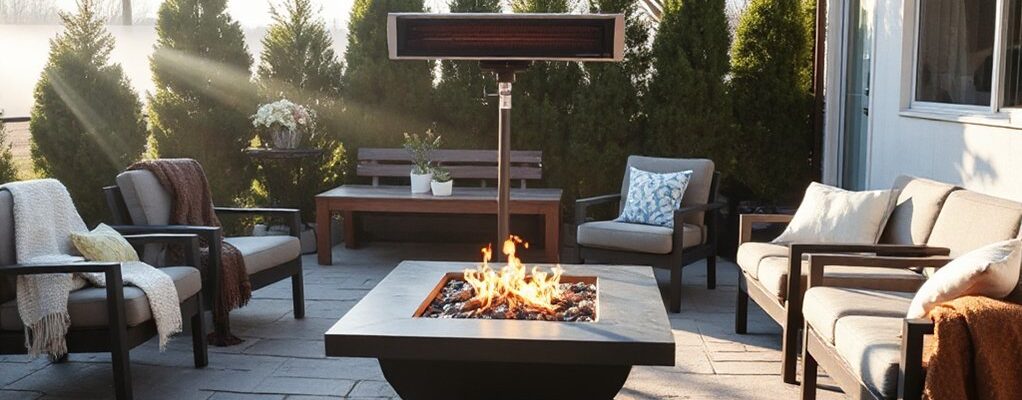
You want year-round outdoor warmth, yet you face a climate where comfort can hinge on precise choices. Infrared, gas heaters, and fire features each offer distinct gains and trade-offs, from quick targets to broad coverage and ambiance. You’ll balance efficiency, safety, and cost, then tailor placement and weatherproofing to your space. The path isn’t one-size-fits-all, and a practical plan awaits that keeps your evenings inviting—if you’re prepared to weigh options thoughtfully, you’ll see what fits best.
Key Takeaways
- Choose a mix of high-output gas units for broad space heating and electric options for precise zone control and quiet operation.
- Include infrared heaters or heat lamps for rapid, targeted warmth with minimal footprint.
- Pair vented gas fireplaces or fire pits with proper safety features, wind channels, and spark arrest systems.
- Prioritize energy efficiency, durable weatherproof components, and easy maintenance to minimize running costs.
- Optimize placement with wind exposure, shade, and seating layout, plus smart controls or timers to manage usage.
Understanding Year-Round Outdoor Heating: Goals, Constraints, and Costs
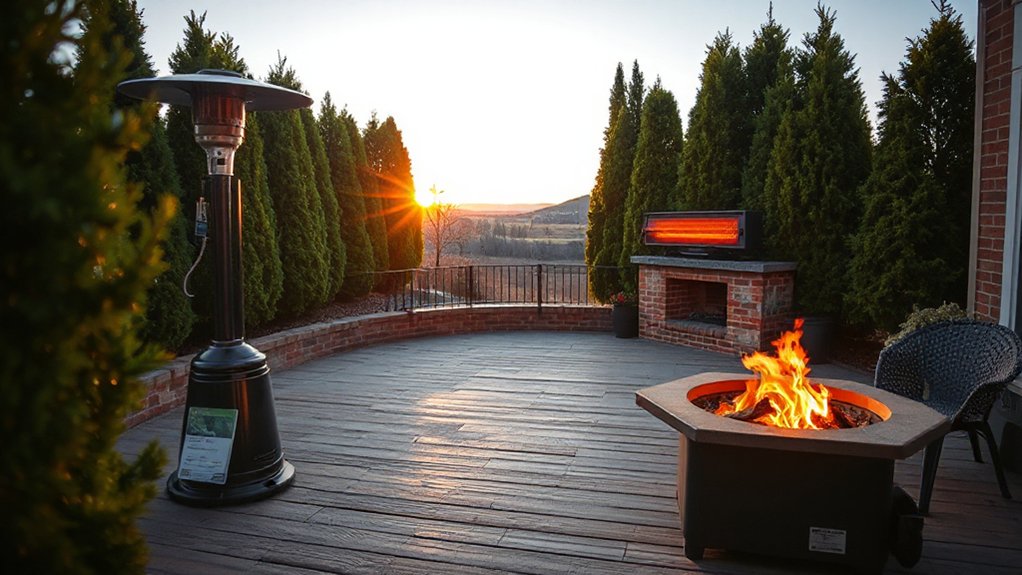
Year-round outdoor heating aims to extend usable outdoor time without compromising safety or efficiency. You assess goals by pinpointing comfort thresholds, climate realities, and occupant load, then align equipment choices to meet them reliably.
Constraints center on energy costs, installation practicality, and safety regulations, plus your site’s wind exposure and shade patterns. You’ll prioritize durable, maintenance-light components and clear venting paths to minimize heat loss and hazards.
Costs hinge on initial investment, running hours, and expected lifespan, so you model total cost of ownership with conservative usage scenarios.
Incorporate outdoor decor thoughtfully to maintain aesthetics during off-peak months while preserving function.
Seasonal variability informs scheduling, fuel sourcing, and seasonal shutoffs, ensuring consistent performance without overengineering.
Precision planning yields predictable comfort and measurable value.
How Outdoor Heating Works: Direct Heat vs. Ambient Warmth
Outdoor heating works through two primary mechanisms: direct heat that warms people and objects in its path, and ambient warmth that elevates the surrounding air to create a comfortable microclimate.
You’ll feel the impact most where coverage is focused, so positioning matters for efficiency. Direct heat transfers energy quickly to you, reducing the need to heat empty space. Ambient warmth raises air temperature gradually, preserving comfort across the area with less hotspot intensity.
To maximize energy efficiency, align sources to minimize heat loss from drafts and cold surfaces. Consider indoor insulation as a holistic plan: better enclosure reduces heat demand and stabilizes microclimates outdoors.
Efficient setups lower running costs and extend usability, ensuring consistent comfort without excessive energy use.
Gas vs. Electric: Choosing the Right Heat Source for Your Space
Gas vs. electric heat sources each have strengths and trade-offs, so the right choice hinges on your space, usage, and budget. You’ll evaluate upfront costs, ongoing energy bills, and setup practicality to maximize indoor comfort.
Gas units deliver strong, immediate warmth and broader heat coverage, making them ideal for larger patios or frequent gatherings. However, they require venting, fuel sourcing, and potential maintenance.
Electric options provide clean installation, quieter operation, and steadier indoor comfort. They also offer better energy efficiency when used with zone controls.
Consider climate, space layout, and safety needs: electric systems minimize emissions and fuel handling, while gas can cost more per BTU but may be cheaper to operate in colder seasons.
Prioritize energy efficiency ratings, durability, and warranty to ensure a reliable, low-maintenance solution.
Fire Features for Ambience: Pits, Bowls, and Safety Basics
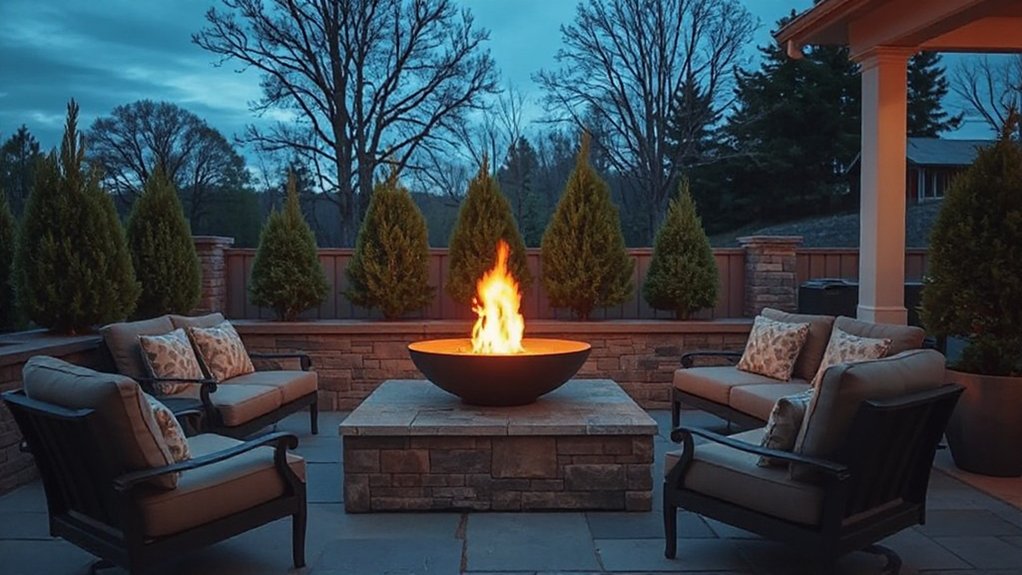
A fire feature—whether a compact bowl or a sprawling pit—adds ambiance while shaping heat, safety, and maintenance needs. You’ll evaluate flame size, fuel type, and wind channels to prevent heat loss and uneven glow.
Prioritize sturdy construction, proper fuel containment, and spark arrest systems to uphold fire safety, especially around decks or dry vegetation. For bowls, guarantee stable placements, heat-resistant surrounds, and accessible lids to limit ember escape.
Pits demand secure lids, elevated grates, and noncombustible seating distances to sustain outdoor ambiance without overheating nearby furniture. Regular inspections of gas lines, venting, and burner ports prevent leaks and ensure consistent flame behavior.
Maintain clean, dry fuel, and clear the surround of debris after use. Document safety checks and installation specs for reliable, year‑round enjoyment.
Infrared and Heat Lamps: Targeted Comfort With Minimal Footprint
Infrared and heat lamps deliver targeted warmth with a minimal footprint, letting you zone in on comfort without heating the entire space. You’ll appreciate how quick they respond, delivering steady warmth to a defined area while leaving surroundings cool.
Choose outdoor-rated units with weatherproof casings and UV-stable reflectors to maximize longevity. Position lamps at waist to chest height, angling to cover seating without direct glare into eyes.
Prioritize safety: install on rated stands or mounts, use GFCI-Protected outlets, and keep cords away from foot traffic. For heating efficiency, select lamps with higher wattage per emitter and minimal heat loss through wind exposure.
Leverage timers or smart controls to avoid overheating, and verify outdoor safety certifications for durable, reliable performance in varied conditions.
Low-Profile Heat Options: Under-Deck and Hidden Infrared Systems
Hidden Infrared Panels, Under-Deck Heat Emitters, and other Low-Profile Heating Solutions deliver warmth without visible bulk, so you can maintain exterior aesthetics while extending outdoor comfort.
You’ll evaluate placement, efficiency, and heat distribution to guarantee consistent coverage under decks and sheltered areas.
This discussion focuses on installation practicality, electrical requirements, and long-term reliability to help you choose the most dependable hidden option.
Hidden Infrared Panels
Under-Deck and hidden infrared panels offer a discreet heating solution that blends with structural elements while delivering targeted warmth. You benefit from a low-profile install that keeps sightlines clean while maximizing heat distribution, thanks to optimized panel placement and adjustable angles. Infrared panels heat people and objects directly, improving perceived warmth with minimal air movement, which supports consistent heat efficiency.
Focus on panel quality, mounting rigidity, and protected wiring to sustain performance through seasons.
- Install location and spacing determine effective coverage and comfort.
- Panel wattage and temperature controls balance heat output with energy use.
- Heat patterns endure through wind exposure via reflective mounting surfaces.
- Maintenance and accessibility influence long-term reliability and heat efficiency.
Under-Deck Heat Emitters
When you’re selecting low-profile heat emitters for outdoor spaces, the goal is to maximize comfort without sacrificing sightlines or structural aesthetics. Under-deck emitters sit out of sight while delivering targeted warmth to seating zones, minimizing heat loss through exposed areas.
Installers optimize placement for even coverage, leveraging porch joists and buried wiring to maintain a clean deck surface. Choose emitters with durable housings and weather-rated components to withstand the elements and reduce maintenance.
Pair systems with proper deck insulation to curb heat leakage, ensuring efficiency and consistent performance. Focus on radiant output consistent with your deck’s area, so you avoid oversizing or underperforming.
Effective integration supports heat retention by reducing ambient cooling, delivering reliable warmth without visible clutter or hotspots.
Low-Profile Heating Solutions
Low-profile heating options deliver warmth without compromising sightlines or deck aesthetics, pairing unobtrusive under-deck emitters with discreet infrared systems. You’ll appreciate precise heat distribution that minimizes overhead clutter while preserving outdoor decor appeal.
Hidden infrared elements deliver fast response times, enabling targeted comfort without visible hardware, and they integrate with existing lighting and furniture layouts.
For pest control considerations, choose systems with corrosion-resistant housings and sealed wiring to deter moisture ingress.
Efficiency hinges on zoning, guards against heat loss, and proper insulation of surrounding surfaces. Regular maintenance keeps performance consistent and reduces energy waste.
Combine aesthetics with function by aligning heat sources with deck seams and rail lines, ensuring seamless, year-round enjoyment.
1) Precision zoning
2) Hidden installation
3) Low-profile maintenance
4) Energy-aware design
Sizing and Placement Essentials: Calculating BTUs and Safe Distances
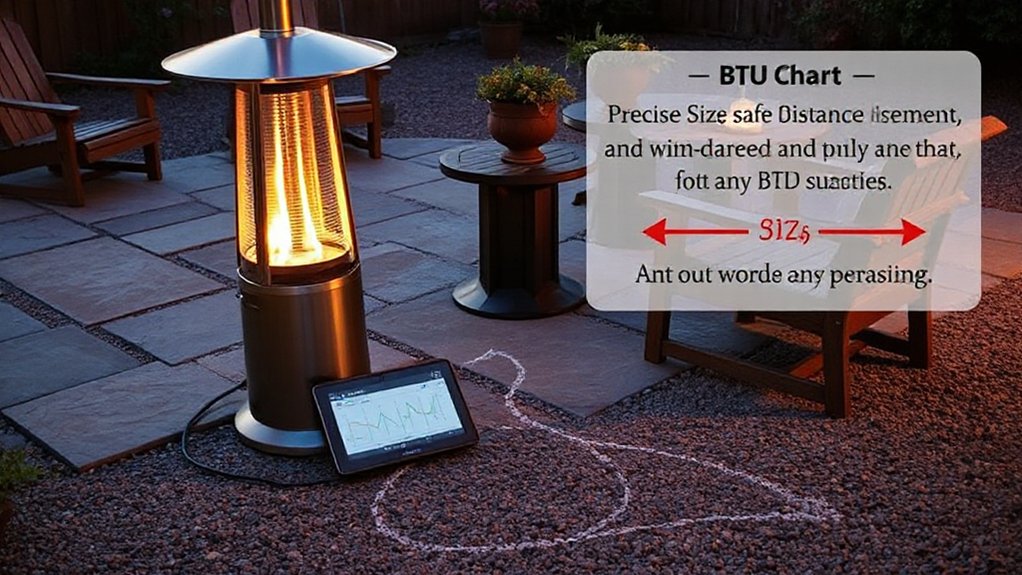
You’ll start by grounding your planning in BTU calculation basics, mapping target space size, occupancy, and climate to estimate heat needs.
Follow strict safe distances guidelines to establish clear setbacks from combustibles, overhead structures, and foot traffic, so installation remains compliant and secure.
Use practical placement and sizing tips to translate those calculations into an efficient, evenly distributed outdoor heat solution.
BTU Calculation Basics
To size an outdoor heater accurately, start with the space volume and target heat output, then adjust for insulation, shade, and wind exposure. You’ll translate those factors into BTU targets, then match the appliance’s rated BTU to the adjusted need, not the room’s gross capacity.
Precision matters for comfort and efficiency, so document assumptions and verify with real-world testing. Keep the focus on outdoor décor integration and heating efficiency, not oversized heating.
- Determine space volume (length × width × height) for a baseline BTU target.
- Apply insulation and shading adjustments to reduce peak demand.
- Correct for wind exposure using a materials barrier or directional placement.
- Validate with real-time comfort checks and measured temperatures.
Safe Distances Guidelines
Safe distances matter for both safety and heating efficiency. You’ll translate BTU estimates into concrete footprint rules, ensuring you avoid heat buildup and ignition risks.
Begin by identifying clear zones: keep all flame and radiant heat devices at least as far from walls, furniture, and overhangs as manufacturer guidelines require.
For fire pit safety, establish a noncombustible clearance around each unit, review wind exposure, and account for embers or sparks.
When placing outdoor heater placement, position units so hot air doesn’t funnel toward seating or flammable materials.
Measure unobstructed radiative paths and maintain safe margins for maintenance access.
Document distances for maintenance checks and future rearrangements.
Adhere to product specs, local codes, and, whenever possible, stack safety with ventilation.
Regularly revalidate distances after any layout change.
Placement And Sizing Tips
Sizing and placement aren’t guesswork—they hinge on reliable BTU calculations and clear clearance rules. You’ll optimize comfort, safety, and integration with your space by sizing for heat output and respecting distances from combustible materials, furniture, and structures. Use precise BTU charts to match heater type to area, then verify height and spill radiance align with landscape lighting plans.
Align placement with outdoor furniture pathways to minimize obstruction and cold pockets. Always factor wind exposure and ceiling height in covered areas to avoid heat loss. Regularly reassess as layouts change and seasonal use shifts.
- Calculate BTUs per square foot, then adjust for wind and shade.
- Maintain minimum clearances from walls, furniture, and lighting fixtures.
- Coordinate heat zones with landscape lighting for ambiance and safety.
- Reevaluate placement when adding outdoor furniture or reconfiguring layouts.
Cost of Ownership: Installation, Fuel, Maintenance, and Longevity
What’ll it cost to own outdoor heating, and how do installation, fuel, maintenance, and longevity shape the long-term value? You’ll gauge upfront costs, selecting efficient models and professional installation to avoid stray heat loss and future repairs.
Installation details matter: venting, electrical or gas line requirements, and siting influence performance and safety.
Fuel choices alter ongoing expenses and environmental impact; propane, natural gas, electric, and biomass each carry different cost rhythms and availability.
Maintenance demands—cleaning, filter changes, and inspections—preserve efficiency and extend service life.
Longevity hinges on build quality, corrosion resistance, and warranty coverage.
In practice, factor outdoor decor integration and seasonal trends to maximize use and resale value, minimizing churn and waste over cycles.
Prioritize durable components for consistent, year-round comfort.
Safety, Weatherproofing, and Aesthetic Tips: Practical Guidelines for a Cozy Outdoor Space
To protect your outdoor zone while you enjoy it, start with practical safety checks, solid weatherproofing, and clean aesthetics that reduce hassle and boost comfort. You’ll implement concise measures that minimize risk and maximize usability, while preserving style through durable, low-maintenance details.
Focus on hidden flaws, proper drainage, and secure mounting for all equipment, plus safe electrical connections and cord management.
Elevate atmosphere with decorative lighting and carefully placed outdoor furniture that resist weather and wear, maintaining a tidy, welcoming layout year-round.
- Verify electrical outlets and cords are weather-rated and elevated to prevent moisture exposure.
- Seal gaps, check seals on doors/windows, and layer insulation to retain heat without overtaxing gear.
- Choose mildew-resistant fabrics and rust-proof hardware for outdoor furniture.
- Plan lighting with glare control, soft ambiance, and safe battery or solar options.
Frequently Asked Questions
How Long Do Outdoor Heaters Last in Freezing Temps?
Outdoor heaters can last anywhere from 3 to 7 hours on a full fuel tank in freezing temps, depending on model and setting. You’ll maximize life by choosing high-efficiency units, monitoring flame height, and using proper fuel.
Keep fuel levels topped but not overfilled, and store safely between uses.
Prioritize safety precautions like stable placement, wind protection, and automatic shutoffs.
You’ll notice better fuel efficiency when you insulate seating areas and shield heaters from drafts.
Can Heaters Affect Nearby Furniture or Fabrics?
Yes, heaters can affect nearby furniture or fabrics if you don’t mind the risk. They can cause fabric fading, heat damage, or scorching over time, and they raise fire hazards.
To prevent harm, maintain safe distances, use heat shields, and avoid direct exposure to fabrics.
Prioritize fabric preservation and heater safety, and monitor reflections or drafts.
You’ll protect textures, fibers, and your space by aligning placement, usage, and maintenance with precise, value-driven guidelines.
Which Warranty Covers Weather Damage and Corrosion?
Warranty coverage varies by manufacturer, but generally weather protection for outdoor heaters is limited to corrosion from exposure and water damage within the stated warranty period.
Check if the policy covers weather-related corrosion, rust, and seal failures; some exclude improper setup or non-temperature-rated environments.
You’ll want explicit references to Weather protection and corrosion exclusions.
Confirm what proof of purchase, maintenance, and enclosure requirements are needed to keep Warranty coverage intact.
Read the fine print before installation and use.
Are There Energy Rebates for Outdoor Heating Systems?
Yes—there are energy rebates for outdoor heating systems, depending on your area and program details. Picture a village lantern finding fuel: you qualify for rebate programs that reward energy efficiency with grants, tax credits, or utility incentives.
You can cut costs by selecting certified, efficient units and scheduling proper maintenance.
Look for local, state, or federal schemes, and guarantee your system meets efficiency ratings to maximize your rebate potential.
Act now to maximize energy efficiency gains.
How Often Should Outdoor Heaters Be Serviced Yearly?
You should service outdoor heaters twice a year, and more often if you rely on them year‑round. Follow a precise maintenance schedule, inspecting connections, ignition, and venting before each season.
Test safety shutoffs monthly. Record findings to guarantee compliance, and replace worn parts promptly.
Adhere to safety precautions, including turning off power, using protective gear, and keeping combustibles away.
Regular servicing safeguards performance, efficiency, and everyone’s wellbeing.
Conclusion
Year-round outdoor warmth comes together when you match the heat source to your space, then layer in weatherproof comfort and smart placement. Coincidence nudges you: a cozy patio and a chilly evening both align with a discreet infrared glow, a ready gas burner, and a fire pit’s ambient spark. You’ll save energy, reduce drafts, and extend gatherings—often on the same budget you’d set aside for seasonal use. Plan, install, and enjoy the comfort that finds you.