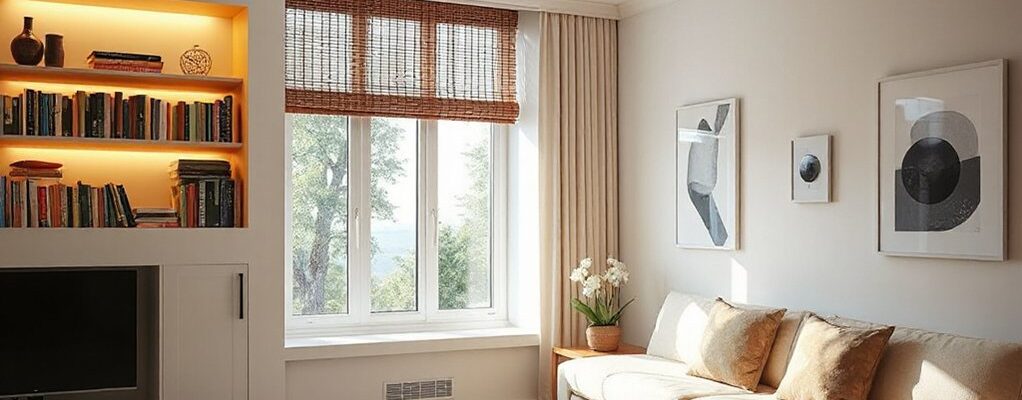
Hidden home features quietly elevate daily comfort by blending function with restraint. You’ll feel calmer with concealed storage that keeps clutter out of sight, soft-close hardware that respects quiet moments, and unobtrusive safety sensors that just work. Smart tweaks—thermostats that learn, lighting that adapts—step in without shouting. Ready to explore how these subtle touches can reshape your space without compromising design? There’s more to reflect on below.
Key Takeaways
- Hidden storage in beds, ottomans, and furniture keeps clutter out of sight, reducing visual noise and improving daily calm.
- Concealed hardware and seamless finishes create a minimalist aesthetic that feels serene and cohesive.
- Integrated smart systems with adaptive thermostats and occupancy-aware ventilation maintain stable comfort quietly.
- Soft-close mechanisms and discreet safety features prevent jams and pinches without disrupting design flow.
- Strategic acoustic treatments and sound-dampening panels hidden within walls or furniture reduce echo and street noise subtly.
How Hidden Home Features Elevate Daily Comfort (Identify Your Pain Points)
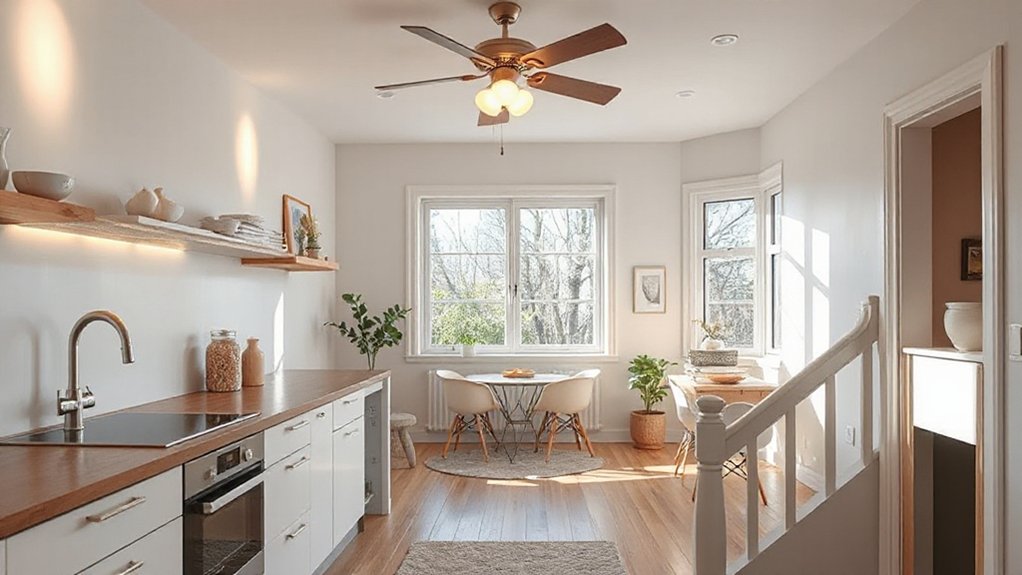
Hidden features aren’t flashy gadgets—they quietly target your everyday pain points. You’ll notice how smartly placed nooks, hidden storage, and modular routines cut clutter, so morning routines feel calmer and faster.
By prioritizing energy efficiency, you reduce daily costs and heat, letting you enjoy a cooler, brighter home without chasing gadgets. You’ll also experience aesthetic enhancement—design details that feel intentional, elevating even simple tasks like cooking or switching spaces.
Each feature addresses a concrete need: easier access, reduced noise from mislaid items, and predictable lighting that supports focus and rest. You’ll see how subtle shifts in layout and materials transform friction into flow, making daily living more comfortable, efficient, and visually coherent.
This is practical, design-forward thinking you can implement now.
Quiet Your Space: Sound-Dampening Walls and Surfaces
Sound-dampening walls and surfaces aren’t about hype—they’re about steady comfort. You’ll notice the difference when conversations stay clear and TV nights don’t collide with noisy streets.
Opt for acoustic panels fitted with a slim profile that blend into modern aesthetics—think textiles, neutrals, and modular shapes that echo your room’s geometry.
Place panels at primary noise sources: near the sofa, by the kitchen line, or opposite the loud neighbor’s wall to disrupt echo rather than just absorb it.
Complement with soundproof curtains on key windows to curb street din without sacrificing light.
The goal is targeted absorption and flexible styling, so you maintain a design-forward vibe while keeping daily volumes calm and predictable.
Practical, purposeful, and quietly stylish.
Seal the Draft: Weatherstripping Doors and Windows
You’ll start by sealing gaps efficiently around doors and windows, cutting drafts at the source. Think tight alignment, smart weatherstripping choices, and a clean, actionable path to reduce unwanted air exchange.
The result is immediate comfort with a design-forward touch that keeps hot or cool air where it belongs.
Seal Gaps Efficiently
Drafting the draft stops drafts: start by identifying where doors and windows meet the outdoors, then apply weatherstripping to seal those gaps. You’ll gain immediate comfort by targeting common trouble spots: door bottoms, window sashes, and attic or basement access points.
Choose high-quality weatherstripping suited to each edge, and press firmly for a tight seal. For added performance, install door sweeps on exterior doors and foam-tiller seals where panels meet frames.
Pair sealing with smart design choices like soundproof curtains in living areas and insulated flooring to reduce noise transfer and drafts elsewhere.
After sealing, test by feeling for cold or air movement and listen for escaping sound. Maintain by rechecking seals seasonally and replacing worn material promptly.
Doors And Windows Drafts
Weatherstripping doors and windows starts with a quick audit of gaps where drafts sneak in, then you seal those weak points for instant comfort. You’ll identify forgotten cracks around frames, under sashes, and at the sill, then choose targeted solutions that fit your space.
Start with a simple sweep test to confirm airflow direction, then measure for precise seals. Install weatherstripping that compresses evenly and lasts, or add a door threshold to block bottom leaks.
Consider adjustable window coverings to tame solar gain without compromising airflow. For doors, hidden door stops help keep seals aligned and reduce bounce that creates drafts.
The result: steadier temps, quieter rooms, and a cleaner, design-forward finish that feels built in rather than added on.
Create Fresh Air: Humidity and Ventilation Balance
To create a comfortable indoor climate, balance humidity with effective ventilation so air stays fresh without drying out or turning damp. You optimize this by pairing measured airflow with moisture control, using a subtle, continuous exchange rather than dramatic bursts.
Keep humidity around 40–60%, adjusting via smart vents or a bath fan timer that aligns with occupancy. Prioritize continuous, low-volume ventilation when outdoors are mild to avoid stale air without energy waste.
Consider indoor plant benefits and their microclimate effects; they help moderate humidity while enriching air feel.
Plan air purifier placement to capture volatile compounds without creating drafts, ideally near activity zones but away from direct airflow.
Integrate these moves into a cohesive, design-forward routine for balanced, breathable comfort.
Let Light In, Without Glare: Natural Light Moderation Tips
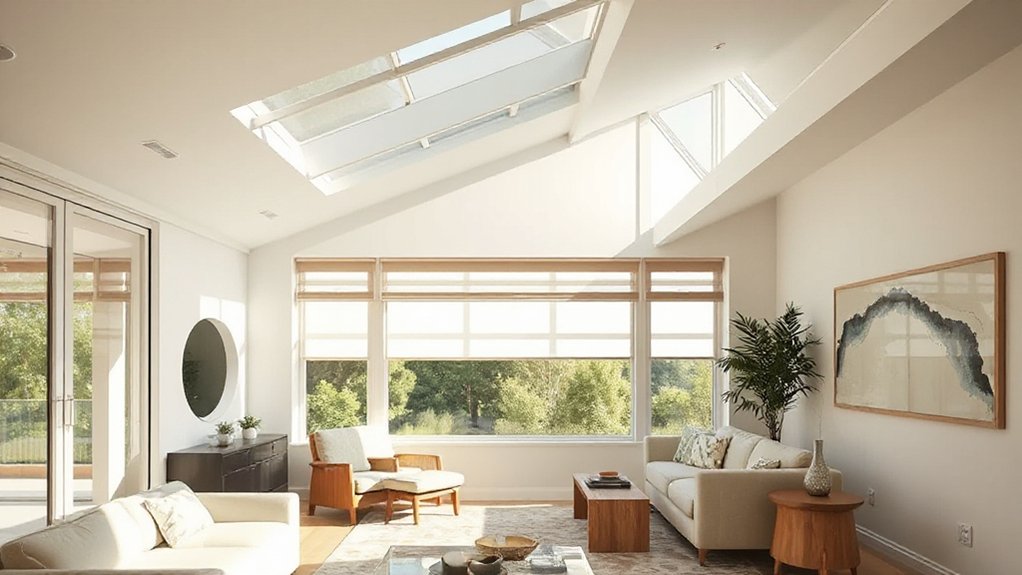
Natural light is invaluable, but glare can ruin the view and fatigue your eyes. You can control it without sacrificing brightness by choosing window treatments that diffuse rather than block.
Think layered solutions: sheer panels for daytime diffusion, paired with adjustable blinds or roller shades for targeted shading when sun angles shift.
Consider window placement and texture: light-filtering fabrics soften harsh reflections while preserving clarity.
Treat skylight benefits as a design feature rather than a compromise—use dimmable fixtures nearby to balance daylight and artificial light as needed.
Install exterior shading devices or overhangs to reduce high sun.
Optimize glazing options and orientation, and test angles with furniture layout to prevent glare on screens and work zones.
Simple Smart Tech for Effortless Comfort
Smart climate adjustments and quiet lighting automation make daily comfort effortless. You’ll feel the difference as adaptive thermostats respond to your routine and sensors fine-tune brightness without glare.
It’s design-forward tech that stays out of the way while boosting your comfort at a glance.
Smart Climate Adjustments
Have you ever wished for climate control that just happens? Smart climate adjustments quietly tune itself, so you stay comfy without thinking about settings.
You’ll pair a smart thermostat integration with adaptive schedules that learn your routines, saving energy while maintaining flavor of your space.
Temperature nudges happen gradually, avoiding abrupt changes that disrupt sleep or focus.
In winter, radiant-floor biasing or zoned cooling shifts only where you need it, reducing waste.
In daylight, the system leans on natural warmth and shading, not brute force.
For efficiency, you’ll notice energy efficient windows complement the automation, stabilizing indoor temps with less HVAC strain.
The result is consistent comfort, streamlined operation, and smarter living without extra steps.
Quiet Lighting Automation
You’ll notice smoother progressions, consistent color, and mood lighting that supports focus or relaxation without manual tweaks. Ambient sound cues can pair with lighting to cue wakefulness or wind-down, creating a calmer environment without distraction.
The design stays practical: reliable bulbs, responsive dimmers, and intuitive controls that still respect a clean aesthetic. This approach reduces glare, saves energy, and enhances everyday moments, letting comfortable illumination quietly elevate your space.
Hidden, Handy Storage Hacks That Stay Accessible
Install shallow drawers under benches or stair landings to catch odds and ends without shouting storage. Use magnetic strips and peg rails in the mudroom for tools, keys, and cords, so items stay visible yet tucked away.
In the kitchen, pull-out trays behind closed doors maximize pantry depth while preserving a clean face.
In the bedroom, fabricate hidden compartments within bed frames or ottomans for seasonal gear.
Prioritize understated elegance, so hardware remains simple and finishes blend with existing surfaces.
Embrace hidden safety features, like soft-close doors, to prevent jams and accidental pinches during busy mornings.
Gentle Layout Tweaks for Better Flow and Access
Gentle layout tweaks can make every space feel more inviting and usable without sacrificing style. You’ll notice flow improves when pathways stay clear and doors aren’t blocked by furniture.
Start with furniture arrangement that prioritizes function: place seating to anchor conversation, align work zones near natural light, and keep clearance for foot traffic. Opt for versatile pieces with slim profiles to preserve openness.
Smooth decor aesthetics come from cohesive scale, repeating finishes, and a calm color palette. Use rug anchors to define zones without crowding, and consider vertical storage to reduce clutter at eye level.
Keep sight lines open from room to room, so movement feels intuitive. Small relocations, intentional spacing, and thoughtful accents yield calmer navigation and daily ease.
Frequently Asked Questions
How Can Hidden Features Affect Mental Well-Being at Home?
Hidden features can boost your mental well-being by shaping how you experience space. You’ll notice calmer moods when indoor acoustics reduce noise overwhelm and natural lighting reinforces circadian rhythms.
You’ll feel more focused, supported, and connected to your surroundings as you move through rooms designed with intention. Embrace thoughtful layouts, quieter zones, and sunlit corners to sustain motivation, reduce stress, and uplift daily resilience—practical design that quietly supports your mind.
Do Quieting Measures Impact Electrical or HVAC Noise Differently?
Did you know a well-sealed room can drop perceived noise by up to 20%? Quieting measures do differ: electrical insulation targets high-frequency hums, while HVAC dampening focuses on low-frequency rumble.
You’ll notice clearer conversations and deeper rest as you apply both. Use electrical insulation around outlets and cables, plus HVAC dampening with duct lining and vibration isolators.
Practical, design-forward tweaks create calmer spaces without sacrificing style or efficiency.
Can Low-Cost Tweaks Deliver Noticeable Comfort Gains?
Yes. Low-cost tweaks can deliver noticeable comfort gains, especially when you pair practical fixes with smart technology.
You’ll notice calmer rooms with door seals, acoustic panels, and radiator covers, while decorative accents subtly influence perceived warmth and sound.
Implement smart thermostats, budget sensors, and responsive lighting to fine-tune ambience.
These affordable steps feel design-forward, making daily living more comfortable without breaking the bank.
Are Hidden Features Scalable for Small Spaces?
Yes, hidden features scale well for you in small spaces. Start with space saving innovations that prioritize vertical storage, foldaway desks, and wall-mounted lighting to free floor area.
Use multifunctional fixtures—beds with integrated storage, ottomans that double as seating, and compact kitchen islands—that maximize utility without bulk.
Design-forward choices should emphasize clean lines, adjustable ambient lighting, and tactile materials. You’ll gain perceived spaciousness and practical comfort without sacrificing style or functionality.
How to Identify Which Hidden Upgrades to Prioritize?
One interesting stat: homeowners notice upgrades pay back in energy savings within two to three years.
You should identify hidden upgrades by prioritizing low-effort, high-impact options.
Focus on Hidden maintenance needs that recur seasonally, then pair them with smart Design integration, like compact lighting, hidden weather stripping, and modular storage.
You’ll act quickly, saving time and money, while maintaining a calm, tidy feel.
Start small, reassess quarterly, and scale based on daily comfort and practical utility.
Conclusion
In a quiet corner of your home, subtle features prove the theory true: small choices create big ease. You’ll feel calmer as doors hush closed, drafts disappear, and hidden storage frees surfaces. With smart tweaks and gentle layouts, daily routines weave effortlessly around you. The result isn’t luck—it’s design listening to your needs, turning hidden potential into tangible comfort. Trust that the quiet improvements add up, shaping a space that feels easier, brighter, and finally yours.