
To attract corporate tenants, present a professional, scalable HMO with clear processes, reliable safety records, and leasing options that fit business needs. Highlight fast Wi‑Fi, quiet zones, dedicated desks, and plug‑in readiness, plus proactive risk management and SLAs. Build a credible corporate brand, share measurable outcomes, and show proof via testimonials. Map segments, tailor messaging, and offer flexible leases with transparent governance. If you keep aligning operations with dashboards and predictable cycles, you’ll gain access to stronger, longer partnerships.
Understanding Corporate Tenants: What Firms Look for in an HMO

Corporate tenants seek more than a room in a house; they want a reliable, compliant, and convenient setup that minimizes risk for their business. You assess firms’ needs by honoring corporate culture and promoting alignment with their values.
A successful HMO speaks to professional conduct, predictable operations, and scalable spaces that support remote collaboration, client visits, and travel squads. They value clear policy governance, transparent safety records, and robust tenant diversity that mirrors their workforce.
You curate flexible leasing terms, responsive maintenance, and proactive risk management to reduce downtime. By documenting workflows, responses, and service level agreements, you demonstrate operational maturity.
In short, you show you can harmonize a shared environment with a firm’s standards, enabling focus on core objectives rather than administrative friction.
Frame Your HMO for Business Buyers With a Corporate Brand
Frame your HMO as a corporate-ready platform by sharpening your brand positioning for business buyers. Highlight how a cohesive Corporate Brand and consistent visuals signal reliability.
While a streamlined Tenant Onboarding process shows efficiency and risk control. Together, these elements frame value, speed up decisions, and set the stage for scalable, long-term partnerships.
Corporate Brand Positioning
How you position your HMO to business buyers starts with a clear, credible corporate brand that communicates reliability, value, and professional discipline. You frame discussions around a consistent brand promise, then back it with measurable performance indicators and documented processes.
This corporate positioning hinges on deliberate Brand storytelling that conveys your HMO’s purpose, outcomes, and client-centric capabilities. Map Market segmentation to target business buyers by industry, company size, and location, then tailor messaging and proof points to each segment.
Your positioning should reflect practical advantages—predictable turnover, compliant standards, scalable room configurations, and risk mitigations. Align visuals, tone, and collateral with the brand narrative so stakeholders perceive a coherent, trustworthy offering.
In collaboration, refine the positioning based on buyer feedback to sharpen differentiation.
Streamlined Tenant Onboarding
Efficient tenant onboarding sets the tone for a reliable, businesslike HMO experience. You’ll create a streamlined process that moves quickly while preserving due diligence.
Start with clear onboarding packets that outline expectations, policies, and required documents, so new tenants can provisionally confirm their status in minutes.
Integrate an optimized Tenant screening workflow that balances speed with compliance, reducing back-and-forth and accelerating approvals for corporate moves.
Use standardized digital forms, e-signatures, and a centralized portal to track status, communications, and deadlines.
For Lease negotiations, present transparent terms, scalable rent schedules, and contingency language that reflects corporate rhythms.
Align onboarding milestones with property management software, enabling real-time status updates for stakeholders and minimizing handoffs.
The result is a smooth, predictable handover that supports rapid occupancy and professional branding.
High-End Amenities That Actually Matter to Firms
Corporate tenants don’t just want space; they want conditions that boost productivity and brand appeal. You’ll demonstrate that high-end amenities matter because they shape daily workflows, not just aesthetics.
Prioritize spaces that support collaboration, focus, and seamless operations: soundproofed meeting rooms, reliable high-speed Wi‑Fi, and smart controls that reduce friction.
Luxury decor isn’t indulgent; it signals quality and reduces onboarding friction for visitors and executives.
Guarantee well‑lit, breathable common areas that invite concise, purposeful interactions.
Offer networking events that forge peer connections and strengthen retention, turning the building into a hub for idea sharing.
Pair premium facilities with transparent maintenance and rapid service responses; consistency builds trust.
When amenities feel purposeful, firms perceive tangible value, driving longer leases and advocacy.
Flexible Leases and Pricing Tailored to Corporate Budgets
- Custom term blocks
- Transparent true-up mechanics
- Tiered rent based on occupancy
Build a Corporate-Ready Marketing Plan You Can Execute

To build a corporate-ready plan, start by aligning your property with Corporate Fit Criteria so your messaging targets the right tenants.
Craft Market-Driven Messaging that speaks to predictable demand, clear ROI, and a seamless onboarding experience, while laying out Onsite Experience Logistics that support reliability and brand standards.
Share a concrete execution path you can test, measure, and adjust with stakeholders to make certain every tactic moves toward closed, long-term corporate occupancy.
Corporate Fit Criteria
Develop a clear set of criteria that defines what makes a property and operation “corporate-ready,” so you can quickly screen leads and tailor your outreach. Your criteria should balance risk, scalability, and brand fit, ensuring operations align with corporate culture and expectations.
Define benchmarks for safety, compliance, amenities, and security, plus scalable management systems that satisfy facilities teams and HR due diligence. Establish documentation standards, service-level targets, and predictable financials to ease Lease negotiation.
Communicate these standards upfront to reduce back-and-forth and strengthen credibility.
- Clear safety, compliance, and accessibility metrics that align with corporate policies
- Scalable operations and standardized service levels that support predictable budgeting
- Alignment with corporate culture, branding, and tenant-facing amenities that reinforce a professional image
Market-Driven Messaging
You’ll craft a concise value proposition aligned with market segmentation, identifying segments by company size, industry, and relocation tempo. Your messaging translates features into measurable outcomes: uptime, compliance, risk reduction, and predictable budgeting.
Use brand storytelling to anchor credibility, sharing verifiable case results and client metrics that resonate with procurement criteria. Maintain consistency across decks, landing pages, and one-pagers, ensuring a single, compelling narrative.
Prioritize evidence: data, testimonials, and pilots. This approach yields a repeatable, scalable plan you can execute, track, and optimize collaboratively with stakeholders.
Onsite Experience Logistics
Onsite experience isn’t just about a clean unit; it’s the first impression your corporate tenants rely on day one. You design logistics that support seamless transitions, predictable routines, and accessible support while showcasing your asset’s value. Your plan centers on operational clarity, proactive communication, and measurable standards that align with corporate expectations.
You’ll highlight how residents engage with the surrounding area, emphasizing community engagement and neighborhood amenities as differentiators. Clear signage, streamlined access, and responsive maintenance create confidence and reduce friction for arrival and onboarding.
Coordinate with property teams to guarantee consistent service levels, documentation, and escalation paths, so tenants feel supported from first contact onward. Below you’ll find practical steps to implement now.
1) Define a standardized onboarding playbook that covers move-in, welcome, and first-week touchpoints.
2) Map guest and vendor flows to minimize disruption, with clear routes and timing.
3) Establish metrics and regular reviews tied to tenant satisfaction, maintenance response, and community engagement.
Craft a Listing That Speaks to Business Tenants
If you’re targeting business tenants, your listing should clearly signal efficiency, reliability, and a productive work-life balance, not just a place to sleep. Frame the space as a turnkey solution: flexible leases, fast repairs, and predictable costs.
Highlight high-speed connectivity, quiet zones, and ergonomic workstations that boost focus. Use concise bullets for room specs, amenities, and security standards, then weave in Creative branding to convey a professional image that aligns with corporate culture.
Emphasize Tenant retention through stability features—transparent pricing, predictable renewal terms, and proactive support. Include nearby business corridors, transport links, and coworking options to illustrate practical value.
Craft a tone that’s collaborative with agents and managers, inviting inquiries and feedback to refine the listing over time. This clarity attracts serious corporate buyers who seek efficiency and reliability.
Streamline Viewings and Applications for Speed and Professionalism
To move fast and stay professional, streamline viewings and applications by offering flexible scheduling, virtual tours, and a simple, all-in-one submission flow. You’ll reduce friction, speed decisions, and project confidence with tenants.
Prioritize clear criteria, prompt follow-ups, and transparent timelines so corporate clients feel respected and informed.
Integrate tenant screening early to filter candidates efficiently, while keeping data secure and compliant.
In lease negotiations, present options succinctly and document decisions to avoid back-and-forth delays.
A streamlined process signals capability and reliability, boosting occupancy quality and landlord credibility.
- Flexible scheduling and instant confirmations
- Immersive virtual tours coupled with concise application forms
- Clear, trackable tenant screening and transparent lease negotiations
Define Service Levels: Draft a Landlord-Tenant SLA
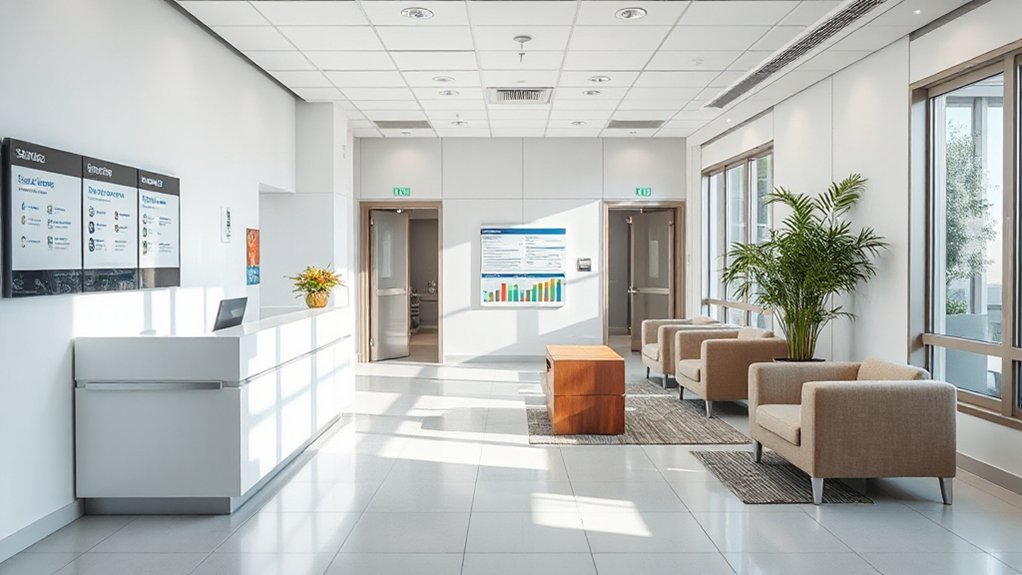
A Landlord-Tenant Service Level Agreement (SLA) defines our commitments, performance standards, and measurement methods so corporate tenants know what to expect and you can deliver consistently.
You draft clear, actionable metrics for response times, maintenance windows, and fault resolution, then share them upfront.
You’ll define service tiers, linking each to guaranteed outcomes, so expectations stay aligned during occupancy.
Include specifics on Luxury upgrades and neighborhood amenities, detailing scope, budget, and decision timelines to avoid scope creep.
Establish governance: regular reviews, escalation paths, and owners for each SLA element.
Use objective KPIs, plain language, and transparent reporting so clients can audit performance.
With collaboration, you’ll refine targets, ensure reliability, and demonstrate commitment to quality and predictable service.
Prioritize Safety, Compliance, and Risk Management Upfront
Prioritizing safety, compliance, and risk management up front aligns your SLA with what corporate tenants value most: predictable, secure occupancy. You establish trust from day one by documenting standards, audits, and clear ownership of fixes, reducing negotiation friction.
By integrating risk controls into the lease framework, you protect both parties and streamline decision-making. Focus on practical measures that translate into smoother onboarding, lower late-cycle contingencies, and fewer safety-related holdbacks during due diligence.
You’ll also shape compelling tenant incentives that reward proactive compliance, rather than reactive fixes, which boosts lease negotiations. This proactive stance signals professionalism, reduces surprises, and accelerates commitments.
1) Define breach remedies and escalation timelines clearly
2) Align safety protocols with existing corporate policies
3) Tie tenant incentives to consistent adherence and timely reporting
Demonstrate Energy Efficiency and Cost Controls That Matter
Even before the lease is signed, you should quantify and showcase how energy efficiency reduces operating costs, enhances predictability, and supports corporate ESG goals.
You’ll present a clear, data-driven plan that couples baseline metrics with targeted improvements, so tenants see immediate and long-term value.
Highlight key levers like efficient lighting, smart controls, and high-efficiency HVAC, and translate results into tangible numbers.
Demonstrate energy savings with monthly projections and scenario comparisons, then tie them to forecasted operating expenses to reinforce cost controls.
Emphasize cost transparency: share utility bills, maintenance implications, and any incentives or rebates.
Invite questions and provide a simple dashboard you can update quarterly, ensuring tenants understand ongoing financial benefits as part of the tenancy decision.
Prove Reliability With Responsive Maintenance and SLAS
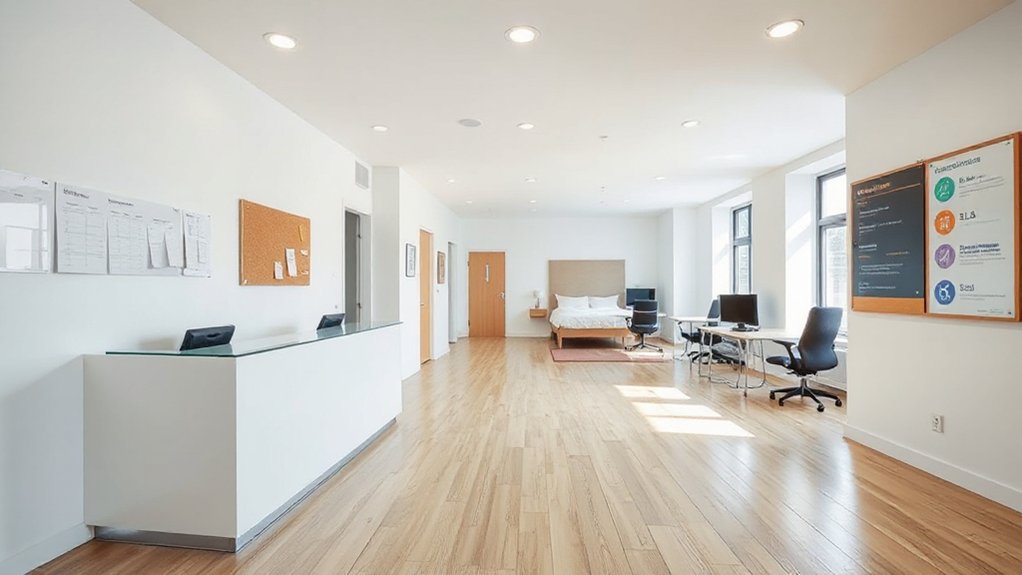
When reliability is non-negotiable, you’ll see maintenance responsiveness as a core value, not a cost center. You communicate service levels clearly and back them with measurable actions, proving maintenance reliability to corporate tenants. Fast, predictable responses reduce downtime and reassure occupants that issues won’t derail operations.
Your SLAs set target response times, fix windows, and escalation paths, creating a transparent partnership. The disciplined singleness of purpose strengthens trust and demonstrates you prioritize uptime as a strategic asset.
- Define SLAs with explicit response and repair targets tied to tenant priorities
- Monitor performance with dashboards and public uptime metrics
- Review outcomes quarterly to optimize service levels and deepen reliability
Build Relationships With Local Recruiters and Firms
Building relationships with local recruiters and firms starts by translating reliability into a shared benefit. You’ll show that your HMO supports their people strategies, not just occupancy.
Prioritize community engagement: invite recruiters to open days, host short tours, and offer flexible viewing windows that align with their schedules.
Demonstrate predictable processes, from onboarding to lease terms, so firms feel they can count on you without extra coordination.
Practice proactive communication: provide concise market data, vacancy updates, and problem-solving options that protect their candidates’ timelines.
Leverage local networking to identify gatekeepers, mentors, and champions who can vouch for your consistency.
Collaboration flourishes when you align incentives, respond quickly, and tailor partnerships to fit each firm’s culture and needs.
Collect and Showcase Corporate References and Testimonials
To win corporate tenants, collect and showcase clear references and testimonials from firms you’ve served, then present them where decision-makers will see them first. You build trust by linking outcomes to corporate branding and ongoing tenant engagement, not just occupancy.
Curate quotes that quantify results, attach case studies, and highlight how your HMO supports mobility, compliance, and performance. Place testimonials on your site, brochures, and lobby screens, and guarantee sales materials reference the same metrics.
Assure references are current, relevant, and verifiable, making it easy for procurement to cross-check. Collaborate with clients to refresh content quarterly, so your message stays credible and compelling.
- Highlight win-win outcomes with clear metrics
- Align testimonials with buyer personas
- Use branded visuals and concise summaries
Offer Plug-and-Play Furniture for Immediate Occupancy

Plug-and-play furniture accelerates occupancy by letting tenants move in the moment their lease is signed. You offer a turnkey setup that reduces friction for corporate clients who value speed and certainty.
Favor modular pieces that adapt to room layouts and varied team sizes, so you can scale without delays. Emphasize furniture customization options that align with each tenant’s branding guidelines while staying cost-efficient for you.
Provide durable, easy-to-clean finishes and integrated storage to minimize maintenance calls in the first 90 days.
Highlight aesthetic branding as a differentiator—color accents, branded cushions, and logo placement that don’t overwhelm the space.
Pair rapid delivery with clear warranty terms and simple replacement paths to sustain trust and long-term occupancy.
Onboard New Tenants Quickly With a Slick Process
With those plug-and-play setups in place, you can accelerate the onboarding flow by standardizing checks, paperwork, and access provisions. You deploy a slick, consistent process that reduces friction for corporate tenants while keeping risk tight and visibility high.
By aligning compliance, IT access, and welcome communications, you create a seamless first impression that boosts confidence and speeds occupancy. Creative marketing and Tenant engagement come together in a polished handoff, so tenants feel valued from day one.
1) Standardized verification, digital signatures, and secure document storage
2) Pre-configured access, welcome kits, and centralized comms templates
3) Rapid move-in checklists, feedback loops, and ongoing optimization
This approach emphasizes clarity, collaboration, and measurable onboarding success.
Create a Tenant-Facing Property Operations Playbook
Start by aligning your Tenant Onboarding Timeline with a clear, step-by-step flow that reduces friction and sets expectations from day one.
Then outline the Maintenance Response Protocol in plain terms so tenants know exactly how and when issues will be handled, who to contact, and what constitutes urgent versus routine requests.
This playbook should be concise, actionable, and collaborative, inviting tenant feedback to refine responsiveness and reliability.
Tenant Onboarding Timeline
Onboarding a new tenant is a coordinated, time-bound process that sets the tone for a smooth tenancy. You’ll map milestones from initial inquiry to move-in, aligning actions with the corporate calendar and property operations playbook. Clear touchpoints reduce back-and-forth and accelerate decision-making, especially around Tenant incentives and Lease negotiations.
1) Define pre-occupancy requirements, deadlines, and responsible parties to ensure a flawless handoff.
2) Establish the sequence of onboarding tasks, from document collection to access provisioning, with target dates and measurable outcomes.
3) Communicate a transparent move-in checklist and welcome package that reinforces collaboration and minimizes surprises.
Maintenance Response Protocol
A clear Maintenance Response Protocol sets expectations for how issues are identified, prioritized, and resolved when working with corporate tenants. You establish a single point of contact, define response times by severity, and document every interaction.
You’ll implement a tiered prioritization scheme: critical safety or operational outages first, then high-impact tenant workflows, followed by routine maintenance requests. You specify notification channels, required data, and escalation paths to prevent delays.
You’ll track time-to-resolution metrics and share them transparently with tenants and property managers. You incorporate garden landscaping and art installations into your preventative maintenance calendar, scheduling seasonal checks and prompt repairs.
You guarantee standard work orders, checklists, and post-service confirmations accompany every task, reinforcing accountability, consistency, and proactive communication across all corporate tenants.
Make the Property Friendly to Business Travelers and Remote Teams
To attract business travelers and remote teams, design the space with clear, reliable work-ready features—fast wifi, dedicated desks, quiet zones, and ample outlets—so guests can work productively from day one. You’ll create a turnkey environment that signals professionalism and minimizes friction, encouraging longer stays and repeat bookings.
Emphasize pet friendly policies where suitable, so teams can travel with comfort without sacrificing focus. Build in community engagement by coordinating local-area introductions, casual coworking hours, and shared problem-solving sessions that foster quick integration.
- Prioritize plug-in readiness and ergonomic setups in every room
- Establish defined quiet zones and transparent noise policies
- Offer flexible, pet-friendly arrangements and neighborhood connection events
Use Data to Prove Value: Metrics That Matter to Corporates

Here are the key metrics corporates care about, and how to measure them clearly so stakeholders can see rapid, tangible value. You’ll track occupancy rates to demonstrate utilization efficiency and demand stability, with weekly and monthly trends broken down by unit type and lease duration.
Use data visualization to illustrate peak occupancy periods, turnover, and dwell times, so leaders grasp performance at a glance. Measure cost per occupied room, maintenance cycle time, and vendor response metrics to prove operational discipline behind every dollar.
Highlight gross revenue per available room, and show vacancy risk analytics to forecast resilience under scenarios. Pair financials with qualitative indicators like guest satisfaction and incident resolution, ensuring the portfolio’s value is both measurable and defendable to corporate decision-makers.
Plan for Scalable Growth: Multiple-Unit Corporate Portfolios
Plan for scalable growth starts with a repeatable framework that lets you expand beyond a single building without sacrificing performance. You’ll build a portfolio mindset, not a collection of isolated assets, so you can optimize operations, brand, and tenant experience at scale. Your goal is consistent service, predictable retention, and defensible occupancy across markets.
Use data-driven processes to standardize onboarding, leases, and maintenance, then apply Creative marketing to attract diverse corporate tenants without diluting your value proposition.
- Standardize onboarding and service levels across properties
- Replicate successful tenant programs, contracts, and incentives
- Monitor performance per unit and adjust pricing, amenities, and marketing
This approach reinforces Tenant retention, accelerates growth, and keeps your brand coherent as you scale.
Avoid Common Pitfalls and Keep Blue-Chip Tenants Happy
You’ll minimize risk by ensuring compliance and clarity in every lease, checklist, and communication so blue-chip tenants feel confident in the partnership.
When management is responsive and proactive, issues are resolved quickly and trust is built for the long term.
Let’s align processes, set clear expectations, and measure performance to keep standards high and tenants satisfied.
Compliance and Clarity
To attract and retain blue-chip tenants, you must align operating practices with clear compliance and transparent communication; when tenants see consistent rules and straightforward processes, trust follows. You act on robust legal considerations and precise market segmentation to tailor offerings without ambiguity, reducing renegotiation risk. Clarity isn’t optional—it’s a differentiator that protects all parties and sustains occupancy.
- Define policies in plain language, then publish them everywhere tenants review during onboarding.
- Map responsibilities across stakeholders, with exact escalation paths and timelines for issues.
- Regularly audit compliance, report findings plainly, and update procedures to reflect changing regulations.
This collaborative approach signals professionalism, minimizes disputes, and reinforces your credibility with corporate clients.
Responsive Property Management
When issues arise, you respond quickly, with transparent timelines and updates that cut friction and prevent escalation.
Your focus on property aesthetics matters: a clean, well-maintained environment signals professionalism and care, boosting tenant confidence and reducing turnover.
You build structured feedback loops for tenant engagement, inviting input on common areas, repairs, and safety.
Proactive maintenance calendars keep systems reliable and outages rare, while documented processes protect your reputation.
Frequently Asked Questions
How Do You Quantify ROI for Corporate HMOS?
ROI for corporate HMOs is quantified via net cash flows, market valuation, and investment analysis metrics. You evaluate revenue, costs, occupancy, and refinancing terms, then compute IRR and cap rate to compare scenarios and guide decisions collaboratively.
What Compliance Gaps Commonly Derail Corporate Leases?
Legal compliance gaps commonly derail corporate leases through missed licensing, safety audits, and landlord-tenant obligations. You should tighten property management processes, implement robust documentation, stay current on regulations, and collaborate with counsel to close gaps before leases execute.
How Quickly Can a Firm Scale Across Multiple Units?
You can scale across multiple units quickly by tightening tenant onboarding and streamlined property management, leveraging centralized onboarding portals, scalable processes, and clear SLAs, so each new unit joins smoothly while your firm maintains consistency and accountability.
What SLAS Are Essential for Corporate Tenants?
You need clear SLAs: Tenant screening completes within five days; Lease negotiations conclude within seven. You guide, you align, you protect—like a captain charting currents. You guarantee transparency, collaboration, and compliance, embracing tenants and safeguarding interests.
How Do You Benchmark Tenant Satisfaction for Renewals?
You should benchmark renewals by gathering tenant feedback and applying satisfaction metrics, then compare year-to-year trends. You’ll identify gaps, collaborate with managers, and implement targeted improvements to keep corporate tenants engaged and renewing reliably.
Conclusion
You’re close to securing steady corporate tenants if you stay quietly confident and relentlessly practical. When you speak their language, you’ll avoid missteps and win trust—think carefully crafted amenities, flexible terms, and transparent metrics. Embrace collaboration, not rigidity, and let data quietly validate your value. Keep the portfolio scalable, the branding professional, and the experience consistently reliable. With steady iteration and respectful dialogue, you’ll build partnerships that feel like a natural, lasting fit.