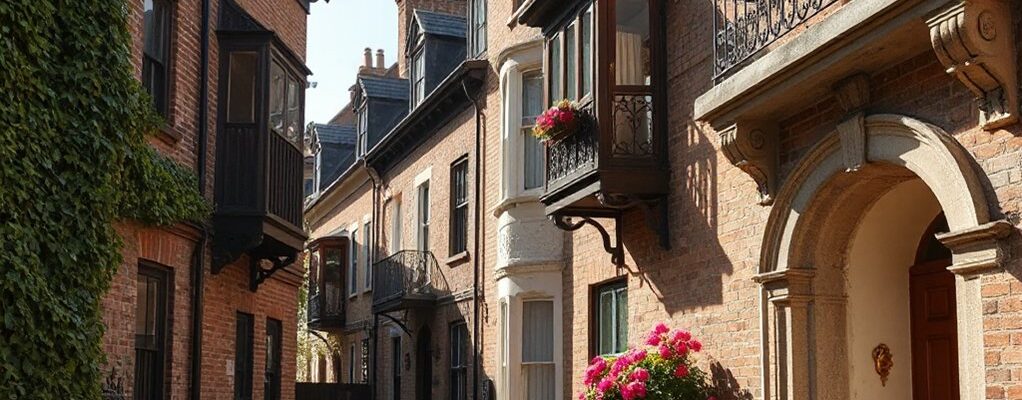
Did you know that homes from before 1950 often sell at a premium for character, even as they require more upkeep? You’ll feel the craft in every corner—from original hardware to patinaed surfaces—that signals a tangible link to the past. You’ll notice how irregularities and cozy nooks create intimacy you won’t find in newer builds. But there’s more to weigh before you commit, and it starts with understanding what truly gives these houses their enduring appeal.
Key Takeaways
- Period homes offer authentic materials and patina that tell a craft-focused story, enhancing perceived value and character.
- Architectural details, craftsmanship, and unique features create warmth, rhythm, and a sense of history buyers find appealing.
- Timeless layouts, nooks, and irregularities impart charm and intimate living spaces not common in new builds.
- Preservation-friendly upgrades allow modern comforts while maintaining authenticity and long-term durability.
- Landscaping and exterior details complement period architecture, boosting curb appeal and a cohesive character narrative.
Framing: Why Period Homes Deliver Character
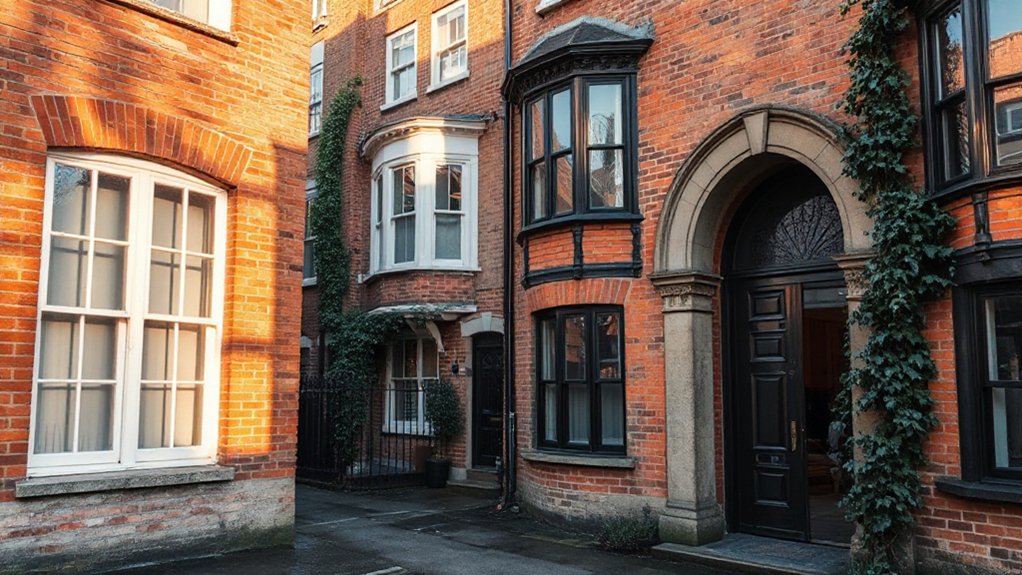
Period homes carry a built-in sense of character through architectural detailing, historic scale, and material patina that new-build homes often lack. Framing choices define this character, shaping how space feels and functions. You’ll notice timber framing, plaster lathe, and earlier joinery that preserve craft intent, not merely layout.
Structural decisions—load paths, squaring, and wall thickness—determine durability and acoustic qualities, influencing daily comfort and long-term maintenance. Modern renovations must respect original framing while upgrading services, insulation, and air sealing without compromising integrity.
This balance supports continued usability without erasing history. Market value rises when framing remains visible in purposeful, legible ways, signaling authenticity to buyers.
Clarity in detailing, accurate restoration, and selective modernization strengthen the perceived quality and market appeal of period homes.
Craftsmanship That Tells a Story
Craftsmanship isn’t just about visible details; it’s the story the walls tell through joints, finishes, and time-honed methods. You measure quality by how a span of trim meets a corner, how a chimney cap aligns with rafter tails, how surface textures resist wear without obvious patina.
This is how Historical preservation reveals intent: skilled hands, durable layouts, and care that survives renovations. You’re not admiring ornament for ornament’s sake; you’re reading architectural significance in the seams that endure.
Precision matters in every cut, in every eased edge, because the craft embeds provenance into the building’s grammar. When you assess a period home, you’re tracing a lineage of technique, restraint, and responsibility, where craftsmanship becomes corroborated evidence of value and character.
Authentic Materials That Age Gracefully
You notice how authentic materials bring timeless texture and warmth to a home, inviting you to touch and see their natural character.
As they age, their patina evolves, enhancing the room with quiet, evidence of time that speaks to provenance and craft.
This is where precision in material choice matters, linking timeless appeal with genuine substance.
Timeless Texture Appeal
Authentic materials age gracefully, inviting texture that tells a story rather than shouting for attention. You notice walls, timbers, and floors that carry patina, each crack and grain a trace of time.
This timeless texture isn’t random; it speaks through historical preservation principles that validate character while honoring function. You weigh the value of tactile richness against modern surfaces, understanding that aged textures can integrate with contemporary layouts without aesthetic conflict.
Restoration techniques matter here: carefully stabilized wood, lime plaster, and earth-based finishes preserve authenticity while improving longevity. When you plan updates, prioritize honest repair over replacement, ensuring materials age together.
In this approach, texture becomes evidence, not ornament, enhancing appeal through purposeful restraint.
Natural Material Character
When you choose natural materials—think timber, stone, brick, lime plaster, and untreated metals—you invite a tactile truth that ages with dignity, developing patina rather than weariness. This material honesty anchors period home charm by letting construction be legible in its own context, not masked by faux finishes.
You’ll notice how brickwork, timber joins, and lime plaster breathe, aging through use while retaining structure and color integrity. Such authenticity supports historic preservation aims, aligning aesthetic value with durability and repairability.
Precision in detailing matters: joints, chamfers, and plaster texture should reflect original methods without over-restoration. The result is a residence that speaks with historical confidence, offering tactile evidence of craft, provenance, and enduring character—an actively legible narrative rather than disposable surface.
Patina Over Time
Patina preservation isn’t static; it’s a dialogue between materials and environment, where oils, patinas, and micro-scratches form a readable history. You’ll notice how timber, brick, and metal acquire tonal shifts, textures, and subtle glosses that authenticate construction methods and era.
In valuing these cues, you avoid over-polishing, preserving the material logic that once guided repairs and adaptations. The goal is to respect intrinsic character while maintaining safety and function.
Clear stewardship, not concealment, sustains value, credibility, and the lived narrative integral to period homes. Surface aging becomes your informed, purposeful feature.
Architectural Details That Impress Buyers
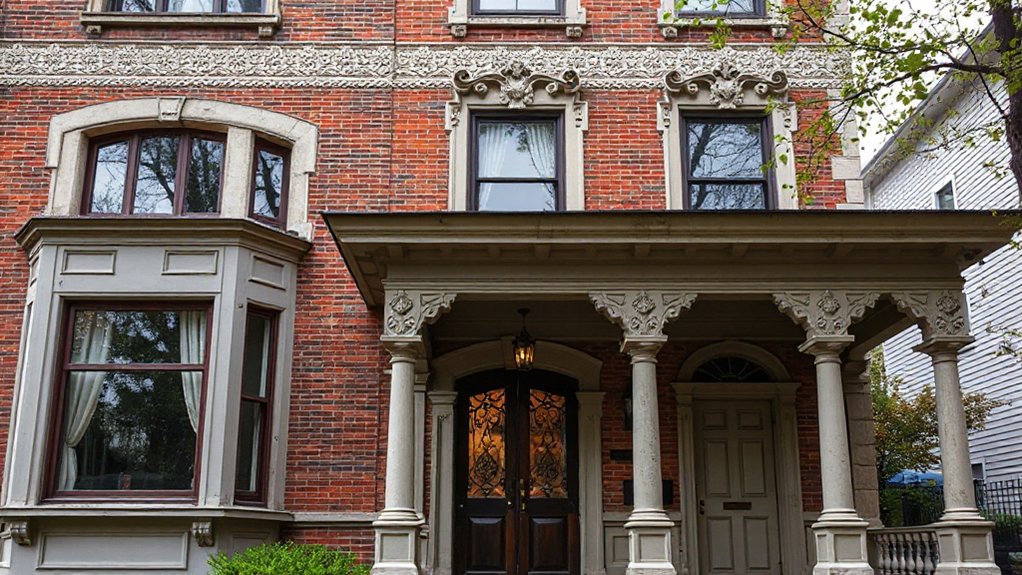
Precision isn’t mere ornament—it’s proof of longevity and thoughtful restoration. Context matters: you compare original hardware, latch hooks, and timber joints against contemporary equivalents, weighing durability and authenticity. Citations from restoration guides help you articulate value to buyers.
You consider landscaping trends around the home, ensuring exterior settings enhance the era’s line. You assess energy efficiency improvements discreetly integrated, preserving aesthetic without compromising period charm.
Unique, Character-Driven Layouts
You’ll notice how quirky floor plans, tucked nooks, and hidden structural details give each period home a distinct cadence. These elements invite you to explore flow and function beyond straight lines.
They shape rooms that feel purposeful yet playful. As you assess character-driven layouts, you’ll cite how these features echo era craft while supporting modern living.
Quirky Floor Plans
This precision-driven appeal isn’t mere whimsy; it’s a documented facet of historic homes, where layout quirks align with daily living and historical context. You assess how room proportions, door placements, and sightlines influence flow, light, and function, noting how these features foster memorable moments and conversation.
The best examples harmonize quirks with practical use, supporting modern routines while nodding to the past. Historic gardens and vintage fixtures act as anchors, reinforcing atmosphere without overwhelming the core living experience.
Nooks And Alcoves
In historic layouts, these recesses nested desks, reading chairs, and display shelves, creating microzones that direct movement without shutting rooms. The design invites purposeful interior lighting, with sconces and filtered daylight that sculpt surfaces and emphasize architectural details.
When evaluating a property, consider how nooks support Historical preservation by maintaining original sightlines and alcove depths that retain historical intent. The result is a livable ambience where function and charm converge, enabling you to honor the past while embracing contemporary comfort.
Hidden Structural Details
In period construction, these elements aren’t mere engineering; they define the rhythm of spaces, creating deliberate pauses between parlor and kitchen. You’ll observe how load-bearing lines guide furniture placement, how varying ceiling heights signal shifts, and how hidden structural details preserve architectural personality without overtly visible clutter.
This precision matters for appraisal and lived experience alike, since concealed support beams tell a story of sourcing, material choices, and construction practices. Respect for these details enhances authenticity, ensuring character remains integral to modern use.
Nooks, Stairs, and Irregularities That Feel Like Home
Characterful alcoves, cozy stairs, and small unevennesses give period homes their unmistakable warmth, inviting you to explore how every corner signals a story rather than a flaw. You sense architectural memory in tucked corners and sloped landings that nudge you to pause, listen, and observe.
In this context, such details aren’t quirks to mask; they define character and rhythm, guiding movement through rooms as if pages of a diary. You’ll notice how nooks encourage intimate use, while stairs create a tactile cadence between levels.
Irregularities emphasize craftsmanship and history, not randomness. When evaluating these spaces, consider garden landscaping around them and how it complements flow.
Meanwhile, energy efficiency emerges through smart insulation in aging envelopes, preserving atmosphere without sacrificing modern comfort.
Longevity and Craft: What Period Homes Last
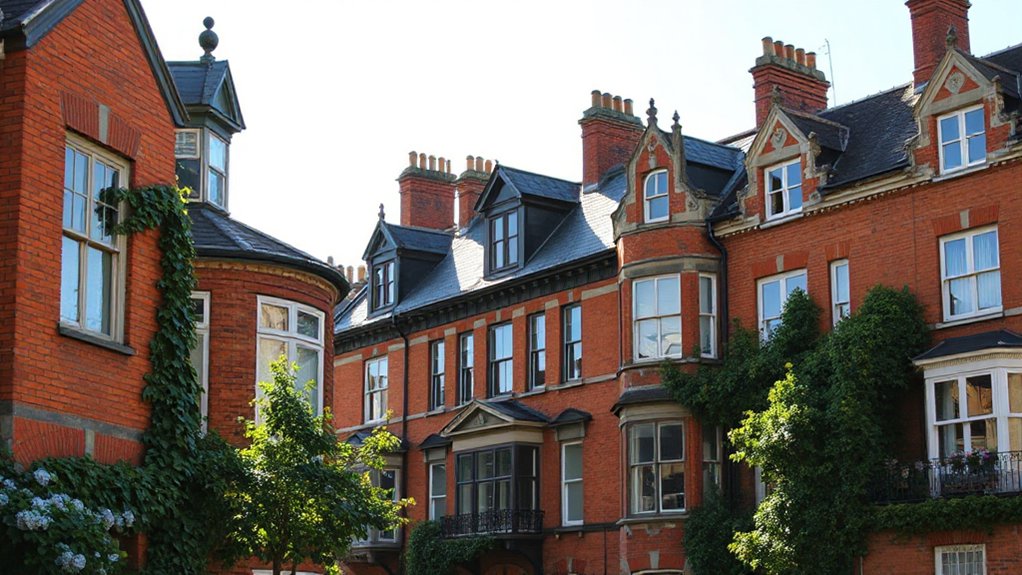
Longevity in period homes hinges on durable craft and proven systems, not cosmetic updates alone. You’ll notice that lasting value comes from joinery, framing, and foundational materials engineered to endure decades of use.
Timbers, masonry bonds, and traditional roofing techniques carry documented performance beyond modern whimsy, supported by archival builders’ manuals and contemporary preservation standards.
When you assess a home’s longevity, you’re evaluating not just aesthetics but the integrity of its skeleton and joints, which determine future repairability and load resilience.
Modern renovations, applied with respect for original systems, can extend life without erasing character. Energy efficiency, infused through historically appropriate insulation and efficient yet discreet upgrades, enhances sustainability while preserving timeless craft.
Modern Conveniences Without Losing Character
Modern comforts can be integrated without erasing the house’s character by prioritizing period-appropriate technologies and thoughtfully placed upgrades. You seek seamless living where efficiency meets authenticity, so plan around the home’s structure rather than against it.
Historical preservation guides choices: rewiring, insulation, and discreet HVAC can coexist with plaster, woodwork, and wainscoting. Opt for period-accurate fixtures in bathrooms and kitchens, paired with modern renovations that respect scale and provenance.
Prioritize low-profile controls, concealed cords, and reversible changes to avoid long-term damage. When possible, reuse original materials or matching equivalents to maintain texture and patina.
Achieve comfort through smart zoning and efficient lighting that preserves ambience. Documentation of upgrades supports appraisal and future maintenance, reinforcing the home’s integrity while delivering contemporary convenience.
How Period Homes Shape Everyday Living
While living in a period home, everyday routines unfold with a distinct rhythm that honors its craft and cadence. Your mornings begin with deliberate light, filtered through tall windows that guide you toward practical tasks rather than haste.
You notice how rooms define flow: a parlor becomes a quiet retreat, while the kitchen anchors shared life with tactile details—feet on wooden floors, hands on cool taps, a kettle’s whistle.
Garden landscaping shapes exterior rituals, inviting seed-to-table rituals without clamor.
You tune energy efficiency by preserving natural drafts, upgrading seals, and selecting durable, low-impact materials that respect the building’s lineage.
You move with intent, balancing comfort and restraint, documenting small adjustments as a conversation between past and present that preserves character while meeting present needs.
How to Assess Condition Without Sacrificing Character
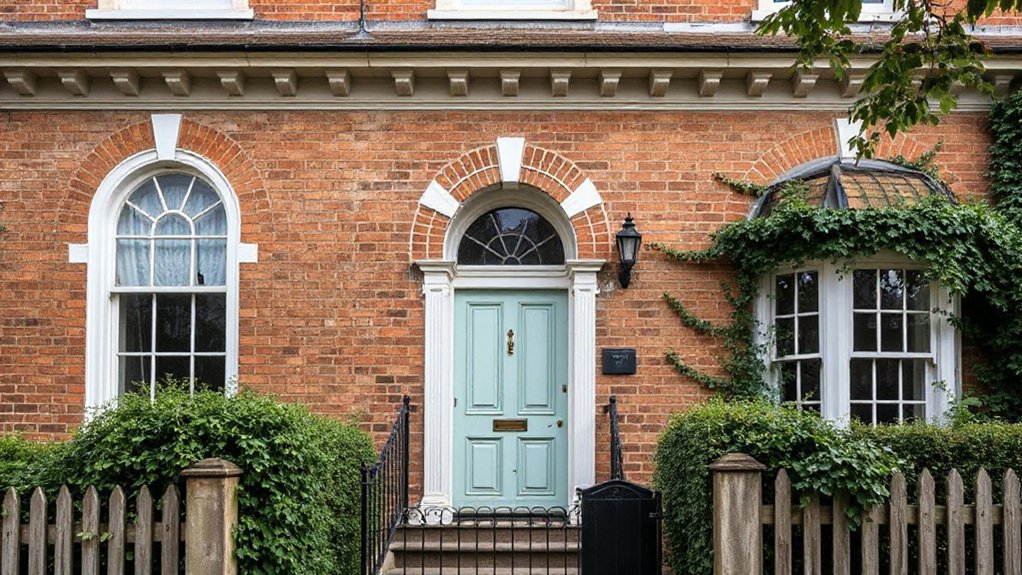
To assess condition without sacrificing character, start with a focused inventory that pairs structural health with period-specific details. You’ll verify framing, foundations, and roof integrity while documenting original moldings, hardware, and plaster nuances.
When issues appear, distinguish between essential repairs and cosmetic restoration, prioritizing parts that define the home’s character. Seek historical preservation guidance for materials matching era techniques, then compare with available modern upgrades that preserve integrity rather than replace it.
Use precise measurements and reputable assessments to track wear, settlement, or moisture and relate findings to documented construction practices of the period. Maintain a record of reversible updates and noninvasive treatments, ensuring interventions stay faithful to the home’s lineage.
This approach protects authenticity while enabling prudent, future-ready improvements.
Buying for Character: Key Considerations Before You Invest
When you’re weighing period homes, focus on how character aligns with practical realities. You’ll want a clear plan for maintenance, upgrades, and capital costs, not just charm.
Assess foundational integrity, wiring, plumbing, and insulation, then weigh how these elements affect daily living and long-term resale value.
Consider landscape design as part of curb appeal and drainage management, ensuring outdoor spaces complement the home without imposing excessive upkeep.
Evaluate energy efficiency opportunities: retrofits, draft reductions, and heating systems that suit older architecture without erasing its character.
Confirm permits, contractor reliability, and timelines to avoid cost overruns.
Balance authenticity with market expectations, recognizing that well-documented character paired with sensible improvements often yields stronger financial and emotional returns.
Frequently Asked Questions
How Do Period Homes Balance Modern Updates With Character?
You balance modern updates with character by preserving architectural authenticity and respecting historical significance, layering contemporary systems and finishes gently to maintain original feel, proportions, and details while ensuring comfort, efficiency, and structural integrity for daily living.
What Are Common Hidden Restoration Costs in Period Homes?
Hidden restoration costs commonly pop up you’d not expect. You’ll face hidden expenses, from structural fixes to codes upgrades, so plan with Restoration budgeting precision, tallying permits, materials, and contractor variability to avoid budget surprises.
Which Era Best Matches My Lifestyle and Design Preferences?
You’ll align with the Arts and Crafts era if you crave architectural detailing and handcrafted surfaces, balancing daily life with historical preservation, while appreciating proportion, texture, and authenticity that harmonize modern needs with period-specific design sensitivities.
How Can I Verify Authenticity of Materials and Craftsmanship?
Authenticity markers show up in provenance, patina, and joinery; you verify craftsmanship by cross-checking records, inspecting tool marks, and consulting experts. You’ll document findings, cite sources, and, satire aside, demand verifiable authenticity markers and craftsmanship verification.
What Resale Considerations Impact Character-Focused Purchases?
Historical preservation and architectural integrity influence resale; you’ll prioritize verifiable documentation, assess maintenance costs, and anticipate niche market demand, while acknowledging potential restrictions. You’ll price competitively, disclose covenants, and consider how upgrades affect authenticity and future liquidity.
Conclusion
You’ll inherit more than walls when you buy a period home; you inherit a story, stitched into every corner. The craftsmanship, patina, and quirks become your daily backdrop, shaping how you live and entertain. Like a gallery of time, these spaces reward careful maintenance with character that ages gracefully. Prioritize authentic details, and you’ll keep the soul intact while embracing modern ease. In short, character isn’t just seen—it’s lived. It’s your living history, awaiting your touch.