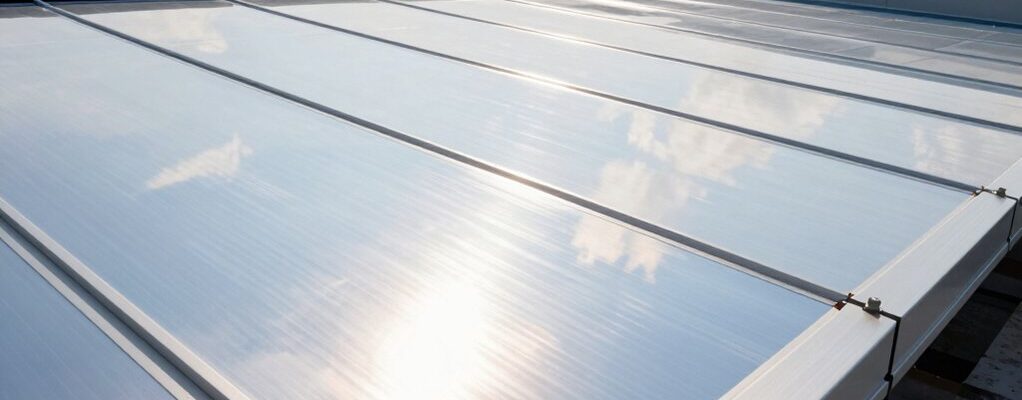
Solar reflective roof paint is a specialized coating that reflects more sunlight and absorbs less heat, helping your roof stay cooler and slashing indoor cooling costs. It uses light-reflective pigments and durable binders designed for roofs, not walls, and must be compatible with your roof substrate. Lighter colors reflect more energy, while durable formulas withstand sun exposure. Proper prep, application, and curing maximize performance and longevity. If you keep exploring, you’ll uncover how to choose, apply, and maintain it effectively.
What Is Solar Reflective Roof Paint?
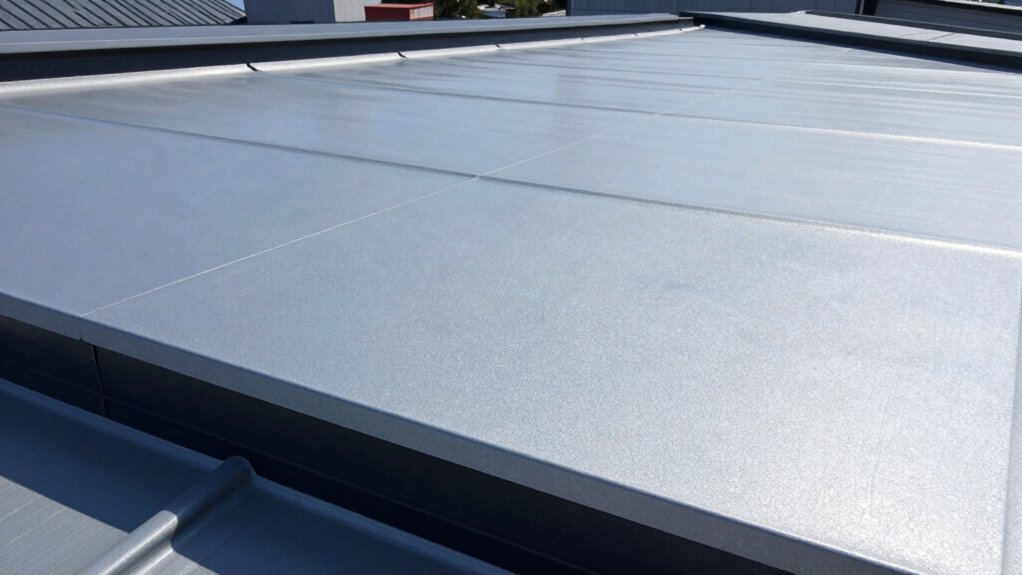
Solar reflective roof paint is specially formulated to reflect more sunlight and absorb less heat than standard paints. You’ll understand that this coating uses light-reflective pigments and a durable binder to reduce heat absorption while maintaining color and protection.
In practice, you choose products designed for roofs, not walls, and verify compatibility with your substrate. Eco friendly ingredients matter, as many options minimize volatile compounds and environmental impact without sacrificing performance.
You’ll notice improved energy efficiency when you apply the coating correctly, with even coverage and proper curing. Color options matter too, offering a range from neutral to bold while preserving reflectivity.
When you select a product, confirm weather resistance, warranty details, and ease of reapplication for long-term belonging and satisfaction.
How Reflectivity Lowers Roof Heat and Home Cooling Costs
When a roof reflects more sunlight, it absorbs less heat, keeping the attic cooler and reducing the temperature that reaches your living spaces. That lower heat load translates to noticeable gains in overall comfort and cooling cost savings.
With higher reflectivity, your HVAC runs less often, cycles less aggressively, and maintains steadier indoor temperatures during peak sun. This improves energy efficiency without sacrificing performance.
Roof durability benefits from cooler roofs too; materials experience less thermal stress, supporting longer life and fewer repairs.
Aesthetic options stay broad, so you can choose colors and finishes that fit your home’s character while still reflecting sunlight effectively.
In short, better reflectivity delivers practical, reliable comfort and value you can feel every season.
Compare Solar Reflective Roof Paint Types
There are several solar reflective roof paint types to weigh, each balancing reflectivity, durability, and application ease. You’ll want options that suit your climate, roof material, and maintenance expectations while keeping Color options and Environmental impact in mind.
Here’s a quick, practical comparison:
- Acrylic vs latex bases: acrylics usually offer better longevity and flexibility; latex can be easier to apply but may fade sooner.
- Reflectivity ranges: higher reflectivity lowers heat gain longer, but some formulas fade faster in extreme sun.
- Pigments and finish: lighter tones maximize cooling; UV-stable pigments protect color integrity.
Consider how you’ll maintain the look and performance over time, and how color choices align with your environmental values.
Your choice should feel confident and right.
How to Choose the Right Reflective Roof Paint for Your Roof
Choosing the right reflective roof paint starts with your climate, roof material, and desired durability. You’ll want a roof coating that suits heat exposure, UV cycles, and wind-driven rain, so pick formulations with appropriate weather resistance.
Next, consider color selection; lighter colors reflect more solar energy, darker shades hide imperfections, and both options impact cooling load differently.
Match your roof substrate—metal, asphalt, or tile—with compatible binders and primers to maximize adhesion and longevity.
Pay attention to warranty terms, VOC limits, and compatibility with existing coatings.
Don’t rush color decisions; request color samples on a small area to gauge appearance under varying light.
Finally, balance aesthetics, energy savings, and maintenance expectations to choose a finish that feels right for your home and community.
Application and Maintenance: Steps, Curing, and Longevity
To apply reflective roof paint effectively, start with a clean, dry surface and follow the product’s prep instructions to guarantee proper adhesion. You’ll then apply evenly in thin coats, using a roller or brush suited to your roof type, and allow sufficient curing time between coats.
Adhere to ambient and surface temperature guidelines to avoid lap marks or skinning. After application, inspect for uniform coverage and touch up as needed. Maintain longevity with a simple upkeep routine and proactive maintenance.
- Application techniques: choose compatible tools, maintain consistent thickness, and respect curing times
- Maintenance checklist: clean debris, inspect edges, recoat when color fade appears
- Safety and storage: ventilation, protective gear, and proper container sealing
Costs, Savings, and Return on Investment
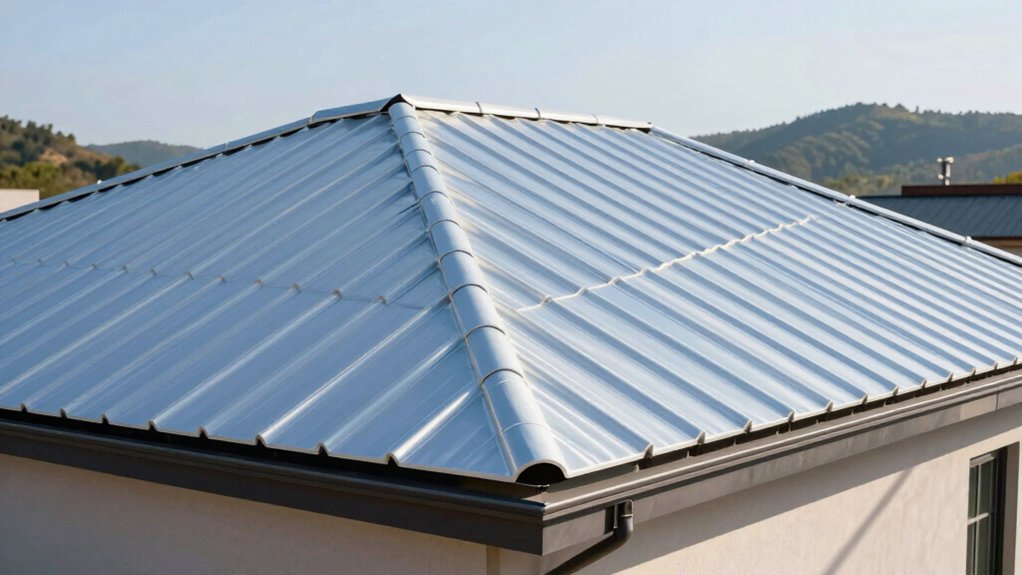
Costs and savings start with a clear price tag and a realistic payoff timeline. You’ll weigh up-front costs against energy savings, maintenance, and potential increases in home value to estimate a solid ROI.
We’ll compare different products and applying conditions to show you how payback periods can vary by climate, roof type, and system efficiency.
Costs And Payback
How much will a solar reflective roof paint save you, and how long will it take to pay back the investment? You’ll see reduced cooling loads, lower energy bills, and a faster payback when you choose proven, high-reflectance coatings.
Costs vary by product and area, but savings start in the first cooling season and compound over time. Payback depends on climate, electricity rates, and roof area; many homes reach break-even within 5–10 years.
Environmental impact matters, as fewer AC cycles trim carbon footprint. Color options don’t mean sacrificing performance, and you can select hues that fit your home without compromising effectiveness.
- Initial investment vs. long-term energy savings
- Climate influence on payback period
- Environmental impact and color options
Savings And ROI
Savings and ROI come down to real numbers you can act on: upfront costs versus ongoing cooling savings, plus how fast those savings pay you back. You’ll quantify purchase, installation, and any prep, then compare to monthly cooling bills reduced by the roof’s reflective properties.
In many climates, energy savings compound with longer roof life and demand reductions, boosting total ROI.
Environmental impact matters too: lower cooling needs translate to fewer emissions, a meaningful contribution you can point to when discussing value with neighbors or auditors.
Consider aesthetic considerations as well—color, texture, and finish affect curb appeal and resale confidence.
Your payoff isn’t just lower bills; it’s a practical upgrade that signals smart stewardship and community-minded belonging.
Regional Performance and Real-World Results
Across different climates and building types, solar reflective roof paint performs variably in practice, but several consistent patterns emerge. You’ll see cooler roofs in hot regions, steadier gains in mixed climates, and mixed results where installation is flawed or shading is heavy.
Real-world data emphasize maintenance, substrate compatibility, and color choice as key drivers of performance. Urban heat, climate adaptation, and local workmanship shape outcomes as much as weather patterns do.
When evaluating projects, track temperatures, energy use, and occupant comfort to verify benefits. Real-world results reinforce that solar reflective paint helps most where cooling demand is high and roof condition is sound, supporting practical climate adaptation goals.
- Consistent cooling in hot climates with proper prep
- Gains depend on maintenance and substrate compatibility
- Verification through local metrics drives adoption
Frequently Asked Questions
How Long Does Solar Reflective Paint Last Before Repainting Is Needed?
You’ll typically recoat every 10–15 years, depending on climate, wear, and sun exposure. For paint durability, follow maintenance tips like cleaning annually and inspecting for peeling. Proper upkeep helps you belong to a well-maintained, efficient home.
Can Reflective Roof Paint Affect Roof Warranty or Leaks?
At first, think of a shield wall; reflective paint can affect your roof warranty or leak prevention. You’ll want to verify with your roofer, avoid voiding coverage, and follow proper prep to maintain roof warranty and leak prevention.
Does Color Choice Impact Reflectivity and Cooling Efficiency?
Yes, color choice affects reflectivity and cooling efficiency. Color impact matters; lighter colors reflect more solar energy, darker hues absorb less. Consider aesthetic considerations, but prioritize high-reflectance finishes to maximize comfort, energy savings, and a sense of environmental belonging.
Is Reflective Paint Effective on Flat Roofs as on Pitched Roofs?
Yes, reflective paint works on flat roofs as on pitched roofs. You should consider roof material and paint application details to maximize cooling, ensuring proper adhesion and thickness for durable, consistent reflectivity and energy savings.
What Environmental Benefits Beyond Energy Savings Exist?
You’ll improve urban heat conditions and air quality as solar reflective roof paint reduces heat buildup, lowers emissions from cooling, and minimizes urban heat islands, helping you contribute to healthier neighborhoods and more comfortable, sustainable city living.