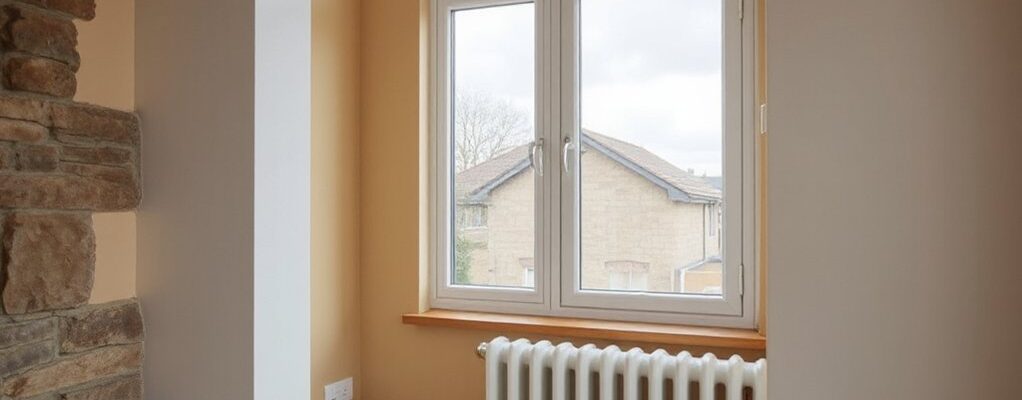
Like a well‑designed machine, your home’s windows shape performance, comfort, and cost. You’ll weigh framing options (uPVC, timber, aluminum) and glazing (double vs triple) against size and design complexity, while installation varies by region and access. Specifics such as permits, warranties, and potential grants can shift the bottom line. Stay with me as we map every driver and trapdoor that could tighten or loosen your budget, so you can plan with precision and clarity.
What Drives the Total Cost of Replacing UK Windows
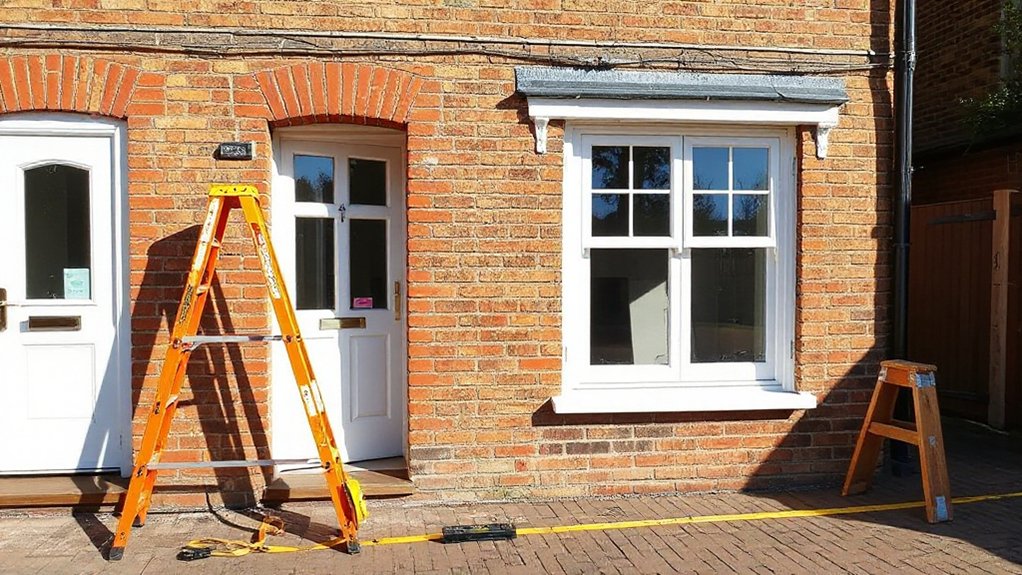
The total cost of replacing UK windows is driven by several core factors that directly affect both price and installation feasibility. You’ll assess material quality, frame type, and glass specification to predict upfront costs and long-term value.
Materials quality determines resistance to weather, U-values, and lifecycle performance, influencing initial price and future maintenance.
Frame options—PVCu, timber, or aluminum—vary in fabrication, insulation, and installation complexity, with corresponding labor demands.
Glass choices, including double or triple glazing, affect heat retention and noise reduction, altering overall expenditure.
Warranty coverage shapes risk exposure, guiding both product selection and service commitments.
You’ll balance upfront outlay against durability, energy savings, and aftercare, ensuring the selected configuration meets performance targets within your budget.
Framing and Glazing: Pricing Options
Framing and glazing options directly shape both price and installation effort. You evaluate frame materials, sash construction, and glazing configurations to forecast costs.
Framing choices include uPVC, timber, or aluminium, each with differing thermal performance, durability, and installation complexity.
Glass types—such as standard annealed, tempered, laminated, or double/triple glazing—drive material and labor expenses through insulation performance and weight.
Window styles influence muntin patterns, opening mechanisms, and overall fabrication time. You’ll balance structural requirements with aesthetic goals, noting that larger or non-standard sizes increase costs and require precise on-site handling.
Consider spacer systems, gas fills, and low-emissivity coatings for long-term energy savings.
This framing and glazing focus guarantees a transparent baseline before evaluating regional installation variances later.
Installation Costs and Regional Quotes
What’re your regional drivers for installation costs, and how do they impact overall quotes? Regional labour rates, subsidence risk, access constraints, and travel time influence labor time and pricing.
Local permitting fees and hoisting equipment requirements add predictable line items to estimates. Material delivery distances affect logistics charges, especially for bulky pane sets and impact glass.
Price variations arise from supplier network density, trade discounts, and local VAT treatment. Installation crew experience directly reduces error-related downtime, while weather windows can create schedule risk premiums.
Material durability informs long-term maintenance expectations, yet upfront material costs may be higher for premium options. Vendor reputation guides warranty coverage and post-install support, shaping contingencies within quotes.
Align estimates with regional constraints to ensure accurate, auditable cost baselines.
Energy Grants and Incentives That Cut Your Bill
Efficient windows aren’t just about upfront costs—they’re tied to ongoing savings from energy grants and incentives that can substantially cut your bill. You evaluate programs by eligibility criteria, funding thresholds, and application timelines to determine true net savings.
Energy efficiency improvements, such as higher U-values and airtight seals, often qualify for grants that offset installation costs and shorten payback periods.
In the UK, you’ll assess government and utility-led schemes, noting whether incentives require specific product certifications or installer accreditation.
Grant eligibility hinges on property type, existing measures, and household income bands.
You should track schemes that offer reduced VAT, interest-free loans, or cashback for energy performance improvements.
Compile a concise eligibility matrix to forecast bill reductions and guarantee compliant, timely applications.
Hidden Charges and Ongoing Maintenance Costs
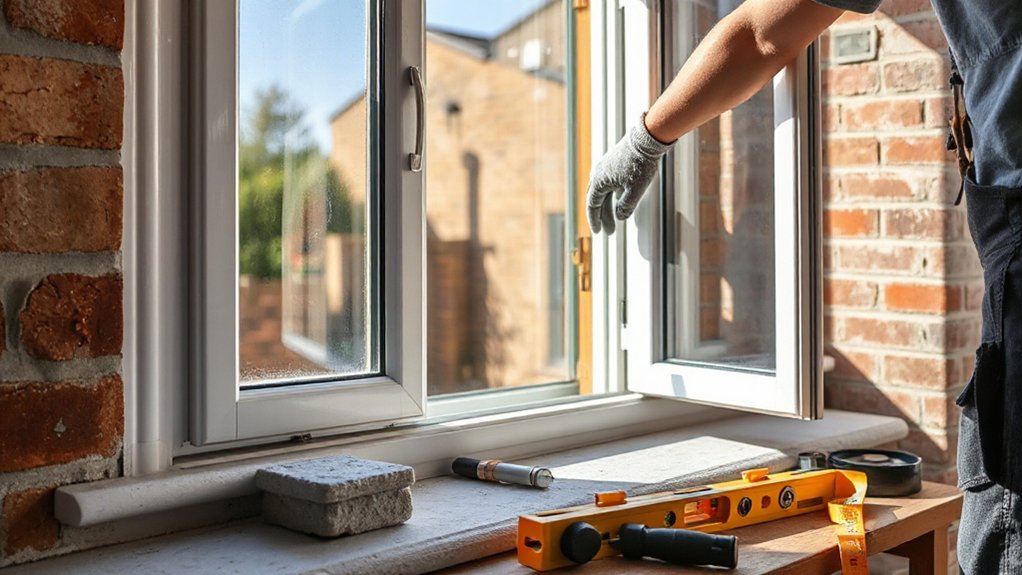
Hidden costs often surface after installation, so anticipate both hidden charges and ongoing maintenance when replacing windows. You’ll require a clear breakdown of warranties, service intervals, and potential replacement parts.
Warranty coverage should specify duration, what’s covered (hardware, seals, glazing), and any exclusions tied to improper maintenance or DIY alterations.
Expect maintenance costs for finishes, hardware lubrication, and weatherstripping checks, which influence long-term performance.
Material durability matters: consider frame materials, coatings, and glazing technology that affect repainting frequency and seal integrity.
Regular inspections identify moisture intrusion risks and energy-performance drift, reducing later remediation expenses.
Plan for occasional seal repairs and hinge or locking mechanism servicing, not just the initial install.
A precise maintenance schedule minimizes unexpected outlay and sustains energy savings.
How to Compare Quotes and Avoid Budgeting Mistakes
You’ll start by getting clear on each quote’s scope and assumptions, so you can compare like-for-like.
Run budget-mistake checks by earmarking contingencies and verifying payment schedules, timing, and warranty terms.
Watch for hidden costs and require written breakdowns to prevent budgeting surprises.
Get Clear On Quotes
To get clear on quotes, start by collecting at least three written estimates from reputable installers, each detailing the same scope of work (materials, labour, and any disposal or access charges).
Then compare line-item detail: confirm window styles are aligned, and that included components match across bids. Assess material options—frame material, glazing, coatings, and coatings’ performance data—so you’re evaluating true cost, not substitutes.
Check qualification, warranty terms, and aftercare commitments. Normalize delivery timelines, permit handling, and site access requirements to avoid hidden charges. Require clear payment schedules and cancellation terms.
Use a matrix to score price against performance, durability, and service. Reject vague estimates; seek clarification in writing, and consolidate costs into a single, transparent decision.
Budget Mistake Checks
When comparing quotes, use a structured checklist to identify budgeting pitfalls early. You’ll want to quantify each line item and validate assumptions against actual install processes.
Begin with window styles to prevent surprises; confirm whether the quote reflects standard sash, casement, or tilt-and-turn configurations and if any special hardware incurs extra cost.
Next, scrutinize Material choices—frame, glazing, and insulation performance—since material upgrades can dramatically shift price and long‑term energy savings.
Demand itemized costs for supports, fittings, and weather seals, plus delivery and disposal fees.
Check warranties and service terms, ensuring coverage aligns with quoted timing.
Cross-check supplier certifications and installation method: trade labor rates, scaffold, and locale-specific regulations.
Finally, assemble a side-by-side comparison to expose deviations and ensure predictable budgeting.
Hidden Costs To Watch
Hidden costs often surprise buyers after quotes look great on paper. When you compare quotes, separate line items matter.
Start with Hidden fees that appear later, such as scaffold access, permit costs, and delivery surcharges, then verify whether VAT is included or added.
Inspect installation scope: window removal, debris clearance, sealing quality, and air leakage testing.
Budget for Maintenance surprises like seal replacement intervals, weatherproofing, and glazing warranty extensions.
Demand itemized schedules showing labour hours, materials, and any optional extras.
Confirm compatibility with current frames, energy ratings, and building regulations to avoid rework.
Seek fixed-price contracts or capped allowances to limit overruns.
Document all contingencies, payment milestones, and post-installation support in writing to reduce guesswork and preserve cost control.
Frequently Asked Questions
How Long Does a Full Window Replacement Typically Take?
A full window replacement typically takes 1–2 days, depending on frame type and house layout. You’ll compare materials, assess energy efficiency, and coordinate supply timing; you’ll find quicker installations with modular frames and precision-fit units.
Which Window Styles Affect Long-Term Resale Value?
Window style impacts resale value most when you choose enduring, timeless designs (casement, sash, double-glazed units) that enhance energy efficiency and curb appeal; you’ll maximize resale value by aligning style with local market expectations and durability.
Do Window Replacements Affect Home Insurance Premiums?
Replacing windows can influence your insurance; premiums may rise or fall depending on installer credentials, glazing quality, and security features. Insurance impact varies; premium considerations hinge on risk reduction, build compliance, and claim history.
Can Grants Cover Installation Labor Fees as Well?
Grants can cover installation labor costs, but eligibility varies. You should verify grant terms, confirm eligible line items, and document labor charges with invoices; otherwise, grant coverage may exclude installation fees. Always consult the grant provider’s precise guidelines.
Are Timber Windows More Cost-Effective Long Term Than uPVC?
Sure: Timber durability outlasts most uPVC frontiers, but upfront costs and maintenance tilt long-term value toward timber for some projects. You’ll weigh timber durability against uPVC maintenance, evaluating lifecycle costs, required treatments, and refurbishment needs over time.
Conclusion
You now have a precise view of the costs involved, from framing and glazing to installation and incentives. Track materials, labour, and regional quotes with a clear checklist, so nothing sneaks in. Compare apples to apples, demand warranties, and verify timing to avoid budget overruns. Don’t forget to factor ongoing maintenance and future repairs. In short, plan meticulously—think like a clockmaker. And remember, a working Tudor windmill once powered a village; today, efficiency powers your home.