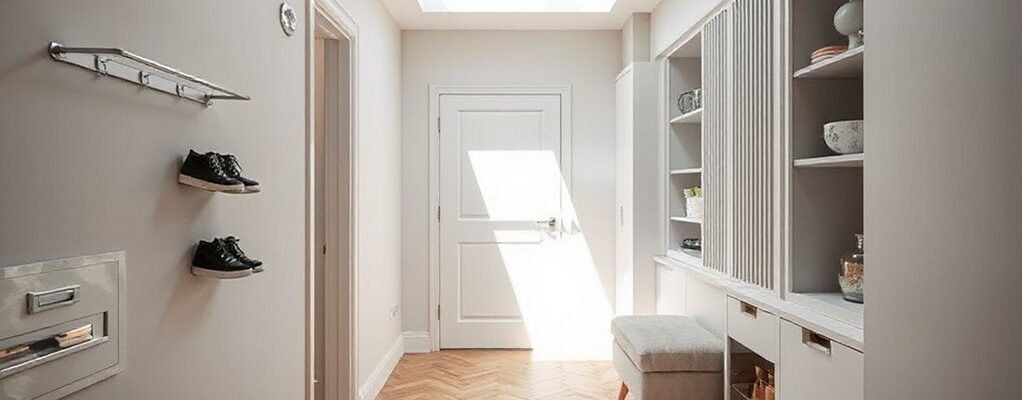
You’re redesigning a narrow UK hallway and want smart storage that stays practical. Think slim cabinets, wall-mounted organizers, and hidden compartments in benches. Use vertical space with shelves, hooks, and magnets to keep essentials accessible without crowding the floor. Consider folding or multi-use furniture for a cohesive look that still functions. It’s about planning measurements, budgeting, and maintenance, so you’re not surprised by tight corners—the next step could redefine how you move through the space.
Narrow UK Hallways: Find the Right Storage Challenge
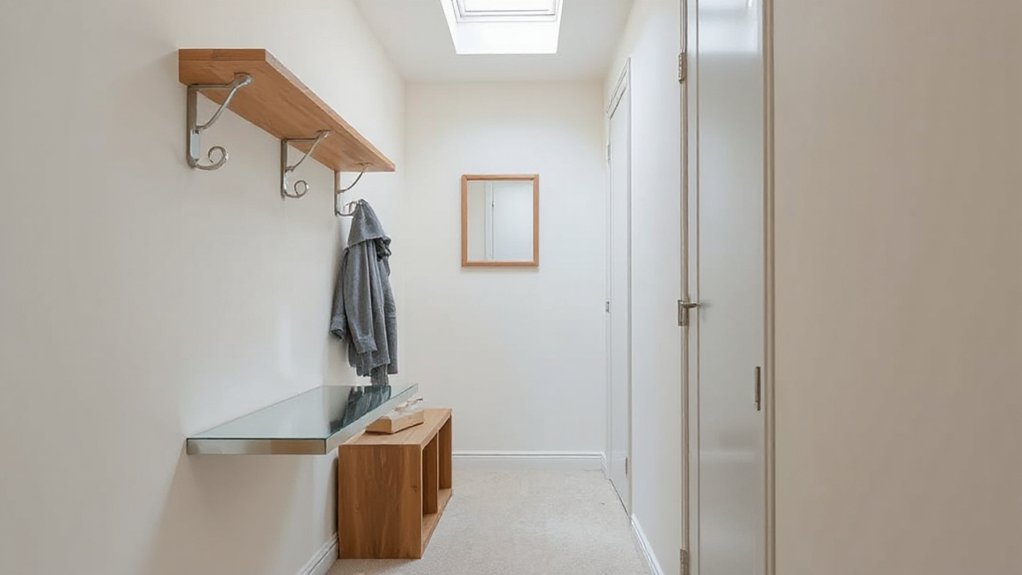
In narrow UK hallways, the storage challenge isn’t just about fitting more stuff—it’s about choosing systems that don’t crowd the passageway. You’ll evaluate flow, traffic, and accessibility before picking solutions. Start with wall-mounted options that keep the floor clear, prioritizing shallow depths and adjustable brackets. Consider hallway lighting to illuminate corners and reduce clutter perception, pairing task lighting with ambient sources for consistency. Use decorative accents sparingly to add character without narrowing sightlines; a slim mirror or a single hook rail can feel intentional rather than cluttered. Measure clearances around doors and furniture to prevent snag points. Opt for modular designs you can relocate or reconfigure as needs shift. Finally, document a minimalist baseline so future additions stay purposeful rather than impulsive.
Slim Cabinets and Consoles That Fit Small Corridors
Slim cabinets and consoles are your best allies in tight corridors: they glide along walls without encroaching on pass-through space. In small UK hallways, choose units with a compact design that maximize storage without bulk. Look for shallow depths, narrow widths, and adjustable shelves to adapt to shoes, keys, mail, and chargers. A console with a slim profile can sit under picture rails or mirrors, keeping surfaces clear yet usable. Opt for matte finishes or pale woods to reflect light and reduce visual heaviness, boosting aesthetic appeal. Installation matters: wall-melted hardware, wall-mounted legs, and wall cleats keep floors free for movement. Consider multi-purpose pieces—drawer plus cabinet combos, and a hidden charging station—to streamline clutter while preserving flow.
Wall-M Mounted Organizers: Declutter Without Crowding Walls
Wall-mounted organizers help you reclaim door-and-wall space without crowding the hallway. Start with slim wall-space solutions that keep everyday items reachable, like lightweight baskets and slim cubbies for keys, mail, and sunglasses. Pair coat hooks with small cubbies to corral outerwear and accessories, keeping surfaces clear while you maintain quick access.
Slim Wall-Space Solutions
Ever feel like you’re squeezing every inch of storage from a narrow hallway? Slim wall-space solutions keep what you need visible yet unobtrusive, using vertical potential rather than floor real estate. Mount sleek organizers at eye level to maintain flow and avoid crowding walls. Choose slim, modular units that clip together, so you can tailor capacity without widening the corridor. Label bins inside the doors for quick access, preserving smart storage and hallway organization.
- Narrow, stackable shelves that run along a single wall, keeping surfaces clear
- Magnetic strips and slim hooks paired with shallow cubbies for keys, mail, and small gadgets
- Over-door organizers that add depth without intruding on walking space
Coat Hooks And Cubbies
Coat hooks and cubbies bring quick, reachable storage to a narrow hallway without crowding the walls. Install wall-mounted organizers at varied heights so coats, hats, and bags hang freely without rubbing shoulders. Select materials with a slim profile—lacquered wood, matte metal, or tempered glass—to mirror light and avoid bulk. Use hooks for daily wear and cubbies for bulkier items or seasonal storage periods. Label cubbies discreetly to keep items retrievable at a glance, and consider a small shelf above for keys or mail. Integrate vintage accents through metal hooks with old-world finishes or wood cubbies with period-inspired detailing, creating character without clutter. Rotate items seasonally to maintain order, ensuring quick access and tidy entryways.
Shelves, Hooks, and Magnets for Easy Access in Tight Spaces
Start with narrow hallway shelving that fits your space without crowding the path, choosing slim profiles and adjustable heights for flexibility. Use magnetic access solutions to grab frequently used items at eye level, and place hooks where doors or skirting won’t interfere. Position items with clear zones for every category—tools, keys, and everyday essentials—to keep essentials reachable in tight spaces.
Narrow Hallway Shelving
Narrow hallway shelving uses compact solutions—sturdy shelves, hooks, and magnetic strips that fit in tight spaces without cluttering the floor. You’ll maximize wall real estate while keeping essentials within reach, so every item earns its place. Choose modular units you can adjust as needs shift.
1) Install a slim corner shelf with built-in hooks for coats or bags, keeping doorway decor tidy and inviting.
2) Mount a shallow, multi-tiered rack above eye level to store phones, keys, and mail, reducing surface clutter.
3) Use magnetic strips for small metal items like scissors or kanban clips, ensuring fast access and neat organization.
Pair shelves with warm lighting solutions near entry points to improve visibility, and consider discreet LED strips along top rails for a polished look.
Magnetic Access Solutions
From the ideas above, you can extend storage without crowding floors by adding magnetic access solutions that keep essentials in clear reach. Magnetic shelves attach to metal strips or wall studs, letting you place lightweight items within arm’s reach without drilling into every wall surface. Use magnetic hooks for keys, masks, or small tools, keeping them visible and easy to grab on your way out. Pair magnetic decor with neutral tones to blend into hallways while adding functionality, like a slim magnetic strip for receipts or notes. Choose strong but discreet magnets for metal-backed organizers, and label areas so family members know where to return items. Always test weight limits and keep magnets away from electronics to avoid interference.
Hook Placement Tips
Efficient hook placement starts with a quick, practical plan: map the wall space, then choose shelves, hooks, and magnets that fit the route you take each day. You’ll optimize access by aligning items with daily routines, keeping pathways clear, and using compact hardware that doesn’t crowd the hallway. Choose hooks at varying heights to handle coats, bags, and keys without clutter. Add magnetic strips for quick-grab items near the door, and position a slim shelf for decorative accents and small essentials. Lighting enhancements, like a motion-activated strip, improve visibility while you reach for items.
1) Place a low hook row for everyday wear
2) Install a magnetic strip beside the door for small metal items
3) Mount a slim shelf with decorative accents at eye level
Floating and Multi-Use Furniture for a Cohesive Look
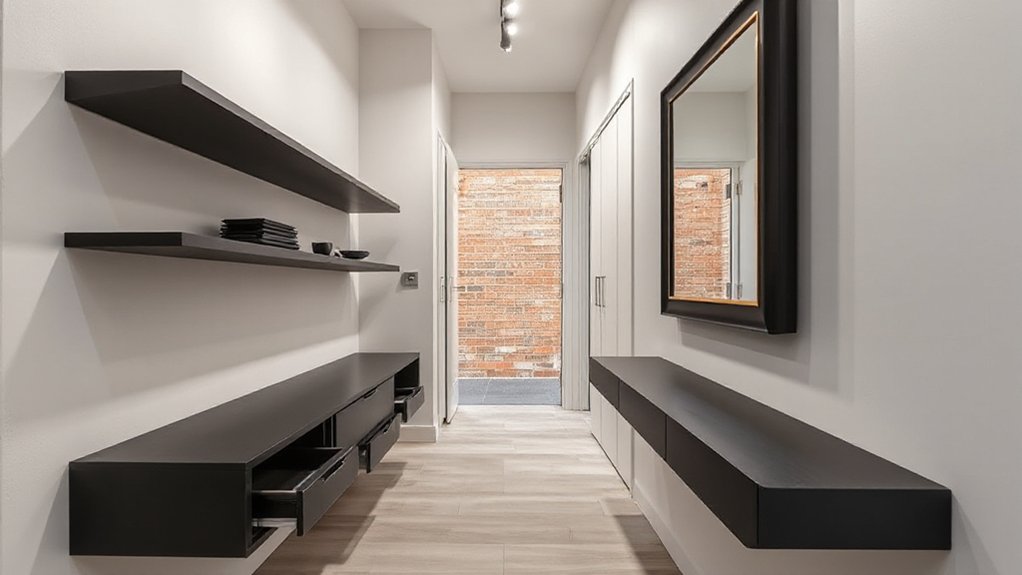
Floating and multi-use furniture can transform a tight UK hallway into a cohesive, functional space. You’ll choose pieces that serve multiple roles—benches with internal storage, wall-mounted desks that fold away, and slim consoles with hidden compartments—to maximize floor area. Prioritize harmony aesthetics by aligning finishes, hardware, and profiles across items so they feel like one integrated system, not a collage. Opt for wall-mounted options to keep the floor clear and ease cleaning. In a minimalist design, select neutral tones, simple silhouettes, and rounded edges to reduce visual clutter. Install shallow shoe cubbies under seating and a narrow, tall storage unit beside the door for essentials. Mount hooks at varying heights for outerwear without crowding the corridor.
Measure, Budget, and Maintain: A Practical Plan for Narrow Halls
Measuring, budgeting, and maintaining are the practical steps that turn a plan into a real, usable hallway. You’ll start by measuring floor-to-ceiling height, doorway widths, and available length, then map where storage can fit without crowding the path. Budget realistically for durable materials and smart hardware, prioritizing items that serve multiple uses. Finally, set a maintenance routine to prevent tipping, wear, and mold, saving you time and fuss later.
- Visualize a slim console that hides storage while keeping traffic clear, its surface quality elevating design aesthetics.
- Choose modular units you can reconfigure as needs change, preserving storage organization without a full remodel.
- Schedule quarterly checks for loose hinges, gaps, and lighting, keeping safety and style aligned.
Frequently Asked Questions
How Can I Maximize Natural Light in a Narrow Hallway With Storage?
You maximize natural light by keeping storage low and wall-recessed, while using mirrors to reflect brightness. Place decorative lighting along edges, and mirror placement opposite windows or bright walls to double the glow; choose light, airy finishes.
What Safety Features Matter Most in Slim Storage for Hallways?
Custom shelving and decorative accents matter most: you’ll want sturdy hardware, rounded edges, and anti-tip features in slim storage. You’ll feel safer with concealed cords, proper lighting, and evenly distributed weight, so you avoid tipping or snag hazards.
Which Materials Prevent Wear in High-Traffic Narrow Corridors?
In high-traffic, narrow corridors, choose materials durability like solid hardwoods, metal with powder coatings, and reinforced laminates; these wear resistant surfaces handle constant contact. You’ll minimize scratches, scuffs, and dents while maintaining practicality and long-term resilience.
Can DIY Storage Solutions Be as Durable as Commercial Options?
DIY durability can match commercial longevity if you choose solid fundamentals, reinforce joints, use sturdy hardware, and budget for proper finishes. You’ll achieve resilient storage with careful design, test loads, and regular maintenance; commercial longevity remains a realistic benchmark.
How Do I Maintain Accessibility for All Household Members?
You maintain accessibility by embracing accessibility modifications, focusing on inclusive design across every storage choice. Prioritize clear paths, reachable heights, lever handles, and adjustable shelves so all members navigate easily and use items safely, consistently applying practical, detail-oriented steps.
Conclusion
In a tight UK hallway, small choices add up to big clarity. Think of every inch as a piece of value you protect with smart shelving and slim, stealthy furniture. Your walls become friendly organizers, not crowded borders, while hidden benches and fold-away desks keep the floor a evidence-free zone. With clear labels, steady lighting, and regular tidy-ups, your space stays honest and adaptable—ready for life’s next curveball, without buckling under it.