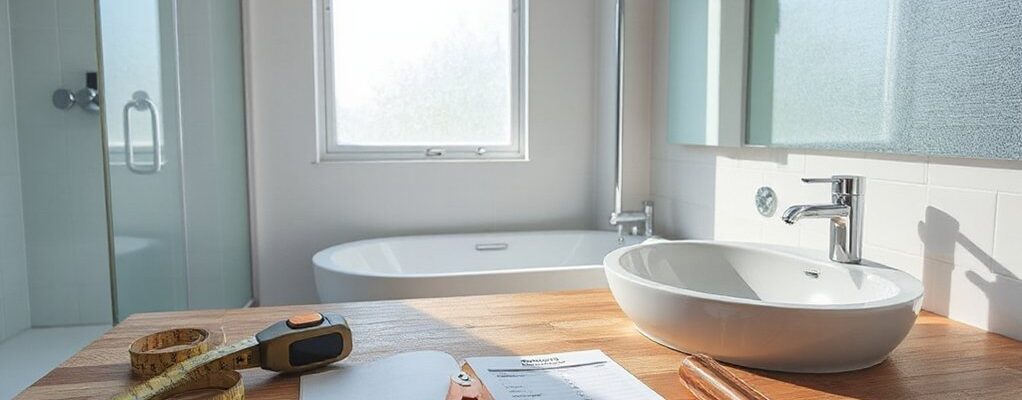
Pricing a new UK bathroom varies a lot with size, fixtures, and how much plumbing and electrical work you need. You’ll likely see budget starts around £3,000 and luxury jobs surpassing £10,000, with costs driven by tiles, sanitaryware, labour, and any permits. Plan carefully, compare several quotes, and pick mid-range, durable fittings to balance quality and value. The path you choose now shapes the final bill—and the next steps ahead.
How to Price a UK Bathroom: Scope, Quality, and Budgeting
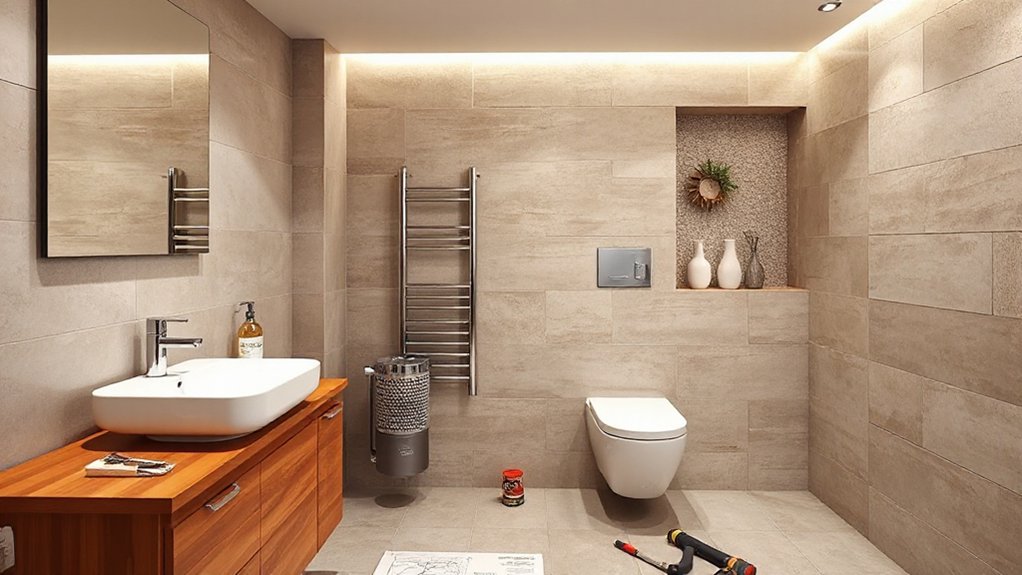
When pricing a UK bathroom, start by defining scope, quality, and budget upfront. You map the room’s size, fixture count, and finish level, then translate each choice into a price band.
Scope includes essential must-haves and optional luxuries, guiding where to save or splurge.
Quality sets expectations for durability and warranty, influencing material and product standards.
Budgeting aligns your targets with realistic costs, allowing for contingencies.
Consider bathroom accessories early, as fittings add up quickly and affect layout.
Account for plumbing regulations that impact pipework routing and venting, avoiding costly late changes.
Break tasks into phases: demolition, rough-in, fixtures, and finish, allocating budget per stage.
Maintain a clear cost log, compare quotes, and revisit scope if bids exceed targets.
This disciplined approach yields predictable, compliant pricing.
What Drives UK Bathroom Pricing: Materials, Fittings, and Installation
Materials, fittings, and installation are the three main levers that determine UK bathroom pricing. You’ll see price shifts from product choices, not just labor time.
Materials set base costs: ceramic tiles, suites, and sanitaryware influence overall spend, while durability, finish, and brand affect long-term value.
Fittings matter too: taps, showers, and flushing systems vary in performance and price, with plumbing fixtures a key driver of reliability and maintenance needs.
Installation costs hinge on room complexity, plumbing relocations, and electrical work, plus waste disposal and site protection.
A targeted bathroom remodel approach helps: choose mid-range materials, standard-sizes fittings, and a sensible layout to limit bespoke parts.
You’ll gain predictability by pricing fixtures separately and comparing installers with clear scope and timelines.
Basic UK Bathroom Cost: Ballpark Figures You Can Trust
Now you’ve got a handle on what drives UK bathroom pricing, let’s pin down realistic ballpark figures you can trust.
In practical terms, expect total costs to cluster around a base range that covers essential components: bathroom design, fixtures, and installation. A mid-range project typically sits between £3,500 and £6,500 for a full refurbishment in a standard space, excluding major structural work.
If you opt for higher-end plumbing fixtures or premium finishes, budget closer to £6,500–£10,000.
Labour accounts for roughly half of the cost, with fittings and materials composing the rest.
Factor in removal of old units, waste disposal, and compliance checks.
For tight budgets, consider modular changes and standard fixtures to keep surprises to a minimum.
Price Ranges by Bathroom Type: Suite, En-Suite, and Wet Room
Price ranges vary by bathroom type, reflecting different space, fittings, and complexity. In a suite, you’ll encounter standard layouts with full plumbing, larger footprints, and mid-range fixtures, driving mid-tier costs.
An en-suite fits into tighter rooms, so you’ll prioritize compact layouts, space-saving plumbing fixtures, and simpler finishes, keeping costs lower than a full suite but higher than basic renovations.
A wet room emphasizes drainage, waterproofing, and accessible design, often elevating price due to water management requirements and higher-end fittings.
You should expect variability based on room dimensions, existing plumbing conditions, and chosen materials.
Consider how bathroom design choices and fixture selections influence installation time and labor.
Plan budgets by prioritizing essential plumbing fixtures and efficient layouts to control cost while meeting needs.
Realistic Price Ranges for Materials and Fixtures
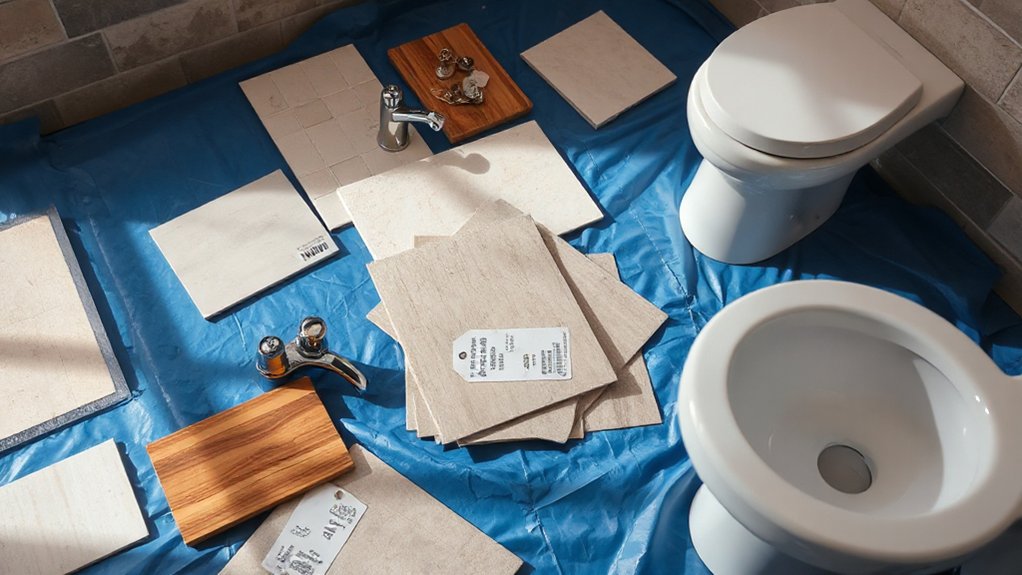
Realistic price ranges for materials and fixtures in UK bathrooms depend on quality, finish, and durability. You’ll see clear tiers: entry, mid, and premium.
For basic sanitaryware, budget suites start around £150–£400 per basin or toilet and £400–£1,200 for a bath, with taps and fittings included in a £100–£300 range each.
Mid-range components run £400–£1,000 per basin, £600–£1,800 for toilets, and £300–£1,000 for baths, plus compatible taps.
Premium items exceed £1,000 per basin or toilet and £1,500+ for baths, plus designer finishes.
When selecting bathroom accessories, consider durability and finish impact on long-term costs.
Remember plumbing regulations influence fixture compatibility and safe installation, so verify compliance before purchase.
Choose materials with warranted longevity to balance upfront cost and lifespan.
Hidden UK-Specific Costs: Permits, Waterproofing, and Inspections
Do you know the hidden UK-specific costs that can catch you off guard in bathroom projects, such as permits, waterproofing, and inspections? In practice, these fees and requirements vary by region and project scope.
First, the permit process can add time and admin costs, so confirm whether you need planning permission or building regulation approval before you start.
Next, waterproofing standards are strict: guarantee your installer uses compliant products and real technical details, not just a kit claim.
Inspections happen at key milestones, and missed appointments can incur penalties or delays. Budget for surveyor or local authority checks, even if you DIY some tasks.
Clear documentation helps. Align contracts with concrete milestones, so waterproofing and approvals stay on track and within expected budgets.
Step-by-Step Cost Estimation You Can Actually Use
Start with a clear bill of materials, listing itemised costs for fixtures, fittings, and finishing materials you’ll actually need.
Then map labour and timing factors—how long each task will take and how that affects overall price.
Use a practical, step-by-step approach to estimate totals upfront so you can compare quotes confidently.
Itemised Material Costs
Itemised material costs break down the major purchases you’ll face for a bathroom install, so you can price the project with accuracy. You’ll estimate essentials first: fittings, fixtures, and finishes, then add enclosure components and waste systems.
Budget for waterproofing materials, adhesives, sealants, and tiling backer boards, keeping waste and delivery fees in the margin. Choose fixture selection that aligns with your layout and water efficiency goals, noting any compatibility issues with existing plumbing.
Include primary sanitaryware, taps, and a concealed cistern if needed, then account for grout, mortar, primer, and underlayment. Remember moisture barriers and ventilation accessories, plus screws, clips, and spacers.
Track quantities carefully, differentiate between standard and premium options, and verify delivery times to avoid stockouts delaying bathroom remodeling.
Labour and Timing Factors
When budgeting labour, start with a realistic scope and timeline, then trace costs from trade rates, crew size, and project phase to finish. Labour and timing factors determine overall accuracy, so model each stage from demolition to handover.
Scheduling delays can ripple through the schedule, inflating labour days and inducing overtime. To minimize risk, define clear milestones, dependencies, and phasing, then align staff with tasks that match their trades and skills.
Monitor labour efficiency by tracking productivity per task, such as fit-off speed or plumbing rough-in cadence. Build in contingency for access, site layout, and inspection windows, but avoid padding without justification.
Communicate changes promptly to stakeholders, confirm revised timelines, and reallocate crew resources as needed. Accurate forecasting hinges on disciplined sequencing, transparent rates, and proactive delay management.
Money-Saving Tips That Don’t Compromise Quality
Smart budgeting can cut bathroom installation costs without sacrificing quality. You can tighten costs by planning early, prioritising essentials, and avoiding impulse purchases. Compare sizes and specs for fittings to prevent overpaying, and choose standard rather than bespoke dimensions where possible. Look for compatible, multi-use fixtures to maximise space without complicating plumbing.
When selecting products, weigh upfront price against long-term durability to avoid frequent replacements. Consider Eco friendly options that save water and energy, such as efficient toilets and aerated taps, which reduce bills over time. If you want a touch of Luxury features, favour durable, mid-range items with strong warranties.
DIY tasks like tiling or painting small areas can cut labour costs, but leave critical plumbing to a pro. Get multiple quotes and verify inclusions.
Frequently Asked Questions
How Long Does a Typical UK Bathroom Installation Take?
A typical UK bathroom installation takes about 1–2 weeks, depending on scope and trades. You’ll plan around plumbing fixtures, tiling, and fittings, while adhering to plumbing regulations and coordinating orders, deliveries, and potential snag lists for a smooth finish.
What Early-Stage Red Flags Increase UK Bathroom Costs?
You’ll want to flag high costs early: premium fixtures, plumbing upgrades, structural work, and drainage access. Expect add-ons, hidden rewires, and nonstandard fittings to escalate budgets. Audit plans, confirm warranties, and insist detailed quotes before committing.
Do UK Bathrooms Require Building Control Inspections?
Coincidence nudges you: your bathroom may require building control inspections, yes. You’ll align with plumbing regulations, guarantee safety, and protect aesthetics. You’ll plan ahead, documenting inspections, while balancing Bathroom aesthetics with compliant, practical steps.
Are VAT or Insurance Costs Often Overlooked in Quotes?
Yes, VAT considerations and insurance expenses are often overlooked in quotes. You should verify VAT treatment and include insurance costs explicitly, because these impact total project budget and ongoing coverage during and after the bathroom installation.
Can I Finance a Bathroom Project in the UK?
Yes, you can finance a bathroom project in the UK. Compare lenders, choose fixed rates, and plan repayments. When budgeting, include bathroom design, plumbing fixtures, installation, and potential VAT. Guarantee terms are practical, precise, and structured for clarity.
Conclusion
If you think a new bathroom is just tiles and taps, think again: every penny hinges on scope, quality, and hidden costs like permits and waterproofing. Investigate a theory: mid-range fixtures often deliver the best long-term value, outperforming bargain buys on durability while staying affordable. Plan, compare multiple quotes, and itemize trades. You’ll avoid surprise spikes, keep waterproofing robust, and finish on schedule. With disciplined budgeting, your UK bathroom blends practicality, reliability, and real comfort.