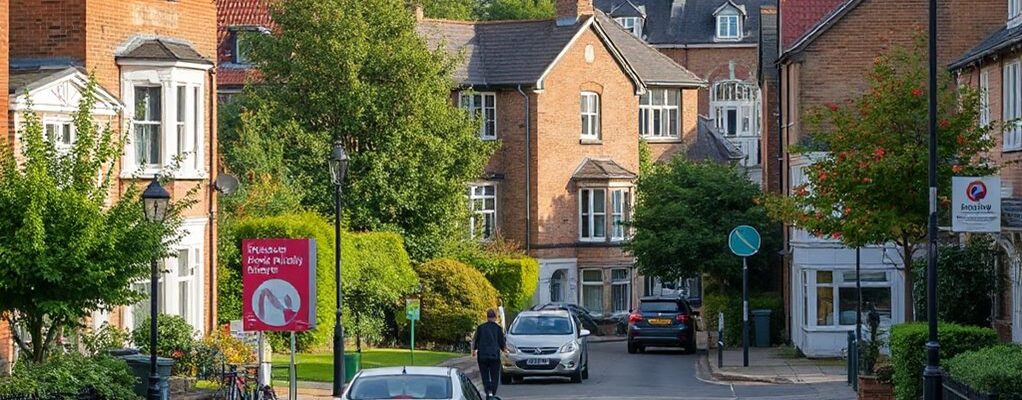
Leeds offers family-friendly potential across neighborhoods with solid schools, safe streets, and green space access. You’ll find walkable cores in areas like Roundhay, Chapel Allerton, and Horsforth, plus quick commutes to key facilities. Housing varies by budget, but affordable options exist alongside well-supported communities and after-school options. If you’re weighing safety, services, and open space, start by mapping schools and parks near your chosen suburbs—there’s more to evaluate before you decide.
Why Leeds Is Family-Friendly: Key Factors for Your Move
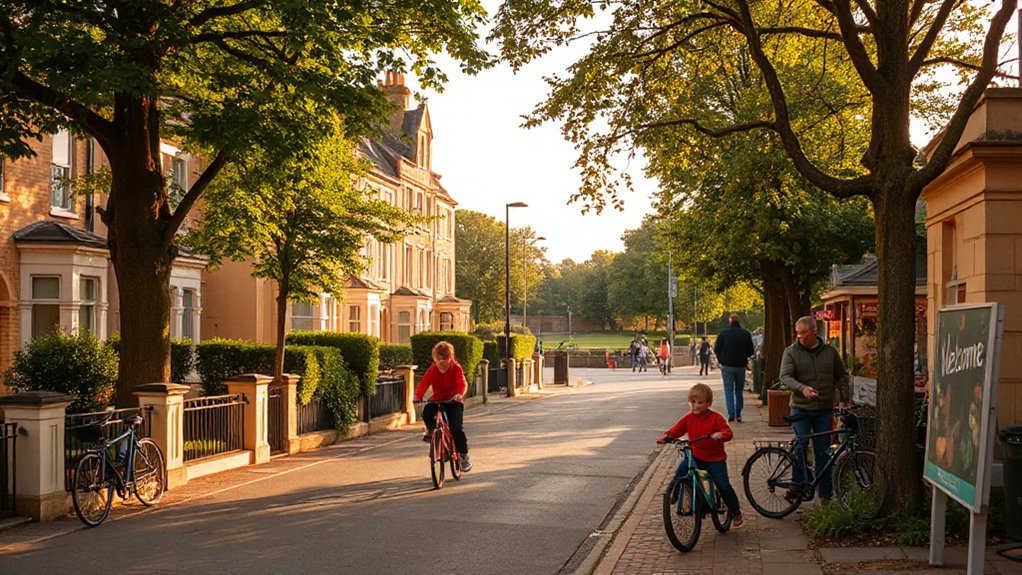
Leeds stands out as family-friendly because practical basics are reliably strong: strong schools, safe neighborhoods, and plenty of green and recreational spaces. You’ll notice how data backs these assets: consistently high Ofsted results in core districts, low crime rates in central and northern wards, and ambient access to parks like Woodhouse Moor and Roundhay.
Neighborhood amenities cluster around transit nodes, libraries, and youth programs that shorten your daily errands and boost after-school options. Cultural attractions, from museums to heritage trails, enrich weekend routines without sacrificing affordability.
Practicality drives decision-making here: predictable school cohorts, walkable streets, and reliable public services. If your move centers on stability, value, and real-world kid-friendly routines, Leeds delivers measurable, user-friendly benefits.
Leeds Suburbs for Families: Safe Streets, Good Schools, and Walkability
You’ll notice how Safe Streets Networks map out safer routes for kids to walk to school and after-school activities.
Nearby Top Schools provide measurable benchmarks, so you can compare test outcomes, class sizes, and access to special programs.
With Family-Friendly Walkability, you’ll see how daily trips—school, shops, parks—fit into a practical, pedestrian-friendly routine.
Safe Streets Networks
Are safe streets the first thing you notice when moving to a new neighborhood? In Leeds suburbs, you’ll find clear patterns in street connectivity that support quick, safe trips on foot or by bike.
Grid-like layouts and short blocks correlate with shorter pedestrian distances and more route choices, reducing delays and exposure to traffic. Data show mixed-use corridors near parks and schools boost walkability scores without forcing long detours.
You’ll notice calmer residential segments where traffic calming and clear signage separate cars from pedestrians. Neighbourhood safety rises when routes are well-lit, maintained, and visible.
Focus on areas with continuous sidewalks, safe crossings, and connected green spaces, creating reliable, pedestrian-friendly networks you can trust for everyday errands.
Top Schools Nearby
For families moving to Leeds suburbs, top-rated schools matter as much as safe streets and walkability. You’ll notice that nearby primary and secondary options cluster around central hubs, with Ofsted ratings and student-teacher ratios guiding choices.
In practical terms, you’ll compare catchment maps, exam progress measures, and access to specialist facilities like STEM labs. Data show higher-performing schools often sit within well-connected neighborhoods, where bus routes and cycling paths shorten commute times for after-school programs.
Consider the broader context: neighborhood architecture influences social cohesion and school turnout, while local cuisine reflects community feeding habits and school events. Use this lens to select areas that balance academic opportunity with everyday livability.
Family-Friendly Walkability
Leeds suburbs that prioritize family-friendly walkability combine safe streets with practical access to daily needs. You’ll notice that walkable routes connect homes to schools, parks, and shops within short, well-lit blocks.
Data show lower car dependence in areas with mixed-use zoning and dense street networks, translating to quicker school runs and safer crossings.
Urban green spaces become positive spillovers, offering shade, play, and recovery zones without straying from daily errands.
You’ll benefit from reliable public transportation that complements walking: frequent bus stops, coordinated timetables, and accessible routes to city services reduce commute time and parking stress.
In practice, neighborhoods with safe crossings, traffic calming, and visible wayfinding support consistent, parent-friendly daily routines.
Choose areas where connectivity is deliberate, not incidental.
City Centre Living With Kids: Short Commutes and Family-Friendly Perks
Living in the city centre can shorten your daily commutes, letting you spend more time with family and on proven routines.
You’ll access frequent, reliable transport, nearby parks, and kid-friendly amenities that keep travel simple.
With shorter trips and practical perks, you’ll see tangible wins in daily life and budget planning.
Short Commute Benefits
Short commutes open tangible family benefits: you spend less time in traffic, so evenings are earlier and more predictable. In Leeds city centre living, every extra minute saved compounds into more shared meals and after-school routines.
Data show shorter commute times correlate with higher punctuality for school drop-offs and lower stress during evenings. You’ll rely on straightforward transportation options, including reliable bus routes and pedestrian-friendly corridors linking neighborhoods to central services.
With thoughtful planning, you can minimize bus transfers and wait times, while enjoying consistent travel windows. Consider how peak-hour variability affects daily schedules; a compact, walkable radius around your home reduces spillover delays.
In short, shorter commutes translate to steadier household rhythms and preserved family time.
Family-Friendly Local Perks
Ever wondered how city-centre perks stack up for families with kids? You’ll notice the data trend: frequent parks, museums, and playgrounds within short walks reduce daily friction and boost routine consistency.
Local amenities cluster around transit hubs, making after-school trips easier and safer for pedestrians. You’ll appreciate family-friendly provisions like stroller-friendly sidewalks, kid-approved restrooms, and flexible hours at libraries and community centres.
Local cuisine options nearby shorten meal planning time and support routines after late activities. Cultural festivals in the core offer free or low-cost family programming, predictable schedules, and opportunities for low-cost outings.
Parks and Playgrounds for Leeds Families
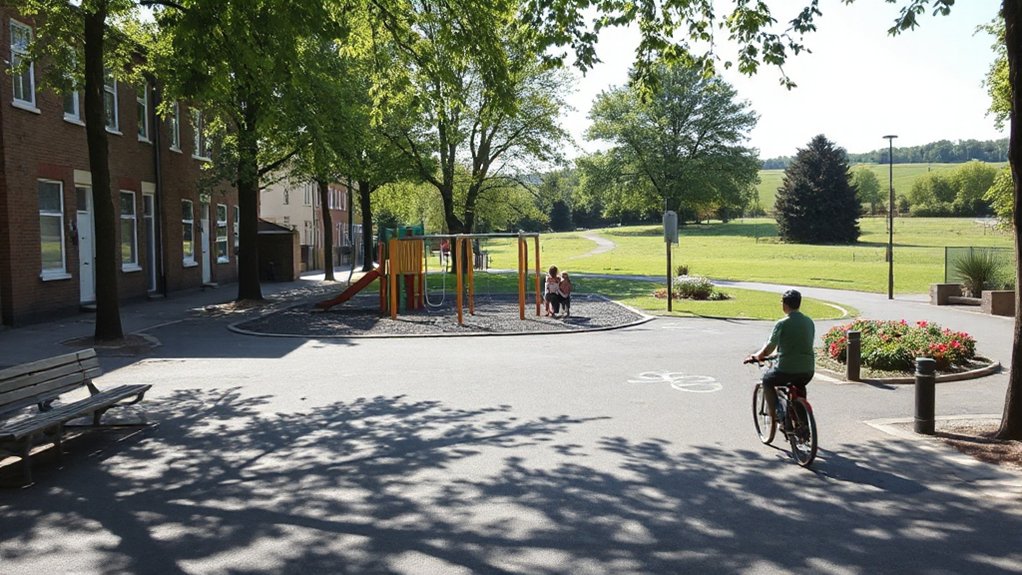
Leeds families should know where to find parks and playgrounds that fit busy, practical schedules. You’ll value locations with short walking routes, frequent toilets, and reliable safety measures.
In data terms, park accessibility maps show high-density clusters near residential zones, plus timed playground refurbishments and well-lit paths for dusk routines.
Prioritize green spaces offering shade, seating, and gear like splash pads or climbing structures that suit varied ages.
For organized activity, look for parks hosting regular outdoor activities and community-led play sessions that align with nursery programs’ schedules and family calendars.
Consider multi-use spaces that accommodate stroller-friendly routes and picnic areas for quick weekends.
Plan a short, repeatable circuit to maximize exposure without overcommitting your time.
Schools, Nurseries, and After-School Options by Area
If you’re evaluating where to settle, focus on the local schools, nurseries, and after-school options by area to match your family’s routines and budget. In Leeds, catchment areas, Ofsted ratings, and travel times shape daily life more than branding.
Map schools by proximity to rail stops and bus routes to minimize commutes, then compare after-school clubs by daily hours and fees.
Nurseries vary by age groups and intake times, so confirm vacancies and parent networks before moving.
Look for district-level data on class sizes, SEND provisions, and performance trends to set realistic expectations.
Neighborhood festivals and local cuisine often reflect school catchments’ cultural assets, helping you gauge community engagement and parent networks for a smoother transition.
Family-Sized Homes in Leeds: Affordability and Budget Tips
Buying a family-sized home in Leeds means balancing space, location, and price, not chasing hype. You’ll gain clarity by focusing on value per square foot, not headline discounts.
Start with affordable neighborhoods that offer larger homes at sensible prices, then compare ongoing costs such as council tax, utilities, and travel. Use data on school catchments, commute times, and local amenities to gauge true value, not just upfront cost.
Look for homes with practical layouts, good storage, and durable finishes that reduce future maintenance.
Budget friendly tips include negotiating fixtures or renovations as part of the sale, considering newer builds with modern efficiency, and prioritizing low-density zones near transit hubs.
Target long-term affordability, not just initial savings. Consider mortgage types that fit steady family budgets.
Moving in: Community Vibe, Local Services, and Next Steps
Moving in means prioritizing the rhythm of daily life: you’ll want to gauge how the neighborhood feels, confirm essential services are nearby, and map out a practical post-move plan.
Start by evaluating walkability, transit links, and proximity to schools, clinics, and groceries. Track real data: commute times, service hours, and street lighting to reduce risk and build routine.
Prioritize Community engagement to know who organizes block activities, safety groups, and newcomer meetups. Check local events calendars for family-friendly options, from weekend markets to library programs, and note seasonal shifts in noise and crowding.
For next steps, set up a simple neighborhood map, register for key services, and join a nearby community association to sustain connection beyond move-in.
Frequently Asked Questions
How Do Property Taxes Vary by Leeds Suburb for Families?
You’ll see property taxes vary by suburb, with some areas offering modest differentials. You’ll benefit from property tax incentives and Local government support, which can lower bills. Use data, compare rates, and plan around planned infrastructure and services.
Which Neighborhoods Have the Best Infant-To-Primary Transition Routes?
To answer: the neighborhoods with the best infant-to-primary passageways include Robin Hood, Headingley, and Beeston; you’ll access community parks and local healthcare facilities easily, with data-backed walk times and safe, pedestrian-friendly routes. Consider a bike, 2024.
What Are Typical Commute Times From Suburbs to Major Leeds Workplaces?
Typically, you’ll face 30–60 minute commutes by public transport from suburbs to major Leeds workplaces, with peak times closer to 45 minutes. Public transport options vary; local amenities keep everything accessible and convenient for a daily routine.
How Do School Catchment Areas Affect Home Values in Leeds?
School catchment areas can lift home values in Leeds, especially near high-quality school facilities and strong extracurricular activities. You’ll see price premiums, tighter demand, and more stable retention as families prioritize proven, data-driven, pedestrian-accessible options.
Which Areas Offer Affordable Family-Friendly Housing With Good Resale Value?
You’ll find affordable housing in suburbs with solid resale value, where demand remains steady and rents stay reasonable. Look for areas with good schools, commutable transit, and planned developments; these factors boost resale value and keep affordability achievable.
Conclusion
You’ve got clear choices in Leeds: great schools, safe streets, and green spaces cluster around Roundhay, Chapel Allerton, and Horsforth, with easy commutes to the city center. Data backs it up—schools perform well, parks are accessible, and housing remains affordable relative to many UK cities. Move with confidence: a strong community vibe often follows well-planned neighborhoods. As the adage goes, “the proof is in the pudding”—enjoy the practical benefits you’ll notice every day.