
In Cardiff, you can slash bills by starting with solid, measurable upgrades—better insulation, airtight seals, and low-U glazing—while pairing these with smart thermostats to fine-tune heating. You’ll see quick wins from LED lighting and radiator bleeding, then plan phased improvements funded by local incentives. The key is a practical, data-driven path that stretches across comfort, cost, and carbon—yet there’s more to evaluate before you act, so you’ll want to weigh options and feel confident about the next steps.
Cardiff Climate and Home Baseline: Your Energy-Efficiency Roadmap
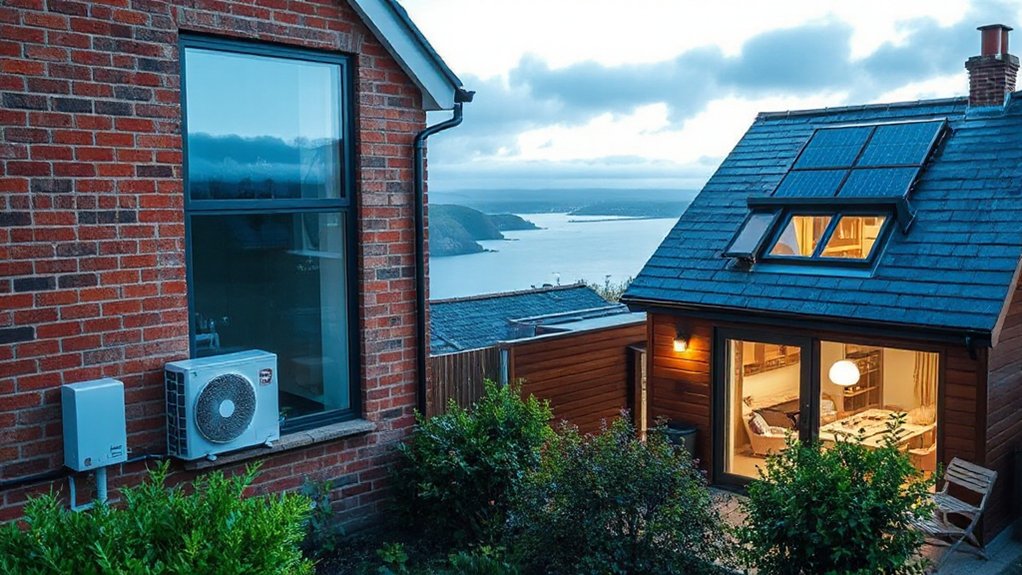
Cardiff’s climate sits in a temperate maritime zone, with mild winters and wet seasons. You’ll map baseline energy use by season, noting heating dominates winter bills while cooling rarely runs.
Your first step is to estimate annual consumption from property maintenance records, utility bills, and building envelope data, then compare to regional norms.
Prioritize upgrades with proven impact: insulation depth, air leaks, and efficient heating systems.
Assess glazing performance and solar access to gauge renewable energy potential, pairing high-return measures with weatherized sealing.
Build a data-driven plan that aligns with your budget and occupancy patterns, focusing on measurable targets like kilowatt-hours saved per year.
Use the roadmap to justify investments, monitor progress, and scale improvements across multiple Cardiff properties.
Quick Wins for Cardiff Homes: Start With Low-Cost Upgrades
If you want quick wins that reduce bills fast, start with low-cost, high-impact upgrades you can deploy this season. You’ll see immediate gains by swapping out inefficient LEDs, programming smart thermostats, and sealing obvious gaps around doors and windows.
Track results with simple monthly meters to confirm savings, then scale. Target quick returns: fix dripping taps, service boilers, and purge old radiators where applicable.
Consider low-cost renewable sources such as small-scale solar chargers for hot-water or battery storage if your system supports it, optimizing what you already have.
DIY tips include weatherstripping, outlet gasket use, and thermostat scheduling tweaks.
Stay data-driven: prioritize changes with the strongest payback, then reassess after 90 days to refine your plan.
Insulation and Airtightness for Cardiff: Cut Bills and Improve Comfort
A well-insulated home and airtight shell makes the quick wins from low-cost upgrades even more effective. In Cardiff, you’ll see the biggest gains by targeting insulation depth and airtightness before upgrading expensive systems.
Focus on minimizing thermal bridging where walls meet floors, ceilings, and external structures, using continuity of insulation and properly sealed joints.
Tackle air leakage with robust airtight barriers and high-quality seals around penetrations, doors, and windows to prevent drafts that waste heat.
Measure progress with quantified air changes per hour at 50 Pa (ACH50) and aim for attainable targets based on UK or Welsh standards.
Pair insulation improvements with services that verify performance, like blower door tests, to guarantee the realized savings match predictions.
Cardiff Windows and Doors: Where to Invest for Maximum Impact
Investing in windows and doors in Cardiff pays off fastest when you prioritize air-tightness, thermal performance, and low maintenance.
In practice, focus on double glazing options with low U-values and argon-filled cavities to reduce heat loss.
Compare frame materials by durability, weather resistance, and required upkeep; uPVC often delivers best value for Cardiff’s climate, while timber gets better aesthetics but higher maintenance.
For window replacement, target high-energy-efficiency units with airtight seals and compliant warranties.
Consider UPVP frames, multi-point locks, and compliant glazing to boost security without sacrificing performance.
Prioritize replacement during cool, dry periods to minimize installation disruption.
Use supplier data to estimate payback periods, factoring energy savings, maintenance needs, and potential grant eligibility.
This approach yields measurable, long-term reductions in heating demand and bills.
Heating Options for Cardiff Homes: From Smart Thermostats to District Heating
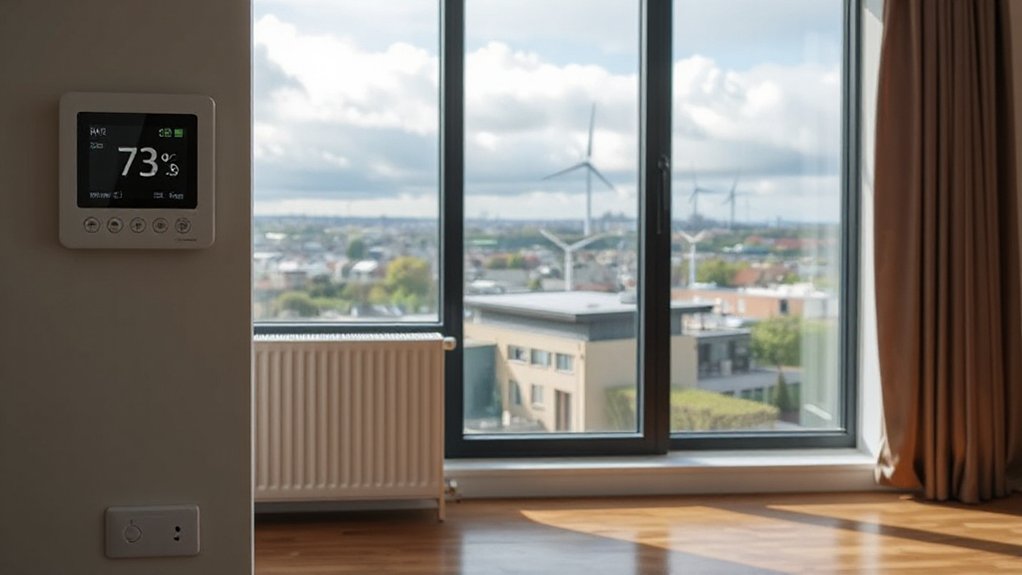
Smart thermostats cut energy use by letting you optimize heating schedules around your routines, backed by real-time data and easy payoff estimates.
District heating offers scalable efficiency and potential decarbonization, especially in dense Cardiff neighborhoods, though uptake depends on local networks and upfront costs.
Smart Thermostat Benefits
Could a smarter thermostat cut your Cardiff heating bills and boost comfort? Yes, and the numbers back it up. Smart thermostats learn when you’re home, align heat with occupancy, and adjust for outdoor temperature swings, reducing energy consumption without sacrificing convenience.
In practice, expect more precise control than a traditional timer, plus real-time feedback you can act on. With programmable schedules, you can fine-tune room temperatures by zone, avoiding unnecessary heating in vacant spaces.
The benefits compound: optimized setpoints mean fewer wasted watts, lower monthly bills, and less greenhouse gas output.
Implementation is straightforward: connect to your existing boiler, set practical schedules, and enable adaptive or learning modes. For many Cardiff homes, smart thermostat programming translates to tangible comfort with measurable savings.
District Heating Prospects
District heating could offer Cardiff homes a scalable way to cut carbon and stabilize heating costs, especially where boiler refurbishments are impractical. You’ll find district heating viability hinges on proximity to heat sources, network density, and upfront infrastructure costs, but benefits include reduced peak demand and smoother bill profiles.
Assess district heating feasibility by examining local heat demand patterns, existing energy networks, and potential anchors like hospitals or universities that can share steady load. Renewable energy integration enhances resilience, enabling heat produced from surplus wind, solar, or biomass to feed the grid without individual boiler upgrades.
Policy, planning, and funding shape deployment timelines, yet pilots show rapid CO2 reductions when communities adopt centralized, digitized controls. You should weigh reliability, maintenance, and local acceptance alongside long-term operating costs.
Home Heating Efficiency
Home heating efficiency in Cardiff hinges on choosing practical, data-driven options that cut energy use without sacrificing comfort. You can start with a smart thermostat to optimize temperatures, lower boiler run times, and reduce wasted heat.
Consider heat pump systems that draw from renewable sources, delivering warmth efficiently even in cold Cardiff winters. Pair upgrades with a rigorous energy audit to identify hotspots, insulation gaps, and equipment inefficiencies.
For older homes, leveling insulation and sealing drafts often yields quicker returns than new boilers alone. District heating and communal schemes can offer dependable, low-carbon options where available.
Monitor fuel bills and performance metrics monthly, and adjust settings as seasons shift. The payoff is steadier comfort, lower costs, and a smaller carbon footprint.
Smart Controls and Monitoring in Cardiff: Track Your Savings
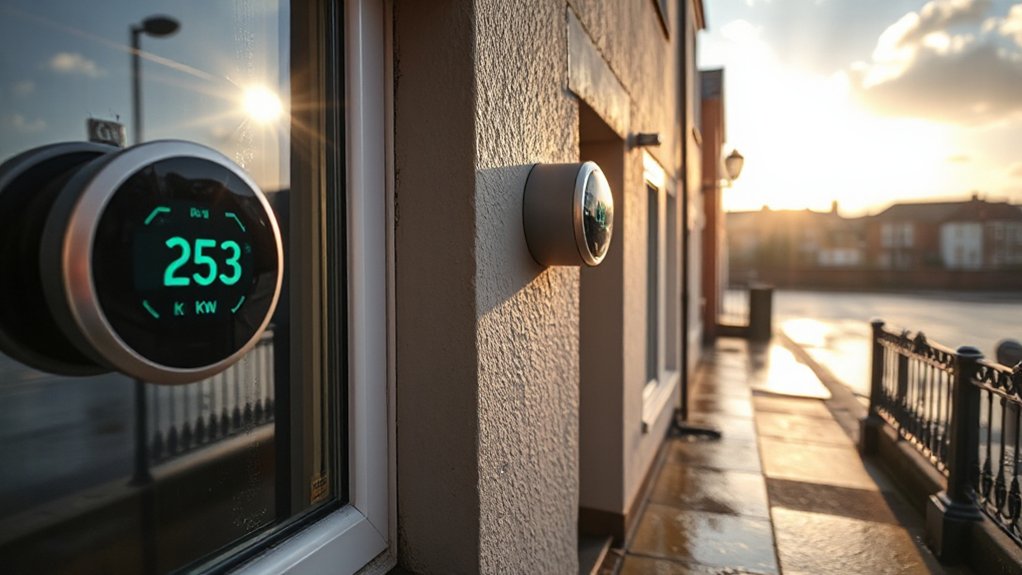
Smart controls and monitoring turn energy data into action in Cardiff homes, letting you see exactly where savings come from and how to amplify them. You’ll track energy consumption in real time, identify waste, and compare hourly or daily patterns to optimize routines.
With smart thermostats, you adjust heating precisely when you’re home, avoiding overheating and temperature swings. Monitoring dashboards visualize peak usage, so you can shift loads to off-peak periods and reduce bills.
Automated alerts flag anomalies, such as sudden spikes, prompting quick troubleshooting. Increased user engagement builds smarter habits over time, as you verify improvements through concrete metrics.
Start small—target lighting and standby power—and scale to whole-home optimization as you confirm consistent money saved and comfort maintained.
Financing and Local Incentives for Cardiff Homes
You can open significant savings upfront with Cardiff’s mix of grants, loans, and incentives designed to fund energy upgrades. In practical terms, you’ll find renewable energy projects supported by local programs and government grants that ease upfront costs and shorten payback periods.
Look for council-backed loans that align with energy efficiency targets, plus simple grant routes for boiler replacements, insulation, and heat pumps. Funding criteria usually weigh home value, occupancy, and project scope, so you’ll want clear quotes and supplier confirmations.
Keep records of energy savings projections and installation timelines to maximize incentives. Local authorities often bundle grants with demand-side management programs, improving overall project viability.
How to Plan Your Upgrades: A Realistic Roadmap and Installer Guide
To plan upgrades realistically, start with a clear, data-driven roadmap that matches your budget, home type, and goals.
Begin with an energy audit to identify high-impact fixes and quantify potential savings.
Prioritize improvements by payback period and comfort impact, not vanity upgrades.
Map timelines to installer availability, permit requirements, and seasonal energy usage.
Collect quotes from trusted installers, check warranties, and verify credentials.
Demand transparent scoping: insulation, airtightness, heating systems, and renewables where appropriate.
Build a phased plan that aligns with cash flow and incentives, avoiding scope creep.
Track progress with milestones and post-upgrade checks, ensuring performance matches projections.
Embrace renewable energy options where suitable, and use data to refine future upgrades.
Frequently Asked Questions
How Do Seasonal Power Outages Affect Energy Efficiency Upgrades in Cardiff?
Seasonal power outages stress reliability, nudging you to prioritize resilience through renewable energy and smart grid integration. You’ll benefit from backup options, load shifting, and clearer data, improving energy efficiency upgrades with consistent performance and cost savings.
Can Properties Listed as Protections Qualify for Efficiency Incentives?
Yes, protection status can affect incentive qualification; you’ll need to verify specific program rules. You’ll likely qualify if protections don’t prohibit upgrades, and you should document status, project scope, and compliance to maximize incentive qualification.
What Is the Typical Payback Period for Solid Wall Insulation in Cardiff?
Solid wall insulation typically pays back in 3–7 years, depending on costs and energy use. Like a steady marathon, you’ll see steady energy savings and reliable thermal insulation, boosting comfort and cutting bills in Cardiff properties.
How Does Local Weather Variability Impact Heating System ROI?
Local weather variability can swing heating ROI; you’ll see better returns with renewable integration and smart thermostats. By adjusting baselines to weather, you optimize usage, reduce outages, and maintain comfort, boosting efficiency and predictable cost savings.
Are There Cardiff-Specific Programs for Rental Property Energy Audits?
Cardiff-specific rental programs exist; you can access rental regulations and property inspections guidance through local council portals. You’ll likely save substantial sums by scheduling compliant audits, citing data-driven results, and coordinating inspections promptly to secure compliant, cost-efficient upgrades.
Conclusion
You’re the architect of your home’s future, steering a quiet revolution. Each upgrade is a key, revealing a brighter, warmer Cardiff tomorrow. Insulation, airtightness, and low-U windows are the steady drumbeat; smart controls tune the rhythm to your life. Grants and installers are your trusted guides, turning plans into bricks. When you monitor progress, you read your savings like a compass, pointing toward comfort, lower bills, and a lighter carbon footprint. The door is open—step through.