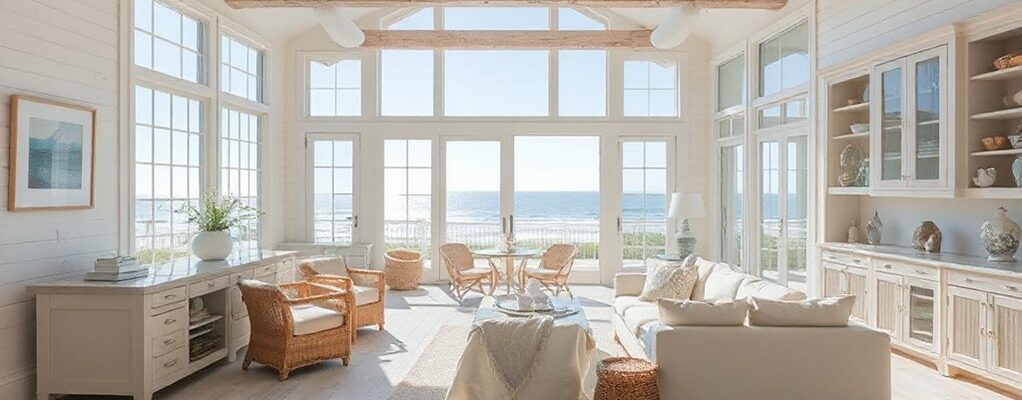
You might think coastal renovations cost too much, but smart choices pay off in durability. You’ll protect against salt, wind, and moisture with corrosion-resistant materials, sealed finishes, and reinforced fasteners, while salt-air–resistant windows keep drafts out. Add simple drainage and low-maintenance surfaces to cut upkeep, then maximize natural light with unobstructed sightlines to the sea. Ready to explore budget-friendly tweaks and a long-term maintenance plan that fits Brighton’s shores?
Understand Why Coastal Homes Need Smart Renovations
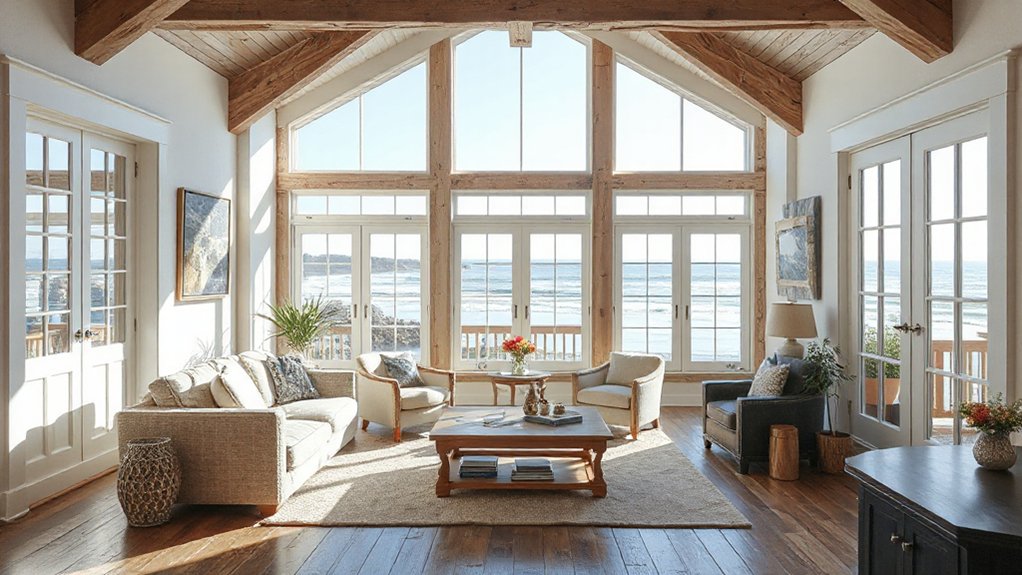
Coastal homes face unique wear and tear from salt spray, humidity, and storm surge, so smart renovations aren’t just nice-to-have—they’re essential for longevity and safety. You’ll prioritize protection against corrosion and moisture, targeting fine-tuned airflow, drainage, and reinforced fasteners to prevent rot and rust.
A practical plan keeps you focused on long-term costs and performance, not trendy aesthetics. Consider harbor security measures, like secure doors and weatherproof enclosures, to deter intrusions during high winds and power outages.
You’ll also account for coastal flora near your foundation, selecting low-impact landscaping that minimizes root intrusion and moisture buildup. By documenting system components, you’ll simplify maintenance and future upgrades, ensuring storm resilience, predictable maintenance cycles, and safe occupancy for your coastal home.
Choose Moisture-Resistant Materials That Last in Salt Air
Choose moisture-resistant materials that stand up to salt air by selecting coatings and substrates proven for coastal use.
Prioritize options with proven salt-spray durability, low water absorption, and easy cleanability, and couple them with thoughtful installation details to prevent moisture traps.
I’ll cover practical tips for choosing materials and quick wins to boost long-term performance.
Moisture-Resistant Materials
To withstand salt air and daily wear, select moisture-resistant materials that endure exposure without warping or corrosion. You’ll prioritize products that tolerate humidity, temperature swings, and spray zones near oceans.
Start with framing and trim built from treated timber or corrosion-resistant alloys, then pair with moisture-stable finishes. Choose exterior claddings and interior surfaces designed to resist salt creep, mildew, and blistering.
For fabrics and seating, opt for Salt resistant fabrics that stay durable in damp environments and resist fading from sun and spray.
Use Marine grade coatings on metal components to slow rust and simplify maintenance.
Prioritize breathable yet water-repellent barriers behind walls to reduce moisture buildup while maintaining interior comfort.
Inspect materials for warranties and real-world coastal performance.
Salt-Air Durability Tips
Salt-air environments demand materials that endure corrosion and moisture daily. In these conditions, you choose products with proven salt air performance and low maintenance.
Start with fasteners and hardware: opt for stainless steel or galvalume-coated options to minimize rust streaks.
For exterior siding, prioritize coatings with high salt resistance and UV stability, and inspect quarterly for chips that invite corrosion.
Roofing should use corrosion-resistant metals or durable asphalt with mineral granules; guarantee seals and flashing are compatible with salt exposure.
For interior spaces, select moisture-resistant drywall and vinyl or laminate surfaces that tolerate humidity spikes.
Maintain air circulation near damp zones to slow salt-induced decay.
Regularly wash exterior surfaces with a gentle rinse to remove salt buildup and preserve finish.
Salt air, corrosion resistance matter in every material choice.
Install Salt-Air–Resistant Windows and Doors for Coastal Homes
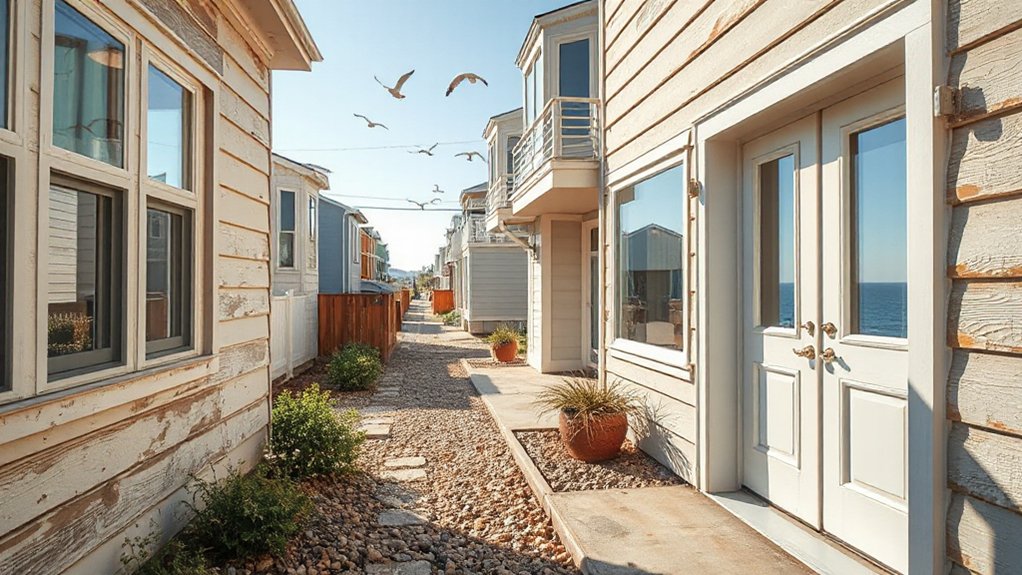
Installing windows and doors that resist salt air is essential for coastal homes, because regular frames can corrode, warp, or fog up in salt-laden breezes. You’ll want corrosion-resistant materials, like aluminum alloys or fiberglass, with powder coatings designed for salt exposure.
Check that the sills and anchors are stainless steel or coated to resist rust, and insist on vinyl or extruded aluminum window frames that won’t sag from humidity.
Choose double- or triple-glazed units with low-emissivity glass to reduce condensation and heat loss. Confirm seals are UV-stable and rated for coastal salt spray; look for gaskets that stay flexible.
Select hardware labeled for salt air and avoid painted-on finishes prone to peeling.
Finally, verify professional installation to preserve weathertight performance and warranty coverage.
Apply Weather-Smart Insulation for Coastal Comfort
From there, you’ll set up a weather-smart insulation plan that matches coastal demands. Start with sealing gaps around foundations, doors, and windows to prevent drafts and moisture intrusion.
Choose insulation techniques suited for humid, salty air, like closed-cell spray foam in cavities and rigid foam boards in exterior walls for high R-values without bulk.
Prioritize vapor barriers on the warm side of assemblies to curb condensation, and guarantee proper drainage away from the structure to reduce damp risks.
Align insulation thickness with local climate data and retrofit existing walls with minimal disruption.
Consider radiant-barrier options in attic spaces to reflect sun exposure.
Combine weather proofing strategies with airtight drywall barriers where feasible, and schedule blower-door tests post-installation to verify performance.
Maintain clear documentation for future upgrades.
Create Bright, Humidity-Controlled Interiors
To keep coastal interiors bright and comfortable, prioritize lightest-possible window treatments and ventilation that combat humidity without sacrificing view or air quality. You’ll pair sheer blinds with operable, ocean-fresh vents to maintain airflow and reduce damp pockets.
Use dehumidifiers strategically in typically humid zones, like kitchens and baths, and install exhaust fans that vent outdoors. Choose interior materials with low moisture absorption and easy wipe-down finishes to preserve interior illumination.
Position mirrors to reflect sunlight deeper into rooms, enhancing daytime light without increasing heat gain. Opt for daylight-balanced LED fixtures to maintain consistent brightness during overcast seaside days.
Schedule seasonal seal checks and airflow audits to sustain Sunlight optimization and steady humidity control, ensuring a *invigorating* bright, comfortable home environment.
Pick Low-Muss Finishes That Stand Up to Seaside Living
You’ll want finishes that shrug off salt, humidity, and sand without weighing you down, so pick low-muss materials that stay smooth and durable.
Start with surfaces that resist moisture and staining, using protective coatings and wipe-clean textures for everyday practicality.
This guide focuses on durable seaside finishes and how to select low-muss options that keep your home looking fresh with minimal maintenance.
Durable Seaside Finishes
What makes a seaside finish truly durable? You want surfaces that resist salt spray, humidity, and sun—all without frequent maintenance. Choose low-muss options that keep mildew at bay and don’t blister or fade when coastal winds shift.
Prioritize sealants and paints designed for high moisture areas, with UV blockers and flexible resins that move with seasonal material expansion. For indoors, opt for coating systems that tolerate salt residue and cleanup with mild cleaners.
Out in the garden, durable deck finishes should endure salt exposure and foot traffic while staying visually consistent. Tie in your landscape by coordinating colors with Seaside landscaping and showcasing Coastal art installations nearby to reinforce a cohesive, long-lasting seaside aesthetic.
Low-Muss Materials Guide
Despite salt spray and sun, your choices matter: this Low-Muss Materials Guide helps you pick finishes that stay durable with minimal upkeep. You’ll want finishes that resist corrosion and require little maintenance, so start with metals treated for rust prevention and coatings designed for coastal humidity.
Opt for low-muss options like ceramic or porcelain tiles, quartz composites, and high-quality vinyl that mimics natural textures without absorbing salt air.
For wood, choose rot-resistant species or treated lumber with sealed profiles to reduce moisture ingress.
Paints should be breathable, UV-stable, and reformulated for seaside conditions.
Consider Eco friendly options, such as recycled-content countertops and sustainably sourced timbers.
Prioritize airtight joints, corrosion-resistant fasteners, and regular but brief inspections to catch early wear before it spreads.
Revamp Layouts to Maximize Sea-View Light and Breeze
To maximize sea-view light and breeze, start by reconfiguring layouts to place living spaces and key sightlines along the outdoor vista, with large windows and glass doors that invite fresh air without drafts.
You’ll align sofas, dining, and seating to frame the horizon and reduce obstructed paths, creating a clear flow from entry to balcony or deck.
Use fewer interior walls to preserve openness while maintaining zones for meals, work, and relaxation.
Prioritize doors that swing or slide for seamless outdoor access during coastal seasons.
Choose Seaside decor accents and Ocean inspired colors to unify the look without overpowering views.
Swapping heavy curtains for light shades enhances daylight while maintaining privacy, and venting layouts prevent heat buildup on hot days.
Waterproof Outdoor Spaces Without Compromising Style
Waterproofing your outdoor spaces without sacrificing style starts with smart material choices and careful detailing. You’ll prioritize low-maintenance, water-resistant surfaces like porcelain tiles, composite boards, or denser concrete pavers that resist salt spray and staining. Choose slip-resistant finishes and hidden fasteners to keep the look clean.
Membrane or sealed deck coatings protect joists from dampness while you maintain a crisp edge between indoors and out. For shade and seating, select fabrics with UV and water repellents, plus easily washable cushions.
Regarding planting, lean into Seaside landscaping and Coastal planting that tolerate salt exposure and wind. Integrate planters into edges rather than freestanding walls to avoid water pooling.
Finish with proper drainage and a discreet gutter system for longevity.
Budget-Smart Coastal Upgrades That Pay Off
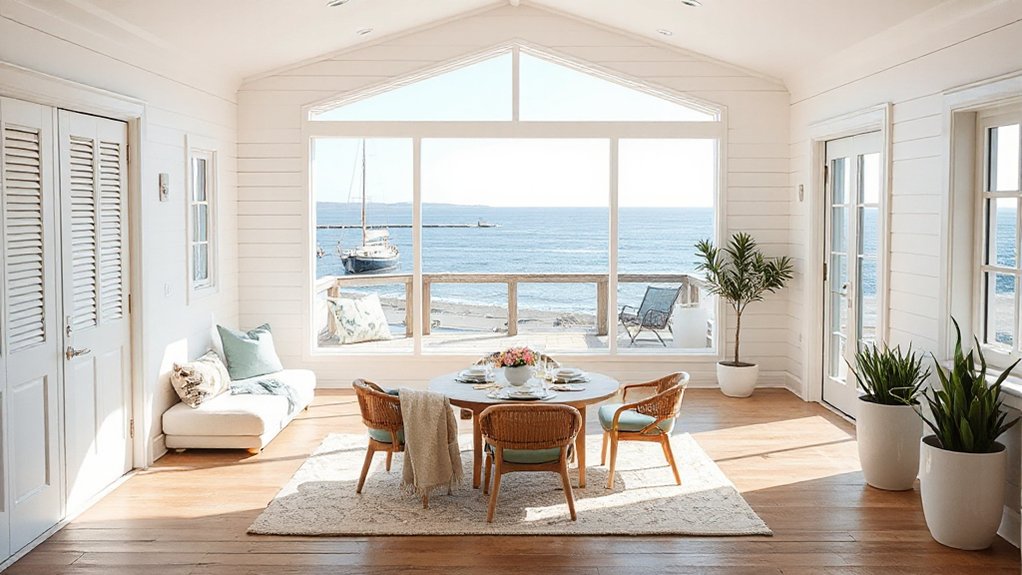
When you choose durable materials for coastal areas, you’ll reduce long-term maintenance and replacement costs while standing up to salt air and humidity.
Pair those choices with efficient water use, and you’ll lower monthly bills and protect your landscape without extra effort.
Start with concrete or composite decking, corrosion-resistant fasteners, and low-flow fixtures to maximize savings from the outset.
Durable Materials Choice
Choosing durable materials upfront saves you time and money in a coastal home. You’ll benefit from low maintenance surfaces and longer intervals between repairs, especially against salt spray and humidity.
Start with framing and sheathing that resist moisture intrusion, then select finishes designed for coastal climates.
Opt for marine grade fixtures where hardware meets water, wind, and sand exposure, and prioritize corrosion resistant coatings on exterior metals and railing systems.
For flooring, choose ceramic or porcelain tile with slip resistance and a sealed protective layer, or engineered stone that endures moisture without warping.
Countertops should be non-porous and sealed, reducing staining from salt air.
Install fasteners and connectors with stainless steel or coated alloys.
Plan with warranties that cover coastal conditions to protect your investment.
Efficient Water Use
Efficient water use isn’t an afterthought in a coastal home—it’s a smart, budget-smart upgrade that saves you money month after month. You’ll start with rainwater harvesting systems that collect rainfall from roofs, reduce utility bills, and supply irrigation for drought-prone summers.
Install filters and first-flush devices to keep storage clean, then connect to outdoor taps and drip irrigation for gardens, lawns, and containers. Consider greywater recycling for non-potable uses like flushing toilets and landscape irrigation; verify local codes and permit requirements are met.
Choose durable, corrosion-resistant components suited to salt air, and size storage to balance wet-season excess with dry-season needs. Monitor consumption with simple meters and set targets, so each drop contributes to long-term coastal resilience and cost savings.
Coastal Maintenance Plan to Protect Your Brighton-Style Home
A practical coastal maintenance plan protects your Brighton-style home from sun, salt, and storms by outlining simple, everyday actions you can do year-round. Start with a monthly exterior check: inspect paint, seals, and flashing; touch up where needed to prevent corrosion and moisture intrusion.
Regularly rinse siding and windows to remove salt spray, and reseal grout in stone or tile to stop creeping damage. Prioritize rustproof hardware, drip edge maintenance, and gutter cleaning before storms.
For Seaside landscaping, choose salt-tolerant plants and windbreaks that reduce windborne salt impact. Monitor drainage and driveway surfaces, addressing pooling promptly.
Consider Coastal art installations placed on sheltered walls to reduce weather exposure while adding charm. Schedule annual professional inspections for roof, foundation, and insulation to sustain long-term performance.
Frequently Asked Questions
How Soon Should I Implement Storm-Resilient Upgrades?
You should implement storm-resilient upgrades now, so you’re prepared before the next storm season. Install storm proof windows and plan seawall construction alongside a prioritized schedule, budgeting for permits, professional assessments, and durable, local-supply materials.
Which Coastal Plants Reduce Humidity Indoors Effectively?
You should plant coastal species with good transpiration and air purification, because they help Indoor air quality and humidity control. Choose wind-tolerant varieties, place near windows, water moderately, and monitor soil to prevent mold and odors.
Can DIY Fixes Match Professional Coastal Renovations?
Yes, DIY fixes can match some professional results, but you’ll need careful planning: window replacement, paint preservation, sealing gaps, and weatherproofing; measure precisely, use marine-grade materials, and monitor for salt air effects to sustain longevity.
What Insurance Discounts Apply to Coastal Renovations?
You’ll typically receive discounts on marine insurance and flood coverage when you disclose coastal renovation plans, install durable materials, and add proper drainage; compare insurers, document elevation improvements, and maintain updated safety features to maximize savings.
How Often Should Gutters and Salt Filters Be Inspected?
Gutter maintenance should occur at least every six months, with extra checks after heavy storms. Salt filter inspection is recommended quarterly or after salt spray events to prevent corrosion and preserve efficiency. You’ll spot issues early and avoid damage.
Conclusion
You’ve got a practical, proven path for Brighton-style resilience: choose moisture- and salt-resistant materials, sealExteriors, and wind-toughen fasteners; install salt-air–friendly windows and doors; improve insulation and humidity controls; illuminate interiors with ample daylight; optimize layouts for sea views; waterproof outdoor spaces without sacrificing style; and follow a simple maintenance plan. It’s like building with armor that breathes. Stay consistent, budget-smart, and future-ready, so your coastal home stays comfortable, beautiful, and enduring.