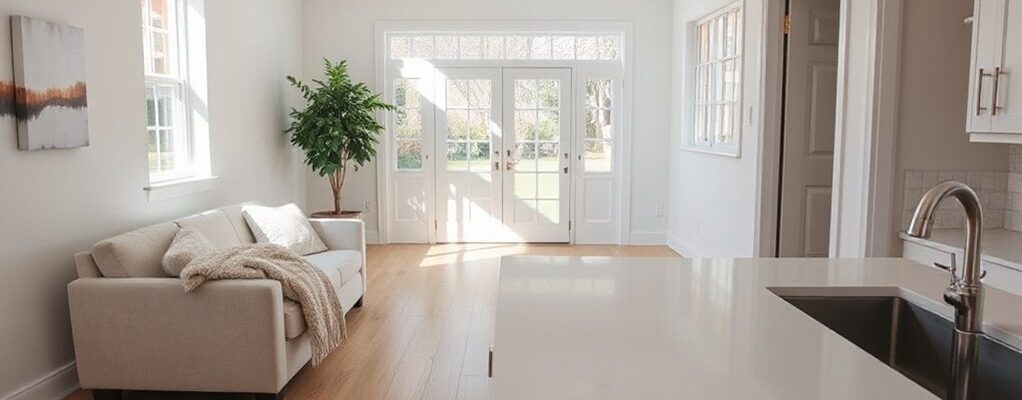
You’ve heard that small upgrades don’t pay off—but is that really true for UK buyers? You can verify by focusing on cost-effective tweaks that lift curb appeal and everyday practicality, then compare how quick wins in kitchens, bathrooms, lighting, and storage shift interest. If you act with a clear, budget-minded plan, you’ll see where the market rewards improvements—and you’ll have a solid reason to keep moving forward. Let’s map out the steps that make a home feel move-in ready.
Spot Quick Wins to Deter Buyer Concerns on a Budget
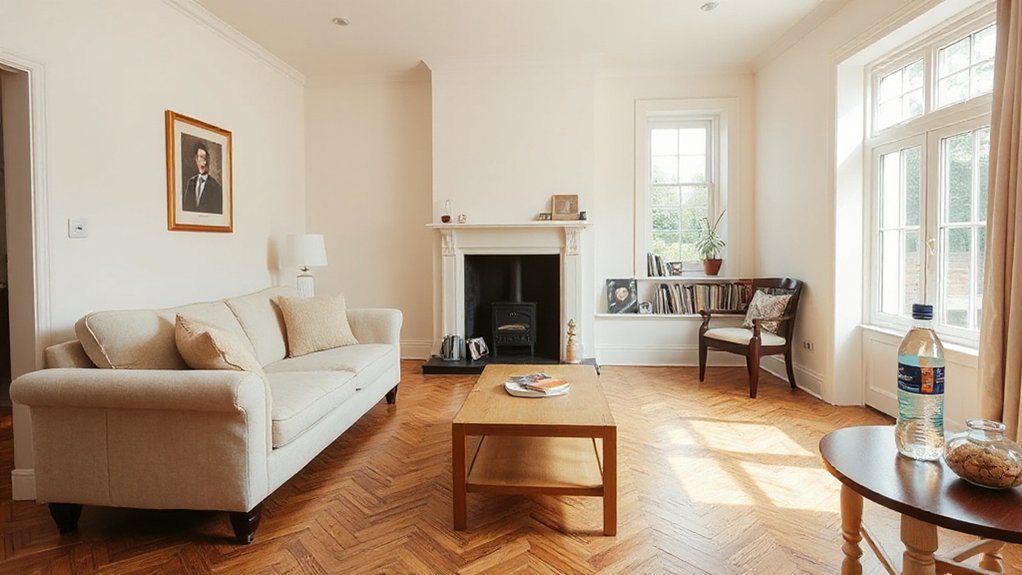
Spot quick wins to deter buyer concerns on a budget by tackling obvious, low-cost issues that influence first impressions. You start with curb appeal, pruning shrubs, mowing evenly, and repainting a tired front door to signal care.
Inside, fix squeaks, replace burnt-out bulbs, and declutter surfaces so rooms read as larger. Prioritize functional checks: taps, toilets, and leaks—seek zero drips to avoid a red flag.
You can refresh with affordable touches like a fresh coat of neutral paint and new doormats. Consider garden landscaping upgrades that boost appeal without breaking the bank: tidy borders, mulch, and seasonal planting add polish.
Pair these with smart home upgrades that feel modern yet affordable, such as smart lighting or a simple thermostat. These moves reinforce value without overinvesting.
Budget Kitchen and Bath Refreshes That Make a Difference
If you’re aiming to boost value without a full remodel, focus on cost-efficient kitchen and bathroom refreshes that deliver visible impact. Begin with cosmetic upgrades: regrout tile, replace dated faucets, swap cabinet hardware, and refresh sealant at sinks and showers.
Fresh paint in neutral tones widens appeal, while under-cabinet lighting adds perceived quality without a full install. Consider high-impact, low-cost updates like a modern backsplash and an energy-efficient shower head.
In kitchens, declutter and organize surfaces to look larger. In bathrooms, replace cracked tiles only where necessary and install a single, stylish mirror.
Integrate practical tech: home automation features for lighting and climate control. Note how outdoor landscaping frames the home’s approach, enhancing curb appeal without major disruption.
Budget Lighting, Décor, and Curb Appeal Tweaks
Small changes in lighting, décor, and curb appeal can transform a home’s perceived value without a full remodel. You’ll gain impact with targeted, budget-friendly tweaks that buyers notice first.
Prioritize exterior lighting for security and ambience: warm LEDs along paths, a programmable secures-yet-simple timer, and a focal porch light.
Refresh interior color schemes with neutral bases and subtle accents to broaden appeal and ease interpretation by buyers.
Update window treatments to look fresh without major costs, and declutter to reveal space.
Exterior landscaping should be neat and inviting: trim hedges, add a portable planter, and ensure lawn edges are tidy.
Use cohesive colors and textures to create flow from curb to living areas, reinforcing a sense of home readiness.
Maximize Storage and Practicality to Boost Appeal
Maximizing storage and practicality is a straightforward way to boost a home’s appeal without expanding square footage. You should prioritise functional layouts that minimise clutter and optimise daily use.
Begin with garage organization: install wall rails, ceiling hooks, and modular shelving to free floor space and create clearly defined zones for tools, bikes, and seasonal items.
In living areas, choose built-in storage options rather than freestanding units to maintain clean sightlines. Move shoes, coats, and general clutter to entrances with clever lockers or benches that include cubbies.
For closets, implement a standardisation strategy: uniform hanger types, adjustable rods, and double-hanging where possible to increase capacity. Screen for awkward nooks and add slim, high-storage solutions to utilise every inch.
Deliver a Marketing-Ready Finish Without Overspending
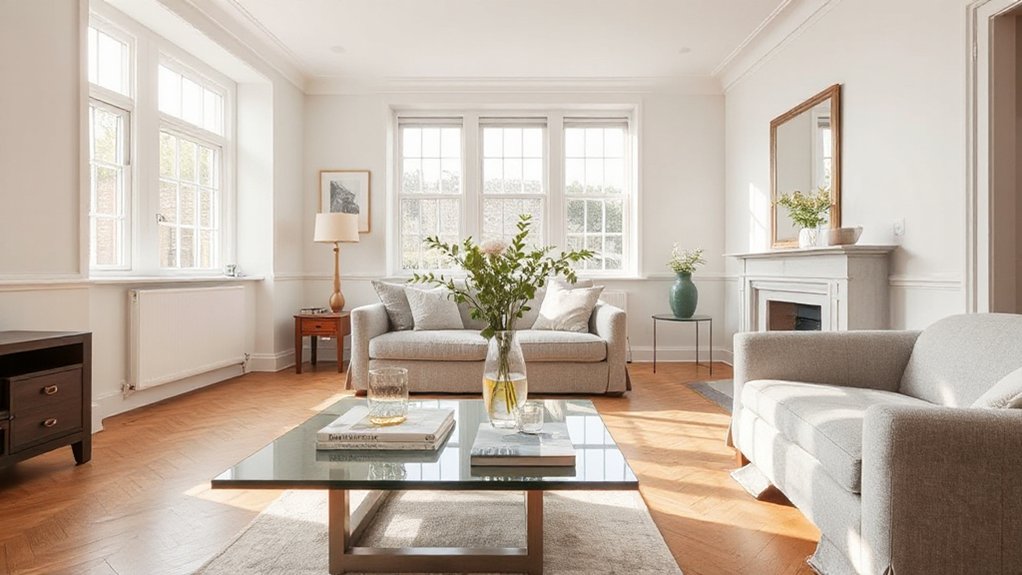
To deliver a marketing-ready finish without overspending, start with high-impact, low-cost updates that buyers notice first—paint, lighting, and refinishes. You’ll create immediate appeal by choosing neutral tones, bright LEDs, and durable coatings that tolerate wear.
Keep fixtures cohesive; replacedated sockets or taps only where they’ll yield noticeable returns. Focus on a clean, door-to-door presentation: curb appeal, entryway, and a unified look through common spaces.
Prioritize home staging ideas that reveal space without overhauling structure. Pair walls with tasteful landscaping enhancements and tidy borders to frame interiors.
Maintain a disciplined budget by itemizing costs, sourcing discounts, and avoiding cosmetic overhauls that don’t boost value. The result is a polished, market-ready feel that resonates with buyers while preserving financial equity.
Frequently Asked Questions
How Long Does a UK Home Value Increase Typically Take After Improvements?
You’ll typically see value upticks within 3–6 months after improvements. Focus on home staging and timingMarket timing strategically; curb-appeal and flow matter. Monitor local comps, adjust pricing, and stage rooms to maximize perceived value for buyers.
Which Renovations Offer the Strongest ROI for Resale in the UK?
Kitchen upgrades and bathroom renovations offer the strongest ROI for resale in the UK. You should invest efficiently, prioritize space and quality, source durable fixtures, plan timings carefully, and avoid over-improving beyond your neighborhood’s norms.
Do Energy Efficiency Upgrades Affect UK Stamp Duty or Taxes?
Energy efficiency upgrades don’t change stamp duty, but they can reduce ongoing property taxes via council or hybrid schemes. You’ll likely see savings over time, and eligibility depends on current tax rules and regional incentives.
Are Licensed Tradespeople Required for All Home Improvement Work?
No, licensed tradespeople aren’t required for all DIY projects, but for many tasks you’ll need permit requirements and inspections. You should assess risks, know when to hire pros, and guarantee compliance for safe, quality results.
How Should I Prioritize Upgrades When Selling a Mid-Range Property?
Prioritize high-ROI upgrades: refresh interiors first and tackle key rooms, then durable landscaping enhancements. You should upgrade fixtures and paint, optimize layout, and invest in curb appeal; interior decoration decisions drive value before landscaping enhancements compound impact.
Conclusion
Get it done with a clear plan, a budget, and steady action. Declutter, depersonalize, and deep-clean; paint walls in neutral tones, refresh fixtures, and swap tired taps. Update lighting, add smart controls, and boost curb appeal with fresh paint and tidy landscaping. Maximize storage with smart organizers, check essentials, and fix small issues fast. Market-ready means polished, practical, and persuasive; present a move-in-ready home that proves value, supports confidence, and accelerates offers without overspending.