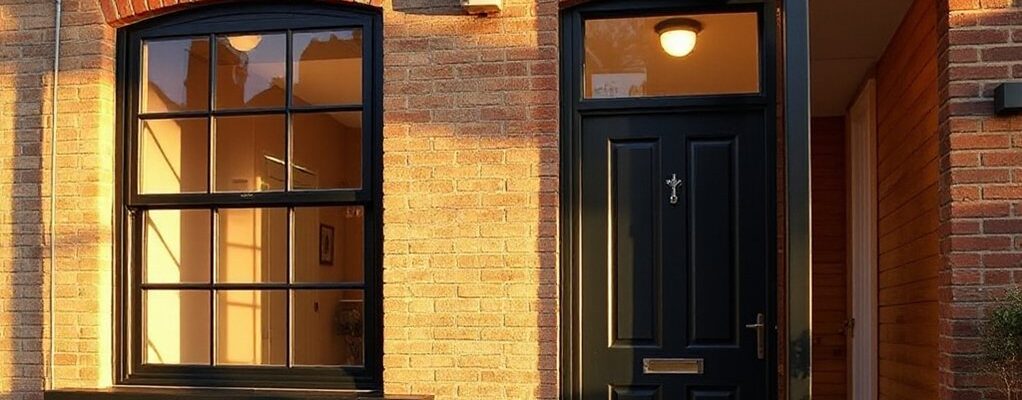
Does upgrading a terraced house inevitably erase its character, or can modern comforts sit quietly alongside its original craft? You’ll weigh brick, plaster, and timber against discreet insulation and efficient systems, preserving proportions and rhythms that give the row its cadence. Consider how light, color, and authentic detailing can be tuned to reveal history rather than dominate it. The challenge is balancing contemporary living with timeless texture; the path forward becomes clearer as you map layouts that flow without shouting modernity.
Assess Character and Constraints of Your Terraced Home
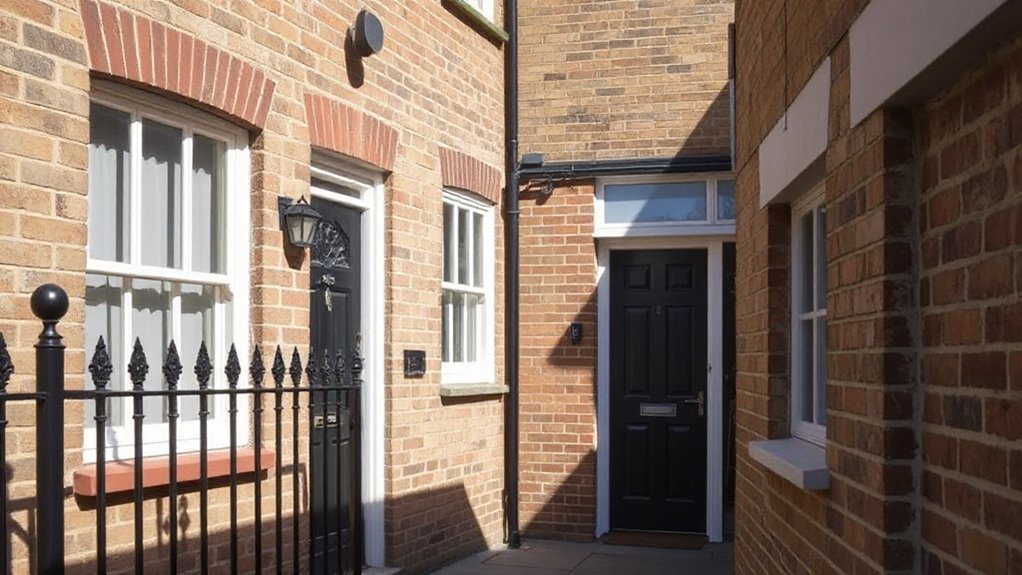
Assess the character of your terraced home by mapping its intrinsic traits and the constraints that define it. You observe the material language, construction period, and decorative repertory that signal historical preservation priorities.
Note party-wall alignment, floor-to-ceiling heights, and window cadence, since these establish proportion and rhythm within the terrace row.
Identify load paths, beam spans, and stair geometry to reveal structural constraints that influence modification options.
Consider plumbing and electrical routes that thread through concealed trenches, as well as shared drainage arrangements that bind you to neighbors.
Document the facade’s brickwork, mortar mix, and coping details to inform future restoration decisions.
With this inventory, you respect heritage values while clarifying feasible interventions, balancing sensitivity to context with practical adaptability.
Plan Proportioned Layouts for Better Flow
To create a flowing, proportioned layout, start by aligning major circulation with the terrace’s inherited rhythms: front-to-back axis, stair positions, and doorway alignments that already establish a readerly rhythm across rooms.
You’ll translate this rhythm into a cohesive plan by staging spaces along a clear sequence, respecting wall lengths and original doorway positions. Prioritize proportioned rooms that feel connected without crowding, so circulation remains legible and calm.
Furniture placement should reinforce line-and-axis logic, avoiding abrupt offsets that interrupt sightlines or comfortable movement.
Lighting design follows the same logic: even, layered illumination that mirrors natural progression from entry to core living zones.
This approach preserves architectural honesty while enabling flexible use, all grounded in historic typology, craftsmanship, and the terrace’s evolving needs.
Choose Light, Color, and Materials to Honor Period Features
Light can be used to illuminate and elevate period details rather than obscure them; so choose finishes that reflect the era’s handcraft and patina.
You’ll resolve a balanced palette by prioritizing material selection that respects original textures—brick, plaster, timber, tile—with modern durability unobtrusively woven in.
Aim for light, warm neutrals that let mouldings, cornices, and staircase balustrades read clearly as period features.
For color, favor tactile, breathable finishes: limewash, underscored with matte emulsion to reveal depth in plasterwork.
When selecting materials, prefer traditional textures over high-gloss alternatives, ensuring joinery and hardware echo period craftsmanship.
Plan lighting to highlight arches and alcoves without washing them out.
This approach preserves character while guiding contemporary living.
Modernise Energy Efficiency Without Sacrificing Aesthetic
Modernising energy efficiency in a terraced home doesn’t mean sacrificing its charm; it means weaving performance into the fabric of the design. You approach this with a historically informed eye, respecting construction methods, timber framing, and brick patterns that tell a story of builders’ choices.
Begin with airtight detailing at doors and shared walls, then select discreet insulation that preserves wall thickness and interior flow. Retrofit ventilation is quiet and continuous, maintaining occupant comfort without drafty patches.
Favor eco-friendly upgrades that align with period sensibilities—low-profile solar gains, high-efficiency boilers, and clever shading devices that mirror traditional forms.
Embrace historical restoration principles to harmonize new systems with old aesthetics, ensuring upgrades enhance character rather than erase it. Balance function, form, and provenance for a resilient, expressive terrace.
Source Authentic Detailing That Feels Right
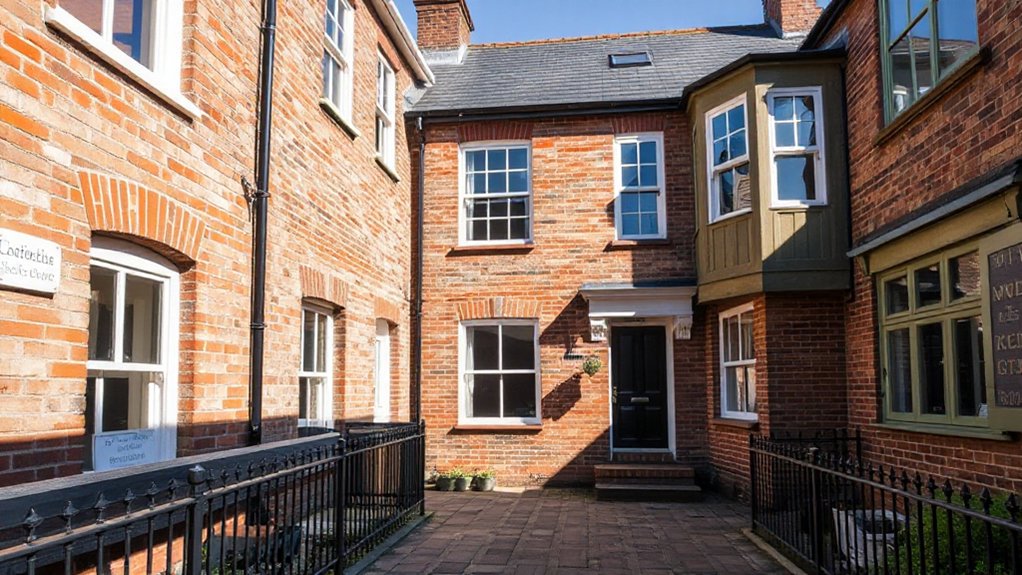
Source authentic detailing that feels right means tracing the building’s materials and craft history to guide contemporary choices. You’ll map original workmanship, joinery, and finishes, then interrogate where those cues still read true.
Historical authenticity isn’t about replicating every facet; it’s about aligning new interventions with inherent materials and visible marks of craft. When selecting materials, favor authentic textures—brick, lime plaster, timber—over superficial imitations, ensuring tolerances, patina, and scale respect the street’s character.
Documented provenance matters: source quarries, lime kilns, and carpentry methods anchor decisions.
Integrate detailing that celebrates rather than conceals age, such as traditional mouldings, appropriate reveals, and careful door and window geometry. In doing so, you preserve character while enabling honest, durable contemporary living.
Material selection guides a coherent, legible narrative of continuity.
Frequently Asked Questions
How Much Budget Is Typical for a Character-Preserving Renovation?
You’ll typically budget mid-range to preserve character, around £20,000–£60,000, depending on scope. You’ll plan interior lighting thoughtfully and integrate decorative landscaping details, aligning modern adds with period features while honoring historic proportion, materials, and craftsmanship throughout the renovation.
Can I Alter External Facades Without Planning Issues?
You can’t alter external facades freely; planning issues apply. For historic preservation, consult your local authority before facade alterations, ensuring materials, rhythm, and façades align with character, while retaining traditional detailing and street-facing harmony.
Are Floor-To-Ceiling Heights Crucial to Maintain Period Feel?
Case study: you’ll find that floor-to-ceiling heights aren’t strictly essential to keep period feel; prioritize interior lighting and structural integrity. Imagine a restored drawing-room with tall sash windows and precise cornicing, preserving proportion while modernizing systems.
Will Modern Systems Void Original Building Warranties or Insurance?
Modern systems can affect warranties or insurance, so check specifics; you’ll want professional installation. Guarantee Historical accuracy and Modern amenities blend, preserving fabric, detailing, and contextual design to keep your terrace’s character while meeting current codes.
Which Trades Ensure Authentic Period Detailing Is Not Compromised?
Can you protect historical authenticity while upgrading? Trades like specialist carpenters and plasterers guarantee historical authenticity and craftsmanship preservation, maintaining period detailing. You engage skilled craftsmen who respect original joinery, mouldings, and plasterwork, delivering contextualized design without compromising character.
Conclusion
You navigate your terraced world as a careful gardener tends a historic hedge: patient, selective, and true. Each choice—brick glow, timber grain, soft plaster—unfolds like a measured corridor that never crowds the past. Energy tricks and new light become apprentices, not usurpers, learning the rhythm you’ve inherited. In conserving craft, you become the keeper of a living watch, where modern life passes through seamlessly, and character remains, quietly, as your compass and crown.