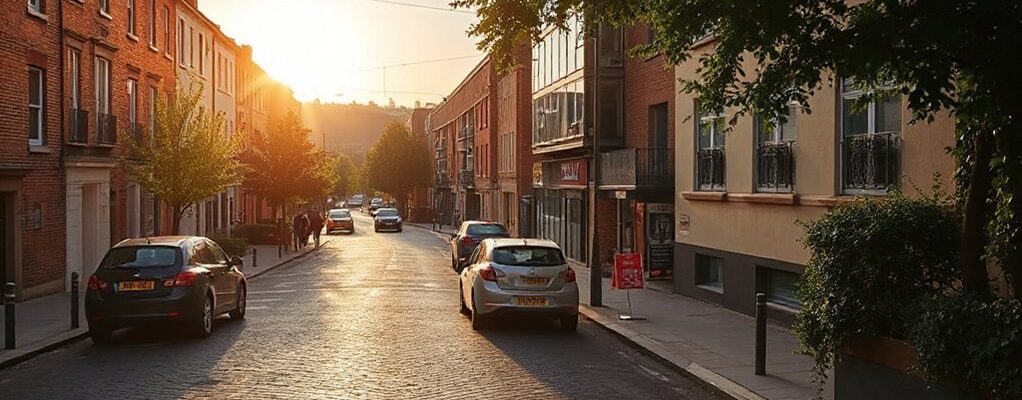
Consider this: you move to the Northern Quarter for its cafés and end up craving a quieter Sunday in Didsbury. Manchester’s neighborhoods each offer a distinct rhythm, from the buzz of City Centre streets to Waterside walks at Salford Quays. You’ll weigh transport links, schools, safety, and cost, then map out where your everyday life could feel most at home. Ready to weigh the trade-offs and find your tempo among the city’s varied streets?
Key Takeaways
- Manchester’s best neighborhoods mix creative vibes, cultural scenes, and easy transport, from the Northern Quarter’s bohemian energy to the City Centre’s urban convenience.
- Suburban areas like Chorlton, Didsbury, Prestwich, and Whitefield offer green spaces, family-friendly living, and tight-knit communities with local markets.
- Ancoats, New Islington, and Salford Quays showcase rapid transformation, canal-side collaboration, and accessible arts, galleries, and nightlife.
- Student districts Withington and Fallowfield provide affordable rents, campus proximity, and a lively cafe-and-bar rhythm.
- Strong transport links (trams, rail, buses) connect neighborhoods—supporting balanced work-life living across Manchester’s diverse districts.
Why Manchester’s Neighbourhoods Differ: A Quick Orientation
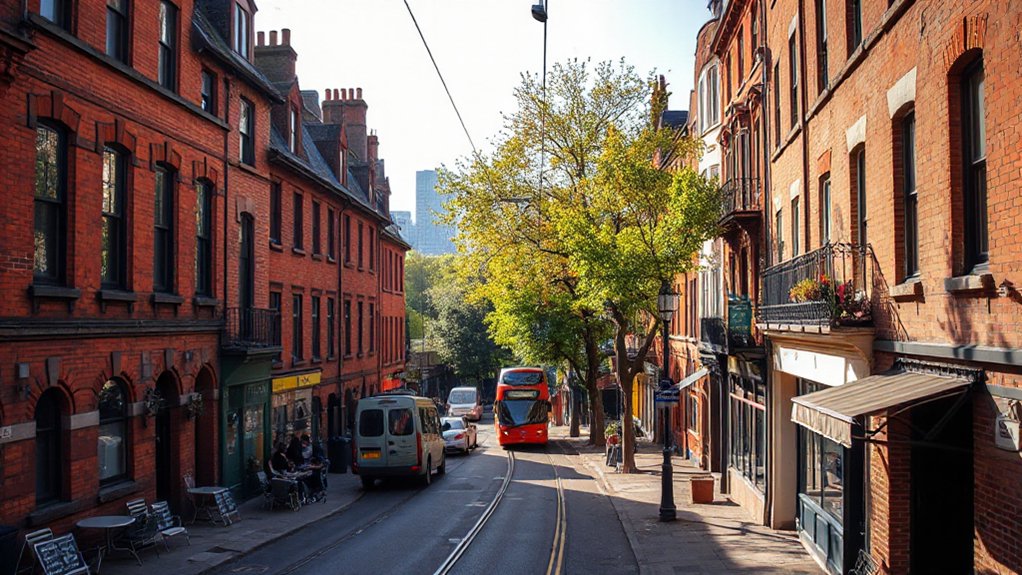
Manchester isn’t a monolith; its neighborhoods feel like distinct neighborhoods with their own rhythms. You’ll notice the difference the moment you arrive: a street corner that tastes of local cuisine, a gallery wall bursting with color, a market stall humming with chatter.
Each area grew from a particular history, industry, or immigrant thread, so closures, openings, and voices shift from block to block. You’ll map your route by what you want to feel: a bustling market buzz, a quiet green space, or a pocket of independent shops.
The energy changes with the day and the season, punctuated by art festivals and micro-events that spotlight local talent. Learn the lanes, listen to the locals, and let the city show its varied tempo.
Northern Quarter: Bohemian Vibe, Cafés, and Nightlife for Creatives
You wander into the Northern Quarter, where cafés hum with chatter and chalkboard menus promise fresh perception as you sip and observe.
This bohemian vibe feeds your creative spark, while side streets spill into late-night venues that keep ideas buzzing after dark.
You’ll feel the pulse, map the scene, and start weighing what it means to work, meet, and be inspired here.
Bohemian Café Culture
The Northern Quarter pulses with a bohemian café scene that invites you to linger—couches sagging with personality, steam from well-loved coffee machines fogging the air, and walls splashed with local art. You move from sunlit windows to shadowy corners, ordering with a nod or a smile, letting the barista tailor flavors to your mood.
These spaces aren’t just drinks; they’re studios with outlets and wifi, where sketchbooks meet laptops and conversations drift between design fixes and soundtrack choices.
In artistic neighborhoods, you’ll notice collaborative murals, zines stacked beside pastries, and pop-up exhibits tucked by stairwells. You’ll plan visits around open-mike nights, swap recommendations, and collect small rituals—hot chocolate in winter, iced beans in summer—crafted to fit your creative rhythm.
Nightlife for Creatives
Nestled in the Northern Quarter, the nightlife here pulses with a bohemian edge that keeps creators buzzing well after sundown. You slip from cafe chatter to after-hours rooms where walls are plastered with art and ideas.
You’ll find creative collaborations happening over espresso-fueled chats and impromptu showcases that spill into the street. When you explore nightlife venues, you’re not just socializing; you’re networking with designers, musicians, and coders who feed off each other’s projects.
Expect staggered venues where intimate gigs, gallery nights, and pop-up studios unfold in quick succession. You plan your route like a curator: a coffee break, a midnight set, a sprint to a midnight jam.
Practical magic; tangible momentum.
City Centre: Culture, Convenience, and Skyline Living
City Centre life unfolds at a brisk, exhilarating pace: culture sits at every corner, convenience is built into the streets, and the skyline towers above like a constant invitation to explore. You’ll press into galleries, pop into a cafe between meetings, and catch a street performance as you walk.
Art galleries line the core, offering temp-tested whimsy and bold statements that spark conversations that outlive your lunch break.
Convenience isn’t an afterthought: you swing by a tram stop, grab a quick bite, and glide onward with minimal friction.
You feel the pulse of markets, the hum of finance, and the quiet corners of winding lanes.
Skyline living means daylight cocktails with city views and nightcaps under sparkling towers.
Ancoats and New Islington: Rapid Growth and Creative Communities
You feel the street turn from brick to light, as Ancoats and New Islington surge with rapid growth pulling vibrant ideas into everyday life.
You see creative layers stacking—from studios to cafes to community projects—each adding texture to the neighborhood’s rhythm.
You’re invited to weigh how fast change shapes belonging, collaboration, and the spaces that hold it all.
Rapid Growth Dynamics
Ancoats and New Islington are living proof that a neighborhood can reinvent itself, fast, without losing its soul. You’ll feel the pace in every street: cranes, clattering trains, and new cafés sparking early-morning chatter.
Rapid growth isn’t just tall blocks; it’s a reweaving of daily life, where old industrial silhouettes meet playful micro-places. You’ll notice urban sprawl folding into walkable grids, where amenities cluster around bridges, markets, and community hubs.
Demographic shifts push you to adapt: longer horizons, diverse voices, and a shared appetite for fresh culture. You move through renovated terraces, open-plan studios, and public spaces that invite conversation.
Yet you sense restraint—growth with intent—preserving scale, sunlight, and human pace as you navigate a neighborhood rewriting itself without losing its heart.
Creative Community Layers
From the moment you stroll the canal towpaths and brick-pathed lanes, Creative Community Layers in Ancoats and New Islington feel like a living map of collaboration: studios spilling onto pop-up markets, makers’ spaces doubling as coffee corners, and grassroots projects stitching residents into the rhythm of daily life.
You’ll witness Creative collaboration in action as workshops rise beside warehouses, turning empty spaces into active studios and shared workspaces. Artists test ideas with neighbors, turning ideas into events, murals, and small performances that pulse through streets.
Artistic expression isn’t a backdrop here; it’s a daily practice shaping identity, inviting participation, and sustaining momentum. Practical networks—co-ops, pop-ups, and art collectives—keep this creative ecosystem accessible and resilient for everyone.
Salford Quays: Waterside Living Near the Action
Salford Quays sits at the heart of Manchester’s waterfront, where sleek apartments rise beside the shimmering water and you can walk from your doorstep to galleries, bars, and the ITV studios in minutes. You step outside and feel the sea breeze mingle with city buzz, a practical blend of work, culture, and leisure.
Waterfront living means long, easy evenings along the promenade, coffee stops, and quick access to tram lines that drop you into town or MediaCityUK without fuss. You’ll notice the cultural diversity in the dining spots and events, from street food to gallery openings.
Everyday life stays efficient: gyms, shops, and cinemas cluster close, so you control your pace without sacrificing action.
Chorlton: Green Spaces, Independent Scene, and Laid-Back Charm
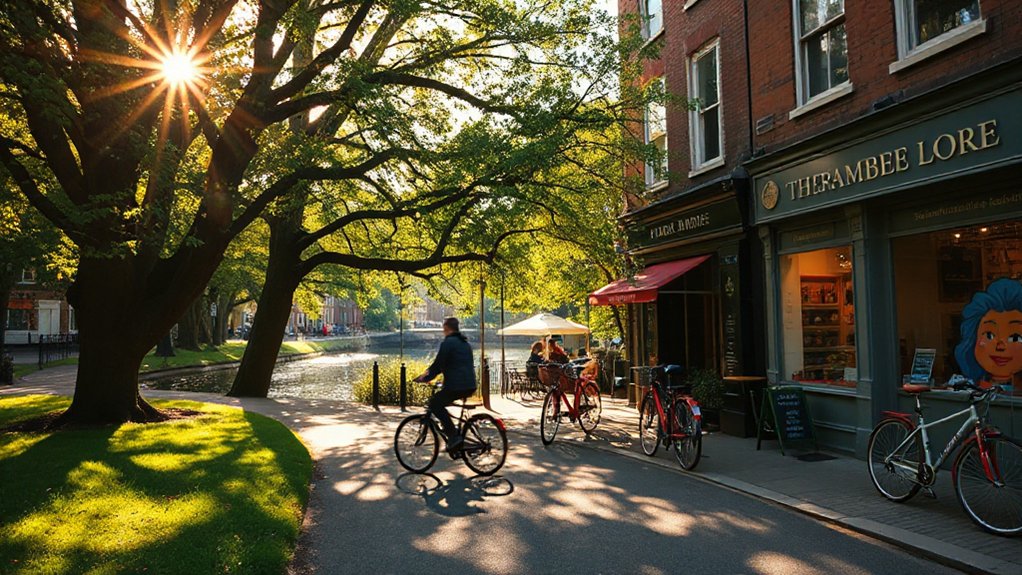
Chorlton feels like a green heartbeat on the city map, where leafy streets invite you to wander, linger, and discover. You’ll notice pocket parks, tree-lined avenues, and community gardens tucked between cafes and thrift shops. It’s a place that rewards slow exploration, with independent stores fronting organic produce and art spaces that stay true to the neighborhood vibe.
You’ll feel the practicality of its design in the way paths connect the riverbank to buzzing High Street, making cycling and walking effortless. Eco friendly initiatives guide everyday choices, from cycling hubs to solar-powered venues, while community engagement keeps events tight and inclusive.
You’ll sense collaboration in projects, volunteer-led festivals, and open forums that turn locals into neighbors, not strangers.
Didsbury: Suburban Calm With Village-Tech Vibes
Didsbury offers a different rhythm: suburban calm with a village feel and a pulse of modern tech tucked into everyday life. You stroll tree-lined streets where independent cafés spill scent and chatter onto the pavement, and you notice a calm that invites lingering.
Village charm anchors the vibe, from green spaces to friendly faces, while quietly humming through the lanes is a tech hub of smart startups and connected services, making errands smoother and meetups easier. You pop into a bakery, grab a pastry, and scan a local app for a last-minute table; it’s all seamless, practical, and human.
For families and professionals alike, Didsbury blends cozy heritage with efficient modern living.
Withington and Fallowfield: Student-Friendly Pockets and Affordability
Withington and Fallowfield feel distinctly student-forward, where affordable rents meet a bustle of campus life and late-night snack runs. You’ll notice pockets of affordable housing near campus corridors, plus leases that fit student budgets without skimping on location.
You move between bright cafés, quick bus hops to the university, and reliable grocery spots that keep you fueled between lectures. This pair of districts acts as student hotspots, offering pick-up spots for group study and casual meetups without demanding premium fees.
You’ll share flats with friends, dodge peak-hour chaos, and still feel connected to a thriving campus rhythm. Practical amenities, short commutes, and a lively, affordable mix—that’s the everyday balance here.
Prestwich, Whitefield, and Heaton Park: Leafy, Affordable Suburbs Near the City
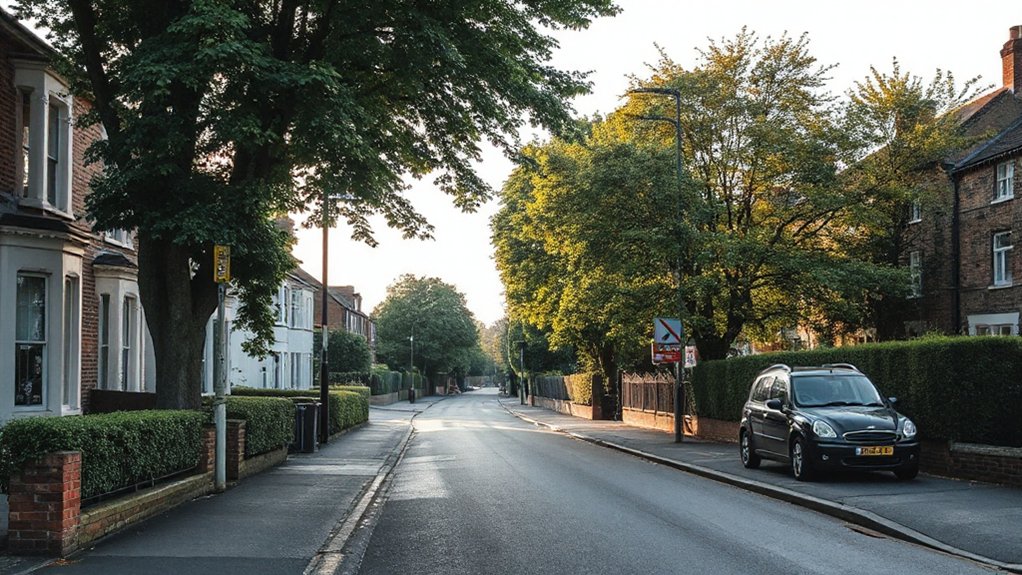
Prestwich, Whitefield, and Heaton Park offer a leafy contrast to the city buzz—green streets, generous parks, and a calmer rhythm just beyond the core. You’ll notice tree-lined avenues, family-friendly cafés, and affordable homes that don’t skimp on space.
On weekends you can stroll to local art galleries, where rotating shows showcase community talent without the city’s pressure. If you want culture without crowds, these suburbs deliver; street festivals pop up with food stalls, music, and neighbors chatting over coffee.
Commuting isn’t a grind here—trains and buses connect you to Manchester in minutes, while three parks invite long, lazy days.
Practical perks abound: reliable schools, hygiene-focused amenities, and a real sense of community you can feel as you wander.
Stockport and Beyond: Commuter-Friendly Outskirts of Manchester
If you’re swapping city bustle for shorter commutes, Stockport and its outskirts offer a practical hub for daily life. You’ll notice how excellent rail links and regular services cut travel time, making weeknights and weekends feel longer.
Start by mapping key towns with fast trains and easy road access to Manchester, then test a few early-mare trains to feel the rhythm.
Commuter-Friendly Towns
Craving a quicker, simpler route into Manchester? You’ll feel the pull as you leave the city’s hum for suburban ease.
In Stockport and beyond, you ride smooth rail lines and leafy lanes that cut minutes from your commute, freeing hours for life, not traffic.
You’ll notice practical perks: reliable trains, well-timed buses, reliable parking at park-and-ride spots.
The towns foster a calm rhythm, with friendly corners to grab a coffee before the day begins.
You’ll uncover local cuisine stalls and family-run pubs that anchor communities, and you’ll tap into cultural festivals that color weekends with music and art.
This is where efficiency meets character, letting you balance work with real, lived experience.
Rail Links and Access
Rail links from Stockport and surrounding towns cut the commute to Manchester down to essentials, letting you trade gridlock for predictable trains and quick hop-on buses. You’ll notice the difference the moment you step onto a station platform: reliable timetables, frequent services, and simple transfer points.
From Stockport, express services whisk you toward Piccadilly or Victoria, while slower regional lines open up towns you’ve driven past for years. Even on quieter days, you’ve got a backup route thanks to well-connected bus corridors and Park & Ride options.
Public transport here isn’t an ordeal; it’s practical, cost-effective, and predictable. For cyclists, the area doubles as a gateway—cycling infrastructure threads through new housing, stations, and town centers, widening your daily options without sacrificing speed.
Family-Focused Criteria in Manchester Neighbourhoods: Transport, Schools, Safety, and Cost
Manchester neighbourhoods for families hinge on four pillars: transport links, school quality, safety, and cost. You’ll notice kid-friendly routes to parks and nurseries, with reliable bus and tram options that cut commute angst.
Good schools matter, so you’ll compare Ofsted ratings, class sizes, and daily pickup logistics, aiming for consistency over flashy labels.
Safety isn’t about empty buzzwords; it’s visible in well-lit streets, active neighbourhood watch, and quick emergency response.
Cost keeps everything honest: housing, utilities, and council tax fit your budget without sacrificing comfort.
In your free time, you’ll savor local cuisine at family-friendly spots and join cultural festivals that stitch communities together.
Practical choices today shape calmer tomorrows for you and your children.
How to Choose Your Manchester Neighbourhood: A Step-by-Step Framework
Choosing a Manchester neighbourhood isn’t about chasing the flashiest postcode; it’s about mapping your daily rhythms to fit your family’s needs. You start with a clear framework: define must-haves, nice-to-haves, and deal-breakers.
Check commute patterns, school zones, and safety instincts, then translate them into a shortlist. Next, weigh housing options by budget, space, and future growth, not just curb appeal.
Test-drive days separate vibes from reality—walk the streets, note noise levels, and observe local rhythms at different times. Consider culture touchpoints, like historical architecture and local festivals, to gauge community ties.
Finally, cross-check long-term plans: future development, greenspace access, and service hubs. With this step-by-step method, you’ll choose a neighbourhood that truly suits your family’s pace.
Insider Tips: Seasonal Events, Hidden Spots, and Buffers for Locals
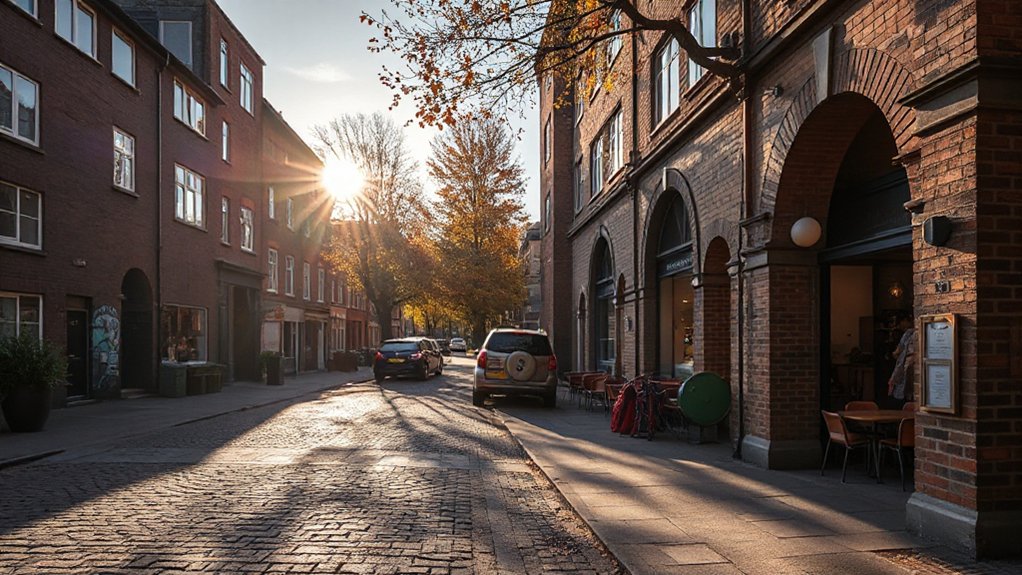
Hidden corners and calendar-rich days are what locals lean on to keep life rolling smoothly. You’ll notice seasonal events peppering weekends, from seasonal markets bustling with indie stalls to late-night gallery openings that feel like a local secret.
When you scout a new area, ask locals where the hidden parks hide shade and a quiet breeze between buses and chatter. Pack a light snack, map a buffer day, and give yourself time to wander—else you’ll miss the small, practical moments that anchor a week.
Buffers aren’t excuses; they’re deliberate space for detours, conversations, and a fresh route home. Use these pockets to reset, recharge, and stay connected to Manchester’s evolving rhythm.
Frequently Asked Questions
How Safe Are Different Manchester Neighborhoods at Night?
Nightlife safety varies by area, so you’ll feel calmer sticking to well-lit, populated streets. Trust your instincts, stay with friends, and know Emergency services availability is quick in central zones, but plan routes and call numbers ahead.
Which Areas Are Best for First-Time Buyers?
If you’re eyeing first-time buys, you’ll love areas with historic architecture and trendy cafes, where prices feel kinder than you fear and you can settle in quickly. You’ll enjoy practical, vivid streets, warm community vibes, and smart investment potential.
What Are Average Transport Times Between Districts?
You’ll find average transport times vary, but you’ll notice reliable public transit options and realistic car commute times. You’ll chart routes, feel the cadence, and plan around peak hours, minimizing delays with quick, practical, experiential adjustments.
Where Are the Most Affordable Family-Friendly Streets?
You’ll find affordable housing in quieter streets near family friendly parks, where sidewalks glow at dusk and playgrounds buzz with neighbors. You explore options, compare schools, and feel confident choosing a place that supports your family’s daily rhythm.
Which Neighborhoods Have Best Value for Rental Yield?
Homes glow like a beacon, and you’ll find best value for rental yield where luxury apartments meet student hotspots. You’ll spot stable demand, steady rents, and smart growth in neighborhoods mixing style with practical appeal.
Conclusion
Manchester’s neighborhoods paint a living map for you: each day, you feel a fresh vibe in a different street, a new café, a kinder park, or a faster tram. trust your gut, test the routes, and note cost, schools, and safety as you go. Your city is a mosaic you shape—a compass, not a cage. Like a well-tuned instrument, it hums when you play along, blending culture, convenience, and community into one seamless melody.