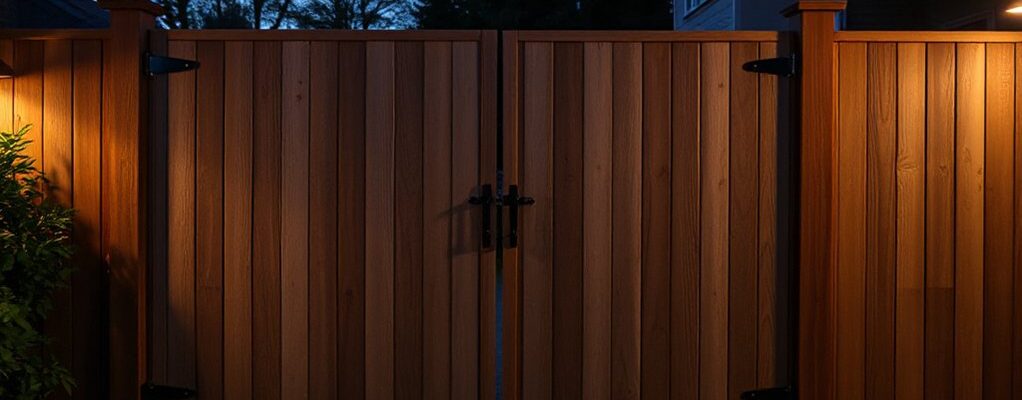
Around 1 in 3 UK homeowners report fencing issues related to weather and security, and that risk rises with poor materials. You’ll want a fence that resists rain, frost, and wind while limiting visibility and access points. Consider durable panels, secure fixings, and compliant height. Weigh eco options and long-term maintenance to avoid costly revisions. Curious how to balance cost, durability, and privacy without compromising safety? Keep reading for a practical framework you can apply now.
UK Fence Privacy: Standards and Why They Matter
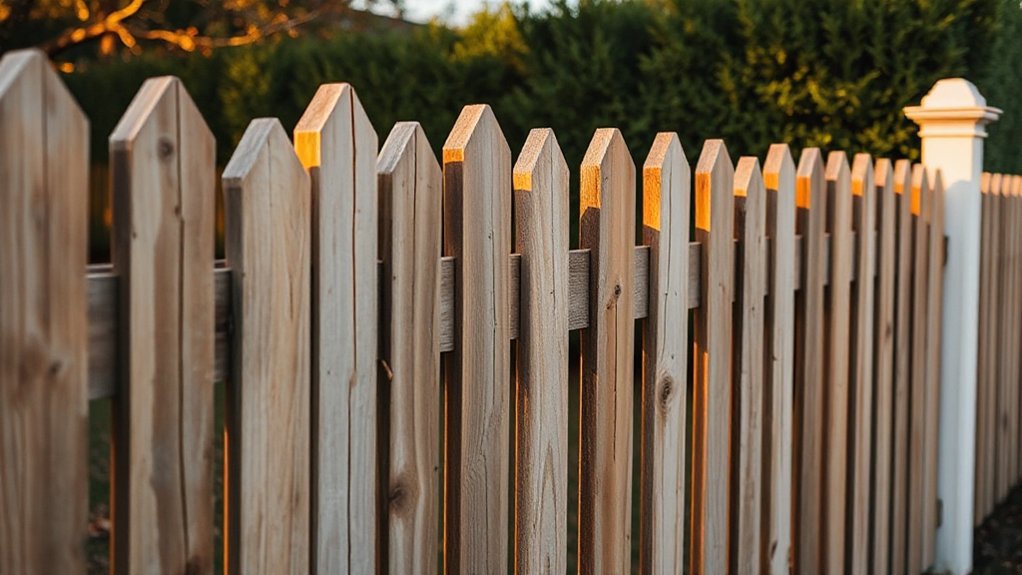
Standards govern how UK fence privacy is achieved, and they matter because consistent guidelines guarantee effective deterrence, reliable performance, and legal compliance. You follow them to set predictable expectations for neighbors, inspectors, and insurers. You’ll align design choices with established best practices, ensuring you’re not compromising on safety or access control. When you consider garden aesthetics, you’ll balance visual appeal with privacy needs, avoiding gaps that invite scrutiny or intrusion. You’ll also plan boundary marking with precision, so property lines are clear and disputes are minimized. By adhering to standards, you guarantee durable performance, repeatable results, and compliant maintenance practices. This disciplined approach reduces risk, preserves privacy, and supports long-term value for your fence investment.
Materials for UK Weather: Durability, Cost, and Security
Choosing materials suitable for UK weather hinges on durability, cost, and security: start with weather resistance—rain, wind, frost, and humidity—and select a core with proven longevity, then weigh upfront and lifecycle costs to avoid expensive upkeep, and finally prioritize security features such as solid panels, restricted access points, and robust fixings to deter tampering. You evaluate corrosion resistance, UV stability, and structural integrity under seasonal stresses, aligning core material with your climate and maintenance capacity. Plan for long-term performance by pairing durable shells with secure hardware and anti-tamper fasteners. Consider fence gate options that minimize maintenance and maximize access control, and use decorative fence toppers to deter climbing without compromising security. This proactive approach keeps costs predictable while protecting privacy and assets.
Noise-Reducing Fence Designs: Slatted, Panel, Solid
Honing privacy and security in UK settings calls for sound choices about fence design that also curb noise. You’ll compare noise-reducing options by structure: slatted, panel, and solid, selecting materials that dampen sound without sacrificing style. Slatted designs let air through while staggering gaps confuse sound paths, especially when paired with dense inner cores. Panel fences concentrate mass for broad attenuation, using layered materials and tight seams. Solid builds maximize isolation, ideal for high-noise boundaries, and can integrate decorative lattice to soften appearance. Eco friendly options leverage recycled or responsibly sourced boards, and may include mineral wool cores for extra damping. Deco details remain optional but effective; decorative lattice adds variety without undermining noise control.
- Slatted, panel, and solid designs each balance sound reduction with visual impact
- Choose dense cores and tight joins to minimize sound leaks
- Eco friendly options keep noise strategies sustainable
- Decorative lattice enhances appearance while preserving performance
Price, Durability, and UK Compliance: Side-by-Side
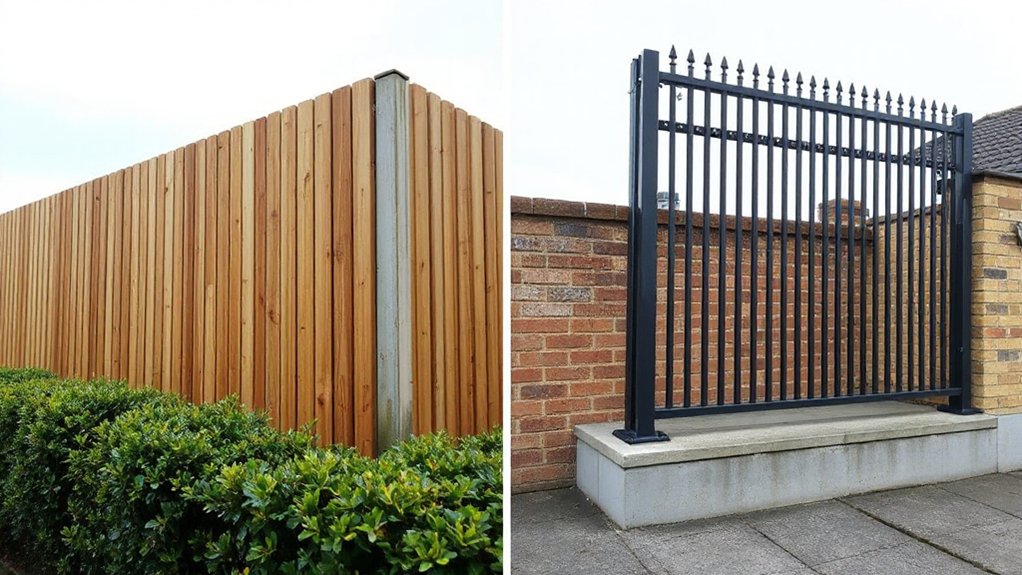
Price, durability, and UK compliance must be weighed side-by-side to make a smart fencing choice. You assess upfront costs, maintenance needs, and legal standards without guesswork. Durability matters: choose materials that resist weather, impact, and corrosion; this minimizes long-term expenses and future replacements. UK compliance informs height restrictions, permitted materials, and safety codes, reducing the risk of fines or reruns. Compare warranties, supplier support, and installation timelines to avoid delays and budget creep. Consider fencing aesthetics alongside eco friendly fencing to ensure curb appeal without compromising environmental goals. In practical terms, favor proven, compliant options with low lifecycle costs and robust performance. A strategic choice balances price, resilience, and policy alignment, securing privacy, security, and peace of mind now and later.
Installing and Maintaining Fences in UK Homes
Installing a fence in a UK home starts with a precise plan: confirm boundary lines, secure necessary permissions, and pick a compliant, fit-for-purpose system. You’ll map layout, check utilities, and select materials that balance security with aesthetic continuity. Regular maintenance prevents failures that compromise privacy or safety, so schedule inspections, clean posts, and treat timber against weather. Choose fencing that minimizes wildlife intrusion while supporting garden design. Monitor for gaps, corrosion, and wind damage, repairing promptly to preserve stability and appearance. Consider future needs, like gate alignment and hinge wear, to avoid costly rework. Align installation with local regulations and neighbor expectations to prevent disputes.
- Plan boundary accuracy and permits
- Choose durable, low-maintenance materials
- Integrate gardening aesthetics and wildlife protection
- Schedule proactive upkeep and upgrades
Frequently Asked Questions
How Do Privacy Fences Affect Property Resale Value in the UK?
Privacy fences can boost resale value if well-built and compliant, but they may trigger neighbour disputes. Focus on garden aesthetics, durability, and clear boundaries to prevent issues; you’ll preserve value and minimize costly negotiations.
Which Fence Types Are Best for Coastal UK Locations?
You should choose fencing with high coastal wind resistance and salt corrosion resistance, since these types endure salty spray and gusty winds. Opt for treated timber or composite panels, reinforced posts, and corrosion-resistant rails for lasting coastal protection.
Can Fencing Choices Influence Home Insurance Premiums?
“An ounce of prevention is worth a pound of cure.” You can lower insurance risk by choosing durable fence material and planned installation costs, ensuring robust setback, proper maintenance, and compliance, because safer perimeter practices influence premiums more than aesthetics.
Do Permits or Zoning Affect Privacy Fence Installation in Scotland?
You’ll need to check zoning restrictions and permit requirements before installing a privacy fence in Scotland; failing to comply risks fines and delays. Verify local authority rules, apply early, and document measurements to prevent project interruptions and disputes.
How Long Do Privacy Fences Typically Last in UK Climate?
Fences typically last 10–20 years in UK climate, depending on material and maintenance. You should prioritize fence maintenance, inspect for rot or corrosion, and choose durable materials. Material durability guides preventive upgrades to extend longevity and performance.
Conclusion
In the UK, privacy and security hinge on durable materials, strict standards, and solid maintenance. You’ll save money long-term with treated timber, vinyl, or composites that withstand rain, frost, and wind, while secure fixings and restricted access curb intrusions. Choose noise-conscious designs for serenity without compromising privacy. Remember: a stitch in time saves nine. Regular inspections, timely repairs, and eco-friendly options keep your boundary robust, compliant, and peaceful for years to come.