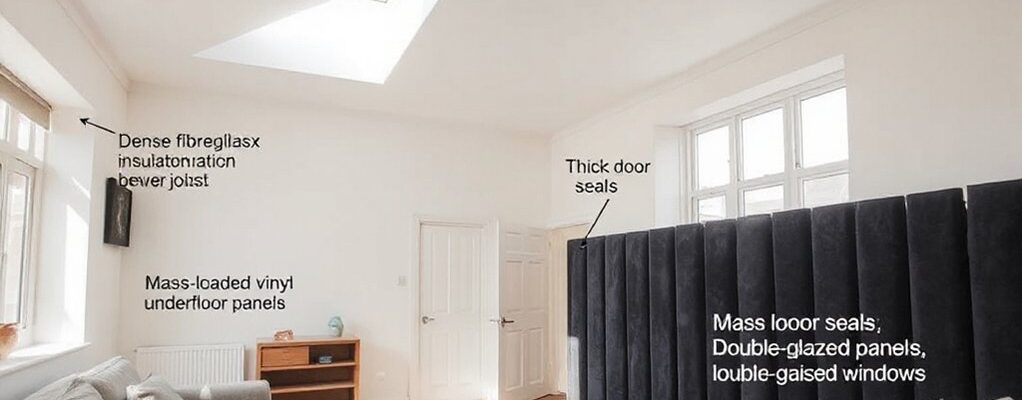
You want a clear path to quieter living in a UK semi-detached home, grounded in proven methods like decoupling, mass, and airtight detailing. Start by mapping your key noise paths—doors, windows, walls, and shared ceilings—and then target high-impact fixes first. There’s a practical balance between cost and performance, plus regulatory considerations to respect. If you’re ready to evaluate options that actually reduce sound transfer and stay compliant, you’ll find the next steps essential.
Start Here: Diagnosing Noise in Your Semi-Detached UK Home
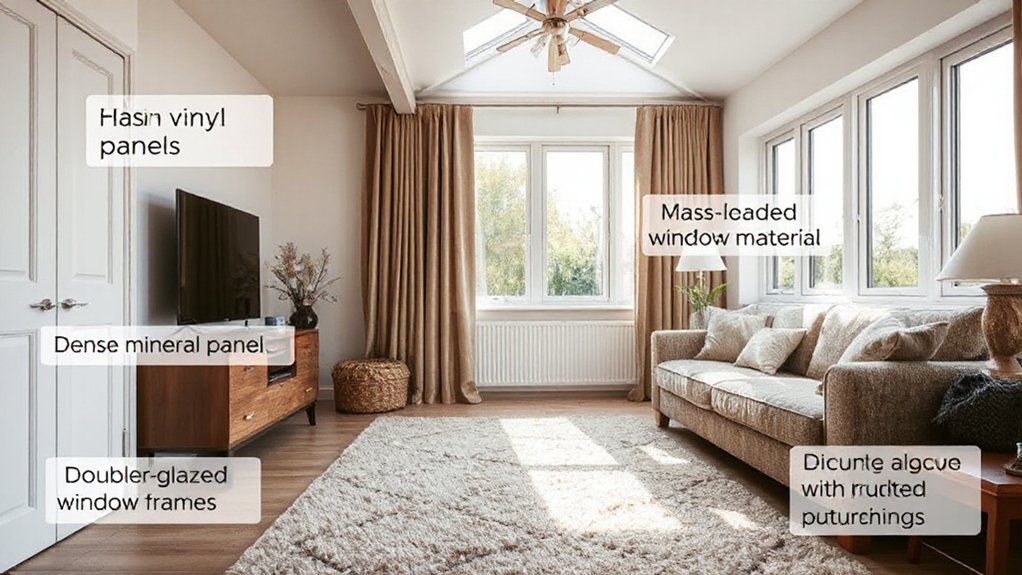
Diagnosing noise in a semi-detached UK home starts with a clear, objective assessment of how sound travels and where it leaks. You systematically map transmission paths: airborne, structure-borne, and flanking via shared walls. Begin with a calibrated measurement plan, recording baseline noise levels at multiple times and rooms, then compare against external sources and internal activities. Identify dominant frequencies and attenuation gaps to target interventions precisely. Evaluate exterior factors, such as spacing, facade assemblies, and exterior insulation performance, which influence facade transmission. Consider acoustic barriers within the party wall assembly, detailing their placement, material properties, and expected reductions. Document findings with labeled diagrams, note practical constraints, and prioritize remedies by measured benefit, cost, and constructability to guide effective, evidence-based improvements.
Quick Wins to Cut Noise Now: Doors, Windows, and Seals
Even before major renovations, you can curb noise with targeted adjustments to doors, windows, and seals that deliver measurable gains quickly. You’ll assess door gaps, frame alignment, and threshold sealing, then install brush or compression seals where gaps exceed 3–4 mm. For windows, upgrade to double glazing with laminated panes or add draft-proofing strips and weather seals around sashes to reduce flutter and air leakage. Seal all interior joints around door frames and cavity walls to prevent flanking transmission. Use solid-core doors where feasible, and ensure proper hardware alignment to avoid rattling. These quick wins support interior decor while reducing sound leakage, creating immediate improvements in room clarity. They complement Acoustic treatments and set a precise baseline for further refinements.
Core Soundproofing Principles: Decoupling, Mass, and Layering
Decoupling, mass, and layering are the three core levers of effective soundproofing, and they work together to reduce transmission paths through a semi‑detached wall.
- Decoupling reduces structural coupling between surfaces, lowering flanking noise and improving vibration isolation.
- Mass adds inertia, reflecting sound energy and lowering airborne transmission across assemblies.
- Layering inserts impedance mismatches, creating multiple barriers that absorb and damp sound more effectively.
- Integration of acoustic treatments with robust detailing yields measurable improvements in transmitted sound levels.
Applied as a system, these principles guide you toward practical soundproofing techniques that balance performance, buildability, and cost. You’ll achieve better room acoustics and quieter dwellings without compromising structural integrity or ventilation.
How to Choose Materials and Meet UK Regulations Without Overspending
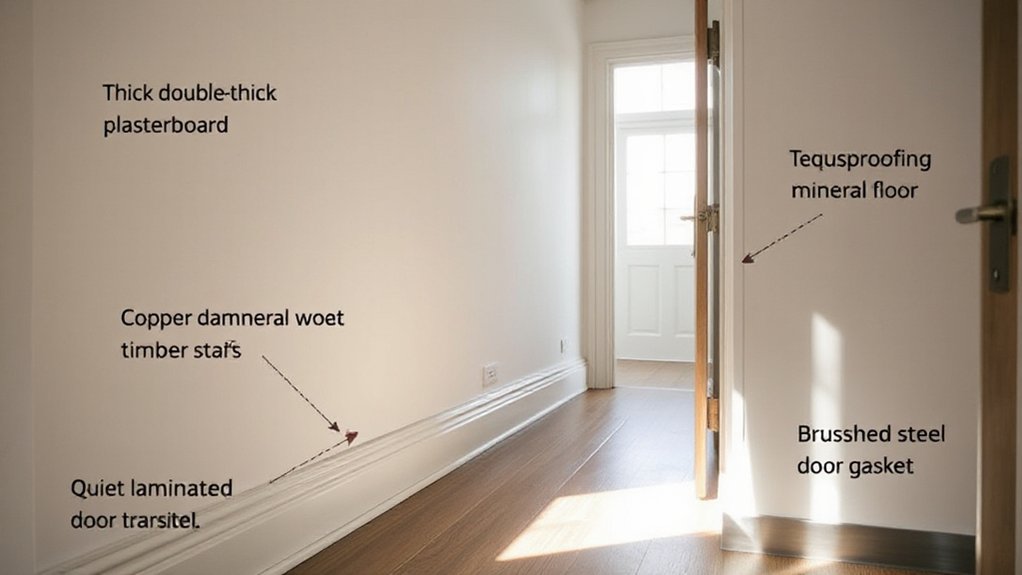
To choose materials effectively and stay compliant in the UK, start with a clear budget and performance targets, then match products to those goals using certified acoustic ratings (like Rw, Ln) and building regulations guidance. You’ll evaluate mass, damping, and decoupling options against statutory limits for party walls and ceilings, prioritising proven performance over hype. Use third‑party tested Acoustic insulation products with documented performance curves and installation instructions, ensuring compatibility with existing structures. Compare cost per decibel gained and factor long‑term durability, maintenance, and warranty. Consider practical constraints, lead times, and availability of soundproofing gadgets that deliver measurable gains without over‑specification. Document decisions, gather compliance evidence, and align with permitted materials lists to avoid waste and unnecessary spend.
Room-by-Room Priorities for Living, Sleeping, and Working Spaces
When planning room-by-room soundproofing, start with the spaces you use most: living areas for social activity, bedrooms for rest, and home offices or study zones for work. Prioritise interventions that yield measurable improvements in everyday comfort and compliance with UK guidance, then apply targeted improvements to secondary spaces. Focus on reducing airborne and impact sound transfer, using evidence-based strategies supported by appraisal data and practical testing.
- Living areas: install decoupled partitions, and apply decorative wall coverings that dampen sound reflection without sacrificing aesthetics.
- Bedrooms: seal door gaps, add acoustic seals, and employ bedding and wall treatments proven to lower low-frequency transmission.
- Home offices: isolate equipment noise with enclosure caddies and scene-specific decoupling methods.
- Exterior-facing walls: integrate outdoor noise barriers alongside interior upgrades for balanced, durable performance.
Frequently Asked Questions
How Do Party Wall Agreements Affect Soundproofing Costs?
Party wall agreements can raise costs due to surveys and legal notices; consider legal considerations early, then budget for professional fees, possible party-wall awards, and shared installation work, which may indirectly affect material choices and overall efficiency.
What Noise Metrics Should I Insist on for Compliance?
You should insist on objective noise metrics like RT60 and Impact Insulation Class (IIC), ensuring Acoustic barriers deliver measurable Noise reduction. Prioritize field-tested data, reproducible results, and compliance with building regs for reliable, client-focused outcomes.
Can Insulation Choices Affect Fire Safety Ratings?
Fire safety hinges on your insulation materials; yes, insulation choices can affect ratings, so select fire-tested products and document certs, then monitor performance. You’ll optimize energy efficiency, safety, and compliance with rigorous, evidence-based, client-focused data.
Are There UK Grants or Subsidies for Soundproofing?
There aren’t universal UK grants specifically for soundproofing, but you can pursue energy efficiency subsidies and retrofit schemes. You’ll benefit from Eco friendly materials, DIY installation options, and evidence-based assessments to optimize cost and performance.
How Long Do Soundproofing Fixes Typically Last?
Across typical fixes, you’ll see durability around 15–30 years depending on material. You’ll want robust installation techniques, and expect more life from solid composites. Material durability informs maintenance; choose proven methods for long-lasting sound reduction.
Conclusion
Coordinating your improvements with real-world triggers, you’ll notice noise tracks change just as you expect—when you seal a door, a neighbor’s step lands quieter; when you install dense glazing, outside traffic suddenly fades at the same moment you hear your kettle start boiling. This coincidence—better seals match better comfort—drives practical, evidence-based choices. Stay focused on high-traffic rooms, verify compliance, and layer decoupling, mass, and sealing. The result: measurable reductions without overspending.