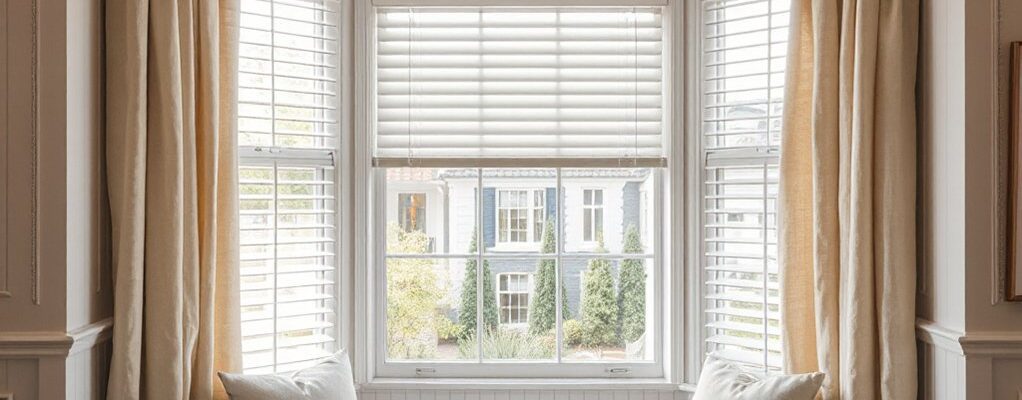
You’ve probably seen bay windows as grand stage windows, quietly shaping how you dress them. You’ll want curtains and blinds that follow those angles without looking fussy or sloppy. Get practical about fit, light, and warmth, yet aim for fabric depth and subtle patterns that linger with elegance. There’s more to align than looks—hardware, motorization, and precise measurements all play a part, and the path to a clean, cohesive finish starts where you decide to begin.
Why Bay Windows Demand Tailored Curtains and Blinds
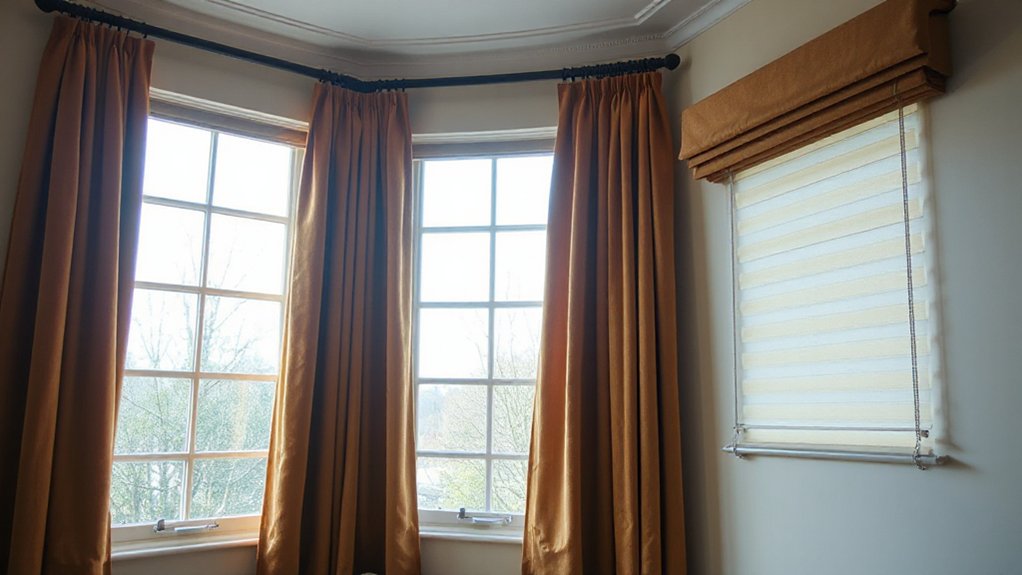
Bay windows are front-and-center architectural features, and their unique shape demands more than standard curtains or blinds. You feel the curve draw light differently, creating glints and shadows that can either elevate or overwhelm a room. Tailored window treatments fit the bay’s angles, ensuring clean hems, precise runs, and effortless operation. Off-the-shelf options often misalign, leaving gaps that ruin sightlines and insulation. With bespoke curtains or motorized blinds, you gain consistent fabric fall, controlled glare, and seamless top treatments that respect the bay’s architecture. The result is practical comfort paired with aesthetic appeal, where fabric weight, closure style, and color direction harmonize with existing decor. In short, tailored solutions optimize light, privacy, and style without sacrificing performance.
Measure Your UK Bay Window: a Step-By-Step Plan
To measure your UK bay window accurately, start with a clear plan and the right tools: a steel tape, a ladder or step stool, a pencil, notepad, and a laser measure if you have one. Begin with the outer frame width, noting any varying segments across the bay. Measure from edge to edge at the top, middle, and bottom, recording the smallest and largest each time. Next, assess the window depth and sill height, including any decorative trim. For each pane, record glass height and width, then total window height from sill to header. Don’t forget bay angles—determine corner radii or acute angles that affect mounting. Use these measurements for Custom window treatments that respect historical architecture, ensuring precise fit and elegant proportion.
Priorities First: Balance Light, Privacy, and Insulation
Balancing light, privacy, and insulation starts with a clear set of priorities and a practical plan. You’ll assess how much daylight you want, then determine where you need daytime privacy or draft protection. Start with a simple rule: light control first, insulation second, privacy last, adjusting as needed by room function. Choose window treatments that offer adjustable light—think layered options like sheer plus blackout cores or motorized shutters for precise timing. Consider color coordination to keep the bay visually cohesive while changing mood with time of day. Use decorative accessories—cords, trims, and finials—as subtle focal points that reinforce your scheme without overwhelming windows. Keep energy-minded decisions compatible with your insulation goals, avoiding bulky fabrics that trap heat or cold.
Fabrics, Patterns, and Hardware That Suit Bay Architecture
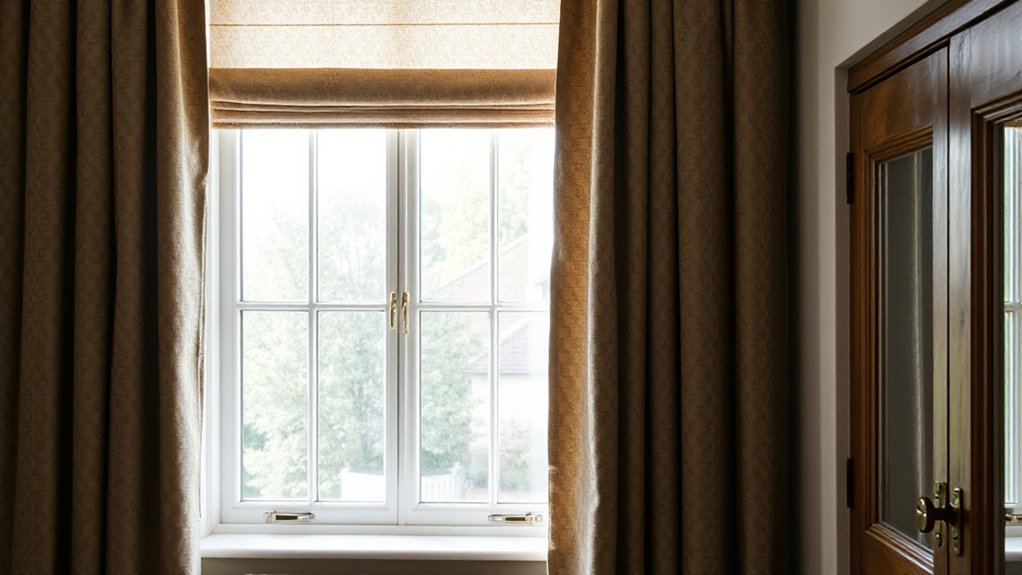
When you choose fabrics, patterns, and hardware for bay windows, you’re shaping the room’s flow and feel as much as the view itself. Opt for fabrics with substance—textured weaves and natural fibers add depth without overpowering the silhouette. Fabric textures like linen, cotton, or brushed tweed read warmly in bay alcoves and respond well to daylight shifts. For pattern styles, keep scale aligned with window outlets: smaller repeats for tight bays, larger motifs for expansive panoramas, always balanced with solid neighbors to avoid busy clashes. Hardware should be streamlined and sturdy; pick curtain rods and trackers that follow the bay’s angles, minimizing bulk. Choose neutral bases with a subtle sheen to reflect light, then layer with textiles that echo architectural lines for cohesive, refined elegance.
Motorized or Manual: Options, Costs, and Install Tips
Motorized blinds offer effortless control across bay windows, but manual systems can be surprisingly capable and budget-friendly if you value hands-on adjustment. You’ll weigh convenience against upfront cost, durability, and quiet operation, especially for hard-to-reach bay shelves. For mobility and automation, smart technology integration lets you schedule sunrise and sunset scenes, pair with voice assistants, and create blackout presets without a single manual pull. If you prefer a DIY route, manual roller or roman shades are simpler to install and service, with straightforward bracket placement and cord locks. Do a careful Cost comparison: factor motorized track prices, motor motors, and potential electrician fees against fabric longevity and warranty. Install tips: measure precisely, mount at a proportional height, and test movement through full arc for smooth travel.
Frequently Asked Questions
Do Bay Windows Affect Acoustics and Interior Noise Levels?
Bay windows can alter acoustics, but you can manage noise effectively. You’ll want soundproofing options like heavy curtains and acoustic treatment panels, plus sealed edges. Use rugs and soft furnishings to absorb echoes while keeping a stylish vibe.
Which Curtain Styles Maximize Light Without Glare?
Yes—sheer fabrics maximize light with minimal glare. Choose light fabrics, airy textures, and pale curtain color options. Layer with a soft, translucent option over sturdy drapes; consider fabric textures for depth, while keeping colors bright for glare control.
How Do Bay Window Orientations Influence Fabric Choices?
Bay window orientations guide your fabric durability and color coordination, so you pick sturdy, fade-resistant materials for sunlit angles and lighter, cooler tones where shade dominates, ensuring cohesive schemes while resisting sun damage and wear.
Can Skylights Complicate Curtain Rod Mounting on Bays?
Skylights complicate curtain rod mounting, and yes, they demand extra planning. You’ll reinforce wall studs, brace with ceiling-supported brackets, and guarantee skylight installation leaves clearance. You’ll secure curtain rod support while preserving light and airflow brilliance.
Are There UK Allergen Considerations With Fabrics?
Yes, there are UK allergen considerations: pick fabric with allergy-friendly materials and durable fabric. You’ll want fabric durability, allergen-friendly materials, and practical care. Choose tightly woven, washable options you can keep stylish while reducing dust and triggers.
Conclusion
You’ve got this: with tailored curtains or blinds that hug every angle, your bay window becomes a design feature, not a dilemma. Measure carefully, choose fabrics with substance, and let subtle patterns echo the architecture. Balance light, privacy, and insulation to suit your daily rhythms, then pick motorized or manual, knowing good hardware follows the bay’s curves. Rhythm comes from smart, practical choices—function and style in harmony, so your space feels timeless, bright, and beautifully you.