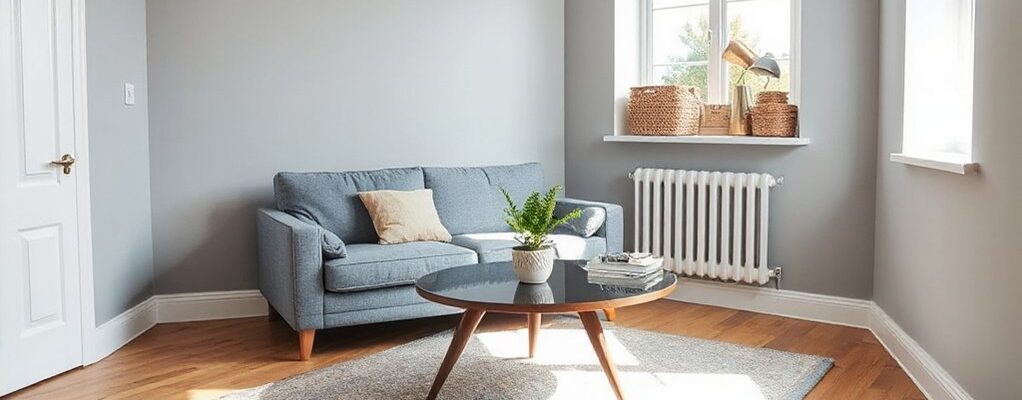
First-time buyers in the UK can create a cohesive, stylish home on a sensible budget by prioritising versatile basics, smart furniture placement, and affordable statement pieces that anchor each room. Start with a clear room-by-room plan, lean on your existing palette, and fold in vintage finds or secondhand treasures for character. Curious about the exact mix—how to balance form and function while keeping sightlines and light in mind—to open a space you’ll actually live in?
Start With a Room-By-Room Plan
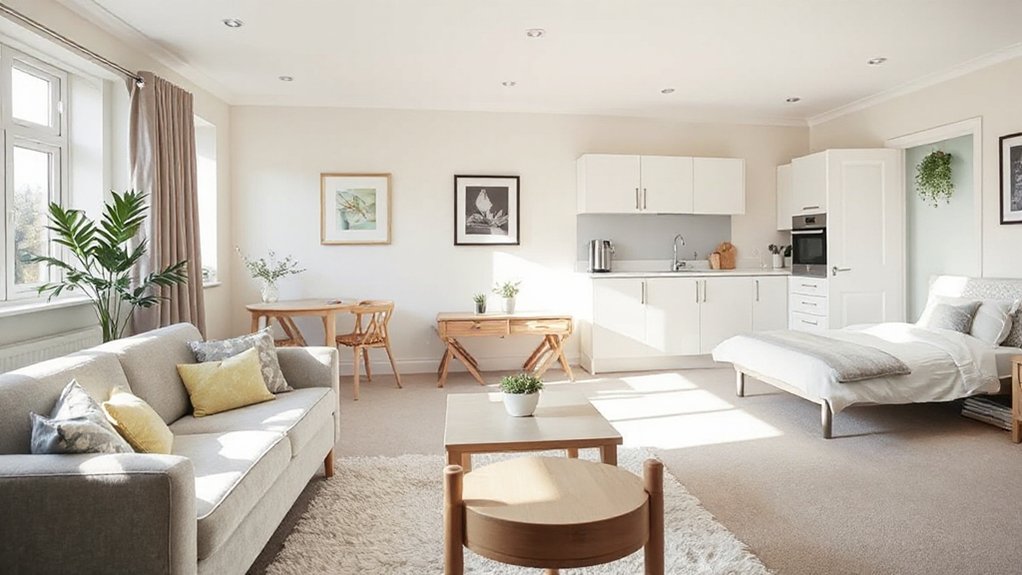
Starting with a room-by-room plan keeps your decorating goals clear and manageable: map out which rooms you’ll tackle first, which needs are non-negotiable, and how much you’re willing to spend in each space. You’ll gain momentum by prioritizing function: living rooms for social flow, bedrooms for rest, kitchens for efficiency. Consider furniture arrangement from day one—test sightlines, traffic patterns, and focal points so you don’t waste space later. Pair this with lighting enhancements that shape mood and practicality: dimmers for ambiance, layered sources for tasks, and a ceiling plan that keeps rooms feeling airy. Keep a compact budget, measure precisely, and update as you test layouts. With this method, you’ll navigate UK layouts confidently and avoid costly missteps.
Choose Colour Palettes for British Light
Color choices should harmonize with British light, not fight it. You’re selecting colour palettes that glow in every season, so plan around how daylight shifts through every room. Begin with neutrals anchored to undertones that flatter your walls and ceilings, then layer with accent hues that respond to lighting ambiance as afternoon haze gives way to evening warmth. Think cool whites for brightness, soft taupes for calm, and gentle greens or blues to evoke outdoors. In family spaces, you’ll favor resilient, low-sheen finishes that reflect rather than absorb, boosting perceived space. Consider colour psychology: warmer tones can cozy a kitchen, cooler shades can calm bedrooms. Test swatches at different hours, and let your palette evolve with daily light rather than against it.
Budget-Friendly Upgrades That Deliver Real Impact
If you’re after a noticeable upgrade without blowing the budget, start with the basics: swap in fresh hardware, update lighting, and refresh textiles for a quick, high-impact refresh. You’ll see tangible results fast, so set a prioritized list and tackle one room at a time. Choose DIY decor ideas that use simple techniques—painted fixtures, peel-and-stick wallpaper, or refurbished furniture—to create focal points without hefty costs. Opt for eco friendly materials where possible: bamboo shelves, cork underlayment, or recycled glass mirrors to elevate texture and depth. Keep your palette cohesive, selecting finishes that tie hardware, textiles, and lighting together. Finally, trim clutter with smart storage to maintain a polished look as you test new styles.
Make Small Spaces Feel Bigger and Brighter
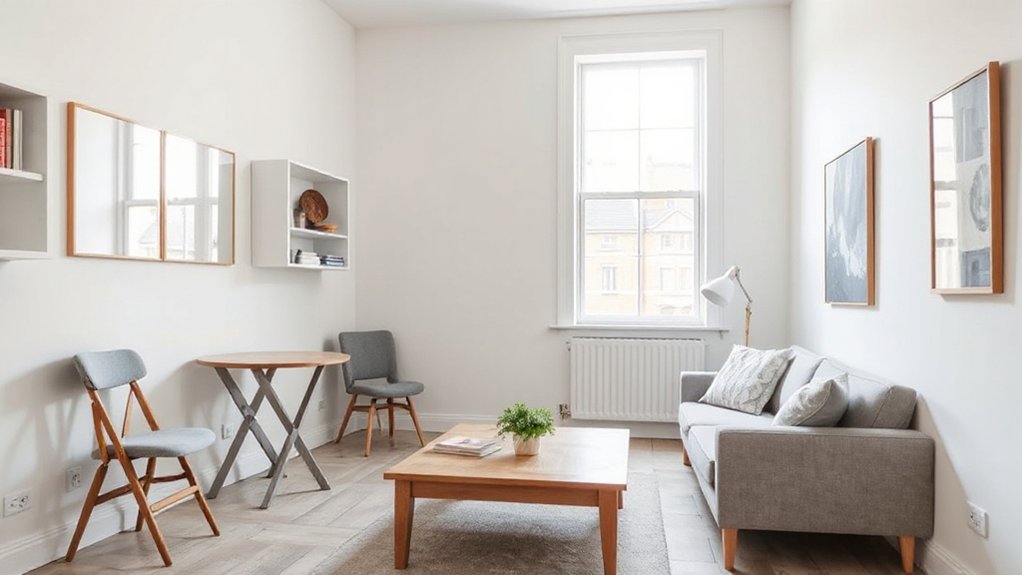
Small spaces can feel airy and open with a few targeted moves. You’ll lean into light, reflective surfaces and strategic scale to maximize every inch. Begin with mirror placement opposite windows to double daylight and visually extend walls without adding bulk. Choose frameless or slim-framed mirrors for a seamless bounce that doesn’t overpower the room. For textiles, opt for window treatments that let in natural light—sheer panels or light Roman blinds in neutral tones keep sightlines clear and ceilings high. Declutter surfaces, choose compact furniture, and use vertical storage to reclaim floor space. Colour-wise, stick to cool neutrals with occasional pale accents to enhance brightness. Finally, install well-placed lighting along corners and alcoves to mimic daylight after dark.
Layer Textures on a Shoestring
Layer textures without blowing the budget by mixing affordable throws, cushions, and rugs that echo your space’s palette. You’ll achieve depth by alternating textiles with varying weights and finishes, so your rooms feel crafted, not cluttered. Practice textural layering by pairing soft knits with crisp cottons and a woolen rug against smooth laminate or timber floors. Keep color cohesive across items, using one or two dominant hues and a few accent tones to unify the look. Fabric mixing matters more than money here: invest in a standout piece, then build around it with affordable, high-stinish substitutes. Opt for different weave patterns to add subtle interest, and don’t over-stuff—negative space lets textures breathe. Your rooms will read curated, affordable, and timeless.
Energy Tweaks for a Warmer, More Efficient UK Home
Smart energy tweaks can make your UK home cozier and cheaper to run, fast. You’ll feel the difference when you seal drafts first, because small gains compound. Install solar panels to shave daytime costs and hedge against rising bills, pairing them with batteries if possible for nighttime use. Prioritize airtight doors and loft insulation; upgrade glazing where feasible, focusing on UPVC or double-glazed options. Smart thermostats put comfort on a schedule, learning your rhythms and trimming heat when you’re out. Zone heating lets you warm only lived-in spaces, avoiding waste. Combine these moves with radiator reflectors and efficient LED lighting to reduce consumption without sacrificing ambience. Stay tuned for practical décor tweaks that complement energy upgrades.
Make the Most of Existing Features and Architecture
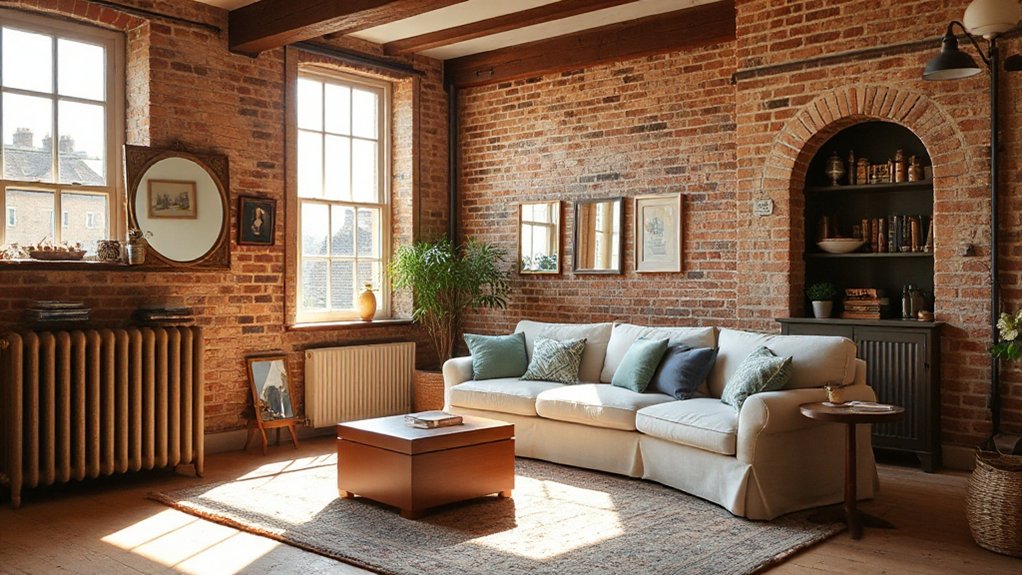
You’ve got a home with stories to tell, so preserve the original details that give it character. Highlight structural features like beams or archways, letting them speak in the room rather than shouting for attention. Harmonize with the proportions you already have, creating a cohesive, stylish flow that feels both timeless and on-trend.
Preserve Original Details
Preserving original details isn’t nostalgia for its own sake; it’s smart, design-forward thinking that adds character and value. You’ll notice plasterwork, cornices, or period doors telling a room’s story, so treat them as features to highlight, not cover up. Clean the surface, repair where needed, and keep intact where feasible. Choose finishes that respect era-specific textures, then pair with modern lighting to balance old and new. When updating floors, refinish instead of replacing, preserving nail patterns or chevron motifs. Use vintage accents sparingly to create focal points, and let them mingle with clean lines and contemporary textiles. Source eco friendly materials for new elements, ensuring sustainability without compromising charm. The result: a cohesive space that feels true to its origin yet irresistibly current.
Highlight Structural Features
Glimpse the room’s backbone first: expose and celebrate its architectural features, from chunky cornices to soaring ceilings. You’ll maximize value by locating structural integrity cues before any change, then plan around them with intention. Identify load bearing elements early; these define safe, stylish options and prevent costly mistakes. Celebrate brickwork, beams, and sash windows as character anchors, not obstacles. When you repaint, honor original textures instead of masking them with heavy plaster. Choose furniture layouts that respect the room’s rhythm, allowing airflow and light to breathe through trims and archways. Embrace period hardware, but strip only where advised by preservation guidance. You’ll preserve Meyer-like charm while upgrading for modern living, balancing authenticity with function. Structural features become design milestones, guiding durable, elegant decisions.
Harmonize With Proportions
When you harmonize with proportions, you let the space tell the story: scale, rhythm, and eye lines align with existing features to feel intentional rather than forced. You’ll tailor furnishings to the room’s proportion, avoiding overpowering ceilings or cramped corners. Focus on proportion balance by matching chair and table heights to sofas, preserving comfortable sightlines from key architectural anchors like fireplaces or archways. Emphasize scale harmony by grouping pieces in thoughtful clusters, not random assortments, so flow remains effortless. Use built-in features as cues—narrow hallways want slim consoles; wide living rooms welcome layered seating. Keep gaps generous around doors and windows to preserve sightlines. Subtle repeats of color, texture, and material reinforce cohesion while highlighting characterful architectural details.
Shop Smart: Affordable Statement Pieces and Where to Find Them
Looking to make a big impact without overspending? You can elevate your first home with smart, affordable statement pieces that translate style without breaking the bank. Seek items that anchor rooms—think bold lighting, sculptural shelves, or a standout mirror—and balance them with simple essentials. Prioritize quality over volume and look for versatile pieces you can rehome across spaces. When possible, choose finishes and neutrals that pair well with your existing palette, then swap textures for personality. Vintage finds add character, while DIY decor expands your options without a hefty price tag. Here are four accessible ideas:
- Scout charity shops and online marketplaces for vintage lamps
- Refresh a secondhand coffee table with paint or veneer
- Create a gallery wall using affordable frames
- Personalize with simple, handmade accessories
Frequently Asked Questions
How Much Should I Budget for Initial Decorating in the UK Market?
You should budget roughly £2,000–£5,000 for initial decorating in the UK, depending on size. Prioritize interior color choices and lighting options, swap affordable fixtures, and section expenses to paint, flooring, and refreshment of key rooms.
Which Uk-Specific Permits Apply to Simple Home Improvements?
Planning permissions aren’t needed for simple DIY if you stay within permitted development limits, but you must follow Building regulations. You’re guided, Save time, avoid fines, and guarantee safe, stylish upgrades that barely cause a ripple.
How Can I Maximize Space Without Major Renovations?
Maximize space by smart furniture and multi-use zones, you’ll love. Choose color schemes that open rooms, add mirrors for depth, and hang wall decorations strategically. Keep clutter hidden, and rotate accents to stay trend-conscious and fresh.
What Are Cost-Effective Uk-Approved Storage Solutions?
Did you know: UK households waste up to 4.5% of storage space yearly? You can cut costs with cost-effective, UK-approved options: DIY hacks, eco friendly materials, modular shelves, multi-purpose ottomans, and space-saving wardrobe organizers.
Which Retailers Offer Reliable Delivery for Furniture in the UK?
You’ll find furniture stores with strong delivery reliability, so you can plan confident setups. Look for retailers offering tracked windows, clear SLAs, and ≤ weekly nationwide options—your space arrives on time, exactly as promised, with minimal hassle.
Conclusion
Ready to transform your first UK home without blowing the budget? Start with a clear room-by-room plan, lean on your chosen colour palette, and layer textures for depth. Choose affordable statement pieces that punch up personality, like bold lighting or sculptural shelves, and let vintage finds anchor spaces. Don’t forget small tweaks—DIY touches, secondhand treasures, and energy upgrades—that boost comfort and efficiency. So, are you ready to decorate with intention and a little fearless style? Your dream home awaits.