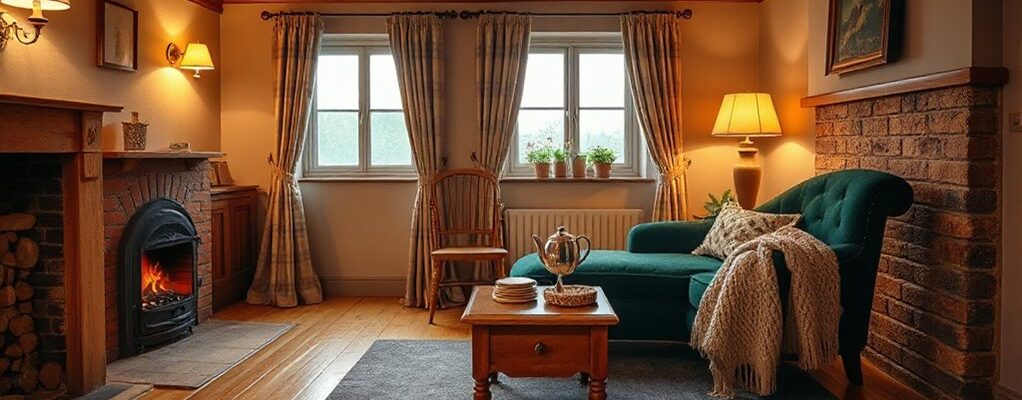
You seek calm, you shape textures, you curate zones for ease. You combine velvet cushions, linen throws, and wool rugs in oatmeal, moss, and soot to invite touch and warmth. You balance light and heat with dimmable lamps and a controlled fireplace, drafting a layout that fosters intimate seating and easy movement. You’ll want practical storage and subtle vintage accents to maintain order, plus rituals like tea or scented candles to seal the mood—but something else might just elevate the retreat further.
Define Your Relaxation Goals for a UK Snug
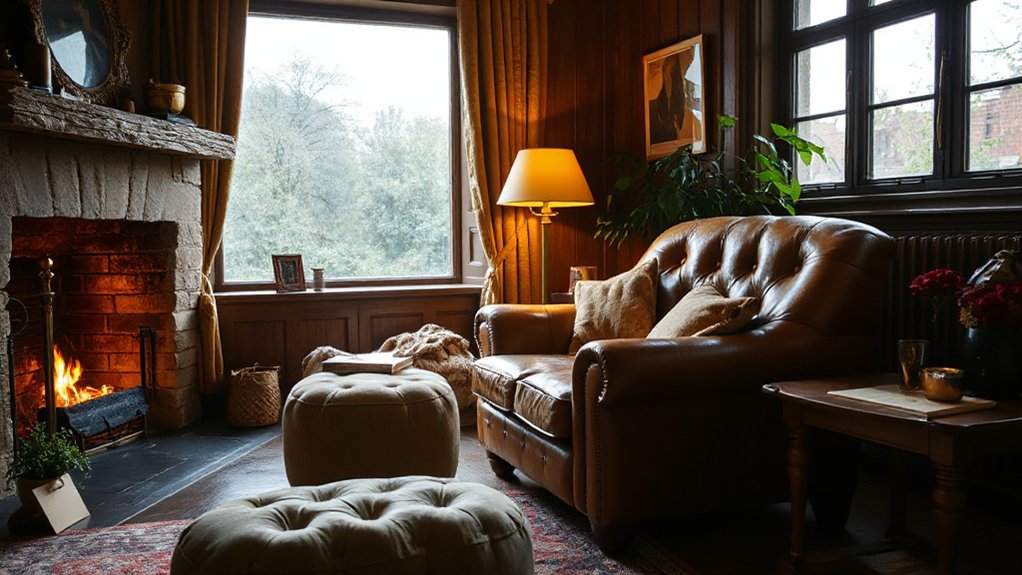
Knowing exactly what you want from a UK snug sets the foundation for every design choice. You start by outlining your relaxation goals: what activities will define calm—reading, sipping tea, quiet focus, or a social wind-down? Translate those into measurable room functions, like seating comfort, lighting warmth, and acoustic control. Prioritize a mood—cozy, timeless, or contemporary—so materials and finishes align. Then map your aesthetic anchors: vintage accents to nod to heritage without clutter, and nature inspired decor to soften geometry and invite the outdoors in. Gauge scale, storage needs, and flow to preserve serenity amid function. Finally, set constraints for budget, maintenance, and upgrade paths, ensuring your goals remain actionable and future-proof.
Choose Textures and Colors for Calm
Textures and colors set the emotional pulse of a UK snug, so start by selecting tactile and visual palettes that calm the senses and invite lingering. You’ll balance material scales—soft velvets, linen weaves, and brushed wool—against restrained colorway choices like soot, oatmeal, and moss. Prioritize tonal harmony with subtle contrast to avoid visual noise. Implement decorative accents sparingly, ensuring texture variety remains the focal point rather than ornament. For wall treatments, opt matte finishes or low-sheen plaster to reduce glare, then introduce a single, understated accent mural or panel to ground the room. Consider a muted color ladder that shifts gradually between walls and trim, preserving depth without saturation spikes. Finalize with cohesive textiles and minimalist hardware to sustain calm, cohesive ambiance.
Layer Comfort: Seating, Textiles, and Layout
Layer Comfort begins with a seating plan that prioritizes support and flow, then layers in textiles and layout to sustain a relaxed rhythm. You’ll choose furniture with ergonomic form and appropriate scale to maintain sightlines and conversation. Place pieces to create intimate zones while preserving airiness; avoid crowding by allowing clear pathways and breathing room around the core seating. Textiles should enhance texture without visual chaos—muted weaves, warm solids, and subtle patterns unify the scheme. Introduce decorative accents sparingly to punctuate focal points, not overwhelm. Arrange furniture placement to balance weight, symmetry, and function, ensuring easy access to storage and surfaces. Test a mock layout, then refine angles for comfortable lounging angles and casual interactions. The result: calm, coherent, purposeful comfort.
Create Ambience With Fire, Lighting, and Rituals
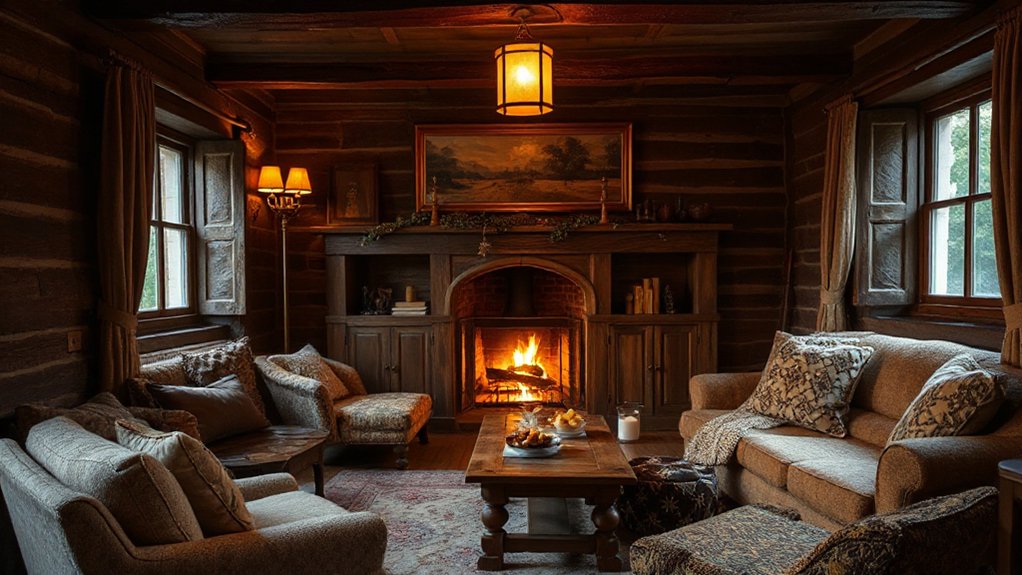
Ambient warmth anchors the snug, using fire, lighting, and ritual to define cadence and comfort. You’ll blend a controlled fireplace ambiance with carefully calibrated light sources to mold mood, depth, and focus. Start with a low-fire setting or a lit stove to establish steady heat and slow glow; avoid overpowering radiance, which distorts texture and scent. Introduce ritual lighting: dimmable lamps, warm LED strips along shelving, and a single focal pendant. Position lighting to sculpt corners, foreground textures, and conversational planes without glare. Use fire as a visual anchor rather than a focal distraction, allowing shadows to soften furnishings. Pair tactile fabrics with warm tones and subtle scent rituals—tea, candle, or resin—to sustain a coherent, restorative atmosphere.
Organize for Easy Retreat: Storage and Daily Routines
Organizing for easy retreat means designing storage and routines that disappear into the background while supporting recovery. You’ll optimize a compact footprint by using dual-purpose furniture, labeled bins, and wall-mounted shelves that keep surfaces clear. Prioritize daily rituals that require minimal decision-making: a single-hook coat rack, a dedicated charging station, and a simple •one-spot for books or blankets. Integrate mood-enhancing lighting with hidden controls and subdued zones to cue relaxation, ensuring clutter never competes with calm. Select decorative accessories that reinforce restraint—think a few meaningful objects, not a surplus. Establish a predictable cadence for tidying: return items after use, rotate seasonal pieces, and schedule weekly resets. The result is a serene, efficient retreat that supports recovery without visible effort.
Frequently Asked Questions
How Can I Soundproof a Snug Without Losing Coziness?
Yes—you can soundproof a snug without losing coziness by adding decorative wall panels and soft fabric furnishings, which dampen noise while maintaining warmth, texture, and style, using密 dense padding, rugs, and layered textiles for balanced acoustic comfort.
What Are Budget-Friendly Acoustic Options for a Quiet Space?
You can boost quiet with budget-friendly options like decorative wall panels and soft fabric cushions, which absorb sound while adding texture. You’ll install lightweight panels, position cushions strategically, and test until the space feels calmer and acoustically balanced.
Which Plants Boost Calm Without Triggering Allergies?
Plants that boost calm without triggering allergies include snake plant, peace lily, spider plant, and pothos. Indoor greenery, air purifying plants, you’ll notice reduced allergens and improved mood—studies show occupants experience up to 20% lower indoor pollutant levels.
How Long Should a Daily Relaxation Ritual Last in a Snug?
Daily ritual length should be 15 to 30 minutes. You’ll optimize relaxation duration by consistency, not length, letting slow breathing and dim lighting guide you. Keep sessions gentle, focused, and repeatable to build sustainable calm each day.
Is It Better to Use a Heater or Radiant Options in Small Rooms?
You should prefer radiant options for precise warmth in small rooms, as they heat objects rather than air, reducing losses. Combine with cozy insulation for efficiency, using heating options that strike a balance between comfort and energy use.
Conclusion
You’ve crafted a sanctuary you’ll actually live in, not just admire. As you blend velvet, linen, and wool, you’ll feel every fiber whisper calm. Dimmed lighting and a controlled fire fuse heat with hush, while smartly tucked storage keeps chaos at bay. Your seating zones invite intimate conversation and solo retreats alike, effortlessly. With routines and rituals—tea, candles—daily life becomes a soothing ceremony. This snug will break records for coziness, a cozy-est masterpiece in the known universe.