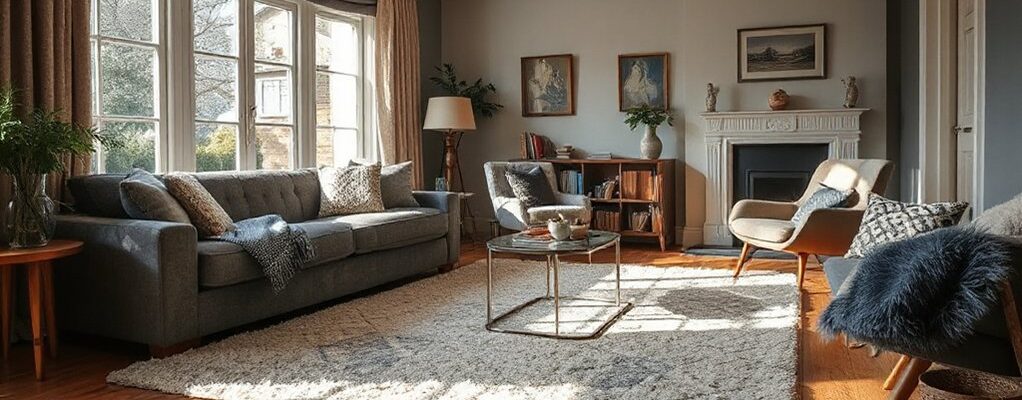
You might worry rug layering will overwhelm a room, but done correctly it grounds a space and adds warmth. Start with a calm base, then introduce a smaller, contrasting layer to create depth without clutter. Align edges, allow a gentle overlap, and choose wool or jute for tactile warmth. Keep traffic flow clear, and let the color story unfold with soft neutrals and subtle patterns—a cohesive coziness that invites you in, even as you wonder what comes next.
Start Here: Rug Layering for UK Living Rooms
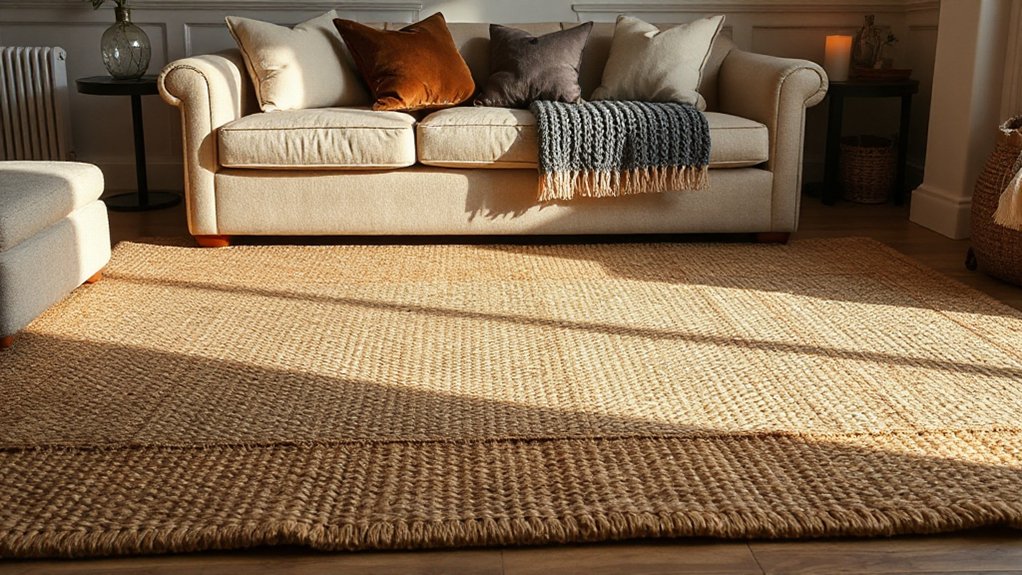
Layered rug layering is all about starting with a clear plan: choose a main rug as your anchor, then build from there with complementary textures, sizes, and colors. You approach this like a composition, aligning tones to create harmony rather than competition. Start with a durable foundation you trust, prioritizing Rug durability when selecting materials and pile height so everyday wear remains discreet. Pair your anchor with midweight pieces that echo color without overpowering the room, ensuring movement and balance. Consider eco friendly materials for the secondary layers to maintain sustainability without sacrificing comfort. Think contrast in texture as your strategic edge—soft wool next to crisp sisal or jute adds depth. Finally, map function to form: protect high-traffic zones while preserving an elegant, cohesive look.
Step 1 : Choose Your Base Rug (Size, Style, and Scale)
When you select your base rug, start with size that anchors the space yet leaves room to layer. Consider style and scale in harmony with furniture—choose a footprint that underpins the seating zone while still allowing pattern to peek through. Keep your choices intentional: balance proportions, capture the room’s energy, and set a versatile foundation for the layered look.
Base Rug Sizing Guide
Choosing the base rug sets the tone and scale for the room, so start by measuring your space and selecting a size that grounds the furniture—aim for a border of 8–12 inches (20–30 cm) around the rug or 18–24 inches (45–60 cm) if the rug sits under a sofa and chairs. You’ll prioritise shape, proportion, and flow, ensuring traffic paths stay clear. Opt for a core size that anchors the seating zone while leaving enough floor reveal for framing unseen edges. Material durability matters, so select fibers that withstand daily use. Pair with a neutral foundation to enhance contrast, then consider rug cleaning accessibility to maintain polish over time. Be precise about placement cues, avoiding clutter that could disrupt the room’s rhythm and hierarchy.
Style and Scale Tips
Selecting your base rug is the foundation of the room’s rhythm, so start by sizing it to ground the seating and create a clear traffic path. Choose a size that anchors the main seating area, with at least the front legs of sofas or chairs resting on it for cohesion. Next, align style to the space: a neutral base with subtle pattern preserves elegance, while a bolder motif can define the zone if the room reads large. Consider scale: larger patterns suit expansive rooms; finer prints suit compact layouts. Color coordination matters: pick hues that harmonize with cushions and artwork, avoiding clashes. Material compatibility is key: pair wool with cotton or jute for contrast in texture and wear. Balance ensures layering feels intentional, not cluttered.
Step 2 – Add a Second Layer: Patterns, Textures, and Materials
You layer with intention, mixing patterns and textures to create depth without overloading the room. Choose materials that complement your base rug and embrace safe layering techniques to avoid bulk and shifting. Start by pairing subtle textures with restrained patterns, then refine the blend until the second layer feels cohesive and calm.
Patterns And Textures
Layering a second rug brings instant depth to a UK living room, and patterns, textures, and materials are the levers that make it feel cohesive rather than cluttered. When you mix patterns, choose contrastive scales: a bold geometric pattern beneath a calmer backdrop creates rhythm without shouting. Favor textures that complement underfoot—pile, flatweave, or a tactile weave add warmth and invite foot traffic. Color contrast matters: pull key hues from the first rug to stitch the palette together, then introduce a subtle accent for dimension. Keep lines crisp: align edges to maintain order, and balance busy motifs with solid fields. Measure pile heights to avoid trip hazards and visual heaviness. Precision in pairing guarantees sophistication, not visual noise, and elevates the room’s cosiness.
Layering Materials Safely
Having established how patterns, textures, and color tie a second rug to the first, you’ll now focus on materials themselves to guarantee safety and cohesion. Prioritize low-pile bases for stability, and choose a top layer with compatible grip to prevent slipping. Assess material durability: wool, polypropylene, and flatwoven blends offer resilience without sacrificing comfort. For humid rooms, avoid delicate silk or viscose on high-traffic zones. Consider backing: a natural latex or non-slip underlay enhances safety and reduces movement. Maintenance matters: rug cleaning should be straightforward, with regular vacuuming and spot treatment that doesn’t weaken fibers. Size and proportion matter too; align the second rug to the first’s edge for a unified silhouette. Balance warmth with practicality, ensuring every fibre contributes to durable, cohesive styling.
Step 3 : Place Rugs Around Seating and Traffic Flow
To anchor the seating area, place rugs so footpaths lead naturally from one seating cluster to the room’s primary traffic routes. You’ll define zones without interrupting movement, ensuring underfoot comfort and visual balance. Prioritize edges that align with furniture feet and doorways, avoiding trip hazards while enhancing acoustics. Rug cleaning and fabric durability should guide material choices, pairing low-pile performance with easy maintenance for busy spaces.
- Align runners to create a gentle corridor, guiding foot traffic with purpose.
- Size rugs to protect high-traffic paths, preventing wear on seating zones.
- Layer with precision, ensuring overlaps feel intentional and cohesive.
Step 4 : Build a Cozy Color Story With Layered Rugs
As you layer rugs, let color be the connective thread that ties seating zones to the room’s overall mood; start by selecting a palette that echoes existing furniture finishes and wall tones. You’ll build a cohesive story by choosing two or three hues that recur in textiles, cushions, and art, ensuring color coordination across surfaces. Begin with a dominant base rug in a neutral or low-contrast tone, then introduce supporting shades through runner, pouf, and smaller mats. Pay attention to undertones—warmer versus cooler—and how they shift with light. Aim for aesthetic harmony by balancing saturated accents with pale neutrals, avoiding clashing clashes. Maintain intention: every rug entry should reinforce unity, not distraction, so the layered arrangement feels deliberate, calm, and inviting.
Step 5 : Handling Uneven Floors and Odd Room Shapes
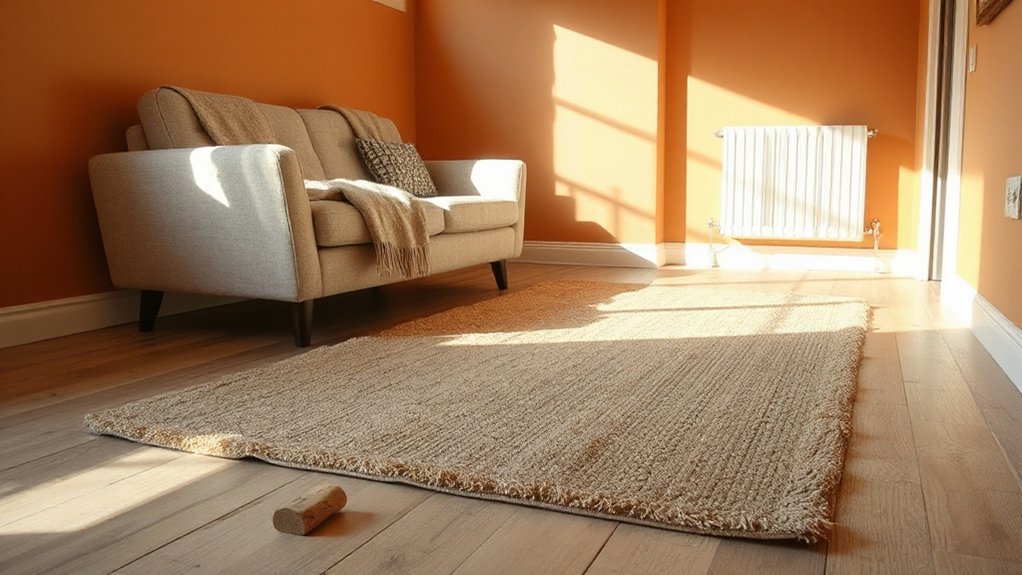
Uneven floors and irregular room shapes can complicate rug layering, yet they also present opportunities to define zones with precision. You adapt by choosing stable base rugs and reinforcing edges with a smaller, complementary layer that anchors the space.
- Prioritize anchor placement near doorways or seating clusters to create crisp boundaries.
- Use a paring of textures and tones to visually unify irregular planes without crowding.
- Add a border rug or a lattice of small runners to guide flow and disguise imperfections.
With intent, you align each piece to either complement or contour the room’s geometry. Uneven floors become a design cue, not a flaw, guiding placement so every seating area feels deliberate and cohesive.
Common Pitfalls to Avoid When Layering Rugs
Layering rugs can elevate a living room, but missteps are easy to make. Begin by choosing compatible tones and textures—clashing patterns undermine the effect. Avoid oversized contrasts that visually clutter the space; cohesion matters more than drama. Misplacing edges is a common pitfall: verify rug borders align to define zones without bleeding into walkways. When selecting area rugs, consider pile height and backing—discrepancies create wobble and slip. Use rug padding to stabilize layers and protect floors, but don’t let padding show at the edges. Depth matters: a too-thin base can flatten the composition, while an overly dense top risks crowding. Finally, neglecting maintenance notes can erode the finish; adopt a simple rotation plan to preserve balance and legibility across your layered scheme.
Care, Maintenance, and Prolonging Cozy Layers
Careful upkeep is essential to keep layered rugs looking cohesive and inviting. To maintain harmony, you adopt a deliberate routine that protects texture and colour while you move softly through spaces.
- Rug cleaning becomes a ritual: vacuum regularly with a gentle setting, rotate periodically, and care for fringe to prevent wear.
- Stain removal is swift and precise: blot spills immediately, use a mild detergent, and test inconspicuously before treating any pigment.
- Protective measures matter: place mats at doorways, avoid direct sunlight, and shield high-traffic zones with furniture corners.
Quick DIY Upgrades to Elevate Layered Rugs
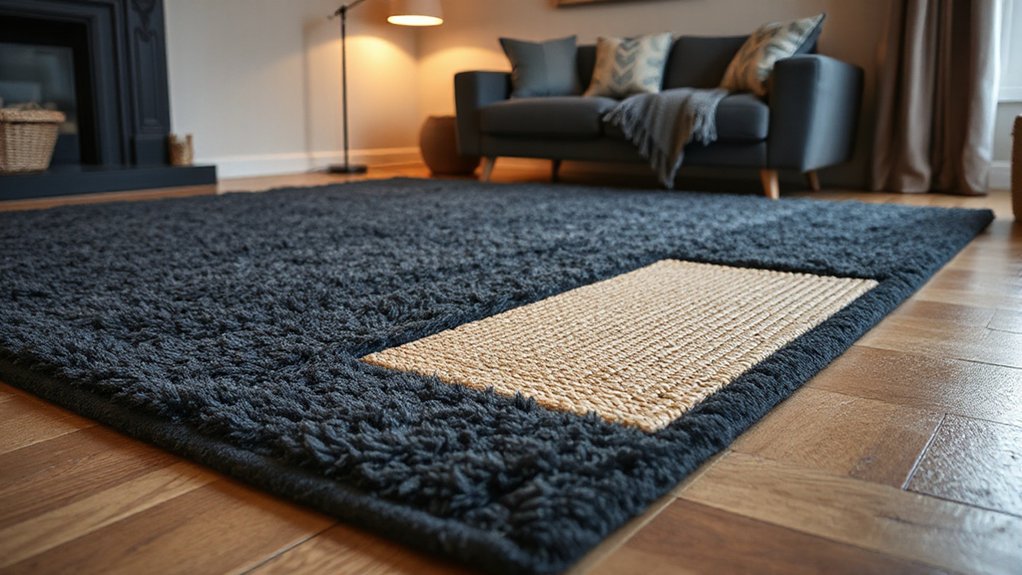
If you want to elevate layered rugs quickly, start with a few strategic DIY tweaks that add depth without overwhelming the space. Begin with Rug weaving accents: braid a narrow jute fringe, or weave a simple monochrome band along the rug edge to create subtle texture that reads as deliberate design. Swap cords and tassels for cohesive, understated hardware-free finishes to maintain clean lines. Introduce floor insulation via lightweight underlays beneath the layers; choose breathable options to avoid bulk while improving warmth and footfall comfort. Use tension and placement deliberately: offset one rug slightly, aligning seams with furniture anchors to guide the eye. Add a single, quiet tonal rug in a complementary hue to unify the arrangement without competing with focal pieces.
Frequently Asked Questions
How to Choose Rug Textures for Warmth Without Clashing?
To avoid pattern conflicts, choose fiber textures with cohesive tones and varied sheens, pairing smooth wool with soft jute. You’ll balance contrast, not clash, by repeating a neutral hue and curating subtle pattern conflicts for warmth and elegance.
Can You Layer Rugs on Carpeted Floors?
Sure—yes, you can layer rugs on carpeted floors. You’ll optimize rug placement with careful color coordination, ensuring edges lie flat and seams don’t clash, so your space stays elegant, strategic, and comfortably cohesive without crowding. Break the mold.
What’s the Best Underlay for Layered Rugs?
The best underlay for layered rugs is a high-density, non-slip pad with felt for protection. It supports rug maintenance and keeps movement minimal, while fostering style coordination across textures and tones in your space. Maintain elegance, stay precise, stay strategic.
How to Prevent Tripping on Multiple Rug Edges?
To prevent tripping on multiple rug edges, think like a careful dancer: you secure every edge with edge securing and non slip pads. Use strategic placement, trim excess, and routinely check for movement and wear.
Do Layered Rugs Affect Room Acoustics and Lighting?
Layered rugs modulate sound absorption and light diffusion, improving acoustics while gently shaping ambience. You’ll notice reduced echo and warmer illumination, as textures synergize to diffuse light and dampen reflections across the room.
Conclusion
Layered rugs, when done with a gentle touch, create a soft, inviting rhythm in UK living rooms. Think of it as a quiet confidence—a subtle upgrade that adds warmth without shouting. Embrace slightly overlapping edges, cozy textures, and a calm color echo. If a space feels a touch crowded, ease it with lighter tones and careful placement. With mindful layering, you’ll cultivate comfort and cohesion, turning every seating moment into a refined, snug retreat.