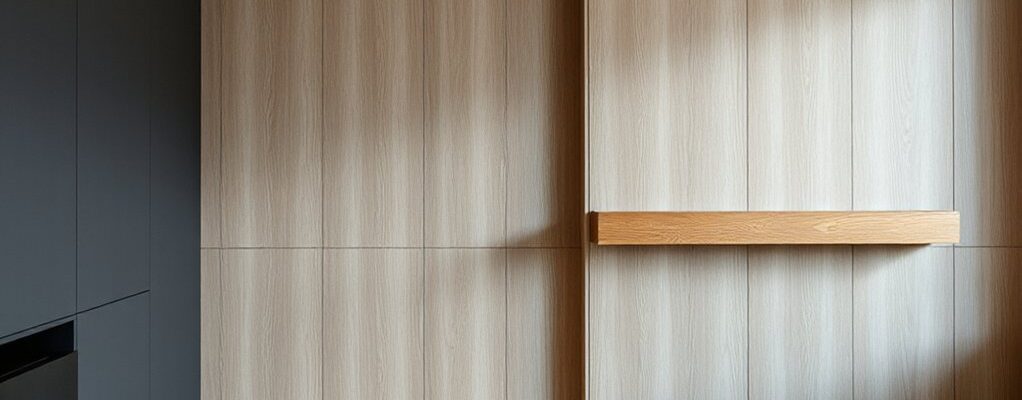
You might think panelling is fussy, but the right choices fuse warmth with clean lines that suit modern UK spaces. Think timber textures like oak for depth, geometric panels for edge, or soft slats to tame acoustics without bulk. In damp rooms, opt for moisture-resistant options that still look refined. Ready to weigh durability, style, and ease of maintenance as you map out an upgrade that elevates walls into tactile focal points? Let’s start with what matters most to your space.
What Wall Panelling Adds to UK Interiors
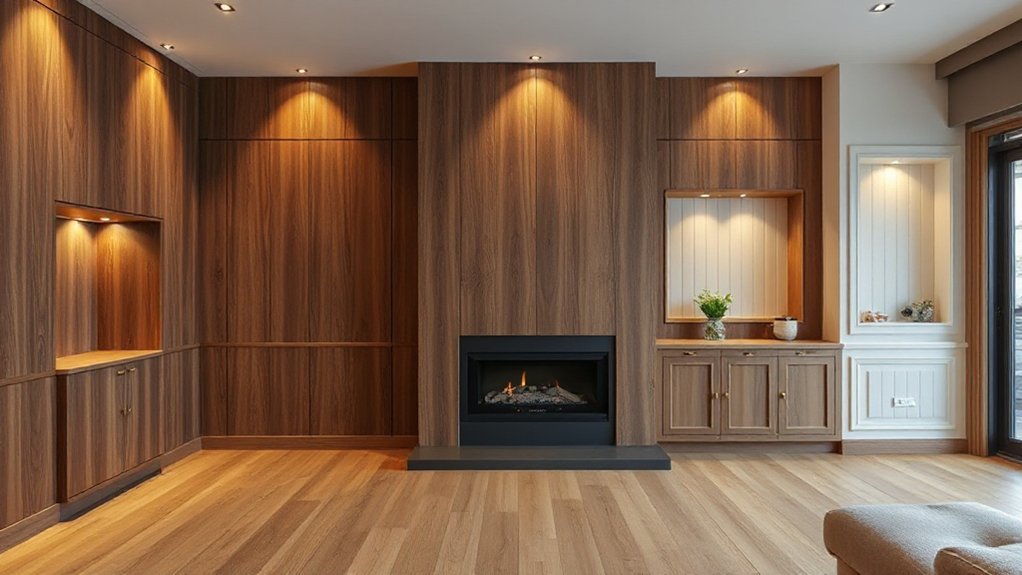
Wall panelling instantly elevates UK interiors by adding texture, warmth, and a sense of historical depth while staying firmly modern. You’ll notice how panels define rooms without heavy furniture shifts, giving you instant acoustical and visual rhythm. Historical influences surface in panel profiles, mouldings, and spacing, linking today’s spaces to classic proportions while remaining fresh. You gain a tactile focal point that softens walls and elevates ceilings, yet keeps lines clean for contemporary layouts. Eco friendly materials let you pane with conscience, choosing responsibly sourced timber, recycled composites, or low‑VOC finishes that minimise impact. The effect translates across genres—from minimalist to traditional—because panels adapt to lighting, scale, and furniture. In short, wall panelling adds character, cohesion, and a durable, stylish backbone to modern UK interiors.
Timber Textures: Warmth Without Heaviness
Timber textures bring warmth without heaviness by leveraging light, natural grains and careful surface finishes. You’ll notice how subtle oak, ash, or birch can add cozy depth without dominating space. Opt for brushed surfaces that catch light softly, or engineered veneers that mimic real grain with consistent performance. The key is restrained contrast: keep walls and furniture in complementary tones to preserve airiness while still delivering tactile richness. Rustic charm emerges through knot patterns, gentle grain variation, and honest finishes that age gracefully. Prioritize natural finishes—oil, matte varnish, or tinted wax—that enhance warmth without high sheen. Pair timber panels with soft textiles and warm ambient lighting to maintain balance, ensuring the look feels crafted, not cluttered, and distinctly modern.
Geometric Paneling for Bold Character
Geometric wall rhythm creates instant visual tension, guiding how you move through a room. Bold panel patterns play with scale and alignment to punch up character without overwhelming the space. Start with a signature motif and let rhythm dictate placement for a fresh, modern UK interior.
Geometric Wall Rhythm
If you crave bold character, geometric wall rhythm delivers it instantly by framing panels in sharp, repeating shapes that catch the eye and guide the eye through a space. You’ll create visual momentum with clean diagonals, hexagons, or stepped modules that read as a single, cohesive pattern. Precision alignment matters more than ornate detail; tight joints and consistent gaps preserve rhythm and avoid clutter. Balance the geometry with calm surfaces to prevent overload. Colour coordination matters: pair strong panel lines with muted backing walls or vary tones within a limited palette to keep the pattern legible. Pattern mixing works when you echo one element—like a corner-to-corner motif—across textures and accessories. Keep scale deliberate, so rhythm enhances architecture rather than competing with it.
Bold Panel Patterns
Could bold panel patterns redefine a room’s personality? Yes—they inject kinetic character through geometry, turning flat walls into artful focal points. You’ll likely choose bold scales, interlocking shapes, or asymmetric grids to amplify architecture and draw the eye across space. Color coordination matters: pair high-contrast palettes for drama, or cohesive hues for refined depth. Lighting enhancement becomes a critical partner, with wall wash or angled accents revealing texture and form. For best impact, keep surrounding décor minimal to let panels speak. Consider paneling as a backdrop for zones, not clutter. Use these ideas as a compass:
- Select a dominant geometric motif and repeat it across panels.
- Balance scale with room size to avoid overwhelm.
- Align lighting to highlight seams and shadows.
- Test color swatches before committing to permanence.
Soft Slats for Acoustic Comfort
Soft slats bring acoustic comfort without sacrificing style. You’ll notice the subtle texture softening hard surfaces, creating calmer rooms without heavy panels. Think horizontal lines that echo contemporary minimalism, with gaps that trap and diffuse sound rather than reflect it. The construction often uses lightweight materials or perforated cores, so installation stays clean and quick. You gain sound absorption that lessens echo and creates intimate conversation spaces, while maintaining an airy feel. Pair soft slats with warm woods or muted finishes to enhance tonal balance and depth. They offer effective noise reduction in open-plan homes, studios, and home offices alike, subtly steering the acoustics toward comfort. This trend prioritises function alongside form, proving practical elegance can elevate daily living.
Moisture-Resistant, Low-Maintenance Options
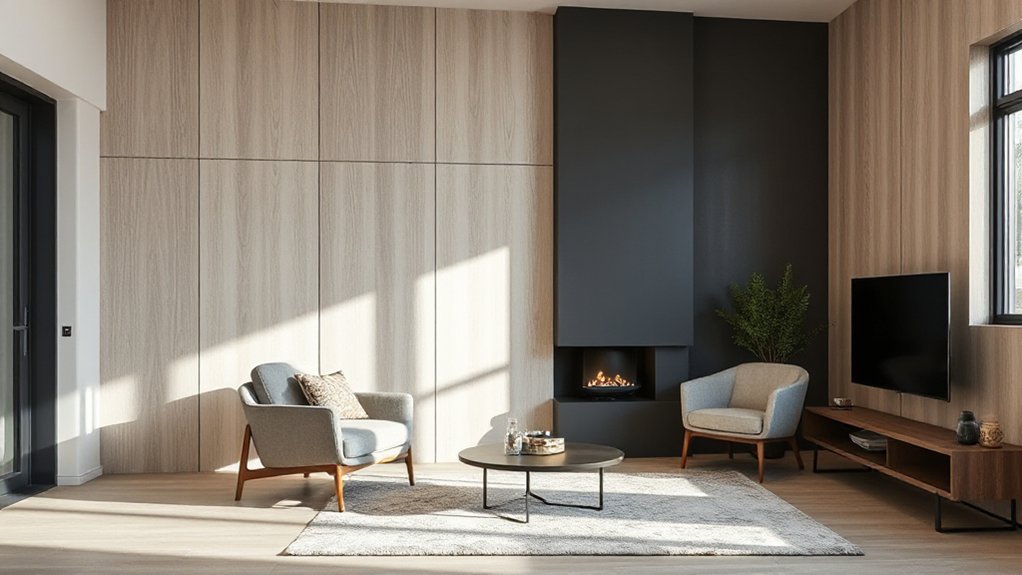
Moisture-resistant, low-maintenance options keep your wall paneling practical in damp spaces, from bathrooms to kitchens and coastal homes. You’ll stay ahead of moisture challenges by choosing products designed to handle humidity without frequent upkeep.
- Opt for solid PVC or composite panels with built-in moisture barriers to deter warping.
- Select finishes with antimicrobial coatings; wipe-downs become maintenance tips rather than chores.
- Prioritize sealed joints and edge profiles that resist mold and mildew growth.
- Pair panels with proper ventilation and a breathable vapor barrier to sustain longevity.
In practice, you’ll reduce cleaning time while keeping aesthetic appeal. Regularly check seals, reapply sealant as needed, and avoid excess water on surfaces. These choices blend practicality with contemporary textures, elevating spaces without fuss.
Choosing and Installing Wall Panelling: A Practical Guide
Choosing and installing wall panelling might seem intimidating, but a practical approach keeps it straightforward and stylish. Start with a clear plan: measure, choose profiles, and pick finishes that match your room’s lighting. Consider vintage charm by selecting panelling with shallow grooves or beadboard detailing, then balance with modern hardware for a contemporary edge. Prioritize wall prep—drywall flatness, clean surfaces, and even gaps—to guarantee tight joints and a seamless look. When selecting materials, opt for eco friendly materials like FSC-certified wood or high-quality MDF with durable veneers, reducing environmental impact without sacrificing appearance. Install horizontally for a broader feel or vertically to create height. Seal edges and seams, and finish with a breathable coating to maintain longevity and ease future updates.
Frequently Asked Questions
How Does Panelling Affect Home Resale Value in the UK?
Panelling can boost your resale value modestly, especially if you emphasize timeless design and quality finish. It signals care for detailing, aligns with historical preservation, and can use eco friendly materials to appeal to environmentally conscious buyers.
Are Wall Panels Compliant With UK Building and Fire Safety Codes?
Yes, wall panels can comply with fire safety and building regulations when you choose tested materials and install per code. Fun fact: nearly 70% of panelled spaces meet fire-safety benchmarks, boosting your confidence in compliant, trend-aware upgrades.
Can Panels Be Installed on Uneven or Curved Walls?
Yes, you can. Curved wall panels adapt with flexible profiles, while uneven surfaces get nivellated backing or subframes; you’ll achieve a seamless look when you account for curvature and hinge joints, maintaining clean lines across uneven surfaces.
What Budget Ranges Are Typical for Quality UK Panelling?
You’ll typically spend £20–£70 per sq ft for quality UK panelling, with costs varying by material durability and finish. On average, durable materials save you maintenance costs, while quick installs cut labour time—budget-conscious, you’ll optimize cost considerations.
How Long Does Installation Typically Take and Require Upheaval?
Installation timeline varies, but expect a few days to a week, depending on room size and removal needs. You’ll likely experience some renovation disruption, yet efficient teams minimize downtime and keep dust to a manageable level.
Conclusion
You’ve seen how wall panelling can transform a space from plain to purposeful. As you choose timber warmth, bold geometry, or quiet slats, you’re shaping mood, function, and longevity. Think of a quiet corridor that becomes a gallery, or a living wall that breathes with you. Like a well-turnished memory, the details echo a timeless rule: simplicity in texture, restraint in color, and the subtle strength to endure. Your walls become both shelter and statement.