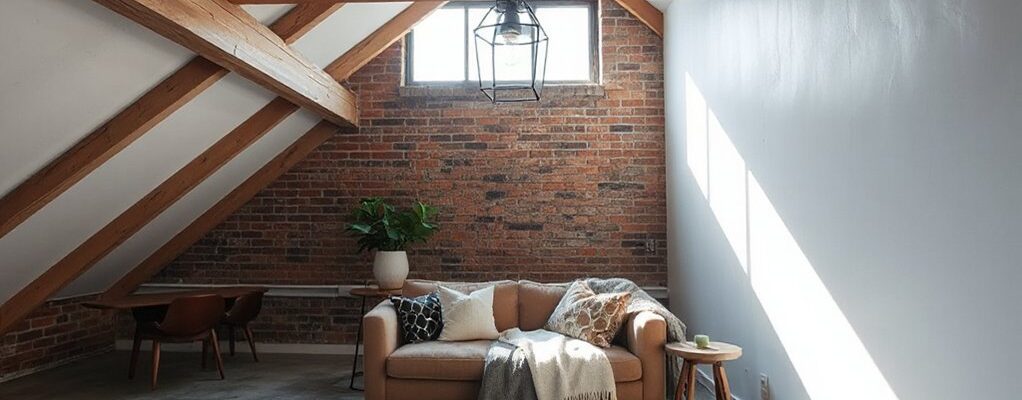
You might not realize how a tall, ovoid loft can actually shape your daily routine before you even move in. Start by spotting its strengths, then map flexible zones, vertical storage, and layered lighting that keep the footprint feeling open. A unified color and texture scheme ties everything together, while cozy nooks and smart acoustics make it feel calmer. Want to see how these ideas translate into practical layouts and personal touches that still swoop you past awkward corners? Let’s plan.
Survey Architecture: Find the Loft’s Strengths
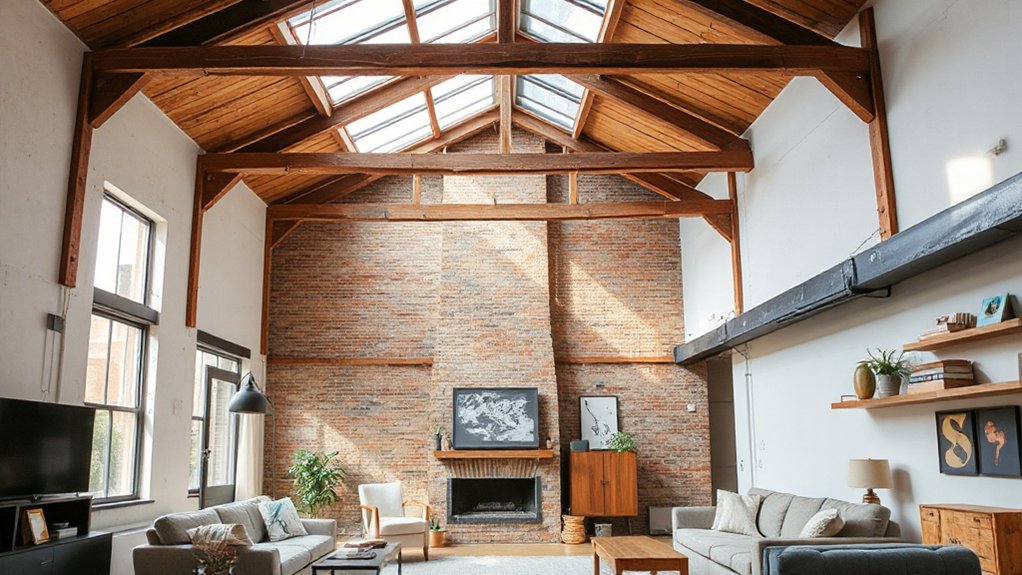
Start by walking the space with a critical eye: note the ceiling height, the most natural light sources, and any awkward nooks that interrupt flow. You’re surveying architecture to identify its strengths, not chase flaws. Focus on how volumes guide movement and where sightlines land. Map natural light patterns across hours; note where glare appears and where shade stays soft. Your aim is to leverage these truths for practical design, not force fit furniture. Consider how ceiling height influences vertical display and how open corners invite circulation. With Natural light as a guide, test furniture arrangement options that respect walkways and focal points. Chunk the space into zones by purpose, then let architectural accents—bulkheads, beams, built-ins—anchor each area for cohesive, stylish functionality.
Plan Flexible Zones for Small Footprints
Rather than treating the loft as a single open slab, map out flexible zones that adapt to daily needs without sacrificing flow. You’ll maximize square footage by defining multifunctional zones that slide from work to leisure with ease, using creative furniture as the hinge. Think modular pieces, subtle screens, and floating rugs to signal purpose without walls. Each zone should carry a distinct mood yet remain visually cohesive, so lighting and color tie everything together.
- Use creative furniture to switch functions in minutes, such as a coffee table that becomes a desk.
- Design multifunctional zones with retractable or stackable elements for instant openness.
- Place zones along sightlines to preserve flow while maintaining intimate corners for focus or relaxation.
Use Vertical Storage and Layered Lighting
Stack vertical storage to reclaim floor space without sacrificing style, using tall cabinets, wall-mounted shelves, and under-eloor crates that keep essentials at eye level. Pair these with layered lighting—ambient, task, and accent—to define zones and highlight architectural quirks. Think space-planning elevation: arrange storage along perimeters, add a few statement fixtures, and layer light sources to sculpt depth and mood.
Vertical Storage Solutions
Ever thought your loft’s vertical space could be the star of the room? You can reclaim height with smart storage that stays stylish and quiet. Use vertical racks, floating shelves, and tall cabinets to tuck away clutter without shrinking floor area. Prioritize multi functional furniture that doubles as seating or work surfaces, so every inch serves a purpose. Pair these with creative wall mounts to free floor space and keep regularly used items in easy reach.
- Install tall, slim shelving units that reach the ceiling for maximum capacity without overwhelming the room.
- Choose wall-mounted platforms and hooks arranged in tiers to hold everything from books to accessories.
- Opt for wall-mounted desks and foldaway surfaces that collapse when not in use.
This approach keeps lines clean and the loft feeling open.
Layered Lighting Tactics
Layered lighting is the perfect partner to smart vertical storage, because it shapes the loft’s mood while keeping clutter out of sight. You mix ambient glow with precise task illumination, so every zone serves a clear purpose without harsh glare. Start with adjustable recessed or track lights aimed along storage lofts to highlight surfaces and edges, then add dimmable floor lamps that mirror the room’s height for a balanced silhouette. Use under-shelf LEDs to illuminate work nooks, reducing shadows on planar stacks. Layer warm and cool tones to create depth: warm for cozy corners, cooler for study nooks. Integrate wireless controls for seamless progression as daylight shifts. Prioritize fixtures that complement metal, wood, and glass storage elements for a cohesive, functional atmosphere.
Space-Planning Elevation Techniques
Vertical storage and layered lighting are your go-to tools for elevating loft space without sacrificing floor area. You’ll shape the room by stacking function up high and lighting it in layers, so every square foot earns purpose.
- Implement vertical shelves and wall-mounted desks to free floor space while keeping essentials within reach.
- Layer lighting with recessed, pendant, and task options to sculpt depth and zones without clutter.
- Create intimate nooks using bold window treatments and smart furniture placements that define zones while preserving openness, then test sightlines for flow.
Your approach combines Creative window treatments with Innovative furniture arrangements, ensuring style meets practicality. This elevation strategy delivers a cohesive, airy loft that feels bigger and more deliberate.
Unify Loft Color and Texture
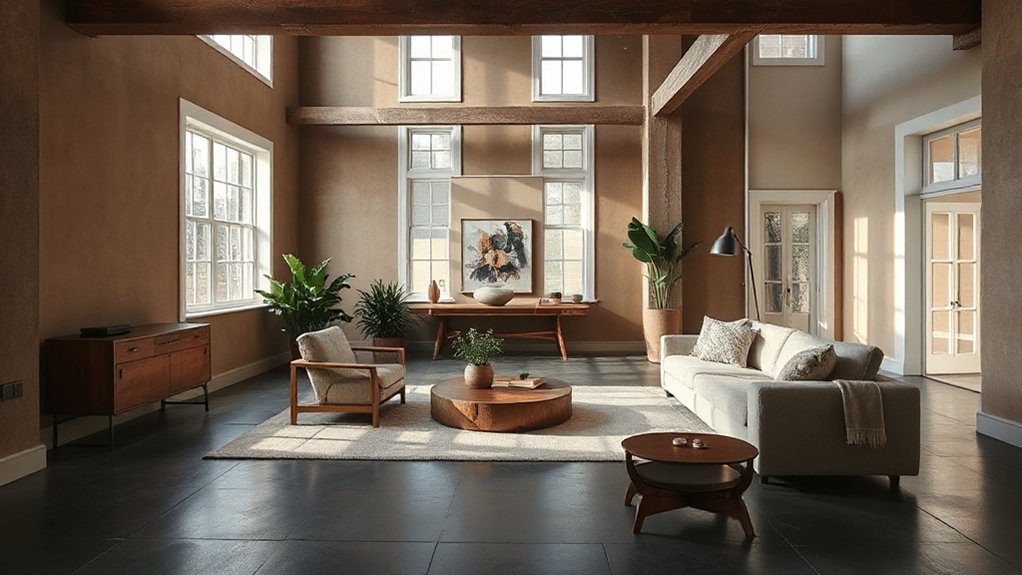
To unify loft color and texture, start by selecting a restrained palette and repeating it across surfaces, fabrics, and accents so every zone reads as one cohesive space. You’ll pull the room together by prioritizing consistent undertones—warm whites, cool grays, or earthy taupes—then weave small variations in shade for depth. Implement color harmony with primary tones on larger surfaces and reserve accent hues for textiles, artwork, and glass. Texture layering adds tactile interest without visual clutter: pair matte walls with a satin rug, plush throws, and woven baskets. Keep patterns minimal and repeat them in cushions or a single rug to avoid chaos. Maintain balance by staggering sheen levels and aligning hardware finishes, ensuring the loft feels intentional, calm, and effortlessly stylish.
Nook Solutions for Small Spaces
When you’re working with a tight loft, every inch counts, so carve out defined nooks that serve a clear purpose—whether it’s a compact reading corner, a fold-away workstation, or a miniature gallery wall. You’ll maximize function with Creative furniture that hides storage in plain sight and uses vertical space. Pair bold color contrast with light, airy finishes to keep things feeling expansive. Built-ins should be slim, modular, and customizable, so you can reconfigure as needs change.
- Fold-away desk tucked into a wall alcove with a slim chair
- Floating shelves that double as a gallery and storage
- Corner seating with hidden storage and a pull-out table
This approach keeps flow intact while offering focused, stylish perimeters.
Keep the Loft Flow: Traffic, Sound, and Personalization
Prioritize a traffic-friendly layout that guides movement naturally from room to room without bottlenecks, using open sightlines and clearly defined zones. Add personalization through acoustics by choosing materials and textures that soften noise—think area rugs, soft ceiling treatments, and strategic soft furnishings. Keep the loft’s vibe cohesive with a few signature details that reflect you while preserving balance between liveliness and quiet.
Traffic-Friendly Layout
A smart traffic-friendly layout keeps your loft flowing without bottlenecks, balancing open movement with defined zones. You’ll map pathways first, then place high-traffic pieces where they won’t obstruct windows or doors. Use rugs and furniture alignment to cue natural routes, keeping clear sightlines from entry to living areas. For stylistic impact, pair Creative color palettes with practical layouts, letting accents guide foot traffic rather than crowding walls. Incorporate versatile storage to maintain uncluttered lanes, and choose multi-functional furniture that tips toward the flow rather than against it.
- Designate a clear entry corridor and anchor zones with low-profile, traffic-conscious furniture.
- Use color and lighting to subtly channel movement toward seating and work areas.
- Opt for wall-mounted or floating storage to keep floor space open.
Artistic wall decor enhances the route without creating bottlenecks.
Personalization Through Acoustics
Soundproofing and acoustic personalization can transform a loft from echo-prone to intimate, without compromising flow. You’ll approach personalization with purpose, pairing function and fashion. Begin with soundproofing options that fit your space: consider door seals, rug underlays, and mass-loaded vinyl where needed, then layer textiles to soften reflective surfaces. Next, map acoustic panel placement to your daily routines: position panels where conversations peak, above the sofa, around the dining nook, and near work zones to reduce glare and noise spill. Choose panels that blend with your aesthetic—soft neutrals, warm woods, or bold metallic accents. Integrate plants and shelving to diffuse sound naturally. Test a few placements, then refine for steady, comfortable acoustics that enhance both privacy and social moments.
Frequently Asked Questions
What Are Budget-Friendly Ideas for Awkward Alcove Dormers?
Spruce up awkward alcove dormers with clever storage ideas: invest in modular shelves and under-window benches to create practical storage. Add color accents through textiles and accessories, keeping lines clean. Embrace Creative storage and cohesive palettes for stylish practicality.
How Can I Maximize Natural Light in Narrow Lofts?
Maximize natural light by adopting lighting strategies that bounce daylight deeper, like reflective surfaces and task lamps. Choose window treatments that soften glare without blocking panes, and position mirrors to amplify brightness throughout narrow lofts.
Which Plants Thrive in High-Contrast, Open Ceilings?
You’ll want plants that tolerate light swings and bold contrasts; choose vertical greenery and hanging planters, you’ll find pothos, ferns, and dracaena thrive. Keep it practical: secure mounts, water weekly, and wash leaves for vibrant, stylish energy.
What Are Kid- or Pet-Safe Loft Decorating Options?
You’ll choose kid- and pet-safe loft styling with non toxic paints and soft furnishings, prioritizing durable, washable surfaces, rounded corners, and low-vent elements, while adding soft textures, hidden storage, and playful, practical layout to stay stylish and safe.
How Do I Create Privacy Without Blocking Views?
To create privacy without blocking views, use privacy screens and scenic dividers that pair form with function. You’ll position slim screens along sightlines, opt for translucent materials, and add plants or lighting to keep the space stylish and practical.
Conclusion
You’ve mapped the space, then turned its awkward angles into assets. By zoning with flexible furniture, stacking vertical storage, and layering light, you’ll feel the loft grow around you rather than press in on you. Keep a cohesive palette and varied textures to knit the room together, and tuck nooks for intimacy without crowding. Let decor—plants, wall art, soft textiles—personalize without clutter. Like a well-tuned instrument, your loft sings: practical, stylish, and wonderfully yours.