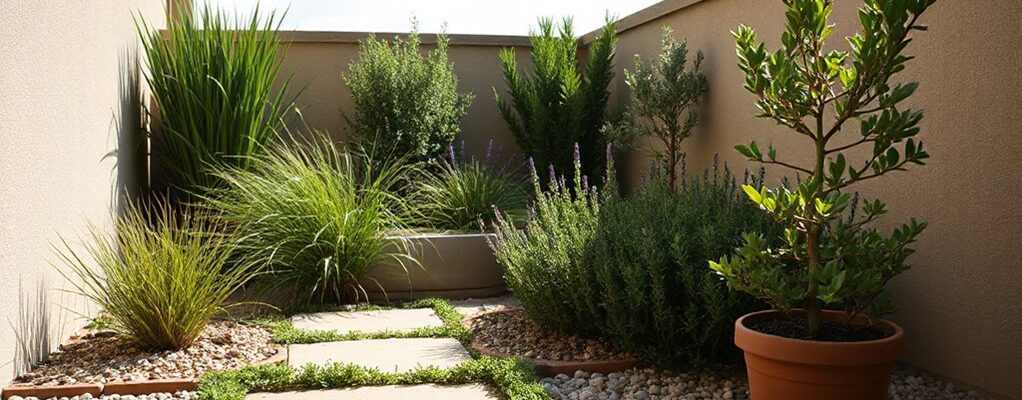
Like a quiet shoreline, your small garden can hold steady with the right plants. You’ll want native, drought-tolerant perennials, groundcovers, and compact herbs that survive on little water and maintenance. Start by mapping sun and shade, then pair deep-rooted options with evergreen structure to reduce ongoing care. The goal is year‑round interest with minimal intervention, but the next steps reveal how to assemble a practical plan that keeps your plot resilient and simple.
Key Takeaways
- Choose compact, low-input plants with steady seasonal profiles to maximize space and predict harvests in small gardens.
- Prioritize drought-tolerant natives and groundcovers to reduce watering and maintenance needs.
- Use layered plantings with evergreen structures for year-round interest and clear sightlines in tight spaces.
- Group by light and moisture needs and pair sun-loving with shade-tolerant companions to minimize care.
- Implement waterwise routines (drip irrigation, mulch, compost) and simple, repeatable pruning/dividing schedules.
Why Small Gardens Benefit From Low‑Maintenance Plants
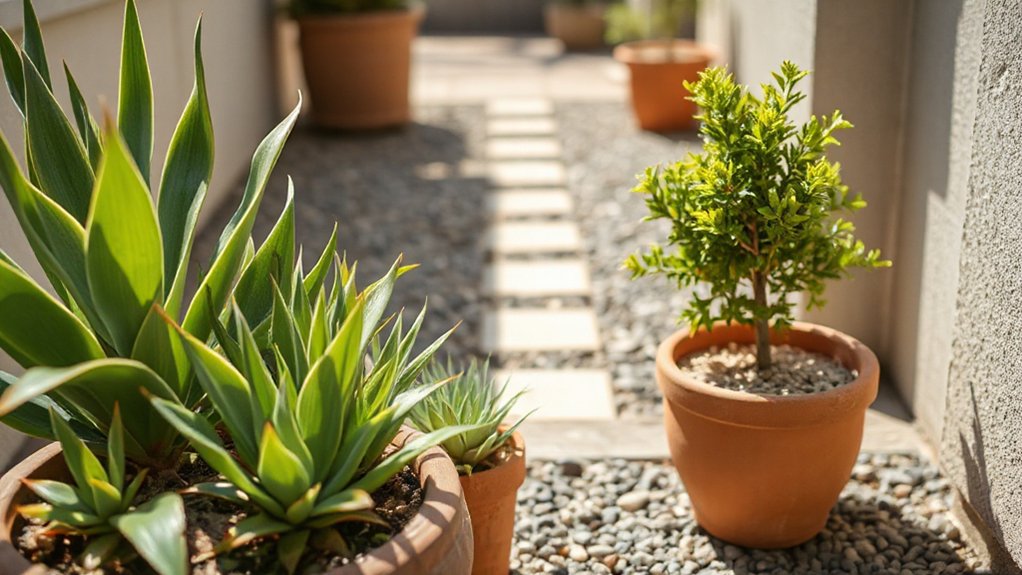
Small gardens benefit from low-maintenance plants because they maximize usable space and minimize upkeep. You select species that thrive with minimal inputs, reducing irrigation, fertilization, and pruning. This efficiency preserves room for essential features like paths and seating, enabling reliable circulation and safe access.
You’ll favor compact residents that form steady profiles throughout seasons, limiting replanting and disturbance. With fewer maintenance demands, you gain predictability in growth and harvest windows, supporting consistent 공간 planning, lighting, and microclimate management.
Consider garden art as a focal point that remains visually stable without routine refreshes, and integrate pest control strategies that rely on resilient, well-spaced pestsuppressors rather than frequent chemical interventions.
The result is a durable, functional layout that stays tidy between visits.
Choose Native, Drought‑Tolerant Staples
Native, drought-tolerant staples form the backbone of a small garden. By selecting native plants, you align with local climates, soils, and pollinators, reducing maintenance and irrigation.
Focus on drought tolerant staples that endure dry spells without fuss, yet provide structure and seasonality. Use this approach to create a reliable canvas for year-round interest and low inputs.
- Choose species that are well-adapted to your region
- Prioritize deep-rooted natives for water efficiency
- Pair textures and bloom times to sustain pollinators
- Group plants with similar water needs to simplify irrigation
- Avoid high-maintenance exotics that require extra care
Sunlit vs. Shady: Plants for Tight Spaces
If you’ve got sun or shade in a tight space, you’ll want clear picks that perform without fuss. In sunlit spots, aim for compact, drought-tolerant grasses and perennials from the Sunlit Space Plant Picks.
In shady corners, choose sturdy, low-maintenance understory plants from the Shady Corner Gems. Pairing strategies balance height, color, and texture for tight footprints, using the Tight-Space Plant Pairings to guide placement and maintenance.
Sunlit Space Plant Picks
For sunlit spaces, choose compact, high-traffic plants that thrive in full light and dry to moderate soil. You’ll select varieties that perform reliably in containers, emphasizing low maintenance and strong growth without rescuees. Prioritize compact habits, rapid fill, and resistance to heat stress. Keep roots airy, use well‑draining media, and water deeply only when top inch dries.
Pair with durable, light‑fast foliage to reduce replacement needs. Think in terms of indoor greenery compatibility with container gardening, ensuring you can lift, prune, and reposition as light shifts through seasons.
- Dwarf Mediterranean herb blend for fragrance and dense coverage
- Sedum reflexum for sun, drought tolerance, and structural color
- Echinacea ‘PowWow’ compact cultivar for height without crowding
- Portulaca grandiflora for continuous bloom and soil tolerance
- Bacopa australis compact form for trailing, bright accents
Shady Corner Gems
In practice, select shade-loving species with slow vertical growth and compact root systems to maximize spacing efficiency. Focus on reliable performers that resist wilting, require minimal fertilization, and tolerate periodic neglect.
Native plants are especially advantageous, offering compatible moisture needs and pest resistance while sustaining local ecosystems.
For durability, choose evergreen or semi-evergreen options that retain foliage year-round where possible.
Container material should be lightweight yet stable, with good drainage to prevent root rot.
Group plants with similar light and moisture needs, rotate seasons, and avoid overcrowding to sustain airflow and reduce disease risk.
Monitor soil moisture and adjust irrigation to maintain consistent, moderate moisture.
Tight-Space Plant Pairings
Sunlit and shady spots each demand tailored pairings that maximize vigor in tight spaces; by combining complementary light needs, you can maintain year-round interest without overpacking containers or beds.
- Choose sun-loving upright accents with shade-tolerant underplants to create vertical contrast.
- Align flowering annuals with evergreen foliage for continuous texture year-round.
- Pair herbs that tolerate different light levels to simplify care and spacing.
- Use compact cultivars to minimize root competition and improve airflow.
- Implement companion planting strategies to deter pests and support resilience.
This approach supports pest prevention by naturally spacing and mixing species, while companion planting promotes beneficial interactions.
In tight spaces, rotate plant families seasonally to maintain vigor and reduce disease pressure, ensuring a predictable, low-maintenance palette.
Easy Waterwise Care Routines That Save Time
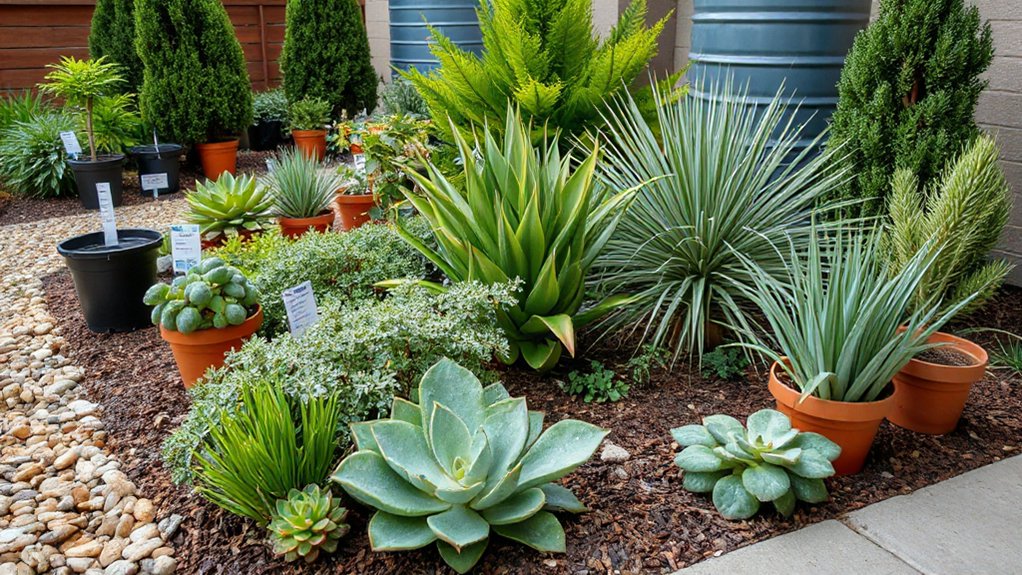
Waterwise routines center on delivering just enough water with minimal effort, so you’ll use a smart schedule, mulch, and soil moisture checks to reduce waste.
Focus on efficient hydration tips, like soil-first watering and deep, infrequent cycles that promote roots without oversaturation.
Pair these practices with time-saving maintenance steps to keep small beds tidy and thriving.
Waterwise Routine Essentials
Ready to trim watering time without sacrificing plant health? You’ll adopt a concise, repeatable routine that keeps roots fed and foliage thriving.
Start with smart scheduling, irrigation timers, and zone-specific watering to target the root zone without runoff. Monitor soil moisture and adjust based on season, plant type, and container vs. bed dynamics.
Maintain soil nutrition by occasional compost applications and compatible slow-release fertilizers in line with label guidance.
Observe garden pests signs early and treat promptly to prevent stress that drives extra watering.
Use mulch to reduce evaporation and stabilize soil temperature.
Prioritize plant spacing for airflow and disease resistance.
Consistency beats intensity for long-term success.
- Schedule-based irrigation
- Soil moisture logging
- Mulch and spacing strategy
- Timed fertilizer inputs
- Regular pest checks
Efficient Plant Hydration Tips
Efficient plant hydration starts with a simple, repeatable routine you can trust. You’ll implement drip or soaker irrigation to deliver water at soil level, minimizing evaporation and leaf wetting.
Schedule deep, infrequent watering early in the day, allowing soil to rehydrate between sessions and reducing runoff.
Use a moisture meter or feel-test to avoid overwatering, aiming for moisture 2–3 inches deep in most beds.
Incorporate mulch to conserve soil moisture and stabilize temperatures.
Pair fast-growing, water-loving companions with drought-tolerant partners to optimize uptake and reduce frequent irrigation.
Practice companion planting to balance nutrient demand and moisture use, while monitoring pest activity that can disrupt root health.
Keep a concise log of irrigation events to refine timing and support pest control decisions.
Time-Saving Maintenance Practices
To save time while keeping plants healthy, implement simple, repeatable irrigation and care routines that minimize hands-on work. You’ll reduce maintenance by using targeted watering, mulching, and schedule-driven checks, keeping soil conditions stable and roots undisturbed.
Choose drought-tolerant varieties and group plants by water needs to streamline cycles. Integrate basic plant propagation techniques during routine pruning to expand stock with minimal effort.
Establish a pest management protocol: monitor, identify, and apply preventative measures before infestations start. Use soil sensors or timers to automate irrigation, and replace frequent fertilizer decisions with slow-release formulations aligned to growth stages.
Track outcomes to fine-tune routines for each bed, maximizing health with minimal intervention.
- Plant propagation planning during pruning
- Timed irrigation and mulch depth sanity checks
- Pest management baseline and monitoring cadence
- Drought-tolerant selections for microclimates
- Growth-stage scheduling for inputs and pruning
Color and Texture: Year‑Round Interest With Minimal Effort
Even in small spaces, you can achieve year-round color and texture with minimal maintenance by selecting a layered mix of plants that provide constant interest. Use a core of evergreen structure for winter presence, then interplant with seasonal color accents that peak at different times.
Choose textures that contrast: broad, matte leaves beside fine, glossy foliage, and stout stems against arching blades. Prioritize varieties with low water and low nutrient needs, and group by light requirements to minimize care.
Include a groundcover to fill gaps and suppress weeds, and a dwarf filler plant to soften edges without crowding. Plan for bloom succession and leaf color changes to maintain visual interest.
This approach delivers seasonal color and textural contrast with consistent, economical upkeep year-round.
Layout Ideas for Maximum Impact in Small Plots
Small plots punch above their weight when you layer layout techniques for maximum impact: start with a compact structural backbone of evergreen or upright specimens, place focal points at eye level, and use diagonals or curved lines to create flow.
Prioritize scale-aware planting heights, crisp edges, and repeatable rhythms to guide the eye without crowding. Integrate Garden art as anchors—sculptural pots, vertical trellises, or stone accents—placed near seating zones.
Implement zoning by function: a micro-compact bloom border, a low-water ground cover belt, and a maintenance-free center.
Employ composting methods to feed soil biology while minimizing inputs. Maintain sightlines from every vantage, and test views from two-thirds height to optimize balance.
- Garden art placement
- Vertical and diagonal lines
- Scale-aware pruning
- Soil health via composting
- Clear sightlines and zones
Start Now: A Minimal Maintenance Plan for Your Garden
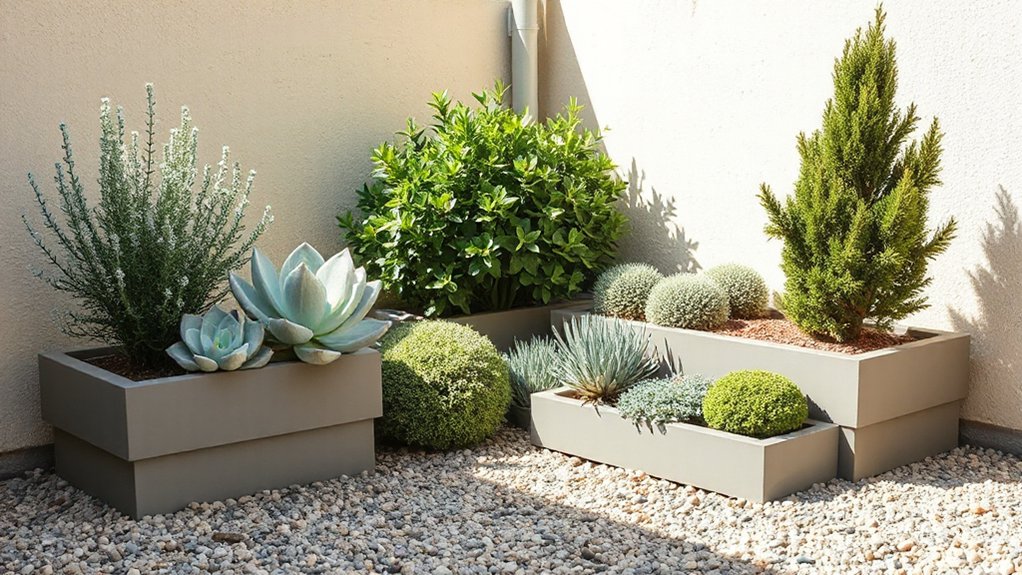
Start now by selecting a core set of low-maintenance plants and implement a simple, repeatable schedule that keeps gardening tasks minimal yet effective.
Begin with a compact palette chosen for compatibility and resilience. Group plants by light and water needs, then establish a universal, low-effort irrigation routine, such as dripping or slow-release sources, paired with a uniform mulch layer to suppress weeds.
Create a quarterly maintenance cadence: prune, divide, and refresh only once per season.
Apply companion planting principles to enhance growth and deter pests without chemicals.
Schedule routine checks for pests and diseases, promptly isolating affected specimens.
Use pest control practices that emphasize prevention—healthy soil, adequate drainage, and targeted, minimal interventions.
Document outcomes to refine selections, timings, and spacing for ongoing efficiency.
Frequently Asked Questions
How Do I Choose Low-Maintenance Plants for Extreme Shade?
Choose shade-tolerant, low-maintenance plants suited to your climate, focusing on shade tolerance and plant hardiness. Start by reading regional hardiness zones and select varieties listed as hardy in those zones.
Then verify they tolerate deep or intermittent shade. Prioritize species with low water requirements, disease resistance, and minimal pruning needs.
Group plants by similar moisture needs, test light hours, and use thick mulch.
Finally, document performance and adjust selections to maintain reliable growth in extreme shade.
What Are the Best Container Sizes for Small Spaces?
For small spaces, choose container sizes based on plant root needs and drainage. Start with 12–16 inches for most herbs, compact perennials, and dwarf shrubs.
Enlarging to 18–24 inches is suitable for larger vegetables. Guarantee container drainage is unobstructed and use saucers to prevent water pooling.
Check soil compatibility: use well-draining mixes for containers and avoid heavy clays.
Regularly assess depth, stability, and airflow to maintain healthy growth in tight quarters.
How Often Should I Prune Low-Maintenance Shrubs?
You should prune low-maintenance shrubs every 1 to 3 years, depending on growth rate and desired shape. Start with a vigorous trim in late winter or early spring, then a lighter touch after flowering.
In your flower bed, remove deadwood and crossing branches to improve airflow for pest control. Don’t over prune; tidy growth keeps plants compact and resilient, reducing maintenance while preserving bloom and health.
Regular checks ensure you catch issues before they spread.
Can I Blend Edible and Ornamental Low-Maintenance Plants?
Yes, you can blend edible ornamentals with ornamental plants, but plan for sun, spacing, and maintenance tips.
Pair drought-tolerant edibles with decorative perennials to minimize upkeep, and group like water needs to simplify irrigation.
Choose compact varieties to stay within small-garden limits, and label edibles to avoid confusion.
Maintain soil health with light, regular feeding, mulch, and timely pruning.
This approach keeps your edible ornamentals productive without overwhelming your design.
Which Mulch Types Minimize Irrigation Needs Most?
Mulch depth and organic mulches most effectively minimize irrigation needs. You should apply 2–4 inches of mulch, adjusting for climate and plant type.
Organic mulches (wood chips, bark, compost, leaf mold) retain moisture, reduce evaporation, and improve soil structure.
Maintain a fresh top layer, replenish as it decomposes, and avoid piling against stems.
In hot summers, a thicker layer toward 4 inches helps. This approach keeps water use dramatically lower and roots healthier.
Conclusion
You’ll prune less, persevere more, and watch plants perform with punchy practicality. Pick native, drought-tolerant staples, pair sunlit and shady spots, and let evergreen structure anchor your scheme. Waterwise routines reduce repetition, while Sedum, Portulaca, rosemary, and thyme provide year‑round texture. Calibrate layout for compact plots, keep color and contrast deliberate, and commit to a minimal maintenance plan that multiplies beauty with minimal effort. Grow gracefully, save time, sustain soil, and savor smart, steady success.