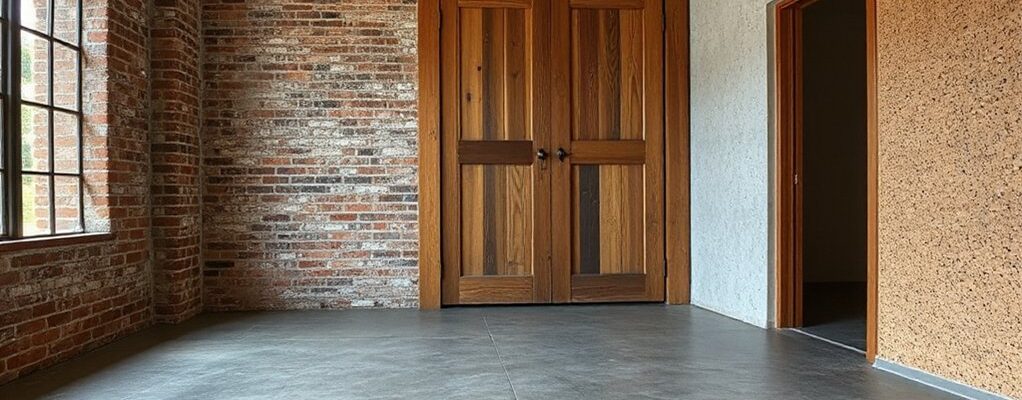
Underrated materials can quietly transform a space, giving it warmth and depth without shouting for attention. Think salvaged brick, reclaimed wood, rammed earth, or hempcrete—textures that age gracefully and feel honest. Pair them with cork, terrazzo, or recycled glass to add subtle sophistication. The trick isn’t luxe showmanship, but smart sourcing and layered finishes that invite touch and linger. Curious how to mix these elements without overpowering a room? Let’s explore what works.
Key Takeaways
- Embrace rammed earth or hempcrete for thick, tactile walls that regulate humidity and age gracefully, adding honest material character.
- Incorporate cork or terrazzo for warm texture, durability, and dynamic acoustic or visual notes in high-traffic or focal areas.
- Use reclaimed brick and salvaged wood to inject history and patina, balanced with clean, modern design for restraint and charm.
- Add recycled glass elements to reflect light and subtly shift color with sun, enriching surfaces without visual clutter.
- Prioritize smart sourcing and lifecycle thinking to ensure underrated materials remain sustainable, repairable, and contextually appropriate over time.
Why Underrated Materials Elevate Interiors
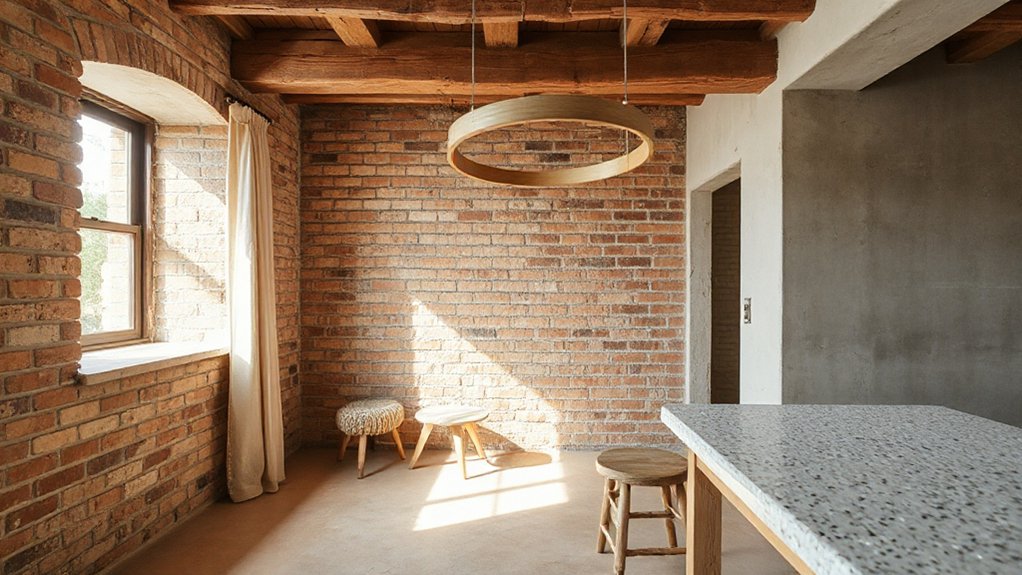
Underrated materials bring a fresh, purposeful energy to interiors because they invite you to rethink what “quality” looks and feels like. You’ll notice how these materials add texture, nuance, and authenticity without shouting for attention.
Rather than chasing trends, you focus on function, durability, and sustainable sourcing. Innovative applications release surprising versatility: a concrete tile that mimics leather, a soft-plastic composite that reads as stone, or a low-profile metal panel that doubles as a backsplash.
You evaluate where longevity matters most—how a surface wears, cleans, and ages—so you choose paths that retain character. Material longevity becomes a practical metric, not a vague promise.
With disciplined selection, you achieve cohesive spaces that age gracefully, reducing replacement cycles while elevating everyday experiences.
Salvaged Brick and Reclaimed Wood: Warmth and Character
Salvaged brick and reclaimed wood bring warmth to spaces you live in, not just look at. Their stories add texture and character, giving rooms a sense of place you can feel.
When you plan finishes, these materials reward with depth and longevity that stand up to everyday use.
Warmth From Reclaimed
For an attractive, lasting result, plan an innovative installation that respects both structural and aesthetic goals. Start with brick accents or a full wall, ensuring proper sealing and moisture control to prevent issues down the line.
Reclaimed wood brings warmth through patina, grain, and subtle imperfections that tell a story you can touch. Prioritize sourcing with clear provenance to maximize historical significance and avoid hidden defects.
Balance salvaged pieces with modern elements—clean lines, neutral substrates, strategic lighting—to keep the space contemporary while honoring its rugged past.
Character Through Salvage
Keep patterns restrained—large walls of brick or a single wood feature can anchor a room without overwhelming it. Choose vintage fixtures that echo the era of the materials, paired with clean, modern lines to balance character and function.
For accents, incorporate artistic murals that complement the brick’s rustic tone rather than compete with it. Practical finishes—low-sheen sealants, durable paints, and thoughtful lighting—preserve patina while maximizing usability.
Salvage rewards careful restraint, purposeful placement, and a space that feels curated, not nostalgic.
Cork or Terrazzo: Texture, Durability, and Style
Cork brings warmth and tactile texture, inviting you to touch and feel its quiet comfort.
Terrazzo delivers durability with depth, adding surprising character through varied chips and color.
Together, they offer style versatility and a balanced palette for practical, refined spaces.
Cork Texture Warmth
Curious how texture can shape comfort? Cork brings warmth through its microtexture and natural tonal shifts, giving spaces an inviting, lived-in feel without overwhelming color schemes. You’ll notice it reads as soft underfoot, yet remains resilient enough for daily activity.
Choose cork in floors, wall panels, or accents to introduce tactile depth that complements minimalist or rustic palettes alike. The material’s porous surface subtly diffuses light, enhancing coziness while staying practical.
When you install cork, you’re investing in a material that ages gracefully, developing character rather than showing wear. Cork installation should align with proper substrate preparation and moisture control to maximize performance.
In addition, acoustic benefits help dampen footfall and ambient noise, supporting a calmer, more focused environment.
Terrazzo Durability Depth
Terrazzo blends durability with depth, offering a hard-wearing surface that scuffs less and ages gracefully. You’ll notice its depth comes from crushed stone bound by cement, producing a tactile, visually rich pattern that reads both timeless and refined.
This material stands up to heavy traffic, making it ideal for high-use areas without sacrificing style. Its durability isn’t about rigidity alone; terrazzo rewards care with ongoing polish that revives its shine and color fidelity.
Industrial appeal emerges in its clean lines and utilitarian essence, while the method carries historical significance from mid-century modern and earlier craft traditions.
Choose terrazzo when you want longevity, fewer replacement cycles, and a surface that gracefully bridges retro character with contemporary space.
Style Versatility Balance
If you’re balancing texture, durability, and style, cork and terrazzo each offer distinct versatility that can shape how a space feels and functions. Cork delivers warm tactility and easy acoustic benefits, making rooms feel intimate without sacrificing practicality.
Terrazzo, by contrast, brings crisp lines, color depth, and a durable, easy‑to‑maintain surface that ages gracefully. Together, they enable innovative combinations, letting you blend subtle organic cues with bold patterns or chromatic gestures.
Use cork for zones demanding comfort and quiet, then pair terrazzo on high‑traffic floors or feature walls to anchor the design. Consider cultural influences—historic terrazzo motifs or rustic cork textures—to impart character while staying cohesive.
The result is a balanced palette that supports function, comfort, and enduring style.
Rammed Earth and Hempcrete: Natural Walls, Real Presence
Rammed Earth and Hempcrete offer walls with tangible presence, combining ancient craft with modern performance. You’ll experience thick, tactile walls that regulate humidity and temperature, delivering a steady, breathable interior climate.
These materials create a calm, honest backdrop for your spaces, without shouting for attention. When you design with them, you embrace natural insulation and steady thermal mass, reducing energy use while maintaining comfort.
Hempcrete’s lightweight matrix buffers sound, supporting quieter rooms, while rammed earth adds depth and texture that ages gracefully. The result is eco friendly aesthetics you can feel in every touch and see in every shadow.
With proper detailing, maintenance stays straightforward, and your project earns character through material honesty rather than ostentation.
Recycled Glass: Light, Color, and Texture Play
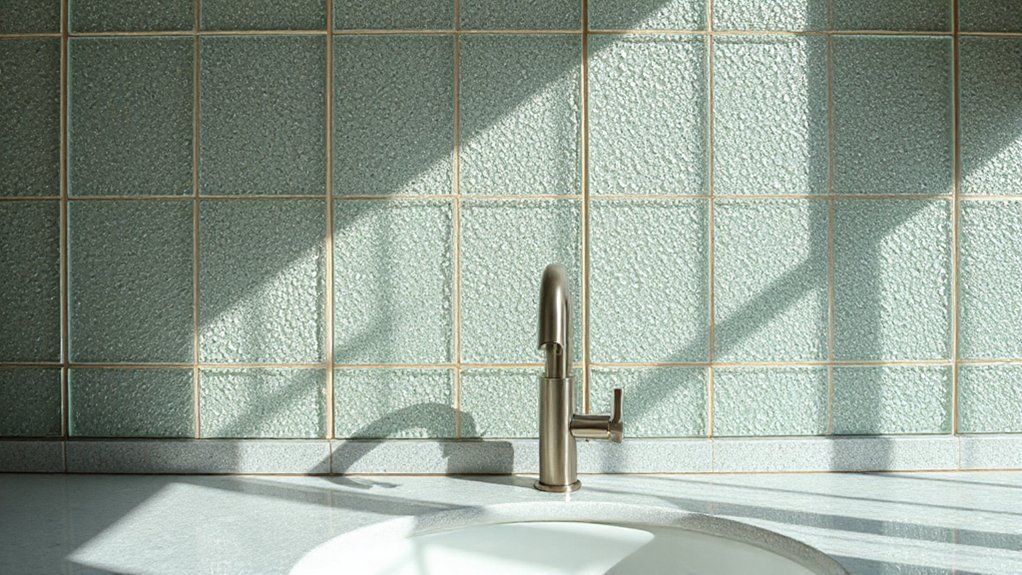
Recycled glass brings light, color, and texture into spaces with immediacy. You’ll notice how its reflective surfaces multiply ambient glow, while embedded hues shift with the angle of the sun.
Practically, it’s about diffusion, scale, and repeatable texture that doesn’t dominate a room. Color dynamics emerge from grain size, translucency, and finish, offering subtle drama without loud contrast.
1) Use glass tiles or aggregates to create a controlled shimmer on backsplashes or walls.
2) Choose pebble-like pieces for tactile texture that catches daylight without glare.
3) Combine frosted and clear fragments to modulate light diffusion across surfaces.
4) Integrate recycled glass panels in cabinetry or room dividers for color accents.
Note: this topic emphasizes material beauty and function, not budget or sourcing.
Smart Sourcing for Budget, Sustainability, and Craft
Smart sourcing combines budget mindfulness with sustainability and craft, so you can maximize value without compromising quality. You’ll prioritize partners who share transparent costs, lead times, and material origins, reducing waste and delays.
Innovative sourcing means scanning for regional, upcycled, or remnant materials that still meet performance needs, rather than defaulting to new production. Ask suppliers for lifecycle data, repairability, and end‑of‑life options to extend a material’s usefulness.
Eco friendly practices aren’t a box to check; they’re a framework for decisions, from low‑embodied‑energy processes to transportation efficiency. Keep your scope flexible: trades, warehouses, and community workshops can supply surprising options.
Document decisions, compare total cost of ownership, and test samples early. A disciplined approach turns budget constraints into opportunities for craft and character.
Finishes and Layering: Creating Depth Without Clutter
Finishes and layering aren’t about adding surface noise; they’re about shaping perception with restraint. You can create depth by combining tactful color, texture, and placement, rather than piling things on. Think of finishes as quiet punctuation that guides the eye.
- Use color contrast selectively to define zones without shouting.
- Layer materials with varied scales to add interest at eye level.
- Pair subtle patterns with solid backgrounds to avoid visual overload.
- Introduce one signature texture per room to anchor the space.
Keep patterns deliberate: mix them with intention, not abundance. Pattern mixing earns depth through contrast, not clutter. Color contrast should be refined, not loud, so you maintain coherence.
Let negative space breathe, and let finishes speak through quality, not quantity. Your space will feel intentional, calm, and inviting.
Frequently Asked Questions
How Do Underrated Materials Affect Acoustics in Small Spaces?
In small spaces, underrated materials influence acoustics by enhancing sound absorption and shaping reflections. You’ll notice less echo and clearer voices when you introduce porous or fibrous panels, cork, or textured textiles.
This acoustic enhancement happens as surfaces trap and dissipate sound energy. You’ll also gain warmth and character without sacrificing function.
Use strategic placement, balance between hard and soft materials, and mindful thickness to optimize comfort, privacy, and intelligibility in tight rooms.
Which Underrated Options Are Best for High-Traffic Areas?
You’ll want durable, high-traffic options like Decorative wall finishes and Unique flooring options that withstand wear.
Prioritize coatings and textures that hide scuffs, while staying easy to clean. Use matte or satin sheens to minimize glare, and choose reinforced composites for longevity.
Consider modular patterns and durable stone or tile accents to add character without sacrificing practicality.
Balance visuals with maintenance needs, and guarantee replacements are straightforward so you stay ahead in busy environments.
Can These Materials Improve Indoor Air Quality and Health?
Yes, these materials can improve indoor air and health if you choose natural, low-emission options and guarantee proper installation. You’ll reduce volatile organic compounds, dust, and mold risks, which benefits Indoor air quality and overall well-being.
Look for breathable, non-toxic finishes and materials with certifications. Regular ventilation, drying, and maintenance boost health benefits, making spaces feel fresher and safer while still adding character.
Commit to cautious sourcing and testing for maximum results.
What Maintenance Routines Maximize Longevity of Uncommon Materials?
You’ll maximize longevity by adopting proactive maintenance routines tailored to each material. Schedule regular cleanings, inspect joints, sealants, and fasteners, and address moisture promptly through innovative installation checks.
Use breathable finishes when appropriate and avoid harsh chemicals that degrade fibers. Implement a simple, recurring maintenance calendar to track weather exposure and repairs.
This approach balances performance with cost-effective preservation, ensuring uncommon materials stay durable, aesthetically pleasing, and resilient for years to come.
Are There Hidden Costs When Sourcing Reclaimed or Alternative Materials?
Yes, there can be hidden costs when sourcing reclaimed or alternative materials. You’ll face cost comparison gaps, especially for transportation, sorting, and certification.
Sourcing challenges include inconsistent supply, lead times, and stricter handling requirements. You might pay premiums for provenance or restoration, or incur disposal fees for incompatible leftovers.
Plan for sludge of surprises, buffer budgets, and transparent quotes to keep your project on track without derailing your design goals.
Conclusion
You’ve seen how underrated materials quietly transform a space—adding warmth, texture, and a sense of provenance. Embrace salvaged brick, reclaimed wood, rammed earth, hempcrete, cork, terrazzo, and recycled glass to build character without shouting. A surprising stat helps: projects using salvaged elements can cut embodied energy by up to 30% compared with new materials. Source thoughtfully, layer finishes with intention, and let imperfections tell your space’s story—practical, durable, and undeniably stylish.