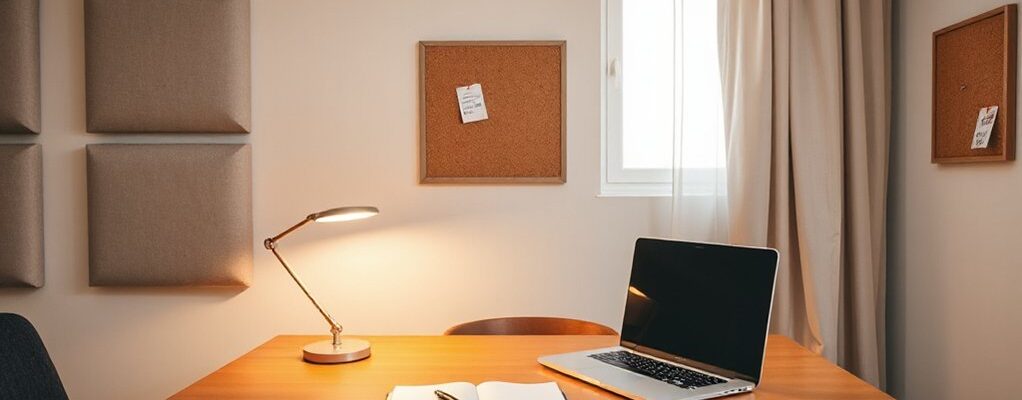
Set up a dedicated study zone in your student HMO to minimize distractions and maximize focus. Start with a modular, one-wall design that separates study, storage, and rest, plus adjustable chair and desk at elbow height for good posture. Layer lighting with natural light, task lamps, and ambient options, and control noise with soft furnishings and white noise. Keep essentials within arm’s reach, tidy cables, and schedule focused blocks with planned breaks. Stick to routines—more tips follow.
What a Study-Friendly HMO Room Looks Like in Practice
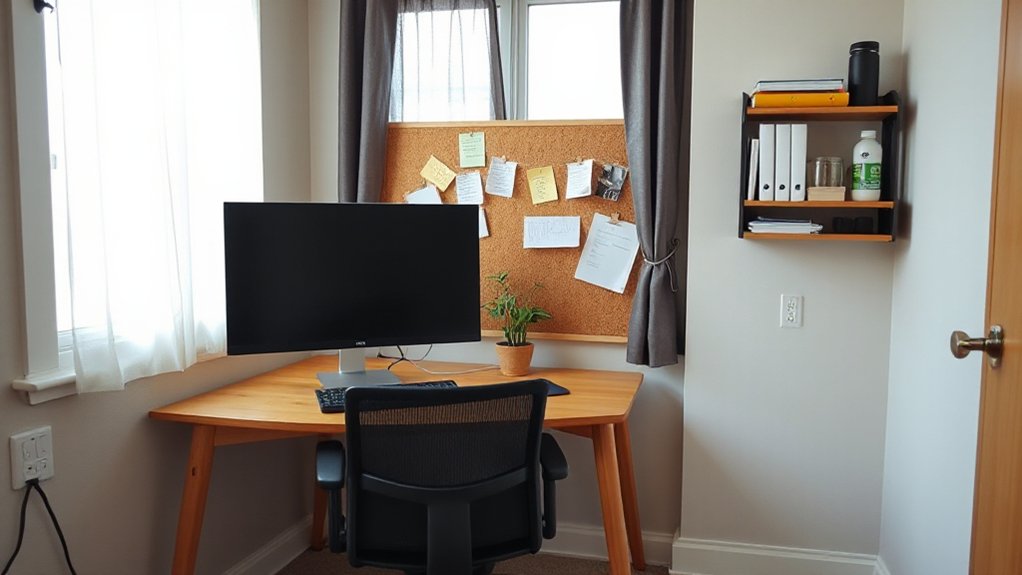
A study-friendly HMO room blends function with focus, delivering a quiet, organized space that supports sustained academic work. You prioritize a clean desk, cable management, and ergonomic seating to reduce fatigue and distractions.
Decorative accents are purposeful, not clutter, chosen to inspire without competing with work. Color schemes lean toward calm neutrals with a few restrained pops that lift mood and concentration.
Lighting matters: a blend of task lighting and ambient glow keeps eyes relaxed during long sessions.
Storage is accessible yet unobtrusive, with labeled bins and vertical shelving to maximize wall space. A dedicated power strip, surge protection, and a charging station keep devices ready without cord chaos.
In practice, you’ll notice fewer interruptions, simpler note-taking, and steadier progress throughout study blocks.
How to Create a Dedicated Study Zone (Step by Step)
Start by designating a single, clearly defined study zone you won’t confuse with living or lounging space.
Then optimize lighting with a bright, glare-free setup and minimize noise with practical controls like a quiet timer or white noise if needed.
Keep the area streamlined: a focused desk, essential tools within reach, and freedom from nonessential clutter.
Designate Dedicated Space
Creating a dedicated study space begins with a deliberate, practical setup that signals to your brain: here is your focus zone. You’ll designate a specific area free from common distractions, separate from lounging spaces, and maintain consistent boundaries.
Define the desk, chair, and storage spot so everything you need is within arm’s reach, reducing mid-study interruptions. Personalize thoughtfully: incorporate Creative wall art that motivates without visual clutter, and choose a neutral color palette to support focus.
Establish rules for the space, like no non-study activities during sessions, to reinforce its purpose. Consider aromatherapy benefits with subtle scents to improve concentration, but avoid overpowering fragrances.
Keep cables managed, surfaces clean, and a small downtime switch to signal end of sessions. This clarity supports disciplined, efficient study blocks.
Optimize Lighting and Noise
To optimize your study zone’s lighting and soundscape, start by aligning brightness with your tasks and minimizing distractions. Use natural lighting when possible to boost alertness; position your desk near a window and employ sheer curtains to reduce glare.
Pair this with task lighting—an adjustable desk lamp for focused work and a dimmer for reading sessions.
Control noise by defining a quiet boundary and applying soundproofing techniques: door sweeps, dense curtains, and soft furnishings absorb impact sounds. Consider a white-noise device or headphones for consistent ambiance during deep work.
Keep visual clutter low to prevent cognitive overload, and choose a neutral color palette that promotes concentration.
Regularly reassess lighting angles and noise levels as routines shift.
Choose a Desk and Chair That Help You Focus
Choosing a desk and chair that support focus starts with ergonomics: your setup should promote good posture, minimize strain, and keep distractions at bay. You’ll optimize height, reach, and alignment to sustain concentration through long study blocks.
Start with an adjustable chair that supports lumbar curve, hips at roughly 90 degrees, and feet flat. Pair it with a desk at elbow height to avoid shoulder fatigue. If space is tight, a compact standing option can rotate into sessions, but maintain neutral wrists during typing.
Integrate ergonomic accessories like a monitor stand, keyboard tray, and cable management to reduce clutter.
Prioritize desk organization: clear surfaces, labeled zones for books and notes, and concise storage. A tidy, purpose-built workstation improves focus, consistency, and progress.
Lighting Setups That Boost Concentration and Mood
Good lighting can elevate focus just as a well-chosen chair does for posture, so it makes sense to pair your desk setup with a lighting plan that sharpens concentration while supporting mood.
You optimize your space by layering sources: a bright, neutral overhead, task lamps at eye level, and subtle ambient accents. Prioritize natural lighting where possible, using sheer curtains to reduce glare while keeping daylight flowing.
Position your monitor to avoid reflections, and set cool, blue-leaning tones for active study blocks. When you switch to evening work, shift to warmer, dimmer tones that cue relaxation without derailing momentum.
Use Mood boosters like color temperature, consistency, and dimming controls to sustain steady energy and comfort throughout long sessions.
Reduce Noise and Echo in Shared Spaces
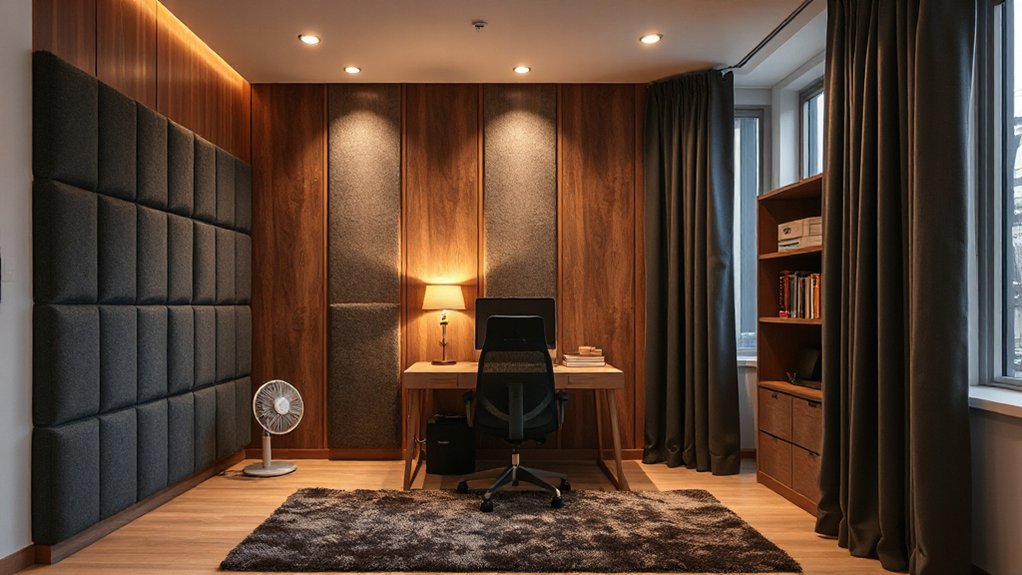
To keep study spaces productive, you should actively manage noise levels and create designated quiet zones for focused work. Use practical sound dampening measures and layout choices that damp echoes without isolating social areas.
Start by identifying the loudest times and implementing clear norms so everyone benefits from a calmer, more navigable shared space.
Manage Noise Levels
How can you keep shared spaces peaceful without sacrificing study time? You’ll approach noise proactively, balancing need and terrain. Begin with clear etiquette rules: quiet hours, respectful volume, and designated study zones.
Use practical noise controls—close doors, soft-closing hinges, and fabric furnishings that dampen impact sounds. For persistent disturbance, implement noise cancellation strategies, such as directional speakers for allowances or white-noise options where appropriate.
Invest in soundproofing techniques where feasible, like acoustic panels on walls and ceiling, rug layers, and underlayment for floorboards.
Schedule conflicts with roommates via a simple shared calendar, so study blocks aren’t swept away by late‑night gatherings. Regular feedback loops keep expectations aligned, ensuring everyone preserves focus without resentment or disruption.
Damp Echoes Effectively
Echoes can undermine study time even when noise is kept in check, so you’ll want a targeted approach that dampens reflections and softens impact sounds in shared spaces.
To damp echoes effectively, begin with a concise plan: identify hard surfaces, then introduce materials that absorb or diffuse sound. Implement acoustic treatment that prioritizes frequencies most disruptive to study, such as mid to high ranges.
Choose wall panels, bookshelf density, and fabric-covered screens to break parallel reflections. Add thick curtains or blinds for adjustable control without clutter.
Use area rugs to trap footfall noise and reduce hard-floor bounce. Position seating away from reflective walls and align desks to minimize line-of-sight reflections.
Regularly audit spaces and refine setups for ongoing quiet, productive environments.
Storage That Actually Helps You Grab What You Need
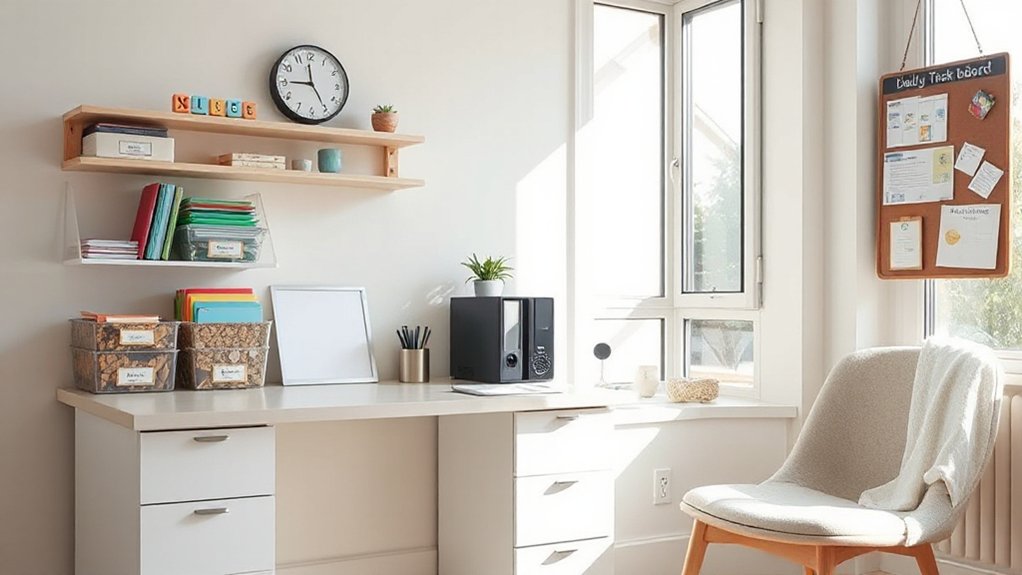
You implement deliberate placement, clear labels, and predictable zones, so your brain can retrieve items without cognitive load. Decor organization and Storage solutions converge here, delivering fast access and minimal rummaging.
1) Group similar items together in easy-to-reach tiers
2) Use labeled bins and color cues for quick scanning
3) Prioritize sightlines to frequently used tools and notebooks
4) Allocate a dedicated, uncluttered space for study materials
Ergonomics on a Budget: Comfortable Setups
You can optimize your setup without breaking the bank by prioritizing budget ergonomic essentials that make daily study more comfortable. Start with a supportive chair, an adjustable desk, and a keyboard-and-mouse arrangement that keep your wrists neutral and your eyes level.
We’ll explore practical, cost-conscious desk arrangements that boost posture, focus, and productivity.
Budget Ergonomic Essentials
Budget ergonomic setups prove that comfort and productivity don’t have to cost a fortune. You’ll optimize a compact space with intentional purchases and smart habits, keeping long-term value in mind. Focus on posture support, adaptable surfaces, and affordable accessories that yield measurable gains in focus and endurance. You’ll also leverage budget lighting solutions to enhance mood and reduce eyestrain, reinforcing study space aesthetics without overspending.
- Prioritize a chair with adjustable height and lumbar support, paired with a stable desk at elbow level.
- Add a low-profile monitor stand and a keyboard tray to maintain neutral wrists.
- Choose a sit-stand option or a stable height riser to vary positions.
- Implement cable management and a simple anti-glare mat to sustain organization and comfort.
Comfortable Desk Arrangements
Creating a comfortable desk arrangement on a budget starts with a thoughtful layout that supports neutral posture and sustained focus. You’ll optimize where you sit, the height of your monitor, and the reach to frequently used tools, reducing strain and wasted movement.
Choose a sturdy chair with lumbar support and an adjustable desk if possible; otherwise, stackable supports or risers can lift items to ergonomic angles.
Position your screen at eye level, about an arm’s length away, and keep essential materials within easy reach to minimize turning.
Integrate decorative plants to improve air quality and mood, and use ambient scents to create a calm backdrop without overpowering concentration.
Prioritize cable management to maintain clean surfaces, and rotate tasks to prevent static postures.
Personalize With Calming Decor That Won’T Distract
Personalizing your study space with calming decor is essential for sustained focus and reduced distraction. You’ll choose pieces that foster serenity, not stimulus, so your brain stays in study mode. Apply color psychology subtly: soft blues and greens can lower arousal, while warm neutrals keep energy stable.
Wall art should be tasteful and uncluttered, avoiding busy patterns that pull attention away from work. Keep textures smooth and surfaces matte to minimize glare.
Below are practical add-ons:
1) Minimal framed prints with muted palettes
2) Neutral-toned textiles for a cohesive look
3) A single, purpose-built desk plant for ambience
4) Soft lighting via a dimmable lamp to control mood
With purposeful decor, you’ll maintain focus and create a refined, distraction-free zone.
Privacy Strategies for Shared Bedrooms and Common Areas
Shared bedrooms and common areas demand intentional privacy design to minimize overlap and interruptions. You’ll implement clear zones that respect personal boundaries while keeping study flows uninterrupted. Use privacy barriers—folding screens, curtains, or modular screens—to create discreet study nooks without isolating roommates.
Position desks away from high-traffic paths to reduce visual and auditory distractions. Establish agreed-on quiet zones and use subtle signage to reinforce expectations without sounding punitive. Invest in sound-dampening textiles and door sweeps to limit noise bleed between rooms and shared spaces.
Communicate boundaries early and revisit them after schedule changes or conflicts. Document rules in a simple roommate agreement, outlining turnaround times for requests and privacy violations. Prioritize practical, scalable solutions that preserve collaboration when needed.
Quiet Hours and Housemate Etiquette That Actually Work
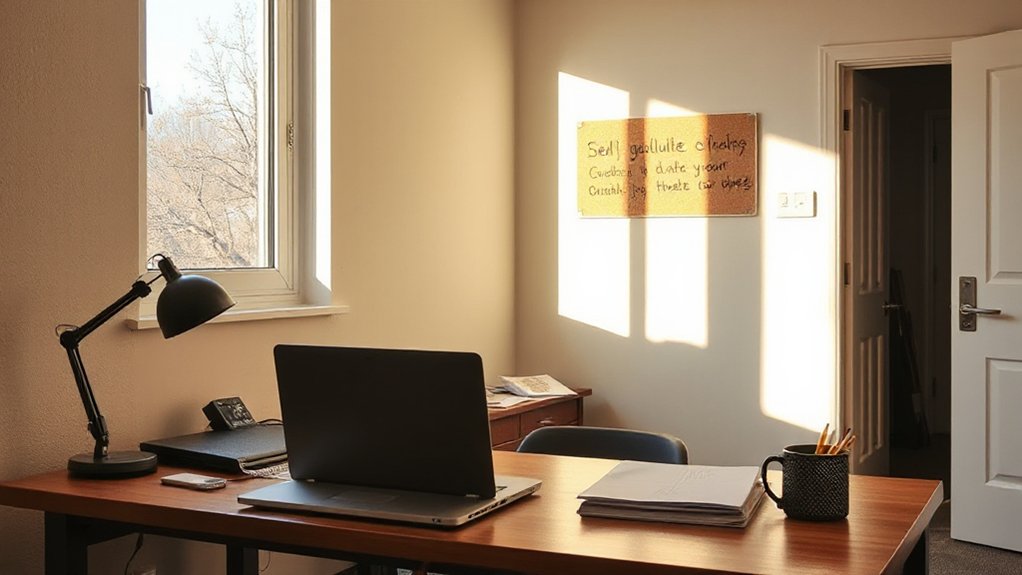
Quiet hours aren’t just a rule; they’re the backbone of productive study and smooth living. You’ll create real harmony by setting expectations, modeling respect, and enforcing boundaries with confidence. Focus on proactive, practical etiquette that scales as your group grows.
- Establish predictable windows and shared-space norms, then document them in a simple tally for easy reference.
- Practice concise housemate communication: brief alerts, confirmations, and reminders that prevent interruptions.
- Prioritize quiet in study zones while designating active-lounge times to accommodate social needs.
- Reinforce shared space boundaries with agreed signals, quick corrections, and periodic check-ins to sustain trust.
Tech Setup That Minimizes Disruption and Maximizes Uptime
Prioritize a quiet, wired setup with reliable connectivity and minimal devices competing for bandwidth. I’ll focus on Quiet Tech Setup, Reliable Connectivity Tips, and Power Management Practices to keep your study flow uninterrupted.
Let’s establish strategies that reduce interruptions, conserve power, and guarantee you stay online when it matters.
Quiet Tech Setup
A well-designed quiet tech setup minimizes disruption and maximizes uptime by isolating noise sources, prioritizing reliable hardware, and enforcing clear usage boundaries. You’ll reduce ambient chatter with quiet peripherals, minimize wakeups, and keep critical apps running smoothly. Use smart gadgets and study apps to streamline focus without adding complexity.
- Choose solid, low-noise keyboards and mice and place them away from shared zones.
- Centralize essential devices on a dedicated power strip with surge protection and uptime monitoring.
- Schedule nonessential updates and backups during off-peak hours to prevent interruptions.
- Implement clear rules for shared resources, notifications, and screen time to maintain a stable environment.
Reliable Connectivity Tips
Reliable connectivity is the backbone of a study-friendly room, so you should harden your setup against interruptions and outages. To maximize uptime, audit your current network path and remove single points of failure.
Invest in a quality router with MU-MI, default-deny firewall rules, and automatic firmware updates. Place it central to minimize dead zones and pair with a robust modem from your provider.
Use a wired Ethernet backbone for critical devices, and reserve Wi‑Fi for mobility and secondary tasks. Implement a simple, documented internet stability checklist: monitor speeds, log outages, and test during peak hours.
Enable QoS for essential applications, and keep a backup plan—mobile hotspot as a contingency. Reliable connectivity supports focused study without distraction.
Power Management Practices
Effective power management is essential to keep your tech setup resilient during outages or outages-proof periods. You’ll optimize reliability by planning ahead, using purpose-built solutions, and prioritizing safety. Implement strategies that reduce load spikes, protect devices, and extend uptime.
- Use a surge-protected power strip with built-in resettable fuses to guard peripherals and spare outlets for essential devices.
- Invest in an uninterruptible power supply (UPS) for critical equipment, and test it monthly to ensure energy efficiency and quick recovery.
- Schedule energy-aware routines, like staggered charging and automatic power-downs, to minimize peak demand and heat generation.
- Maintain clean cables and accessible outlets, and perform regular electrical safety checks with a licensed professional.
Study Routines for a Busy HMO Schedule
When you’re juggling classes, work shifts, and social commitments in a busy student HMO, deliberate study routines become your greatest asset. You’ll design a core cadence that fits your week, not the other way around. Begin with a fixed daily start time, block focus sessions, and guard them fiercely. Use short, specific goals for each block, then review outcomes each evening.
Pair study with strategic breaks to sustain energy, and employ active recall over passive rereading to maximize retention. Keep a portable plan: a compact calendar, a prioritized to-do list, and a quick pre-study ritual.
Integrate cooking tips for quick, nourishing meals and fitness routines that foster focus, stamina, and steady momentum. Your schedule should feel intentional, scalable, and consistently aligned with exam targets.
Cleaning and Maintenance Rhythms to Keep Focus
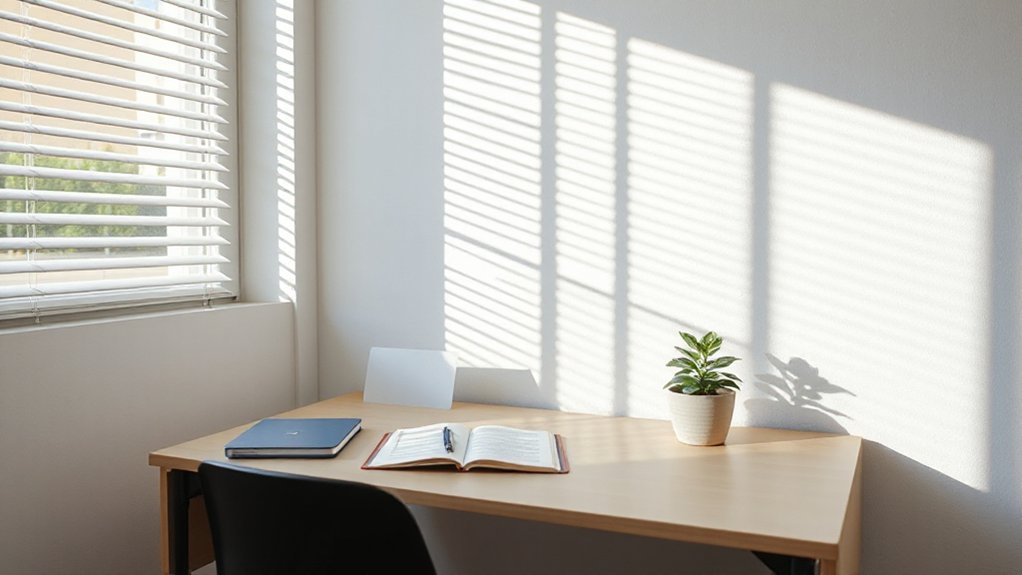
A clean, well-maintained study space is a productivity multiplier, so establish simple cleaning and upkeep rhythms that intrude as little as possible on your focus blocks. You’ll preserve momentum by pairing quick tasks with natural breaks, embedding maintenance into your routine rather than letting messes accumulate.
Focus on reliable Cleaning schedules and streamlined maintenance routines to minimize disruption and maximize consistency.
- Set a nightly 5-minute reset, tidying clutter and wiping surfaces.
- Schedule a weekly deep-clean day, rotating tasks to cover dust, floors, and electronics.
- Log short, recurring checks for HVAC, lighting, and filters to prevent surprises.
- Align chore minutes with study blocks, so upkeep feels like a supportive cadence, not a burden.
Flexible Layouts for Solo vs. Group Study
Prioritize study space ergonomics by positioning desks to minimize neck strain and ensure keyboard-and-screen alignment within easy reach. Use flexible furniture arrangements—modular desks, mobile chairs, and foldable surfaces—to reconfigure in minutes for a lecture, a breakout, or a silent reading window.
Integrate zones: a primary desk for solo analysis, a whiteboard wall for quick brainstorming, and a small seating cluster for peer review. Optimize lighting and acoustics to sustain concentration during changes between modes.
Quick Room Makeover Ideas You Can Do This Week
If you want a fast, high-impact transformation, start with a focused plan and a tight shopping list. You’ll gain momentum by prioritizing small, strategic swaps that shape study zones without overhauling the whole room. Quick updates hinge on decorative accents and deliberate furniture arrangements that cue focus and calm.
- Identify a single focal wall and add cohesive decorative accents that mirror your color scheme.
- Reconfigure key furniture pieces to carve separate study, storage, and rest areas for better flow.
- Swap out harsh lighting for layered tones (task, ambient, and accent) to reduce glare.
- Tidy cords with discrete organizers and implement smart storage to reclaim desk space.
Frequently Asked Questions
How Can I Maximize Natural Light Without Glare During Study?
To maximize light while avoiding glare, you tilt blinds, position your desk near, but not in, direct sun, and use light diffusers. Choose window treatments that diffuse rather than block. Consider strategic placement for consistent, comfortable illumination.
What Affordable Acoustics Reduce Noise Effectively in Dorms?
Acoustic panels and noise canceling curtains effectively reduce noise in dorms. You’ll install acoustic panels on walls and ceilings, pair with noise canceling curtains for doorways and windows, creating a strategic, expert-driven, affordable quiet study environment.
How Do I Manage Study Materials to Prevent Clutter Buildup?
Sure, you manage study materials with ruthless efficiency. You implement organizational systems and clever storage solutions, ruthlessly decluttering. You’ll stay disciplined, optimize flow, label everything, and keep only essentials for peak focus—ironically proving order even amidst distractions.
Which Power Strips or Cables Are Safest in Shared Rooms?
Yes—choose a surge protector with a grounded extension, ideally rated for at least 1,500 joules and multiple outlets. You’ll minimize risk, keep cords organized, and safeguard shared equipment while you study confidently and efficiently.
How Can I Track Study Progress With Limited Desk Time?
A striking 62% of students improve with structured routines. You implement a tight study schedule and use quick Progress tracking checks, revising daily targets. You stay focused, record milestones, and optimize time blocks for consistent, high‑quality study.
Conclusion
You’ll notice the rooms click into place when you align study zones with your routines, and that moment isn’t magic—it’s deliberate design. Coincidence plays its part: a quiet corner appears just where your most intense sessions need it, a lamp finds its perfect shade exactly when you crave focus, and clutter oddly clears as deadlines approach. Stay strategic, test layouts, and refine habits; your study-friendly HMOs will become less luck and more predictable leverage for every exam.