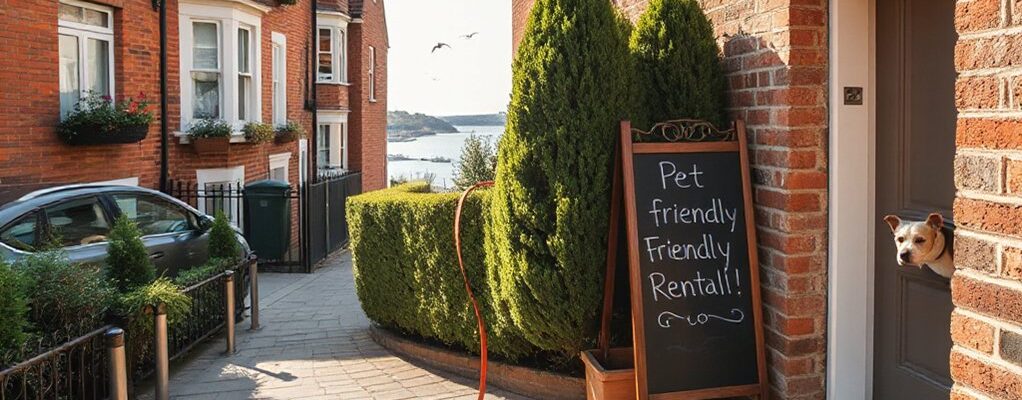
Looking for pet-friendly UK rentals? Start with cities known for flexible policies—Manchester, Bristol, Edinburgh, and Leeds—where longer leases, pet deposits, and clear guidelines ease the process. Don’t overlook rural havens with enclosed yards and quiet towns prioritizing responsible ownership. Seek listings that announce transparent pet policies, weight or breed limits, and nearby vets. Prioritize gated outdoor spaces, easy-clean flooring, and nearby parks. Use targeted searches near pet services and utilities, and expect up-front pet costs. There’s more to optimize your search as you proceed.
What Makes a UK Rental Truly Pet-Friendly
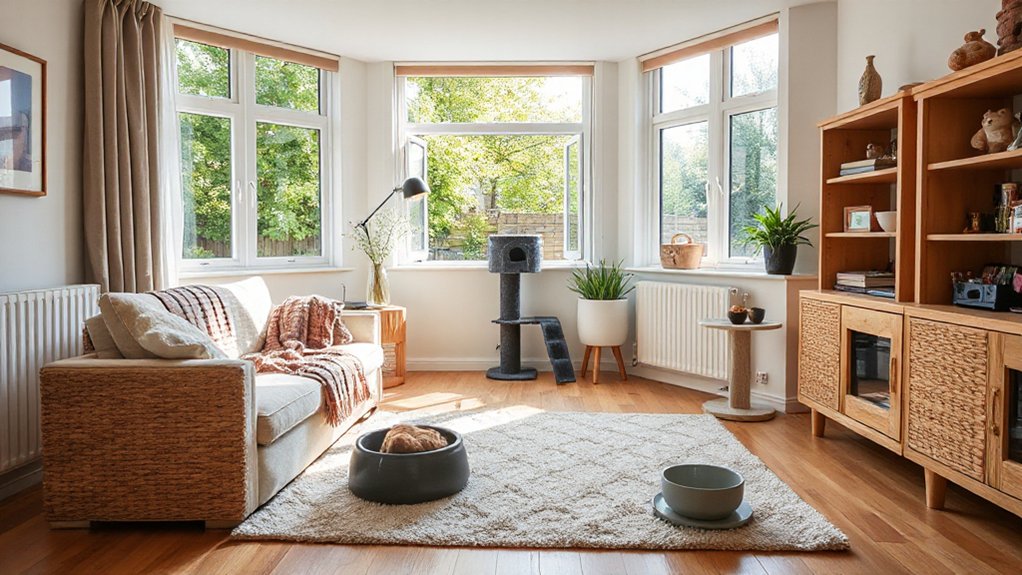
A truly pet-friendly UK rental goes beyond welcoming pets; it actively anticipates their needs and your peace of mind. You’ll find spaces designed for easy supervision, durable finishes, and quiet hours that respect both creature and neighbor.
Look for entrances and hallways that tolerate damp paw prints and scratches without consequence, plus flooring that cleansed easily after muddy adventures. A thoughtful property aligns with Pet adoption conversations, supporting linked services, and flexible lease terms that honor responsible ownership.
Storage for bowls, toys, and litter or waste gear keeps clutter minimal and safety maximal. Training tips matter here: clear boundaries, predictable routines, and written house rules help everyone settle faster.
Prioritize proactive communication with landlords to secure ongoing support and a truly considerate living environment.
Top UK Cities With Generous Pet-Friendly Policies
UK cities are increasingly embracing pet-friendly living, prioritizing flexible leases, on-site pet amenities, and landlord cooperation that makes moving with a furry companion less intimidating. In this landscape, top hubs like Manchester, Bristol, Edinburgh, and Leeds stand out for thoughtful policies, accessible veterinary care, and community support that eases passages for new pet owners.
You’ll notice longer-term leases, pet-friendly deposits, and clear guidelines that reduce friction during notice periods, fostering stability for your animal family. Pet adoption programs flourish in these areas, often paired with dedicated councils and shelters that streamline assessments and introductions to local neighborhoods.
Veterinary care access is robust, with affordable clinics, emergency services, and preventive care integrated into urban living. This combination defines vibrant, responsible cities that welcome your companion.
Quiet Towns and Countryside Havens for Pets
You’ll discover quiet village pet policies that make daily routines simpler and calmer for you and your companion. Rural property listings showcase spaces with practical options, from enclosed yards to secure courtyards, tailored for relaxed countryside living.
With fenced outdoor spaces and thoughtful design, these havens invite you to plan peaceful, pet-friendly escapes that keep your routines intact.
Quiet Village Pet Policies
Quiet villages often earn their charm from simple, pet-friendly habits that welcome four-legged companions without fuss. You’ll notice clear policies in local rental guides that emphasize responsible ownership, waste disposal, and leash etiquette, all tailored to preserve calm, safe streets.
Quiet neighborhoods thrive when landlords prioritize reasonable limits—dogs indoors after dusk, cats permitted with proof of vaccination, and quiet hours respected by all residents. You’ll appreciate village amenities like fenced greens, designated dog zones, and easy access to low-traffic paths that encourage daily exercise.
Clear on-site notices keep expectations aligned, reducing friction with neighbors. This approach helps you balance freedom with consideration, ensuring serene living for you and your pet, while maintaining the village’s overall harmony and appeal.
Rural Property Listings
In these areas, rural charm isn’t just décor; it shapes daily routines, from dawn walks to sunset returns. You’ll encounter rental options near farming communities, where barns, stone walls, and winding lanes frame your exploration.
Properties often feature generous plots, easy access to footpaths, and proximity to local markets that celebrate livestock, produce, and community events. This isn’t about anonymity; it’s about belonging, connecting with neighbors who value responsible pet ownership.
Seek listings emphasizing quiet lanes, green spaces, and practical, pet-friendly infrastructure within authentic farming communities.
Fenced Outdoor Spaces
From the rural charm you already appreciate, fenced outdoor spaces bring both safety and freedom to pets in quiet towns and countryside havens. You’ll value how secure yards reduce wandering, protect wildlife, and simplify daily routines for your companion.
Fenced outdoor spaces create predictable outdoor time, encouraging exploration without constant supervision. Pet safety hinges on quality gates, slip-resistant surfaces, and properly maintained fencing that keeps paws and noses inside.
1) A well-designed perimeter that suits your terrain
2) Gated access that tames traffic and curious wildlife
3) Clear zones for play, toilet breaks, and shade
4) Routine inspections to sustain security and longevity
How to Spot Legitimate Pet-Friendly Rentals Online
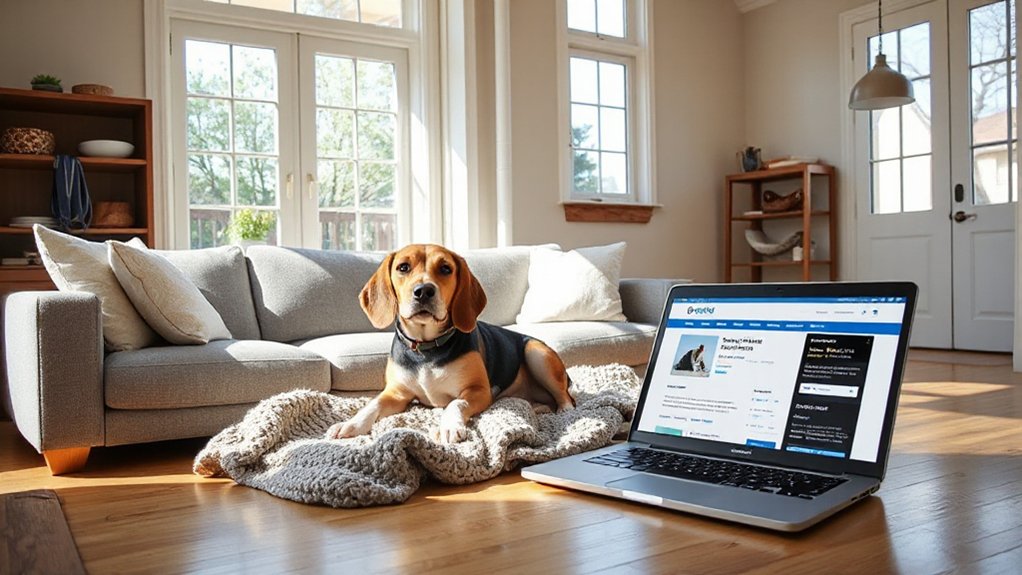
Start by verifying listing legitimacy, checking for clear owner details, real photos, and consistent contact information.
Scrutinize the pet policies to confirm breed, size, and fee clarity before you commit.
Gather and compare tenant proofs, such as references or landlord approvals, to guarantee the rental truly accommodates pets.
Verify Listing Legitimacy
To verify a listing’s legitimacy, start by checking the platform’s verification badges, contact details, and rental history.
You’ll look for clear owner or agent identity, responsive communication, and consistent posting details that match the property’s photos.
- Verify the listing’s author and contact channel.
- Check recent activity and confirmed inquiries.
- Cross-check photos with external sources or maps.
- Search for independent reviews or red flags.
Trust signals you want: licensed letting agents, secure payment options, and visible lease terms.
If you’re renting with a pet, confirm pet-friendly status and any extra deposits in writing. Keep broader concerns in view—Pet adoption and Veterinary care details nearby can indicate a responsible landlord.
Your diligence protects you and your future companion, ensuring a legitimate, pet-friendly home.
Scrutinize Pet Policies
Ever wonder how to spot legitimate pet-friendly rentals online? Begin by reading the listing’s pet policy carefully. Look for clarity on allowed animals, care responsibilities, and any accompanying fees.
A credible owner or agent specifies apartment-wide rules, dog or cat limits, and when visits or introductions to neighbors occur. If language is vague or fees escalate without justification, treat it as a red flag.
Check for breed restrictions, which some properties impose despite general “pets welcome” promises. Note any discrepancies between photos and policy statements, or inconsistent terms across platforms.
Compare policies across multiple listings to identify standard practices. Use a direct line of inquiry to confirm exact terms before proceeding, ensuring you understand obligations and potential penalties.
Check Tenant Proofs
After you’ve read the pet policy, you’ll want to verify tenant proofs to confirm legitimacy. You’ll look for clear Pet verification steps and robust Lease documentation to separate genuine offers from scams.
- Check landlord identity and company presence, ensuring direct contact details and professional branding.
- Request verifiable references from previous landlords and evidence of on-time rent payments.
- Confirm pet-related details, including breed, size, and required deposits, tied to the lease.
- Inspect documentation for consistency across listings, messages, and official forms.
This approach protects you from misrepresentation and ensures the tenancy aligns with pet-friendly criteria, not just hollow promises.
Trustworthy processes rely on transparent Pet verification and secured Lease documentation to finalize a legitimate, comfortable home for you and your companion.
Essential Questions to Ask Landlords About Pets
Before you sign a pet-friendly lease, arm yourself with essential questions that reveal a landlord’s real stance on animals. You’ll want clarity on breed and size restrictions, monthly pet rent, and replacement costs for damaged items.
Ask about insurance requirements, pet deposits, and how violations are handled to avoid future disputes. Inquire whether the property allows multiple pets and if there are any quiet-hours or communal area rules that affect your routine.
Probe about pet adoption support—whether the landlord welcomes rescue animals and if there’s flexibility during acclimation. Seek confirmation on access to veterinary care references or preferred veterinary networks, ensuring you can maintain your pet’s health.
Finally, request written policies on cleaning standards and post-occupancy refunds to protect your tenancy.
Navigating Common Pet Restrictions and Breed Rules
Understanding the typical pet restrictions and breed rules is essential before you commit. You’ll navigate common hurdles with clear criteria and sharp focus, avoiding costly surprises. Here’s what to map out:
- Pet breed restrictions—verify allowed breeds and any bans or size limits.
- Species and companion limits—confirm number of pets and whether exotic animals are permitted.
- Insurance requirements—know if landlord mandates specific pet insurance or liability coverage.
- Documentation expectations—prepare vet records, vaccination history, and recent pet inspections if needed.
Armed with this clarity, you’ll assess properties efficiently and negotiate confidently. A disciplined checklist helps you compare options, ensuring your choice aligns with both your lifestyle and the landlord’s protections.
Pet breed restrictions and pet insurance requirements shape your rental path—plan proactively.
Pet-Friendly Subsidies, Deposits, and Fees to Expect
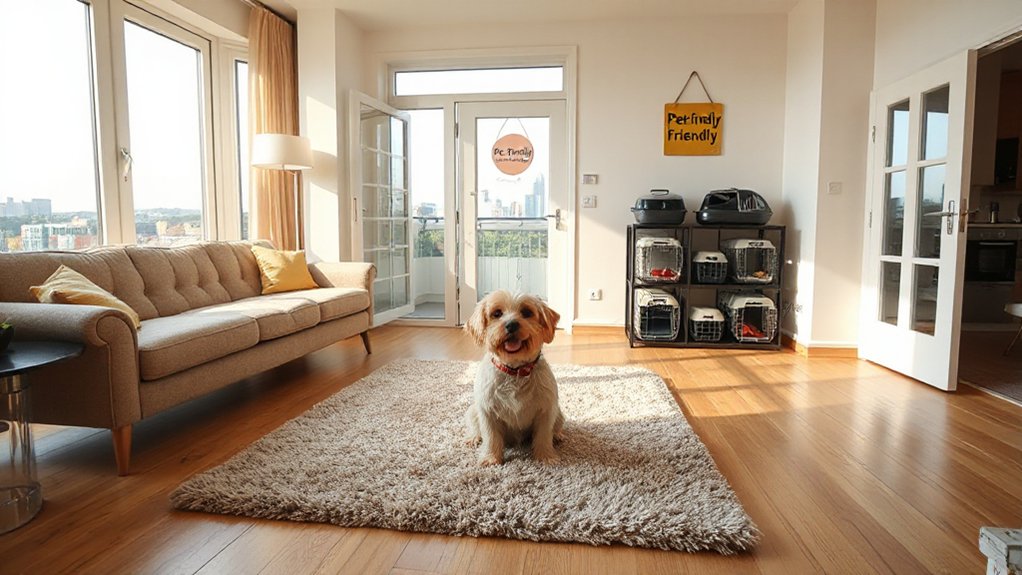
You’ll want to understand the typical pet deposit ranges, what they cover, and how they’re returned at the end of your tenancy.
Expect a mix of upfront costs, potential monthly fees, and possible pet-specific surcharges, with clear breakdowns in your tenancy agreement.
We’ll also compare subsidies, discounts, and landlord incentives that can ease the financial stretch without compromising your pet’s comfort.
Pet Deposit Variations
Pet-friendly rentals in the UK often involve a pet deposit or fee, but the specifics vary by landlord, property type, and location. You’ll find variations in how deposits are calculated, refunded, and whether they cover damage or unpaid rent. The nuance matters because it shapes your upfront costs and ongoing protection.
- Deposit ranges from one to two months’ rent, sometimes with a cap or tier based on pet type.
- Some properties offer a refundable “pet anxiety” or cleaning surcharge instead of a full deposit.
- Landlords may require proof of pet insurance to mitigate liability.
- Vet costs and routine care aren’t always covered, so plan for veterinary costs.
Stay precise in negotiations to protect your budget and peace of mind.
Additional Fees to Expect
To set expectations, landlords may layer several charges beyond monthly rent for pet-friendly rentals, including upfront deposits, cleaning surcharges, and occasional subsidies that affect overall affordability. You’ll encounter non-refundable or partially refundable pet deposits, plus one-time admin fees at signing.
Some properties apply ongoing pet-related maintenance or insurance surcharges, which can influence monthly cost comparisons. Be aware of pet insurance requirements or waivers, and whether coverage is through the landlord or you.
Veterinary costs may be discussed as potential outlays tied to damage or care during tenancy, though not all landlords require it. In practice, read the tenancy schedule carefully for caps, refund terms, and timing.
Clarify what constitutes eligible pet-related damage versus ordinary wear, and request written cost estimates when uncertainties arise.
Subsidies And Discounts
As you compare properties, expect a mix of subsidies, deposits, and fees that can shape the overall affordability of a pet-friendly rental. You’ll encounter ways to soften up-front costs and ongoing expenses, including targeted incentives and practical savings. Keep an eye on how landlord policies align with pet ownership and budget.
1) Pet insurance inclusions or discounts that offset vet bills
2) Reduced security deposits for responsible pet households
3) Flexible renewal terms tied to pet-related maintenance
4) Veterinary discounts or partnerships offered by property managers
These elements impact total cost beyond rent, so weigh their value against monthly rates. Seek clarity on eligibility, limits, and transferability. With informed comparisons, you’ll secure a property that protects both wallet and well-being.
Local Amenities That Suit Pets and Owners
Living spaces that welcome four-legged friends and their people thrive where neighborhoods offer walkable routes, reliable pet care, and convenient access to essentials. You’ll value nearby parks, green spaces, and safe sidewalks that encourage daily exploration with your pet.
Local amenities like pet-friendly cafes, community centers, and friendly shopfronts matter, making errands feel effortless rather than chore-like. Look for areas with dependable pet grooming options and readily available veterinary services, ensuring routine care is both convenient and reassuring.
Proximity to reputable groomers means quicker appointments and consistent maintenance for coats and nails. Accessible veterinary services provide peace of mind for unexpected needs.
In short, choose neighborhoods that blend practicality with aesthetic appeal, so daily life with your companion remains simple, stylish, and secure.
Smart Search Tricks for Pet-Friendly Rentals
Looking for pet-friendly rentals can feel like a scavenger hunt, but smart search tricks streamlines the process from the start. You’ll filter quickly, leverage pet-friendly flags, and target listings with clear pet policies. Use precise keywords to separate cats, dogs, or other companions, and always verify boundaries, deposits, and renewal terms.
Remember to align rental terms with your family’s veterinary care needs and pet adoption goals.
- Filter by pet policy and breed restrictions to narrow options without waste.
- Search for nearby veterinary care and pet-friendly amenities to gauge convenience.
- Save listings with transparent deposits, fenced outdoor space, and posted weight limits.
- Contact landlords with a concise, pet-focused introduction highlighting responsible ownership.
Budgeting for a Pet-Friendly Rental: Key Costs to Expect
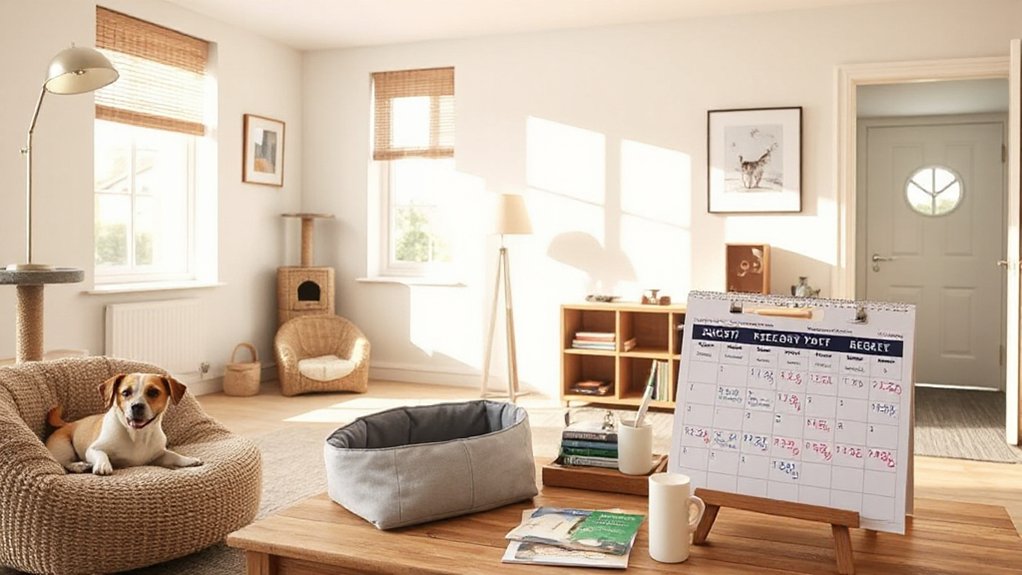
When you’re budgeting for a pet-friendly rental, anticipate costs beyond the base rent. Familiarize yourself with upfront fees, such as deposits or pet-specific deposits, and the potential for non-refundable charges that cover cleaning or damage mitigation.
Consider recurring costs like higher monthly rent, utility adjustments, and pet insurance, which can stabilize veterinary surprises. Plan for pet adoption-related expenses if you’re welcoming a new companion, including initial supplies and microchipping.
Build a cushion for veterinary care, routine checkups, vaccines, and urgent visits, since pet health can be unpredictable. Budget for licensing where required, plus potential costs for pet-friendly property modifications or restrictions.
Next Steps: Compare Options and Plan Viewings
To compare options effectively, start by translating your budget and must-haves into a checklist you can audit quickly during viewings. You’ll confirm pet-friendly terms, proximity to Vet clinics, and overall suitability for daily routines. Use your list to compare properties swiftly and confidently, reducing post-viewing second guesses.
Remember to verify practicalities like access to green space, pet insurance considerations, and damage deposits.
- Confirm pet-friendly policies and any breed or weight restrictions.
- Check nearby veterinary clinics and emergency access.
- Assess noise, cleanliness, and shared-space maintenance for pets.
- Compare rent, deposits, and any pet-related fees against your budget.
Frequently Asked Questions
Do Landlords Cover Pet Insurance Costs in Deposits?
No, landlords typically don’t cover pet insurance costs in deposits. Pet deposit policies vary, and many properties impose pet deposits or premiums. Be aware of landlord pet restrictions and confirm coverage requirements before you sign.
Are There Breed-Specific Exclusions Commonly Used?
Breed restrictions do exist; some landlords wield them like tidal waves. You’ll encounter pet screening, documenting temperament, vaccines, and space needs, then decide if you’re a fit—or not. Stay vigilant, because gatekeepers aren’t always consistent.
Can Multi-Pet Households Rent in the Same Building?
Yes, multi-pet households can rent in the same building, depending on the apartment policies. You’ll face pet screening procedures, and landlords weigh welfare, space, and compatibility before approving terms.
How Are Monthly Pet-Related Maintenance Costs Handled?
Pet deposit policies vary, but you’ll typically cover a refundable security deposit plus pet-specific fees. Maintenance fee structures may include monthly or quarterly charges for upkeep, repairs, and wear, with clear limits and notice in your lease.
Do Pet-Friendly Listings Require a Pet Reference Letter?
Yes, pet-friendly listings often require a pet reference letter. You’ll also face pet deposit policies and house training requirements, so you better prep proof and diaries, because these rules govern your adorable chaos with astonishing precision and style.
Conclusion
Pet-friendly rentals aren’t rare, they’re within reach—once you know where to look and what to ask. In fact, data shows over 40% of UK rentals now advertise pets, up from just a third a decade ago. You’ll find welcoming landlords in city hubs and rural havens alike, plus clear policies that protect both your family and your home. Start with trusted portals, ask the right questions, and plan viewings—your perfect paw-some place is closer than you think.