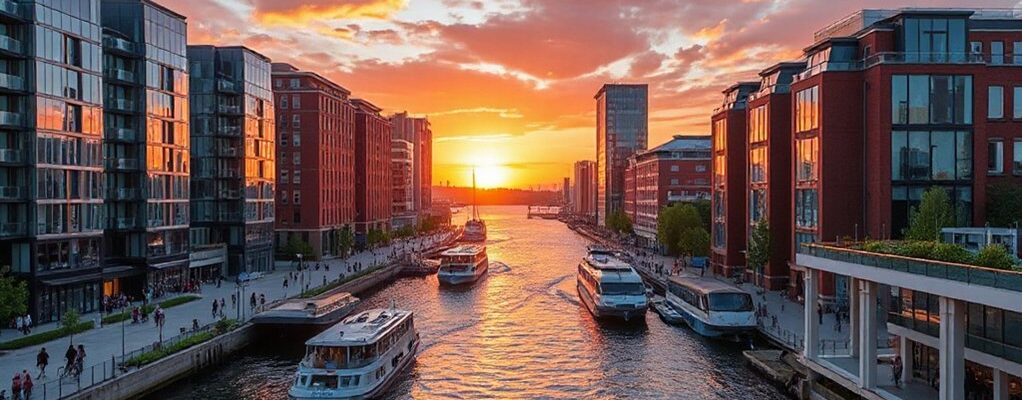
Regeneration is reshaping Liverpool’s property landscape by expanding transport links, green spaces, and cultural venues, which collectively lift demand and stabilize values. You’re not just buying into homes, but into a strategic upgrade of amenities and employment that attract long-term interest. The question is how these coordinated projects balance heritage with modern needs while managing risk. What signals should you watch as investment opportunities evolve in evolving districts?
Key Takeaways
- Regeneration boosts demand by improving infrastructure, amenities, safety, and job opportunities, making neighborhoods more attractive to buyers and renters.
- Mixed-use and historic-building refurbishments preserve character while adding modern amenities, support higher occupancy, and lift property values.
- Transport upgrades and transit-oriented development expand catchment areas, shorten commutes, and attract buyers seeking reliable, affordable living options.
- Waterfront and green-space projects enhance lifestyle quality, biodiversity, and flood resilience, stabilizing long-term housing demand.
- Cultural initiatives, employment opportunities, and inclusive housing policies boost footfall, local spend, and rental yields while supporting affordability.
Why Liverpool’s Regeneration Matters for Your Property Decisions
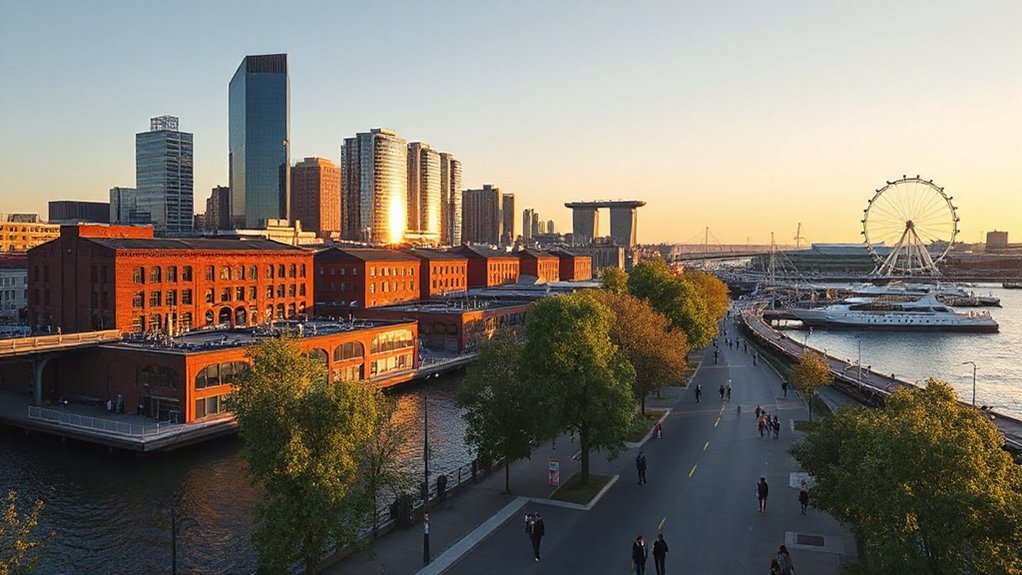
Liverpool’s regeneration reshapes the property landscape by revealing new demand drivers, from improved infrastructure and jobs to enhanced amenities and safety. You’ll find value in areas where historical architecture blends with modern planning, signaling durable demand that outpaces short-term cycles.
Policy priorities—affordable housing targets, transit accessibility, and inclusive growth—directly influence pricing, rental yields, and long-term capital preservation. By tapping into enhanced cultural assets and safety improvements, you experience steadier occupancy and reduced vacancy risk, even during market fluctuations.
Consider the appeal of authenticity: historical architecture offers unique resale potential, while ongoing investments in public environment deepen neighborhood desirability. Local cuisine, unchanged yet evolving, reinforces daytime and evening footfall, supporting sustained rental demand as regeneration accelerates.
Align decisions with measurable indicators: infrastructure milestones, safety metrics, and evolving amenity provision.
Which Regeneration Projects Are Shaping Liverpool’s Housing Demand
Many regeneration projects are actively reshaping housing demand in Liverpool by translating policy goals into tangible housing and neighborhood outcomes. You’ll see momentum across mixed-use developments, affordable housing targets, and upgraded transport links that shorten commute times while expanding living choices.
Priorities include nurturing Historic preservation to retain city identity, alongside protecting affordable stock as new supply comes online. You’ll also note Architectural innovation driving efficient layouts, better energy performance, and adaptive reuse of underutilized buildings.
These projects align with a policy-driven framework that emphasizes sustainable growth and inclusive access. As demand shifts toward higher-quality urban living, you’ll experience clearer signals for property investment, with transparent timelines, measurable outcomes, and stronger coordination between public programs and private development.
Why Waterfront Living and Green Spaces Attract Buyers and Renters
Waterfront living and green spaces act as tangible growth magnets, shaping resident preferences and investor confidence through measurable quality-of-life gains.
As demand shifts toward amenities that support daily well-being and climate resilience, Waterfront Appeal Growth, Green Space Magnetism, and Urban Regeneration Demand become core levers for policy and market strategy.
You’ll see these factors drive pricing, tenancy stability, and long-term urban vitality as regeneration plans align with waterfront access and park-rich landscapes.
Waterfront Appeal Growth
What makes waterfront living a strategic asset for property demand is its ability to blend accessible nature with built environments that invite longer tenancies and steadier values. You observe how waterfront development reframes usability, with mixed uses that anchor neighborhoods and reduce vacancy cycles.
From a policy lens, this growth hinges on complementary infrastructure, flood resilience, and predictable investment timelines, which attract lenders and mid-market buyers alike. You’ll note that green corridors, promenades, and docks become non-financial incentives—locking in demand beyond seasonality.
The emphasis on green space preservation as a corridor for biodiversity and public health reinforces resilience, while clear zoning rules support stable rents. In sum, waterfront appeal growth translates into durable yield, guided by proactive planning and measurable outcome metrics.
Green Space Magnetism
Green spaces aren’t just decorative; they’re strategic assets that amplify waterfront living’s appeal to buyers and renters. You’ll see that urban greenery shapes risk profiles, quality of life, and long-term affordability by offering climate resilience and shaded circulation routes along the docks.
When you evaluate market signals, eco-friendly initiatives emerge as measurable differentiators, turning parks and riverside paths into beacons for sustainable investment. Policy leads—green roof mandates, permeable surfaces, and tree canopy targets—translate into predictable housing demand and stabilized rents, even in volatility.
You should consider how land-use planning prioritizes accessible green corridors, linking homes to recreation and commerce. In Liverpool, the evidence suggests green magnetism complements redevelopment by attracting diverse households seeking healthier, lower-carbon lifestyles.
Urban Regeneration Demand
Urban regeneration drives demand by pairing revitalized infrastructure with accessible, high-quality public spaces, making waterfront living a tangible, long-term investment. You’ll see how waterfront foyers, promenades, and flood-resilient docks create reliable lifestyle anchors that attract both buyers and renters.
In practice, regeneration aligns with policy goals: upgrading transport links, subsidizing sustainable retrofit, and expanding green corridors to link Historical districts with new amenities. This isn’t just about aesthetics; it’s about productivity, safety, and planning clarity.
Commercial developments are sequenced to avoid oversupply, ensuring neighborhood significance and tax-base growth. Investors recognize that durable demand follows continuous placemaking, not one-off projects.
The result is a measurable shift toward high-density, mixed-use districts that prioritize accessibility, resilience, and long-term value.
How Culture and Arts Investment Affects Rental Yields and Tenancy
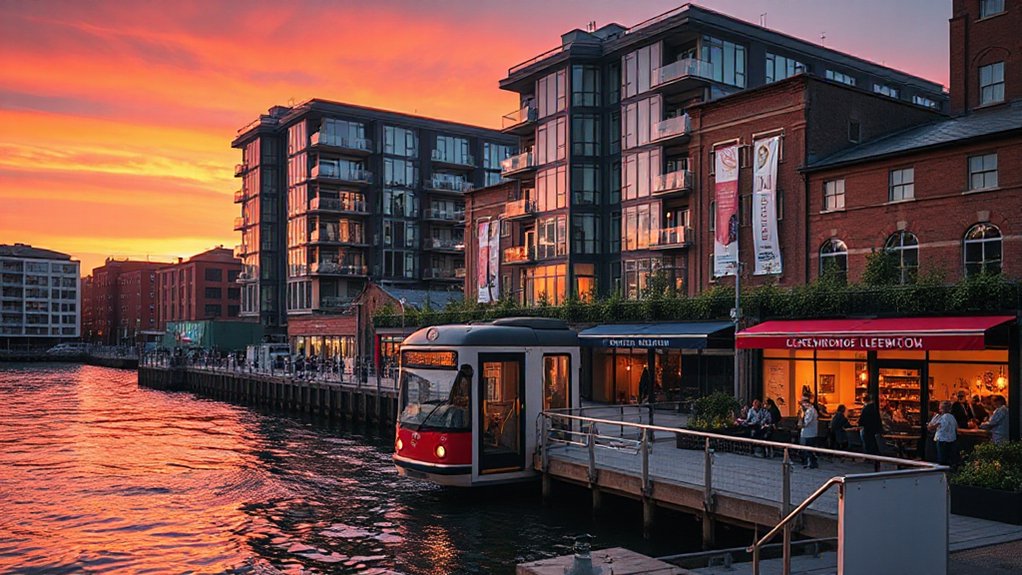
You’ll see that culture-led investment can lift rental growth by strengthening neighborhood appeal and attracting long-term tenants.
As arts funding and programming expand, property yields rise through higher occupancy and stable rents, even in softer markets.
This prompts policy-minded consideration of targeted incentives and streamlined approvals to sustain Tenant demand and maximize returns.
Culture-Led Rental Growth
Culture and arts investment can act as a catalyst for rental performance by signaling a neighborhood’s long-term liveliness, attracting a steady stream of residents who prioritize amenity-rich environments.
You assess how culture-led growth translates into higher occupancy stability and premium rents, not just puff. The dynamic hinges on selective, place-based enhancements: cultural festivals that sustain footfall, and local cuisine that anchors nighttime and weekend economies.
You should model risk-adjusted yields under scenarios where events scale and public sphere improves align with transport access. Policy implications include targeted mixed-use zoning, streamlined permit processes, and fiscal incentives for permanent cultural facilities.
Long-run outcomes point to resilient yields, diversified tenancy, and predictable demand cycles driven by authentic cultural assets.
Arts Investment Yields Tenants
Arts investment directly shapes rental yields and tenancy profiles by signaling durable demand for neighborhoods with creative infrastructure. You’ll see higher demand when art galleries anchor blocks, attracting both residents and businesses seeking cultural amenities.
This dynamic strengthens tenancy stability, as tenants value predictable footfall, curated experiences, and collaborative ecosystems. Policy-wise, targeted funding for arts infrastructure can compress vacancy risk and elevate rental performance, particularly in former industrial cores shifting to creative districts.
Investors should monitor spillovers from gallery ecosystems, sponsorships, and artist residency programs, which often lift street-level activity and testing grounds for new tenants. In Liverpool, deliberate arts-led branding can release premium rents, diversify tenant mixes, and sustain long-run occupancy through cultural legitimacy and civic identity.
Jobs, Apprenticeships, and the Value of Housing in a Growing City
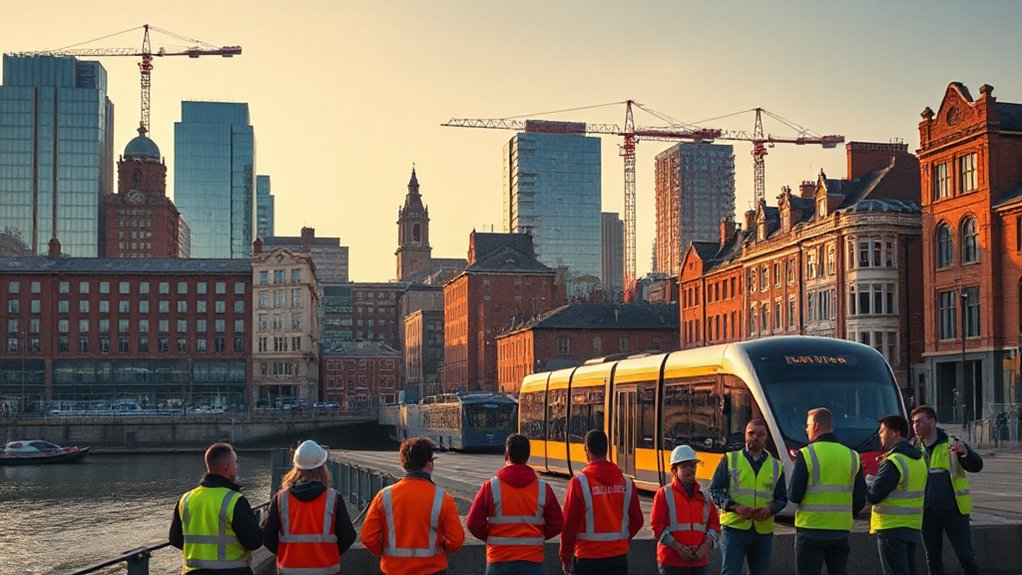
Regeneration is reshaping Liverpool’s job market and housing costs, making apprenticeships and local hiring pathways more critical than ever as the city grows.
You’ll see a tighter labor market where local programs can funnel residents into stable roles, supporting housing demand without price shocks.
Policy-driven strategies should align job creation with affordable options, leveraging public-private partnerships to fund training that matches employer needs.
Historical architecture and Local craftsmanship offer both employment and value, turning renovations into durable, high-skilled work that sustains neighborhoods.
A forward-looking plan prioritizes apprenticeships in construction, energy retrofits, and cultural sectors, ensuring pathways from education to steady wages.
As demand rises, coordinated housing supply and wage growth must advance in tandem to maintain affordability and momentum.
Transport Upgrades: How Accessibility Boosts Demand and Prices
Transport upgrades reshape how people access work, housing, and services, so accessibility improvements can directly lift demand and push prices upward in nearby areas. You’ll see this as public transport networks become faster, more reliable, and better coordinated with local amenities.
From a policy lens, the aim is to reduce travel times, expand rider options, and bundle housing with transit-oriented development. When accessibility improvements ease commutes, you attract residents who value predictable costs and quality of life, which tightens demand and supports price growth in adjacent markets.
For investors, this signals a sensible trajectory: targeted transport investment can compoundingly widen catchment areas, diversify housing options, and incentivize longer-term commitments in regenerating Liverpool corridors.
Key Buyer Risks and Opportunities in a Regenerating Market
Regenerating markets bring a mix of opportunities and pitfalls for buyers, and recognizing these dynamics early helps you position your investment strategy with precision. You assess risks like price volatility and changing demand cycles, balancing short-term returns against long-term resilience.
Historical preservation matters: protections can *release* grants or tax incentives, but compliance adds timelines and costs you must forecast. Market speculation adds heat to entry points, potentially inflating values beyond fundamentals; you should anchor decisions in transparent data and plausible scenarios rather than hype.
Regulatory shifts and infrastructure milestones shape cash flow, so you build flexible models that adjust to policy signals. Prioritize diversified exposure, measurable milestones, and exit options.
Thoughtful due diligence converts uncertainty into competitive advantage without overpaying for momentum.
How to Spot a Strong Regeneration-Led Investment in Liverpool
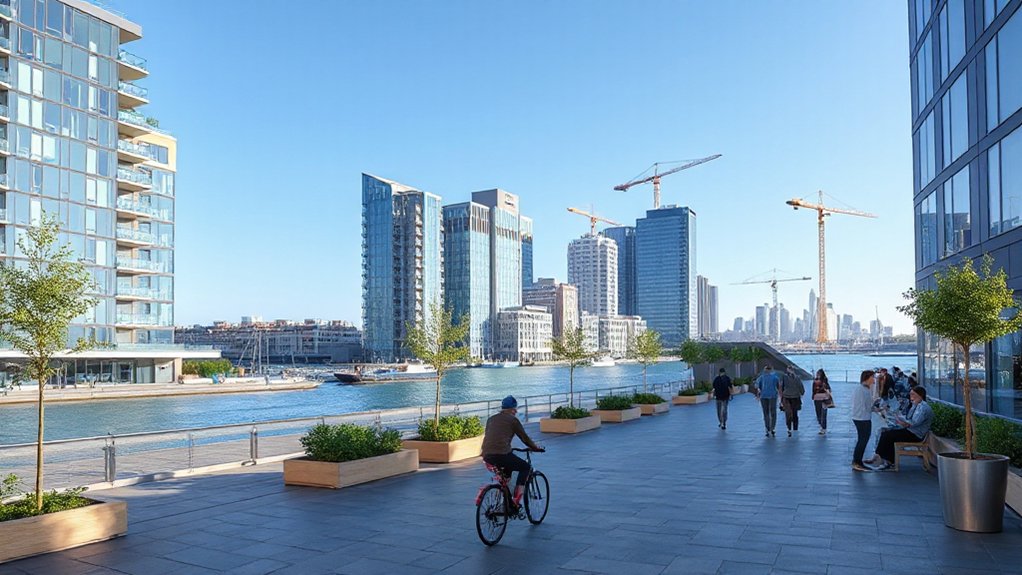
Liverpool’s regeneration trajectory can be read through concrete indicators: you should look for cohesive investment when housing, infrastructure, and employment signals align with mapped policy milestones and funding commitments.
In evaluating a strong regeneration-led investment, you identify cross-sector momentum: phased housing delivery tied to transport upgrades, plus job creation in targeted sectors, backed by transparent funding streams and measurable milestones.
Scrutinize Council plans, EU/central funding allocations, and private capital that coalesce around a clear redevelopment blueprint.
Favor projects with adaptive reuse of Historical architecture, sustainable design, and inclusive employment targets.
Observe liveable density growth without displacement risk, and vibrant local ecosystems, including Local cuisine as a community anchor.
A forward-looking stance pairs regulatory clarity with market confidence, signaling durable demand and price resilience.
Actionable Steps for Buyers to Secure Property in Evolving Areas
To secure property in evolving areas, you should start by mapping regeneration milestones to purchase timing and pricing. You evaluate planned transport links, housing supply, and school improvements to anticipate value surges.
Target districts with visible momentum, but verify governance quality and funding certainty to avoid misreads. Build a short list of sites near Historic architecture hotspots and places that strengthen Local amenities, ensuring livability alongside growth.
Use clear financial metrics: cap rate, yield, and projected appreciation under different policy scenarios. Align your bid strategy with phased development timelines, negotiating protections against delays.
Prioritize transparent sellers and data-backed appraisals, and insist on contingency clauses for infrastructure delivery risk. Maintain discipline, monitor quarterly updates, and adjust exposure as regeneration milestones unfold.
Frequently Asked Questions
How Does Regeneration Affect Property Insurance Costs in Liverpool?
Regeneration can reduce risk factors, potentially lowering historic architecture insurance premiums as protective measures improve. You assess policies, embrace resilient design, and advocate for data-driven pricing; you’ll see smarter coverage aligned with Liverpool’s evolving risk profile and costs.
Which Neighborhoods Benefit Most From Regeneration Funding Thresholds?
You’ll notice that 55% of regeneration-funding areas see property value gains. You benefit most in historic character districts with dense local amenities, where thresholds target revitalization, infrastructure upgrades, and inclusive growth—guiding your neighborhood’s policy-driven, forward-thinking improvement.
What Impact Does Student Housing Demand Have on Long-Term Value?
Student accommodation demand boosts long-term value by signaling stable occupancy and rents; you should monitor housing affordability pressures, as intensified competition could erode affordability, prompting policy-driven incentives for inclusive development and sustainable price ceilings to stabilize returns.
Do Council Policies Limit Short-Term Buy-To-Let Investments?
Short-term buy-to-let is constrained, yet councils carve exceptions; you weigh tenant rights against property taxes, balancing risk and opportunity. You’re analyzing policy implications, comparing incentives and safeguards, anticipating market shifts, and advocating proactive, data-driven regulation.
How Quickly Can Buyers Recoup Renovation Costs in Evolving Areas?
You can recoup renovation costs within 1–3 years if you align Property valuation trends with renovation timelines, leveraging rising demand; this requires proactive planning, data-driven budgeting, and policy-aware strategies to accelerate value capture in evolving areas.
Conclusion
Liverpool’s regeneration isn’t just about new bricks—it’s a long-term policy bet on urban resilience. A standout stat: areas near announced transport upgrades see price growth outpace city averages by 6–8% within two years. You should view this as a systems signal: infrastructure, culture, and jobs together raise demand, stabilize values, and attract investors. Stay analytical, monitor program milestones, and target multifaceted projects that blend heritage with modern amenities for durable returns.