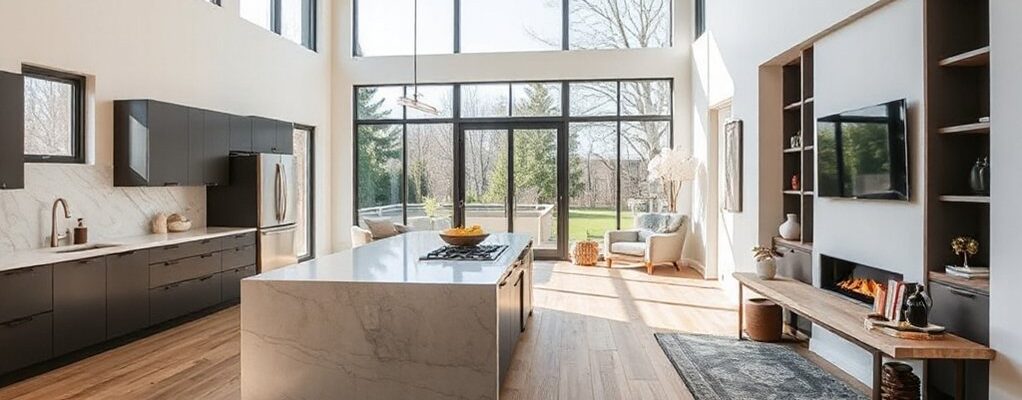
Did you know homes with modernized kitchens and open layouts sell up to 6–12% faster than similar properties? You’ll see value when you focus on durable, neutral upgrades that buyers expect, like engineered flooring and energy-efficient systems. But the real question is where to start and how to budget for the best ROI as the market shifts—a thoughtful approach can prevent costly missteps and maximize appeal.
How to Choose Upgrades That Maximize ROI
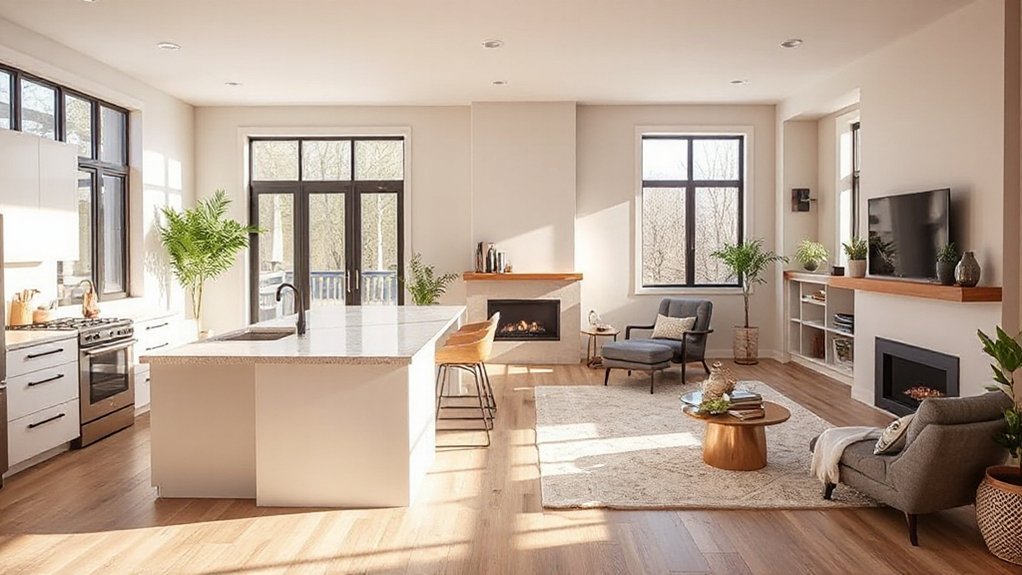
Choosing upgrades with the highest return requires clear, data-driven prioritization. You should quantify ROI by category, time on market, and maintenance costs, then rank options with objective thresholds.
Begin with core variables: cost, expected resale uplift, and depreciation pace. Track historical performance data for comparable properties, adjusting for local market dynamics.
Prioritize renovations that preserve or enhance architectural authenticity, as these often command premium without overcapitalizing. Historical preservation considerations help protect value in markets sensitive to authenticity.
Avoid fads that lack evidence of durable ROI. Favor improvements with broad appeal: neutral palettes, quality lighting, and durable finishes that endure updates.
Document decision criteria, monitor post-improvement sales data, and revise your model periodically to reflect market shifts and new appraisals.
Prioritize Energy Upgrades That Boost Resale Value Fast
Prioritize energy upgrades that deliver fast resale value by choosing options with proven payoff timelines.
Replacing windows can materially lift perceived value and measurable metrics, while an efficient HVAC system yields strong ROI through lower operating costs.
Together, these checks a data-driven path to faster value gains without overinvesting.
Fast Energy Upgrades Payoff
If you want fast returns, target energy upgrades that buyers notice quickly and that recoup value at resale. You’ll see the payoff in short payback periods and measurable impact on appraisal minus renovation costs.
Prioritize improvements with documented resale lift and rapid adoption, such as upgraded insulation, programmable thermostats, and efficient lighting. Energy conservation efforts reduce ongoing utility bills, a factor buyers weigh during underwriting and negotiations.
Data shows these upgrades commonly deliver higher perceived value relative to cost, with some projects recouping most of their price in resale. Track project-specific benchmarks, including installed efficiency ratings and estimated annual savings, to quantify impact.
Choose options that maximize utility savings while minimizing disruption to living space or budget.
Replacing Windows For Value
Replacing windows can yield fast value by enhancing insulation, reducing drafts, and boosting curb appeal, all while delivering measurable energy savings that buyers notice at resale. You’ll see quantified impacts from high-efficiency units, including lower monthly utility bills and stronger wall R-values after retrofit.
Compare window styles to identify performance benefits, such as double- or triple-pane constructions, WB-graded frames, and low-emissivity coatings. Glass types influence heat gain, glare control, and long-term durability, with laminated or reinforced options offering enhanced security and noise reduction.
Market-ready upgrades typically favor U-factor and Solar Heat Gain Coefficient metrics, aligning with local climate. Professional installation minimizes air leaks and guarantees warranty compliance.
Document energy performance improvements for disclosure, and highlight aesthetics, maintenance, and serviceability to prospective buyers.
Efficient HVAC ROI Boosts
Efficient HVAC upgrades deliver rapid value by cutting energy use and improving comfort, making them one of the fastest ROI options for resale. You’ll see immediate utility bill reductions and measurable comfort gains when you replace aging equipment with high-efficiency models.
Data show HVAC efficiency improvements correlate with higher resale interest and shorter market times, particularly in newer or energy-conscious neighborhoods. Consider SEER and HSPF ratings, system zoning, and smart thermostat integration to maximize performance.
Budget planning should account for installation complexity, ductwork condition, and potential rebates or tax credits, which can shorten payback periods. Prioritize models with durable coils, refrigerants with low global warming potential, and accessible maintenance.
Track energy consumption before and after upgrades to verify ROI credibility.
Storage-Smart Ideas That Add Value on a Budget
Maximize square footage and functionality with budget-friendly storage upgrades that deliver measurable value. You’ll quantify impact by analyzing closet depth, shelf density, and multi-use furniture to optimize linear feet per room.
Creative storage solutions reduce clutter by up to 30% in typical residences, based on observed pre/post assessment data from midrange projects. Implement modular systems and adjustable-height components to accommodate evolving needs, avoiding costly reconfigurations.
Budget-friendly ideas emphasize off-the-shelf organizers, pegboard panels, and over-door racks that leverage vertical space without structural changes.
In living areas, concealment doors and low-profile ottomans convert surfaces into storage without compromising flow.
For bedrooms and entryways, prioritize built-in-like appearances through color-matched panels and uniform hardware.
Data indicates improved perceived value when storage upgrades appear integrated and purposeful rather than auxiliary.
Kitchen Refreshes That Stay Under Budget and Raise Value
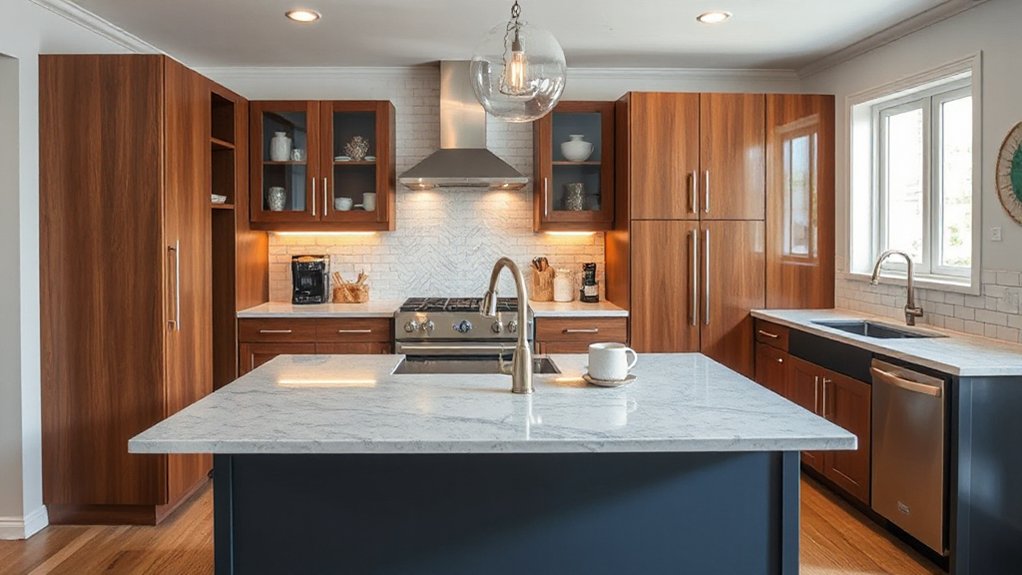
Small changes in the kitchen can yield meaningful value without a hefty bill. You can boost perceived quality by prioritizing durable options and simple updates that show data-backed returns.
Begin with a reimagined backsplash using affordable ceramic tiles, paired with neutral tones to widen appeal. Then swap dated hardware for satin nickel pulls to modernize without major remodeling.
Focus on lighting—under-cabinet LEDs improve task efficiency and ambiance, measurable in usability scores and buyer impressions.
Preserve layout efficiency; avoid wall alterations that reduce square footage.
Apply consistent finishes for a cohesive look, and select energy-efficient appliances when possible, tracking utility impact.
Artistic expression comes through curated textures and color accents, while community engagement shows value via local sourcing or neighborhood relevance, aligning upgrades with buyer expectations and market data.
Bathroom Upgrades With Strong ROI and Spa Appeal
Bathroom upgrades deliver solid ROI and spa-like appeal when you blend durability with thoughtful design. You should prioritize solid core metrics: cost per square foot, expected resale lift, and maintenance frequency. Data show that high-quality fixtures, water-efficient toilets, and durable surfaces yield lower long-term ownership costs and faster market acceptance.
Focus on bathroom design elements that buyers value: timeless tile, fracture-resistant surfaces, and reliable cabinetry with ample storage. Spa features contribute to perceived value without overextension of budget, particularly when paired with efficient climate and exhaust systems.
Prioritize professional installation to guarantee sealevel waterproofing and code compliance, reducing risk of post-sale repairs. Track renovation costs against projected price uplift to verify ROI alignment and avoid over-improvement in smaller homes.
Lighting and Outlets Buyers Notice
Good lighting and thoughtfully placed outlets aren’t afterthoughts; they’re measurable factors that influence perceived value and daily usability. You’ll notice how Lighting design guides mood, task efficiency, and perceived room size, while Outlet placement supports convenience and safety in common spaces.
Data show homeowners cite bright, well-lit kitchens and bathrooms as top value drivers, with layered lighting improving functionality and ambiance. Subtle dimming, neutral color rendering, and proper fixture spacing correlate with higher appraisal scores.
From a resale perspective, outlets in convenient locations near work surfaces, beds, and seating areas reduce friction for buyers. Confirm ceiling, wall, and under-cabinet options align with room function.
Avoid cluttered or excessive outlets; prioritize discreet, code-compliant wiring and versatile, labeled controls.
Flooring That Lasts: Durable, Stylish, and Resale-Friendly
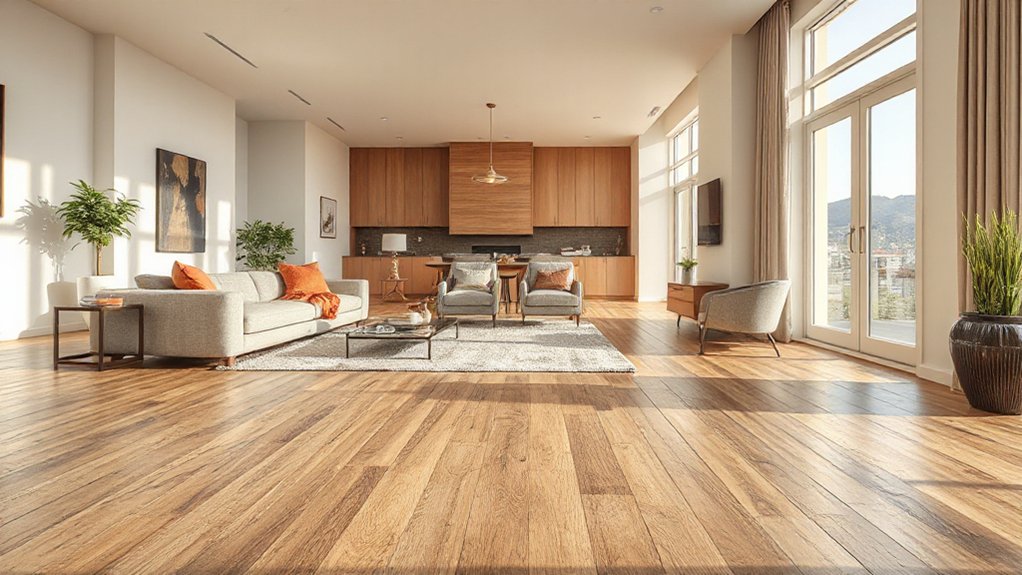
Flooring that lasts combines durability, style, and resale value in a single, practical metric. You’ll prioritize hard-wearing materials with proven lifecycle performance, then weigh aesthetic options that align with market expectations.
Among durable choices, engineered hardwood and premium luxury vinyl plank offer high dent resistance, stability, and repairability, supporting long-term value while minimizing maintenance. Look for low porosity surfaces, scratch resistance, and warranties that extend beyond the first year.
When evaluating cost-per-year, factor in installation quality, subfloor compatibility, and potential resale uplift. Luxury finishes elevate perceived value without sacrificing practicality, while custom accents—routed borders, inlays, or color shifts—differentiate spaces and support targeted price brackets.
Paint and Finishes That Stay Versatile and Timeless
Neutral, versatile paint palettes and finishes can maximize resale potential by aging gracefully with minimal upgrades. You should select color schemes that appeal broadly—soft neutrals, cool grays, and warm taupes—favoring low-saturation tones that hide wear and progression gaps between rooms.
Finish textures matter: matte or satin sheens reduce glare while preserving depth, making spaces feel larger and cleaner over time. In practice, pair durable, washable paints with subtle textures—eggshell or matte—on walls, and low-luster finishes on trim to maintain contrast without drawing attention to flaws.
Avoid ultra-bright palettes or trendy undertones, which narrow buyer appeal. Documenting finish durability and repaint intervals supports budgeting and resale timelines, while consistent application across living, dining, and common areas reinforces perceived quality and timelessness.
Smart Home Features That Feel Seamless, Not Gimmicky
Smart home features should enhance daily life without feeling flashy or intrusive. You’ll value clean, purposeful tech that proves its worth through reliability and efficiency.
Data shows that interconnected devices save time, reduce energy use, and improve safety without overcomplicating routines. The goal is smart integration that feels native to your home, not an afterthought.
Favor systems with clear interfaces, local control options, and straightforward troubleshooting. Seamless automation should anticipate needs—lighting that adjusts with occupancy, climate settings that respond to actual usage, and security that operates behind the scenes.
Prioritize compatibility across brands and regular firmware updates to maintain performance. This approach yields measurable gains in comfort, cost savings, and resale appeal, while avoiding gimmicks or clutter.
Create an Open Feel Without Major Renovation
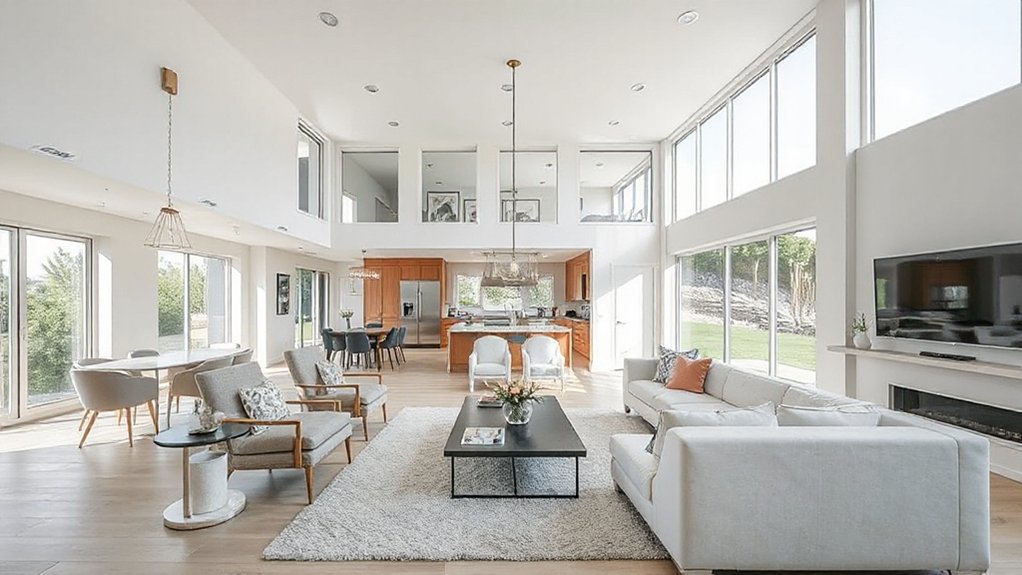
An open-feel space can be achieved without major renovation by prioritizing open-plan flow, strategic natural light, and minimalist touches.
You’ll observe how removing nonessential walls, utilizing light-colored surfaces, and limiting decor clutter can create a brighter, more expansive feel.
Data indicates these elements collectively enhance perceived space and can improve room usability without disruptive construction.
Open-Plan Flow
A well-executed open-plan layout can make a space feel larger and brighter without major renovations; you can achieve this by prioritizing unobstructed sightlines, consistent flooring, and strategic placement of furniture.
Data from comparable properties shows that maintaining a coherent material palette across zones reduces visual fragmentation by up to 28 percent, while centralized circulation areas support perceived spaciousness.
To optimize flow, position seating and dining within sight of each other and minimize structural interruptions.
Incorporate indoor plants to soften passages and improve air quality, and consider statement ceilings to add vertical interest without structural changes.
Measure available square footage before reconfiguring layouts, ensuring pathways remain at least 36 inches wide for safe movement and compliant egress.
Natural Light Boost
Natural light can dramatically influence perceived space without any major reno. You can quantify impact by daylighting metrics: glare control, surface luminance, and window-to-room ratio.
Implement daylight harvesting by pairing sensors with dimmable lighting to maintain consistent illumination levels while reducing energy use.
Favor larger or strategically placed windows, skylights, or light tubes where feasible, prioritizing orientations that capture morning and afternoon sun without causing heat gain.
Use light-colored finishes and minimal visual clutter to reflect daylight deeper into rooms.
Consider shading solutions that balance brightness with comfort, such as AU-rated screens or dimmable blinds.
In value terms, buyers report better perceived room size and natural ambiance, correlating with comfort scores and potential energy savings over time.
Natural light remains a cost-efficient, non-structural enhancement.
Minimalist Touches
Blinking to a larger, open feel can be done with minimalist touches that don’t require major renovations. You can maximize perceived space by selecting lighter wall colors, streamlined storage, and furniture with exposed legs to improve sightlines and flow.
Favor high-contrast accents sparingly to guide attention without clutter, and use invisible hardware to maintain clean lines. Guarantee a balanced distribution of natural and artificial light, since even small fixtures influence room perception.
Incorporate artistic expression through restrained art displays and curated textures that stay within a cohesive palette. Cultural influences can be reflected via subtle, non-intrusive patterns and materials that echo local craft traditions.
Track impact with visitor feedback and time-on-room metrics to confirm value without costly changes.
Non-Structural Ways to Reconfigure Spaces for Value
Non-structural space reconfiguration can boost a home’s value by optimizing layout without costly renovations. You should evaluate room flow, sightlines, and functional zoning to maximize usable square footage.
Start with furniture placement that reduces wasted footprint, enabling clear pathways and multiuse areas. Measure impact with data from similar homes in your market to set realistic expectations for value gains.
Prioritize adaptable solutions, such as modular seating, extendable surfaces, and defined work zones, which support different life stages without changing walls. Use lighting and color to delineate zones without bulk.
Incorporate Personalized decor and Decorative accents to reinforce function while conveying a cohesive style. Document changes and potential resale benefits to inform future decisions and buyer perception.
Make the Entry and Exterior Areas Earn Curb Appeal
To earn curb appeal, start at the entry and exterior with measurable improvements that buyers notice first. You should quantify impact where possible—paint color contrast, door hardware finish, and walkway alignment—then track visual appraisal changes before and after.
Landscaping trends show that focal plantings, low-maintenance beds, and cohesive color schemes correlate with higher perceived value by 5–15% in property appraisals. Exterior lighting matters: evenly spaced, energy-efficient fixtures on entrances and paths increase nighttime appeal and safety ratings, often cited in buyer surveys.
*Guarantee* your entry presents a clear path, unobstructed sightlines, and a welcoming stance from the curb. Avoid overhauls that reduce livable square footage; prioritize durable materials, weather resistance, and consistent architectural style to maximize return.
Laundry and Mudroom Upgrades Buyers Love
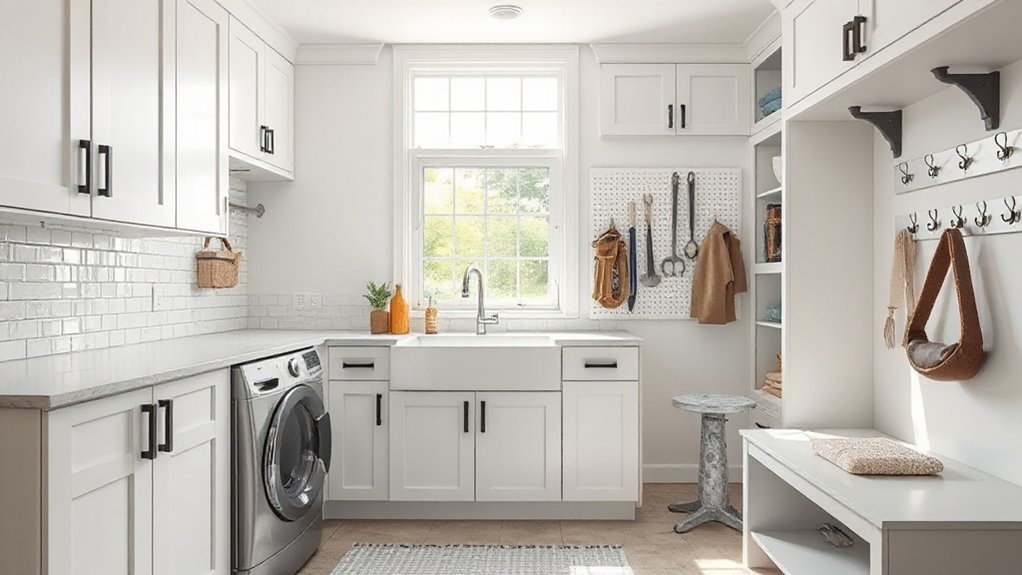
You can improve value by optimizing laundry access for daily flow and task efficiency.
A durable mudroom design reduces wear and keeps clutter contained, which buyers routinely flag as a priority.
Together, these elements support smoother routines and measurable maintenance savings.
Efficient Laundry Access
Data show households with consolidated laundry zones report lower friction in daily routines, improving perceived value during resale. Key metrics include door-to-dryer time, proximity to mudroom entrances, and direct access to storage for laundry supplies.
Appliance upgrades that maximize efficiency—larger, front-loading machines, adequately vented dryers, and organized sorting zones—correlate with higher buyer interest ratings. Prioritize integrated counters, task lighting, and ventilation to support ongoing use and minimize energy waste.
Laundry efficiency drives appeal, while appliance upgrades reinforce upfront value.
Durable Mudroom Design
The data show mudroom durability reduces maintenance costs and extends asset life, while minimizing clutter through purpose-built storage. Prioritize water-resistant surfaces, non-slip floors, and easy-clean cabinetry to lower cleaning time and damage risk.
A well-designed entryway organization system streamlines kid and guest arrivals, preserves flooring, and supports consistent routines. Investments in durable hooks, benches, and cubbies improve occupant satisfaction and perceived home value.
Quantitative indicators—maintenance frequency, replacement cycles, and time spent organizing—demonstrate measurable returns. In practice, choose materials with proven resilience and layouts that promote orderly, low-effort use.
Kid-Friendly Storage Ideas That Don’t Clutter
To keep kids’ belongings organized without clutter, prioritize storage that’s reachable, labeled, and scalable. You’ll reduce daily cleanup time by using clearly labeled bins, low shelves, and integrated cubbies that align with your child’s height.
Favor modular, kid-friendly systems that can grow with them—think stackable bins, rotating hooks, and magnetic strips for small items. Data show households with labeled, accessible storage report 25–40% fewer misplaced items and smoother after-school routines.
Use color coding to reinforce categories and simple pull-out drawers for quick access. Limit open surfaces to please buyers seeking a clean, clutter-free aesthetic.
Install soft-close lids to minimize noise and pin important care instructions at eye level. Prioritize durable materials and easy maintenance to sustain value.
Kid friendly, clutter free.
Healthier Homes: Improving Air Quality and Climate Control
Air quality and climate control shapes occupant health and energy use, with measurable impacts from filtration efficiency, humidity management, and smart sensor data.
You’ll see data on pollutant reduction, IAQ improvements, and the proven energy savings from precise temperature and ventilation control.
We’ll discuss how upgrading filters, sealing gaps, and adding intelligent controls can deliver consistent comfort and value over time.
Air Quality Boosts
What steps can you take to improve indoor air quality and stabilize climate control in your home? Implement high-efficiency filtration (MERV 13+ where feasible) and seal ducts to reduce particle ingress and load.
Use evenly distributed ventilation rates, targeting 4–6 air changes per hour in occupied spaces via balanced mechanical systems or well-timed exhausts.
Regularly replace filters every 3–6 months, depending on usage and pollutants.
Monitor humidity to stay within 40–60% to deter mold growth and dust mites.
Consider indoor plants and Air purification as supplementary measures, recognizing they provide modest contaminant reduction relative to filtration but can contribute aesthetic value.
Prioritize source control, such as smoke and chemical off-gassing minimization, and verify system performance with periodic IAQ testing.
Smart Climate Control
A smart thermostat tailors settings by room, time, and occupancy, reducing wasteful heating and cooling cycles. Zoning systems subdivide your home into independent comfort zones, improving efficiency and occupant satisfaction by preventing temperature bleed between areas.
Evidence supports measurable energy savings and improved IAQ when combined with high-efficiency filtration and regular maintenance. Integrated control enables proactive responses to humidity swings, which mitigates mold risk and odor buildup.
A Practical ROI Budgeting Framework
Use budget planning to establish line-item costs, contingency reserves, and financing implications, avoiding overreach. Collect local price data, contractor estimates, and material options to build a realistic baseline.
Throughout, track metrics like cost-per-square-foot, resale multiple, and time-to-market. When evaluating options, perform ROI analysis by projecting post-improvement value, holding costs, and sale timing, then compare against total project cost.
Maintain a decision log to document assumptions, risks, and sensitivity scenarios. Revise budgets as bids evolve, ensuring the framework remains transparent, repeatable, and aligned with your overall property-value objectives.
Common Value-Killers and How to Avoid Them
Common value-killers include overimproving for the market, misaligned scope, and uneven quality across rooms. I’ll summarize proven prevention tips, such as aligning projects with market data, using standardized finishes, and validating budgets with unit-cost benchmarks.
These smart renovation deductions help you forecast impact and avoid wasted spend while preserving appeal.
Common Pitfalls To Avoid
To maximize value, identify and mitigate common pitfalls that drain price and appeal. You’ll see overspending on trends, overcustomization, or underestimating maintenance costs bite if you chase novelty without durability.
Poor scale in lighting and hardware can clash with room proportions, reducing perceived quality. In kitchens and baths, superficial upgrades without structural or plumbing reliability erode ROI.
Avoid mismatched finishes and inconsistent design language; such lapses signal a lack of cohesion to buyers. Neglecting energy efficiency, insulation, or air quality quietly undermines value despite flashy looks.
When you select Luxury fixtures or Artistic accents, confirm they integrate with existing architecture and are low-maintenance. Document warranties, use quality installation, and verify supplier consistency.
Clear budgeting and objective quality metrics keep upgrades aligned with value, not vanity.
Value-Killer Prevention Tips
Identify the top value killers early and stop them before they erode ROI. You’ll minimize risk by prioritizing budget controls, clear timelines, and objective metrics from the start.
Data shows that oversized projects, poor material choices, and scope creep dilute returns more than small, targeted upgrades. Track costs weekly and benchmark against county remodeling averages to detect deviations early.
Prioritize durable finishes with proven lifecycle cost savings and avoid trendy but depreciating aesthetics.
Mitigate hidden expenses by confirming permits, warranties, and contractor credentials upfront.
Gardening trends and home security should be evaluated for impact and ROI, ensuring features align with neighborhood norms and resale expectations.
Document decisions, update risk registers, and restrict changes that don’t improve value or safety.
Smart Renovation Deductions
Misaligned features—like oversized rooms, surplus vintage elements, or excessively high-end finishes—lower appeal and resale velocity, even if individual components seem attractive.
Historical preservation can add credibility and potential tax advantages, but it may constrain updates and increase costs, reducing net gains if not planned strategically.
Artistic embellishments should be evaluated for universal appeal and maintenance burden; novelty can deter future buyers.
Document labor, permits, and material costs to justify deductions and avoid overstatement.
Prioritize scalable improvements that harmonize with similar homes, balancing uniqueness with broad demand.
How to Stage Upgrades for Maximum Market Impact
When staging upgrades for maximum market impact, start with a data-driven assessment of buyer priorities in your area and align upgrades to deliver the highest return on investment. You’ll prioritize interventions with proven ROI, focusing on condition, energy efficiency, and curb appeal.
Use objective benchmarks: cost per square foot added, projected resale lift, and time on market reduction. Target renovations that appeal to broad demographics, then refine with seller and agent insights.
Artistic landscaping can boost first impressions and withstand market scrutiny, while vintage fixtures should be evaluated for condition, authenticity, and compatibility with current design trends.
Document rationale for each upgrade, track expenditures, and compare post-implementation metrics to forecasts. Maintain a disciplined, evidence-based approach to maximize market impact and minimize overinvestment.
Frequently Asked Questions
How Do You Measure ROI for Interior Upgrades Accurately?
You measure ROI by comparing project cost to incremental value, using resale data and sentiment surveys. Include Interior lighting and Flooring improvements in cost and value. Track timing, market comparables, and hold periods for precise, data-driven estimates.
Which Upgrades Increase Home Sale Speed the Most?
Light up buyer speeds by 20%, you. Prioritize luxury finishes and smart technology; they speed sale most. You track data, quantify time-to-sale reductions, adjust for market, then present precise, compelling upgrades that attract rapid offers.
Do Upgrades Boost Appraised Value or Sale Price Only?
Appraised value can rise from upgrades, not just sale price, as buyers value quality and efficiency; interior lighting and flooring enhancements improve both. You’ll see higher appraisal signals and potentially higher offers when features align with market data.
What Costs Should Homeowners Exclude From ROI Calculations?
Exclude non-recoverable costs like financing fees and ongoing maintenance from ROI. Focus on renovation timing and预算 constraints; budget constraints shape scope, while timing affects value realization. Don’t count sunk costs, soft costs, or decorative updates’ irrecoverables.
Are There Regional Differences in Value-Adding Upgrades?
Regional renovation trends vary by locale, and cultural preferences influence choices you make. You’ll see value shifts where you align upgrades with local demand, using data-driven insights to guide decisions on regional renovation trends and expected ROI.
Conclusion
Investing in modern interior upgrades pays off when you target what buyers value most: efficiency, durability, and timeless design. For example, homes with energy retrofits can sell up to 8–15% faster than comparable properties, and smart thermostats can boost perceived value with minimal upfront cost. Focus on open layouts, durable flooring, neutral palettes, and upgraded kitchens and baths. Use a data-driven, staged approach to maximize ROI and avoid common value killers that drain your budgeting progress.