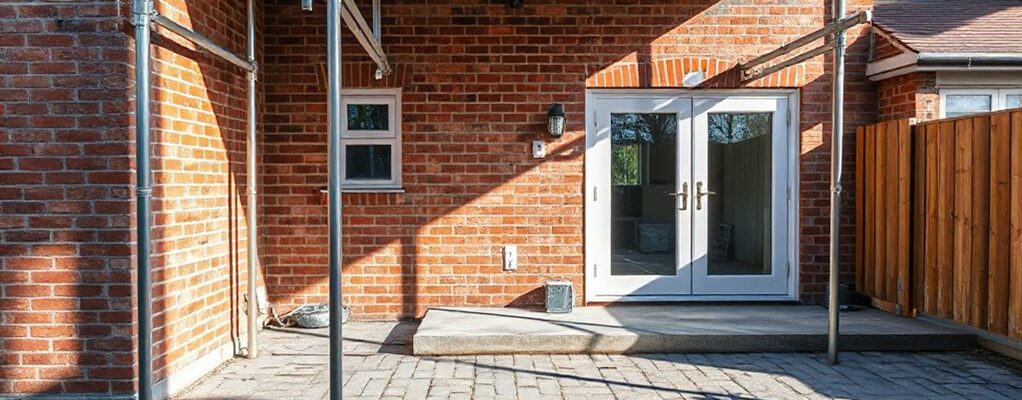
You’re considering a rear extension in the UK, where costs hinge on size, materials, and design choices, typically £1,500–£3,000+ per m². Foundation depth, framing type, insulation, glazing, and finishes drive the bill, while planning permissions, site conditions, and hidden fees can shift totals. A precise budget requires early scope and contingency planning. There’s more to weigh—timeline, permits, and ROI—before you commit to a path that aligns with your property’s value and your expectations.
UK Rear Extension Costs: A Realistic Baseline
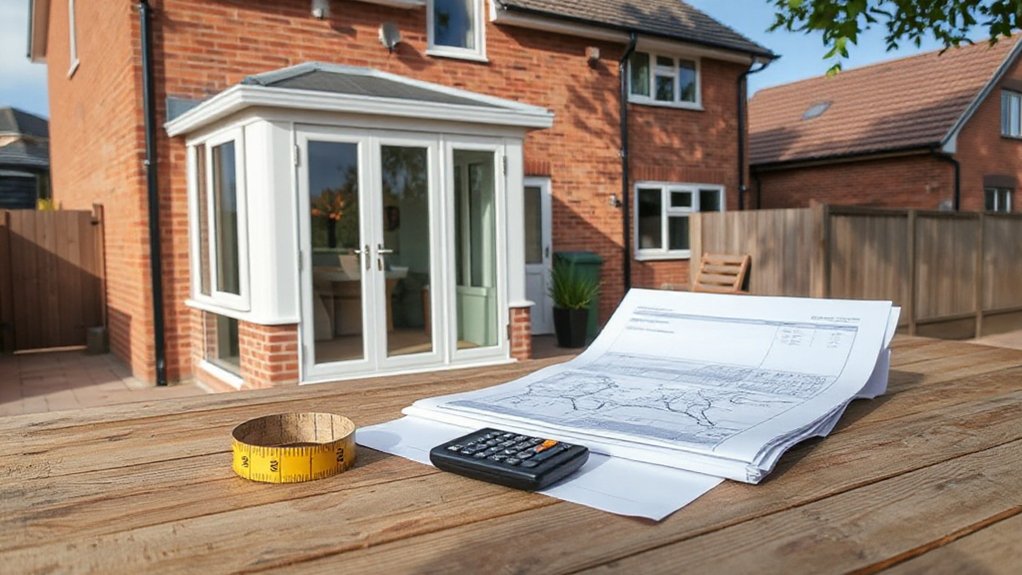
A realistic baseline for UK rear extension costs hinges on careful scoping of size, materials, and labor. You assess architectural footprint, room proportions, and load paths to establish a credible framework, then translate that framework into provisional budget bands.
Design inspiration informs layout decisions, but you constrain it to practical constructs that align with planning requirements and structural feasibility. Material selection drives major cost variance, so you compare timber versus steel, brick versus render, and insulation standards against seasonal delivery windows and labor productivity.
You then quantify unit rates for foundations, walls, roofing, glazing, and finishes, attaching contingency reserves aligned with project risk. Finally, you document accepted assumptions, delivery schedules, and procurement strategies to guarantee the baseline remains actionable for subsequent cost-driver analysis.
Major Cost Drivers for UK Rear Extensions
Key cost drivers for UK rear extensions center on structure, envelope, and finishing qualifications. You assess structural scope, foundation depth, and load paths to determine steel, concrete, or timber frame choices, each with distinct labor and material implications.
Envelope decisions—insulation, glazing, and air tightness—drive energy performance targets and compliance costs, including potential heat recovery systems.
Finishing qualifications encompass interior partitions, ceilings, and surface treatments, influencing both speed and quality, plus ongoing maintenance expectations.
You must balance design aesthetics with practical constraints, ensuring compatibility with existing footprints and planning constraints.
Material durability informs long-term performance, informing wear, weather resistance, and warranty considerations.
These drivers collectively shape initial estimates, procurement strategies, and sequencing to minimize disruption during construction.
Hidden Fees to Budget For in the UK
When planning a UK rear extension, you must look beyond the obvious build costs to anticipate hidden fees that can quietly inflate the budget. Hidden fees arise from procurement, schedule risks, and compliance processes that aren’t always itemised in initial quotes.
You should expect contractor charges for site supervision, temporary controls, and coordination with specialists, even if these appear as line-item adjustments later. Permits, inspections, and utility diversions often incur incremental costs if scope changes occur during construction.
Delivery delays, fuel surcharges, and contingency allowances for unforeseen site conditions contribute additional pressure on cashflow. Budget for professional services, such as project management and design reviews, to avoid expensive last‑minute fix work.
Maintain clear documentation to monitor variances and prevent contractor charges from eroding feasibility.
Step-by-Step Budget Plan for a UK Rear Extension
Planning a rear-extension budget in the UK requires a structured, step-by-step approach that translates project scope into a controllable cost plan. You begin with defining functional requirements and spatial constraints, then map them to a bill of quantities.
Establish a baseline cost by sourcing current market rates for materials, trades, and labour, incorporating contingencies of 10–15%.
Next, prioritize design phases: early design decisions influence long-term spend, so lock in key parameters before procurement.
Design inspiration should guide while remaining cost-conscious, avoiding over-specification.
Material selection must balance performance, durability, and price; document alternatives and unit costs for comparison.
Develop phased milestones with approval gates, enabling progressive funding and scope verification.
Finally, embed a risk register and change-control process to preserve budget integrity.
Planning, Permits, and ROI: Making It Worth While
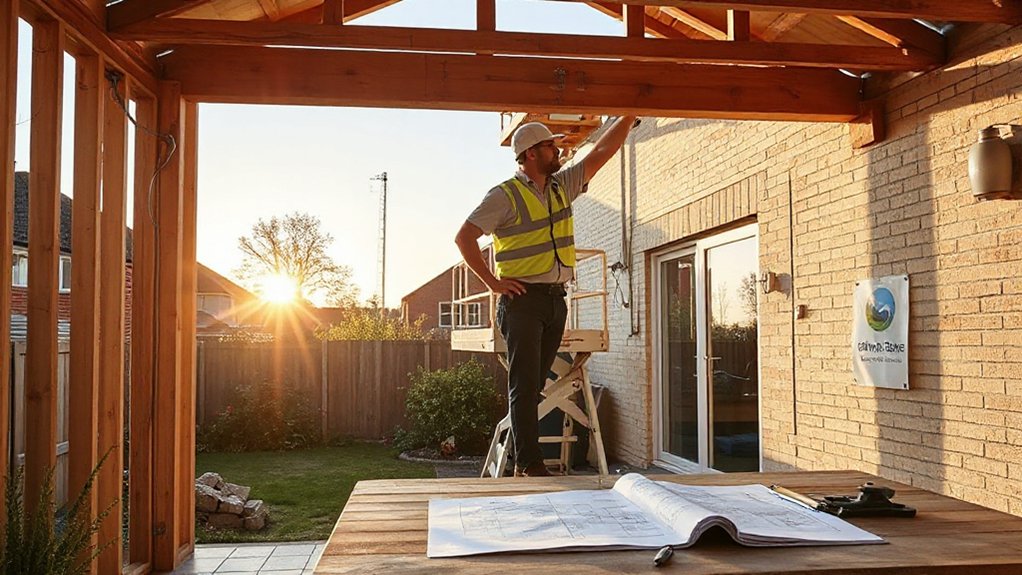
Planning, permits, and ROI align project scope with regulatory requirements and financial viability. You assess planning permission, building regulations, and potential consultees early, avoiding delays.
You’ll determine whether a permitted development right covers your extension, or if full planning approval is required, then prepare documented evidence of compliance. Permits are time-sensitive; you should factor lead times, fees, and potential mitigation measures into the budget.
ROI hinges on compliant design and clear value proposition; you evaluate incremental property value, rental attractiveness, and resale impact.
Design aesthetics and material selection influence perceived quality and energy performance, affecting appraisal outcomes. You optimize these aspects to minimize lifecycle costs, maximize efficiency, and safeguard regulatory conformance.
This ensures the project remains financially viable while meeting planning constraints and construction standards.
Frequently Asked Questions
How Long Does a Rear Extension Project Typically Take From Start to Finish?
Typically, you’ll complete a rear extension in 8–12 weeks, depending on design complexity and approvals. You should plan for 12–16 weeks including inspections. Design considerations and budget planning shape timelines, permitting, and potential construction contingencies.
Which UK Regions Have the Shortest Permitting Timelines for Extensions?
You’ll find regional permits vary, with the Southeast and Midlands often reporting the shortest permitting timelines. You should anticipate minor construction delays in some regions due to backlog, while regional permits drive faster approvals when processes align.
Do Lenders Require a Formal Appraisal Before Funding an Extension?
Do lenders require a formal appraisal before funding an extension? Yes, you’ll undergo a valuation process to support loan approval, ensuring property value aligns with your funding request and mitigating lender risk. Are you prepared for this mandatory step?
What Are Common Post-Completion Maintenance Costs for Extensions?
You’ll typically face ongoing maintenance costs like roof repairs and paint touch ups, as wear accrues from weather and aging; schedule regular inspections, budget for contingencies, and promptly address defects to prevent escalating damage and expense.
How Do Extensions Affect Home Insurance Premiums and Coverage?
Extensions can raise insurance premiums and trigger coverage adjustments, as dwelling value and risk increase. You should update your policy, disclose structural changes, and verify rebuild costs, limits, and liability coverage to maintain adequate protection and avoid claims issues.
Conclusion
In closing, a UK rear extension commonly lands between £1,500 and £3,000 per m², with total project costs surging when foundations, structure, insulation, glazing, and finishes scale up. Expect hidden fees like permits and delays to add 10–20% to your budget. One striking stat: planning and procurement hurdles can push timelines from 8 to 16 weeks, doubling risk of cost overruns. Plan meticulously, include a 15–20% contingency, and align ROI with your property’s market value.