Glasgow blends historic charm with modern yield, yet the reality is that some districts outperform others on safety, price trends, and transport links. You’ll want data on rents, vacancy rates, and school catches alongside street-level walkability and planned developments. With options from West End prestige to East End growth and riverfront value, the best fit isn’t obvious at first glance. Stay with us as we weigh these metrics to help you identify where to start your shortlist.
Key Takeaways
- The West End offers premium living with strong resale demand, top-rated schools, and architectural charm that boost long-term value.
- East End Energy combines robust transport links, cultural momentum, and ongoing development driving growth potential.
- River Clyde Waterfronts provide affordable, modern flats with solid yields and improving accessibility through river corridor upgrades.
- Neighborhood selection should combine data on price trends, yields, and time-on-market with safety, amenities, and transport access.
- A structured process: filter by budget and commute, review postcodes, map development plans, and visit shortlisted areas to finalize 3–5 neighborhoods.
Why Glasgow Neighborhoods Matter for Buyers

Neighborhood dynamics strongly shape price trajectories, rental demand, and resale potential in Glasgow. You evaluate neighborhoods by measurable factors rather than impressions, focusing on price trends, vacancy rates, and time-on-market data.
Community amenities influence daily utility and attractiveness, correlating with higher rent ceilings and faster turnover in desirable zones. Local events signal neighborhood vitality, potentially boosting short-term demand and sustained interest from buyers seeking active communities.
Transport access, crime statistics, and school catchment data further clarify risk-adjusted returns. You compare submarkets using consistent metrics to avoid bias, recognizing that different areas offer distinct risk-reward profiles.
West End: Leafy Streets, Schools, and Pricing
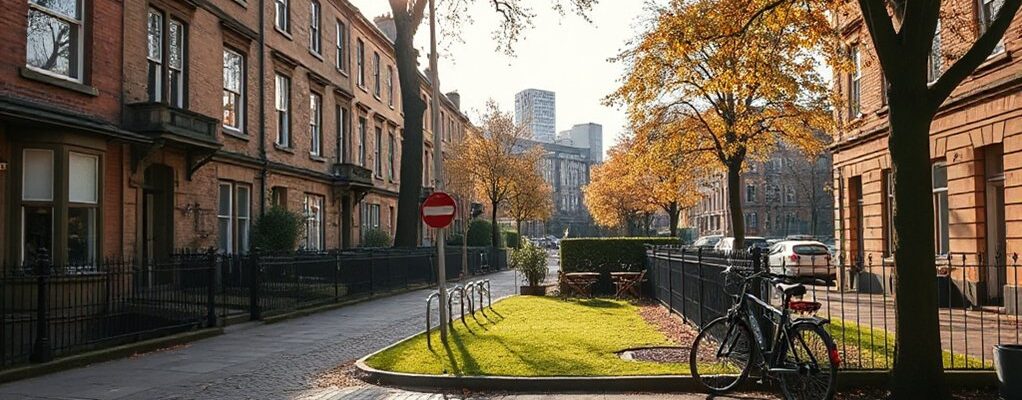
You’ll notice the West End’s leafy streets signal a premium tier, with tree-lined blocks correlating to higher sale prices and stronger resale demand.
Proximity to multiple schools supports steady rental occupancy and historically stable value, especially for family-oriented buyers.
Across pricing and value trends, data shows the area maintains resilience even as broader market cycles shift.
Leafy Streetscape Appeal
From the West End’s leafy streets, buyers can expect a quiet, visually appealing setting that balances residential charm with proximity to top schools and city amenities. You’ll note a consistent street-scale rhythm, with mature trees and well-kept facades contributing to curb appeal.
Property data show higher volatility in pricing near garden courtyards, yet sustained demand supports stable values over 12–24 month horizons.
Architectural charm remains a notable premium driver, reflected in listings with period features, intact cornices, and refined staircases.
Market dashboards indicate buyers pay a modest premium for streetscapes that deliver walking access to cafes, boutiques, and parks, while maintaining curbside privacy.
Proximity to Schools
Data show consistent enrollment patterns favor areas within walking distance of primary and secondary institutions, alongside well-rated catchment zones. When evaluating listings, consider transit links to schools, campus densities, and after-school program availability, as these factors influence long-term livability.
Market data indicate premium pricing in blocks adjacent to top-rated schools, with tighter vacancy rates compared with broader West End markets. In short, accessibility to educational facilities remains a decisive, data-backed differentiator for family buyers.
Pricing and Value Trends
Pricing in Glasgow’s West End shows a clear link between leafy streets, proximity to high-quality schools, and value retention. You’ll notice that median prices edge higher on established crescents and in districts with top Ofsted-equivalent schools, while turnover remains steady in well-connected zones.
Over the past five years, price growth has outpaced broader city averages, yet momentum fluctuates with market cycles. The data reflects a disciplined pattern: buyers pay a premium for leafy surrounds and school access, but begin to pause when interest-rate shocks occur, signaling caution during periods of market volatility.
For investors, the West End presents selective opportunities: premium homes in stable streets and mid-range properties near transit hubs. Long-term value depends on demographic demand, school performance, and ongoing urban investment.
East End Energy: Transport Links, Culture, and Growth
East End energy hinges on transport ties and cultural momentum, with current data showing reliable rail and bus links supporting steady demand.
You’ll want to watch the Cultural Growth Pulse alongside transit upgrades to gauge longer-term price trajectories.
In short, linked transport access and evolving cultural assets are key drivers shaping buyer interest here.
Transport Links Today
Glasgow’s East End benefits from a robust transport spine that supports rapid commuter access and resilient connectivity for residents and businesses alike. You’ll notice a dense, multimodal network delivering predictable travel times across peak and off-peak windows.
Public transport usage remains high, with frequent bus routes and regional rail links that shorten city-center commutes and expand access to outlying districts.
Road networks show improving resilience, though congestion varies by corridor and time of day.
Bike infrastructure is expanding, featuring protected lanes and bike-friendly signal timings that encourage active travel for short trips and last-mile connections.
In market terms, accessibility enhances residential demand in the East End, supporting value retention and attractor effects for investors seeking stable rental yields and high occupancy.
Cultural Growth Pulse
Cultural momentum in Glasgow’s East End is rising alongside its transport spine, shaping a neighborhood where accessibility fuels demand for vibrant, mixed-use spaces. You observe a growing portfolio of artistic venues, supported by steady attendance and diversified programming.
Data indicate sustained occupancy gains in creative-commercial spaces, with rents stabilizing around regional averages as footfall increases. Local festivals act as catalysts, expanding weekend draw and boosting short-term hospitality metrics while reinforcing long-term residential appeal.
Public investment in arts infrastructure complements private sector partners, improving corridor vitality and nighttime economy resilience. Market signals show transitional demand from renters seeking connected, amenity-rich blocks to buyers targeting value through cultural density.
River Clyde Waterfronts: Value, Access, and Prospects
The River Clyde waterfronts offer a compelling mix of value, accessibility, and growth prospects for apartment buyers, with new development pipelines and improving transport links bolstering demand.
You’ll find a steady supply of modern flats aligned with regeneration projects, typically delivering competitive yields relative to central Glasgow. Waterfront development activity supports price resilience, even as overall market cycles fluctuate.
In terms of connectivity, developments along the river corridors benefit from completed and planned transport upgrades, reducing commute times and widening catchment areas for buyers.
From a property investment perspective, rental demand remains robust among professionals and families attracted to waterside amenities and views.
Keep visibility on planning outcomes and infrastructure timetables to assess timing and potential value uplift.
Practical Criteria for Choosing: Transport, Safety, and Price Trends
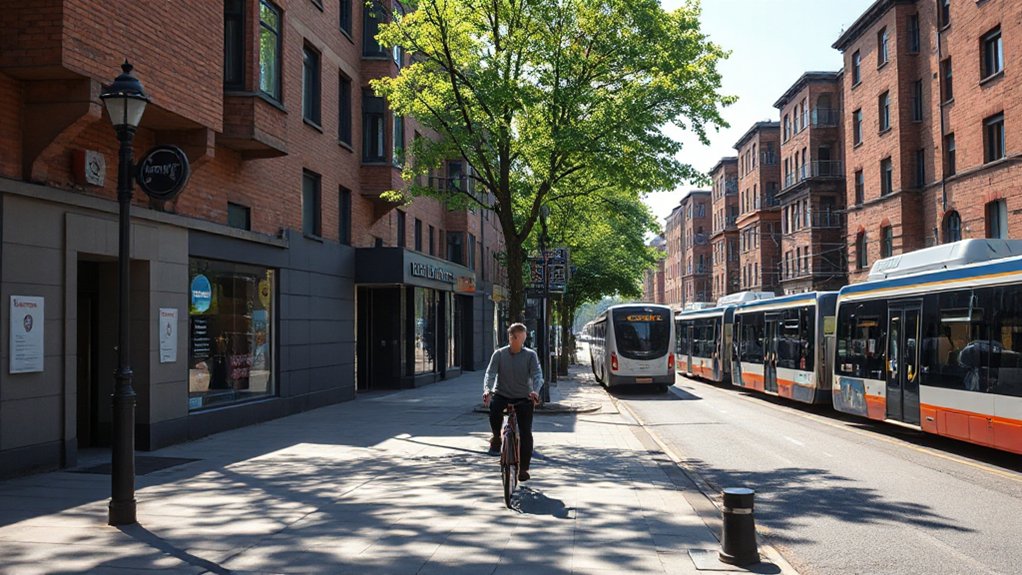
Transit access, safety metrics, and price momentum are the practical lenses buyers should use when evaluating Glasgow neighborhoods for apartments. You’ll compare transit density, service reliability, and average commute times to central hubs, weighting areas with faster, more frequent connections.
Safety indicators—crime per capita, street lighting, and pedestrian visibility—tell you where risk is lower and nighttime travel is feasible.
Price trends reveal long‑run affordability, rental yields, and proximity to growth corridors. Look for neighborhoods with affordable amenities that sustain daily life without inflating costs, such as accessible groceries, schools, and healthcare.
A strong community vibe often aligns with stable demand and predictable pricing. Use these criteria to narrow choices, then verify through recent market data and local development plans.
How to Pick Your Match: A Step-by-Step Neighbourhood Shortlist
To pick your match, start with a step-by-step shortlist that blends objective data with your priorities. First, define non-negotiables (budget, commute, amenities) and rank them.
Then compile a candidate list from recent market reports, comparing price per square foot, rental yields, and capital growth by Glasgow postcode.
Next, filter by transportation access, safety metrics, and school catchment where relevant, updating live data as you go.
Assess neighborhood profiles for community engagement and architectural styles to guarantee long-term satisfaction.
Map your results against future development plans, infrastructure, and projected demand shifts.
Finally, visit shortlisted areas at different times to observe street vitality and resident mix.
Narrow to three to five neighborhoods that align with data and personal priorities.
Frequently Asked Questions
How Do Rental Yields Vary Across Glasgow Neighborhoods?
Rental yields vary by neighborhood, with higher demand in central areas and around amenities; you’ll see tighter yields where rental demand is strongest, while districts offering standout neighborhood amenities balance growth with steadier, lower-risk returns.
What Are Common Hidden Costs in Glasgow Property Purchases?
Common hidden costs in Glasgow property purchases include hidden fees and legal expenses. You’ll encounter survey costs, registration fees, stamp duty thresholds, lender charges, and conveyancing disbursements, so budget carefully and compare estimates to avoid unwelcome surprises.
Which Areas Have the Strongest School-Quality Indicators?
Medieval castle vibes aside, you’ll find the strongest school-quality indicators in areas with top school rankings and favorable neighborhood demographics. You’ll notice consistent performance, stable enrollments, and rising demand—data-driven, market-focused conclusions guiding your investment decisions.
How Does Crime Rate Influence Long-Term Property Value?
Crime statistics influence long-term property value by signaling risk and shaping demand; higher crime can dampen appreciation, while improving community safety tends to lift prices and stabilize returns for you as a buyer.
What Permit/Licensing Issues Affect Short-Term Lets in Glasgow?
Short term rental regulations require you to obtain licensing and meet safety standards; licensing requirements vary by property and council. You’ll need to comply with occupancy limits, fire risk assessments, and periodic renewals to stay compliant and market-ready.
Conclusion
Glasgow’s best condo markets blend accessibility, safety, and value, with the West End’s schools and charm, the East End’s connectivity and culture, and River Clyde offers delivering strong yields. One compelling stat to note: median prices rose about 6–8% year over year across prime districts, signaling steady demand. By aligning transport access, crime trends, and price momentum, you can craft a data-driven shortlist that matches both budget and long-term growth goals. Ready to tighten your selection.