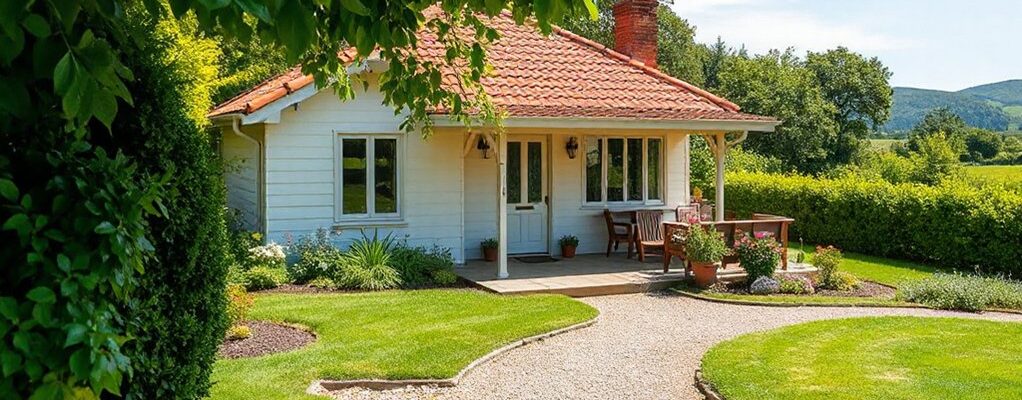
Do bungalow-with-garden values hold steady, or do they hinge on regional dynamics like demand, infrastructure, and long-term growth? Across California, Ontario, the U.K. Midlands, and Brisbane, you’ll find a mix of affordability, space, and resale potential that could shape future choices. Several regions offer stable conditions, but you’ll want to quantify price bands, lot sizes, and single-story design benefits before you commit. Let’s compare how these factors stack up in each area.
Key Takeaways
- California markets offer strong garden-friendly yards and robust appreciation in mid-to-premium ranges, aided by sustainable landscaping and walkable neighborhoods.
- Ontario regions balance affordable lot sizes with garden potential, steady demand, and proximity to transit and parks for year-round outdoor living.
- U.K. Midlands areas provide sizable plots and garden-oriented housing with good access to amenities and growing infill development.
- Brisbane markets combine warmer climates with larger lots and outdoor spaces, supported by green-certified project incentives and family-friendly amenities.
- Inland town markets across multiple regions emphasize garden-focused layouts, lower carrying costs, and infrastructure-driven appreciation potential.
Why Buy a Bungalow With a Garden
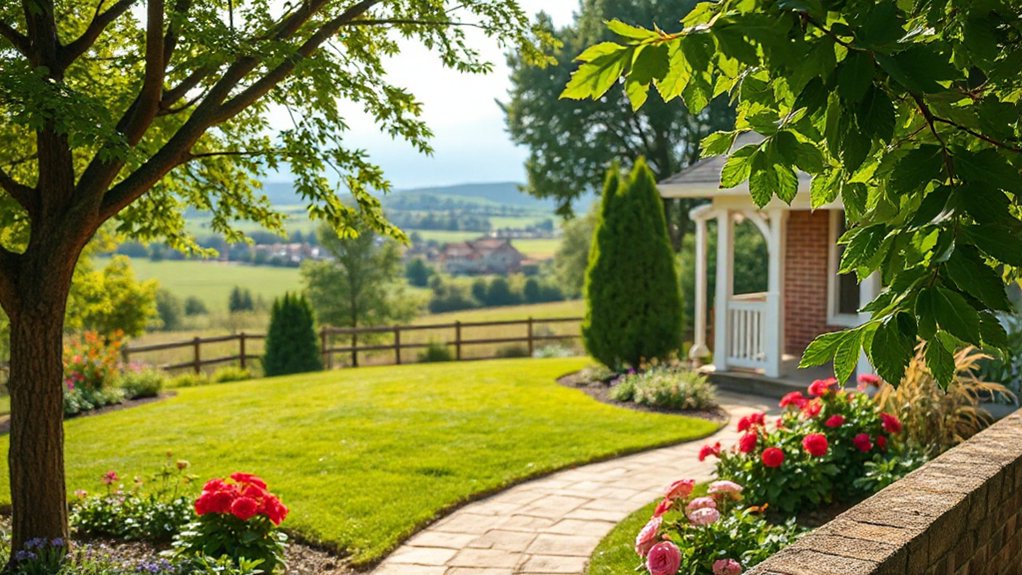
A bungalow with a garden offers a rare combination of accessibility and outdoor space that’s increasingly valuable in today’s housing market. You’ll benefit from main-floor living, reduced stairs, and flexible layouts that support aging-in-place and evolving family needs.
Data show higher resale stability for single-story homes with outdoor spaces, driven by demand from buyers seeking low-maintenance options and long-term sustainability.
Interior design choices matter: optimized flux, natural light, and durable materials correlate with quicker sales and higher appraisal values.
Mortgage options improve decision speed when you can align upfront costs with long-term savings, including favorable rates for single-family properties and potential for energy-efficiency credits.
If you value predictability and planning flexibility, a garden bungalow aligns with data-driven, future-focused homeownership goals.
What to Look For: Price Bands, Lot Size, and Single-Story Design
You’ll want to anchor your search by price bands, comparing value across regions and noting potential for appreciation.
Next, weigh lot sizes against your needs and maintenance goals to forecast long-term costs and flexibility.
Finally, assess single-story design factors—accessibility, layout efficiency, and future-proofing—to optimize daily living and resale potential.
Price Band Insights
Price bands matter because they determine what you can realistically obtain within a given budget and how much value you’ll extract from a bungalow with a garden. You’ll see price bands align with regional profiles, influencing both build quality and long‑term maintenance costs.
In data terms, mid‑range markets balance lot size, single‑story layouts, and construction standards to maximize resale potential without overspending upfront. Premium zones deliver luxury amenities and stronger appraisals, but require larger budgets and stricter due diligence.
Historically significant districts can command higher premiums, yet offer durable demand if restoration costs are controlled. Look for price bands that reflect stable demand, transparent permitting, and predictable tax regimes.
Favor regions where cost growth aligns with infrastructure plans, ensuring you preserve capital while pursuing a comfortable, single‑story lifestyle. Historical significance adds enduring value when paired with prudent budgeting.
Lot Size Considerations
To choose the right lot size, align price bands with your long‑term goals, then assess how site area, setbacks, and potential for future expansion affect value in a single‑story design.
You’ll want data on the correlation between lot area and home equity, plus local zoning that constrains expanding footprint.
Consider how garden design choices influence maintenance costs and resale appeal; larger plots don’t automatically raise value if upkeep rises faster than appreciation.
Compute lawn maintenance requirements, irrigation needs, and sun exposure to estimate ongoing expenses.
Prioritize lots that balance usable yard space with house footprint to maximize outdoor living without triggering excessive taxes or permits.
Use this lens to compare regions, focusing on stability of land values and predictable development plans.
Single-Story Design Factors
Single-story homes shine when you match price bands to long‑term goals, assess lot size for future expansion and outdoor living, and evaluate design choices that affect maintenance and resale value.
In this subtopic, you’ll benchmark architectural styles against budget tiers and regional climates to forecast construction costs and value retention. Consider interior layouts that minimize wasteful circulation and maximize daylight; open plans may improve perceived space yet complicate acoustics and HVAC runs.
Prioritize load paths and ceiling heights that influence energy efficiency and future modernization. Size the lot for outdoor rooms, parking, and accessibility, then verify single‑story zoning compatibility to avoid costly revisions.
Data suggests that cohesive design decisions across price, lot, and layout drive stronger resale and ongoing satisfaction.
Coastal Regions for Garden-Friendly Bungalow Living
You’ll see how a coastal climate can extend your gardening window and reduce irrigation needs, thanks to milder temp swings and sea-malt humidity data.
With shoreline-friendly soils and wind patterns, you’ll plan for resilient, low-maintenance beds that still thrive in salty air.
This section outlines waterfront bungalow aesthetics tied to practical choices, from plant selection to garden layout, backed by current coastal data.
Coastal Climate Benefits
Coastal regions offer a climate profile that combines steady temperatures with moderated extremes, creating healthier outdoor living for bungalow gardens. You’ll benefit from predictable seasonal patterns that reduce HVAC load and extend growing windows for drought-resistant ornamentals and edibles alike.
Data show narrower diurnal swings near shorelines, improving soil moisture retention and plant health over inland options. You should expect lower heating demand in winter and cooler summer days, thanks to sea breezes and marine layer cooling.
To maximize resilience, prioritize homes with effective thermal insulation and well-sealed envelopes, which amplify these benefits. Be mindful of coastal erosion, which can influence floor plan orientation and drainage design.
Integrate windbreaks and permeable landscaping to maintain garden productivity while protecting the bungalow’s structure.
Garden-Friendly Shorelines
Do coastal shorelines truly optimize garden performance for bungalow living, or is that just marketing talk? Data shows you gain predictable sun patterns, salt-tolerant species, and wind breaks that reduce microclimate stress. You’ll find higher plant diversity in native dune and beach-edge assemblages, which supports pollinators and stabilizes soils.
However, performance hinges on concrete maintenance plans: drainage design, coastal soil compatibility, and soil amendments that sustain healthy roots amid salt spray. For garden maintenance, cultivate a modular layout that accommodates seasonal shifts—raised beds, wind-sheltered hedges, and compact irrigation zones simplify upkeep.
Look for regions with clear erosion controls, accessible coastal paths, and monitored shoreline data. Informed selection enhances resilience, tax efficiency, and long-term sustainability of bungalow living by the sea.
Waterfront Bungalow Aesthetics
Across regions, durable cladding, moisture-resistant finishes, and low-erosion landscaping reduce upkeep while preserving visual coherence with the shoreline. Gardens should echo coastal textures—sand, driftwood, native grasses—while integrating edible plantings for year-round utility.
Prioritize garden aesthetics that complement architectural massing, creating layered sightlines from interior rooms to the horizon. Data indicates homes with seamless indoor–outdoor connection maintain higher resale value in coastal markets.
Plan for climate resilience, scalable irrigation, and modular outdoor spaces that adapt to changing water levels and storm contingencies, maximizing waterfront views.
Suburban Enclaves Offering Space, Greenery, and Value
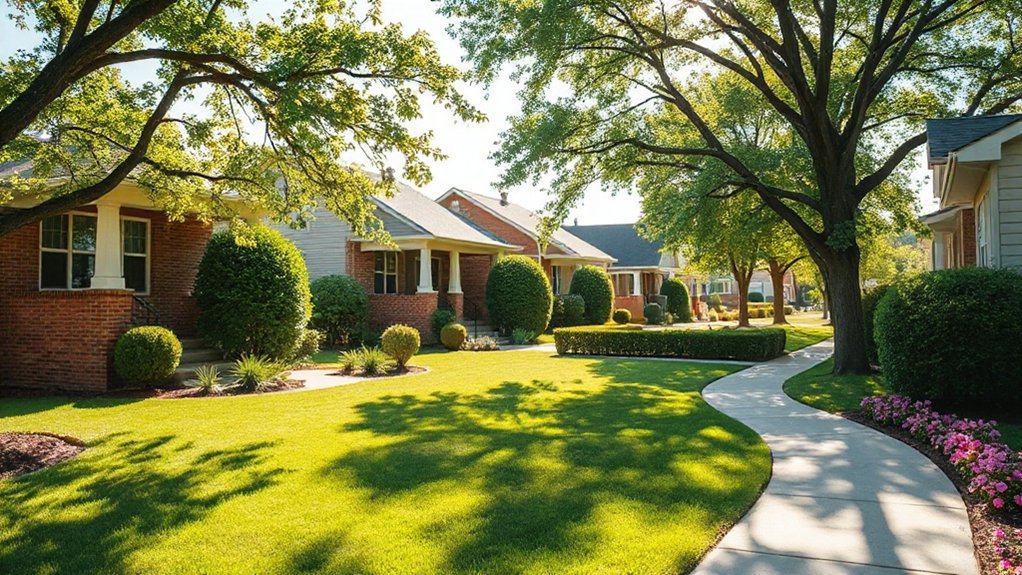
Suburban enclaves offer a compelling mix of space, greenery, and value, with lay-of-the-land advantages that translate into larger lots, mature trees, and lower price-per-square-foot versus urban cores. You’ll find contiguous greenscapes and defensible borders that buffer noise while preserving privacy.
Data show steady appreciation driven by demand for single-family zoning and lower carrying costs relative to city centers. Urban infill points contribute to supply resilience, yet benefit from a distinct price premium when paired with high-quality yards.
Look for neighborhoods adjacent to transit corridors to maximize walkable access without urban density. Proximity to commercial nodes supports everyday convenience.
High rise proximity remains a strategic signal for future redevelopment potential, while preserving bungalow-scale living and garden-focused layouts.
Inland Retreats: Small-Town Charm and Garden Lots
You’ll notice inland town garden lots deliver quiet streets, but with room to grow—big yards that support diverse plantings and outdoor living.
Local charms and growth patterns show steady demand, signaling opportunities for smart buyers who value community identity and long‑term value.
This mix of small‑town character and scalable outdoor space points to targeted markets where garden-centric bungalow living can thrive.
Inland Town Garden Lots
Data indicates steady appreciation aligned with regional urban developments and targeted infrastructure upgrades. Proximity to transit nodes, schools, and local markets boosts weekly convenience without driving elsewhere.
Modern renovations on older stock release higher value with limited capital, making these lots a practical investment path. You’ll appreciate daylight utilization from street-facing orientation and adaptive design options that support garden-oriented living year-round.
Forecasts project stable demand as planners emphasize density in walkable cores, preserving rural charm while boosting service access.
Quiet Streets, Big Yards
Quiet streets and expansive yards define Inland Retreats, where small-town charm meets garden-oriented living. You’ll notice lower urban density compared with metro regions, allowing easier integration of mature trees, stormwater plans, and seven-day access to green space within walking distance.
Data maps show consistent yard sizes around 0.25 to 0.5 acres on average, supporting vegetable beds and perennial borders without complicating maintenance cycles. Property taxes tend to be modest relative to city centers, contributing to predictable annual costs and clearer budgeting for servings of insulation, porch upgrades, and irrigation systems.
You should plan for utility corridors and local road frontage that influence curb appeal and resale value. Looking ahead, growth controls, school enrollment stability, and zoning norms will shape long-term neighborhood cohesion.
Local Charms And Growth
Local charms in Inland Retreats stem from tight-knit neighborhoods, walkable streets, and garden-ready plots that align with steady growth. You’ll notice that urban convenience stays accessible without sacrificing quiet pace, thanks to compact town centers and frequent transit links.
Historic neighborhoods contribute character, with mature trees and preserved facades that add measurable value to property trends. Growth indicators show rising occupancy, stable appreciation, and continued infill development that preserves green space per household.
You can forecast supply as modest but reliable, with new garden lots entering small-batch offerings alongside established lots. Social cohesion remains a driver, supporting safety and engagement.
For buyers, the combination of walkability, garden potential, and predictable returns makes Inland Retreats a resilient, long-term choice.
Markets With Climate-Friendly Growth
You can expect tighter building codes and higher retrofit rates to elevate per-square-meter costs, yet these measures translate into durable resale value and lower operating expenses over time.
Data signals show accelerated capital inflows into green-certified projects, with investment timelines compressed near policy milestones.
Urban density correlates with shorter commute times, higher transit access, and stronger neighborhood vitality, enhancing long-term price stability.
In those markets, the investment potential rises as developers prioritize low-emission materials and adaptive reuse, while lenders favor projects with measurable performance metrics.
Monitor regulatory horizons and track efficiency-performance data to refine purchase timing and risk assessment.
Local Amenities That Elevate Bungalow Living
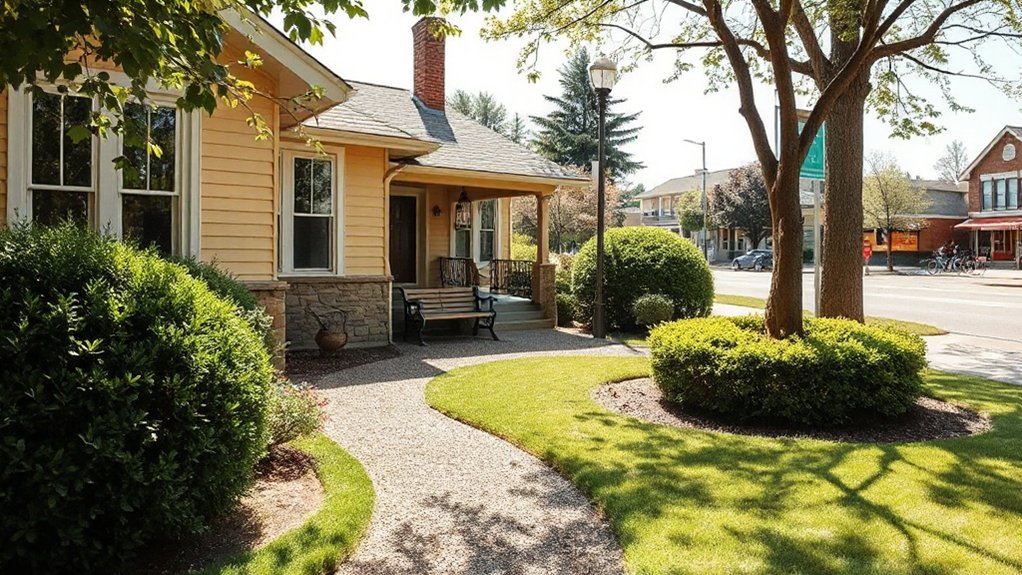
Across markets with climate-friendly growth, tracking practical amenities becomes as important as price per square meter when evaluating bungalow buys with gardens. Local amenities shape long-term value: access to parks, walkability scores, and nearby services influence daily quality of life and resale demand.
You’ll benefit from proximity to reputable nurseries, community gardening spaces, and well-maintained footpaths that encourage outdoor living year-round. Data shows higher engagement where public transit links coexist with safe, stroller-friendly streets and clear street lighting.
For sustainability, evaluate landscaping options that reduce maintenance while boosting curb appeal, such as drought-tolerant plantings and permeable surfaces. Pair these with gardening techniques lessons offered nearby to extend yard usability, protect soil health, and optimize water use without compromising aesthetics or property value.
Case Studies: Representative Regions and Price Ranges
Here are representative regions and price ranges that illustrate how bungalow-with-garden markets vary by climate, demand, and development pace.
In Coastal California, you’ll find mid-century and modernized interiors priced from $600k to $1.2M, with steady demand and ongoing renovation ideas fueling value.
Rural Ontario offers affordable options, typically $350k–$650k, where larger plots and thoughtful interior design upgrades deliver strong ROI despite slower price growth.
In the U.K. Midlands, expect £350k–£700k, driven by renovations and period-detail restoration, with consistent buyer interest from downsizers and families.
In Brisbane’s outer suburbs, prices range AU$550k–AU$950k, supported by new-build activity and climate-conscious interior design trends.
Across markets, updated interiors, energy efficiency, and practical layouts consistently lift resale potential and attract long-term owners.
How to Compare Regions Using a Simple Scoring Framework
To compare regions effectively, build a simple scoring framework that weighs factors investors care about: price trajectory, growth pace, climate risks, supply constraints, and renovation upside.
You score each region on a 0–100 scale for every factor, then weight totals to form a composite ranking.
Focus on price trajectory and growth pace to gauge upside, but don’t ignore climate risks that could erode value or inflate costs.
Consider supply constraints to gauge scarcity of bungalow design opportunities and potential entry points.
Renovation upside helps quantify added value from improvements like garden maintenance and layout tweaks.
Normalize data from multiple sources, update annually, and track trend shifts.
Use this framework to prioritize regions with durable demand, stable prices, and efficient permitting environments that support strategic bungalow investments.
Practical Buying Tips for Bungalows: Inspections and Permits
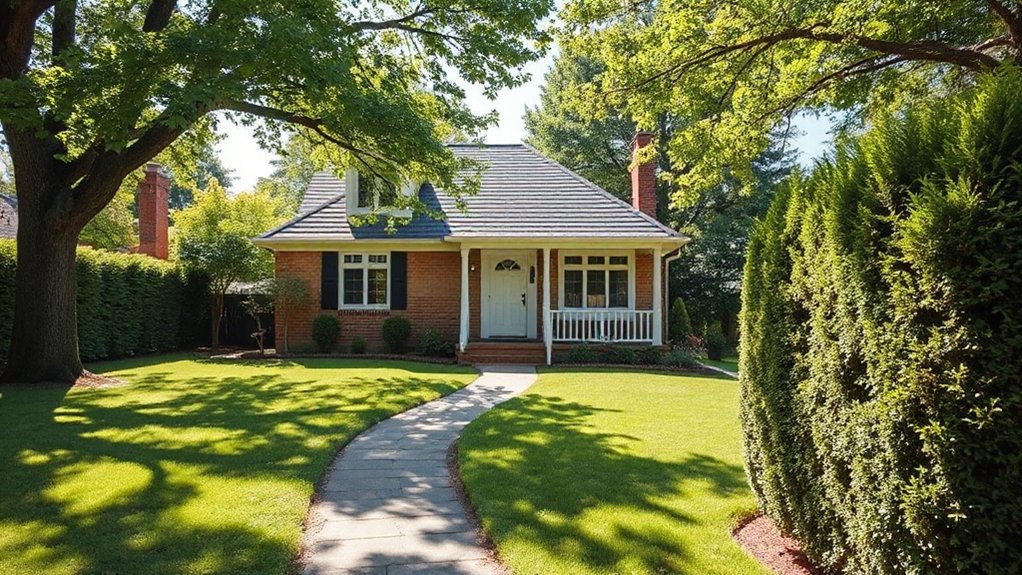
Before you commit to a bungalow, you should prioritize inspections and permits as the foundation of a sound investment. Start with a structural and electrical review to quantify risk using objective metrics. Then verify permits for past renovations to avoid hidden liabilities.
Create a compliance checklist noting local code requirements, drainage plans, and setback regulations that affect garden maintenance and expansion possibilities.
Budget for professional inspections, including a pest assessment and a HVAC efficiency scan, to forecast ongoing costs over a 10-year horizon.
Document disclosure items and permit timelines to streamline negotiations, and align findings with your bungalow architecture goals to prevent costly redesigns.
Use data-driven comparisons to evaluate neighborhoods, ensuring the investment supports long-term value and garden-friendly layout.
Next Steps to Move From Scouting to Signing a Bungalow Deal
After validating inspections and permits, you’re ready to move from scouting to signing a bungalow deal. You’ll align timelines with market data, confirming price bands, closing windows, and financing rates within a tight range.
Next, verify title clarity and encumbrances, then lock in contingencies that protect against latent defects revealed during due diligence.
Create a formal offer that reflects current comps, projected appreciation, and neighborhood absorption rates, while specifying timelines for contingencies and concessions.
Consider urban redevelopment plans and how zoning changes could affect value, ensuring your offer accounts for future infrastructure and school data.
Once negotiations align, schedule a final walk-through focused on renovation priorities for a bungalow renovation plan.
Finally, prepare a post-signing checklist: permits, contractors, and a phased renovation schedule.
Frequently Asked Questions
What Is the Typical ROI for Garden Bungalows by Region?
Your typical ROI for garden bungalows varies by region, averaging around 6–8% cash-on-cash, with higher figures near active landscaping trends and favorable property taxes. You should model regional data, factoring landscaping trends and property taxes to forecast ROI.
Which Regions Offer the Best Climate for Year-Round Gardening?
You’ll find the Southeast, Pacific Northwest, and California’s coast offer the best climate for year-round gardening. Climate variability is lower there, and you’ll mitigate gardening challenges with controlled watering and season extension, backed by precise regional data.
Are There Regional Grants or Incentives for Bungalow Owners?
You’ll find local government grants and regional housing incentives available; research current programs, eligibility, and timelines now. You, as a buyer, leverage funded roofs and gardens, using data-driven insights to secure smart, forward-looking financial support.
How Do Zoning Laws Affect Garden Space in Different Regions?
Zoning laws vary, but you’ll often see zoning restrictions shaping how you use and expand garden space; plan for setbacks, impervious limits, and access. This data-driven view highlights garden flexibility differences, guiding decisions for future bungalow projects.
What Resale Factors Influence Value Across Regions?
You’ll see resale value climbs about 6% annually on average, and regional differences matter. Property tax levels and Neighborhood safety ratings drive demand; you’ll pay more where taxes are stable and safety is high, signaling sustainable value growth.
Conclusion
You’ve seen how bungalows with gardens blend livability with long-term value across coastal, suburban, and inland regions. By using price bands, lot sizes, and single-story design, you can compare markets quickly and pick a promising lane. Example: a California coastal bungalow with a 0.2-acre garden held its value amid rising demand for outdoor space. Use our scoring framework, run inspections early, and move confidently from scouting to signing a solid, garden-rich deal.