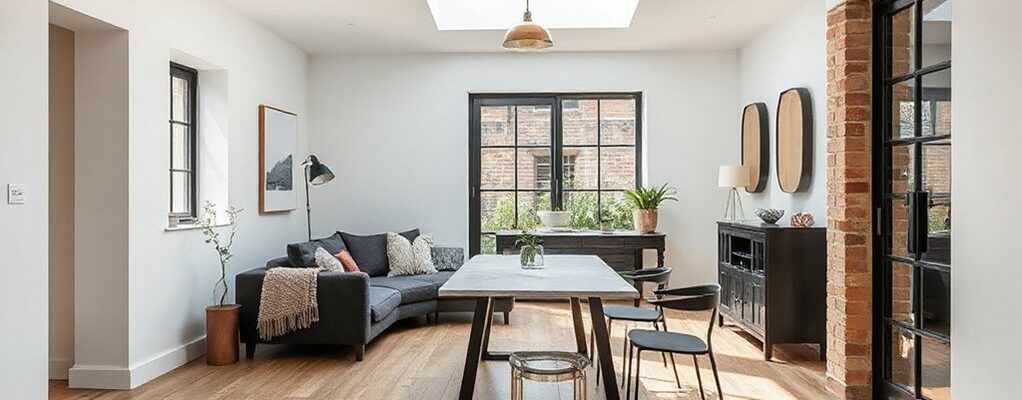
Modern UK townhouses reward you with space if you think vertically and choose adaptable, smart storage. You’ll want light, durable finishes, and clear zoning across levels so noise stays where it won’t disrupt work or rest. Start with compact, built‑in furniture and reflective surfaces to push brightness, then layer textures and warm timbers for depth. The trick is a cohesive flow between indoors and out, with accents that evolve as your needs change. There’s more to optimize beyond the basics.
What Modern UK Townhouse Design Really Means
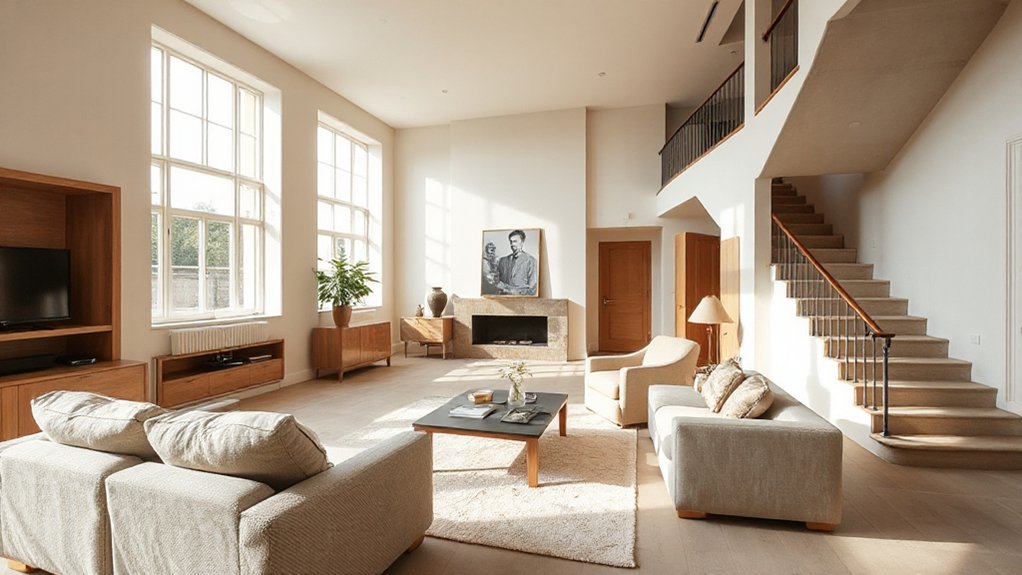
Modern UK townhouse design isn’t about flash; it’s about practical, flexible space that fits everyday life. You’ll see it in compact, efficient layouts that prioritize flow over show. You move through rooms with purpose, choosing furniture that serves multiple tasks and walls that whisper rather than shout.
Historical influences surface in details you can touch—timber beams, brick textures, period silhouettes—without overwhelming the space. Urban aesthetics show up in built forms that respect surrounding architecture, with clean lines, muted palettes, and smart storage that hides clutter.
You adapt your rooms to shifting needs: work zones that vanish, dining nooks that reconfigure, and circulation that remains intuitive. The result feels timeless, resilient, and genuinely livable for city living.
Maximise Light: Window Treatments and Reflective Surfaces
To maximize light in compact UK townhouses, choose window treatments that don’t block daylight: slim-profile blinds, simple shades, or sheer curtains that diffuse rather than shade. You’ll brighten rooms without sacrificing privacy or style.
Seek window treatments that sit close to glass and roll or fold out of the way, maximizing the visible pane. Pair these with reflective surfaces to bounce light further—polished metals, glass, and high-gloss finishes.
Keep palettes light and neutral to amplify brightness, with occasional warm accents for depth. Position mirrors opposite windows to double the daylight effect.
Clean lines and minimal hardware reduce visual clutter, making spaces feel larger. Remember: function first, aesthetics second, and light will lead the design.
Layout Hacks for Narrow UK Townhouses
If space is scarce, start by zone-defining tasks to avoid wasted movement: use a slim-profile sofa, a narrow console, and a wall-mounted media unit to keep traffic flowing.
In narrow UK townhouses, you’ll gain room by vertical thinking—tall storage, wall-mounted desks, and floating shelves remove floor clutter.
Craft distinct zones with rugs and lighting that don’t crowd the eye, so you feel organized instead of squeezed.
Build a compact home office without sacrificing living space: fold-away desks, dual-purpose furniture, and a corner nook tucked beside a window.
Use a small garden or outdoor shaft as an anchor for flow, extending your living area visually.
Choose furniture with clean lines, durable finishes, and accessible depths to keep everyday movement smooth.
Planning for Multi-Level Cohesion: Circulation and Zones
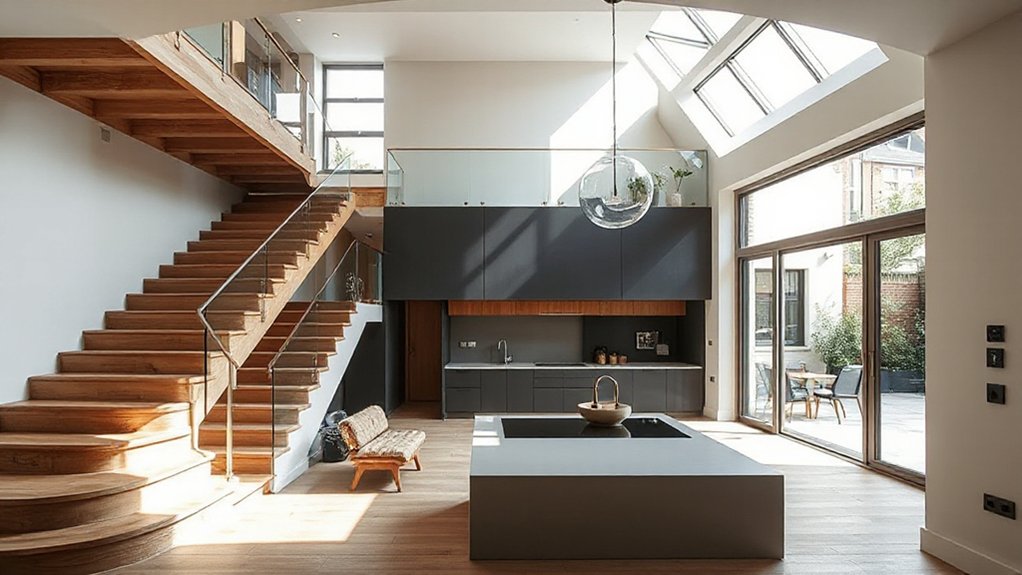
You’re balancing flow and function across levels, so map circulation early and define zones that work from top to bottom. In multi-level townhouses, create clear paths between living, dining, and work areas with logical sightlines and minimal interruptions.
Emphasize open plan layouts where you can, but preserve distinct zones using level changes, area rugs, and furniture placement rather than walls. Think vertical connections—stair widths, landings, and handrails—so movement feels effortless rather than forced.
Use multi-level zoning to separate noisy, high-traffic spaces from quiet retreats, and align routines across floors to reduce backtracking. Short, direct routes save time and energy; avoid long corridors.
Prioritize consistent finishes, lighting, and hardware to unify levels while keeping each zone purpose-driven.
Layering Warm Timber Tones Across Levels
Warm woods—oak, maple, walnut—work best when finished in low-sheen, resisting glare and fingerprints. Introduce cozy textures through textiles and small furnishings in complementary hues to reinforce depth rather than overwhelm.
Balance is key: let the timber do the heavy lifting on flooring or railings, then weave it into cabinetry bands or stair treads for quiet resonance. Practical, scalable playlists? Coordinate tones early to avoid clash, and let lighting accent the warmth.
Textures That Speak: Brick, Stone, and Soft Furnishings
Brick textures ground your rooms in authenticity, while stone adds cool contrast. Soft furnishings soften the look.
You’ll balance rugged surfaces with plush layers to keep spaces welcoming yet modern. Start by pairing brick or stone accents with tactile fabrics to create a cohesive, tactile rhythm.
Brick Textureality Now
Curious how brick texture can transform a townhouse? You’ll feel the impact in a single glance: brick textureality anchors your modern facade with honest warmth.
Keep rhythm simple: large panels, tight mortar, and a restrained palette read as contemporary rather than rustic. You can pair exposed brick with glass, steel, and matte finishes to emphasize line and light.
For interiors, let brick serve as a tactile backdrop—paint minimally or seal for polish—so textures pop without competing.
Consider maintenance priorities: weathered brick invites patina, while sealed brick minimizes staining in busy UK towns.
Use brick as your unifier across rooms, from entry to living zones, ensuring a cohesive, durable aesthetic that stays fresh as trends shift.
Practical, quiet, enduring.
Stone And Plush Textures
Stone textures pair naturally with plush furnishings to create tactile contrast and visual balance. You’ll unite rugged stone with soft surfaces for warmth and depth, avoiding heaviness by keeping lines clean and scale intentional.
Begin with textured wallpaper as an accent behind a stone feature wall to add subtle pattern without competing with natural quarry tones. Pair this with plush cushions in matte neutrals or muted jewel tones to soften edges and invite lingering.
Choose a low-profile sofa in a durable fabric, then layer throws and velvet or chenille textures for richness under light. Keep lighting practical: wall washers or floor lamps highlight texture without glare.
In small townhouses, repeat stone at a corner or fireplace to anchor the room with restrained elegance.
Color Systems for Cohesive Multi‑Level Homes
You’ll create a cohesive look across levels with coordinated palette systems that tie spaces together without shouting. Start with a base color per level and link accents through recurring hues so stairs and landings feel intentional, not accidental.
Use level-by-level color strategies to balance warmth, light, and flow, adapting as you move from public to private zones.
Coordinated Palette Systems
Begin with a dominant base—soft whites, warm beiges, or cool greys—that anchors architectural elements and large surfaces. Introduce one or two accent colors sparingly on textiles, fixtures, and cabinetry to guide sightlines without shouting.
Materials matter: match undertones across wood, tile, and metal to avoid clashing reflections. Test lighting at key moments to see how hues shift from day to night.
Keep progressions seamless with consistent saturation and brightness, avoiding bold leaps between levels. You’ll gain coherence, simplicity, and a calm, modern townhome rhythm.
Level-By-Level Color Strategies
Use color coordination to tie together adjacent spaces without washing out personality. Keep a restrained palette: one dominant hue per level, plus two supporting accents that repeat on adjacent floors for continuity.
Plan furniture placement to reinforce the scheme—place larger pieces in the dominant color and introduce contrast through textiles and artwork. Use doors, trim, and built-ins as neutral anchors to prevent color chaos.
Document your choices so replacements stay aligned with the system over time.
Storage Solutions That Don’t Compromise Style
When space is tight in a UK townhouse, smart storage should feel invisible. You’ll tuck away daily stuff with purpose, not clutter. Choose furniture that doubles as storage: ottomans, bed bases, and coffee tables with drawers keep essentials tucked out of sight.
Use vertical space—slim cupboards, tall wardrobes, and wall-mounted shelves—to preserve floor area. Opt for hidden compartments in desks or sofas to hide cords and receipts without sacrificing form.
Decorative baskets placed on open shelving add texture while corral-ing loose items, from magazines to remote controls. Keep a consistent palette to reduce visual noise; let the storage itself do the heavy lifting.
Prioritize quality, soften metal edges with wood accents, and maintain a streamlined, functional flow.
Alcoves, Nooks, and Built-In Bench Seating Ideas
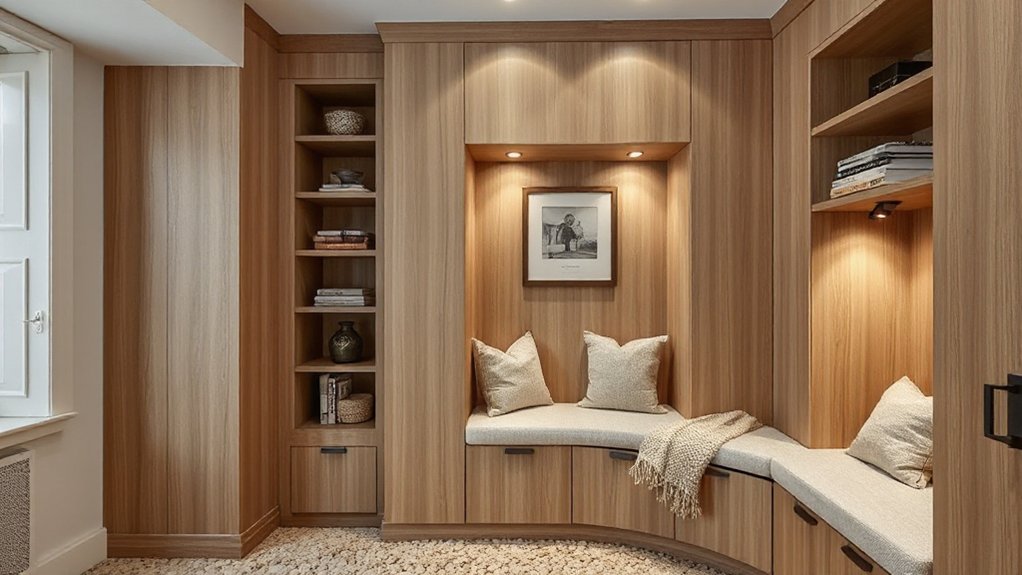
If you’re tightening up storage in a UK townhouse, alcoves and nooks offer prime real estate for built-in solutions. You don’t need bulky furniture to gain function; you turn tight corners into quiet, useful spaces.
Build shallow benches with hidden storage beneath, or create seating that doubles as a wardrobe extension in slim hallways. Use recessed shelving to keep surfaces clear, and install compact cubbies for keys, mail, and daily essentials.
Painted in a cohesive neutral, cozy alcoves feel integrated rather than added-on. Select multi-purpose units—pull-out baskets, flip-top lids, and slim drawers—to maximize every inch.
Prioritize durable bars, soft close hinges, and wipe-clean finishes for practicality in busy homes. Built-in storage stays tidy, stylish, and surprisingly flexible.
Floating Shelves and Minimalist Display Techniques
Floating shelves are the cleanest way to add display space without crowding walls or corners. You’ll keep a calm, coherent look by choosing a single finish and uniform spacing. Aim for a concise mix of decorative accessories and built-in texture—think ceramic pieces, small plants, and travel mementos, not clutter.
When arranging, apply display organization: group items by height, color, or theme, and leave negative space to prevent visual noise. Mount shelves at eye level in functional zones—hallways, living areas, or bedrooms—to reduce reach-and-stumble risk.
Use invisible supports or slim brackets to preserve a floating feel. Rotate pieces seasonally to refresh the vibe without buying more. Keep cords hidden, and let the hardware disappear to maintain minimalist integrity.
Kitchen Islands and Breakfast Bars for Compact Plans
A compact kitchen benefits from a well-planned island or breakfast bar that serves as work surface, storage, and casual dining all in one.
In tight UK townhouses, choose a compact island with built-in storage. Pick from slim cabinetry, pull-out pantries, and open shelves that keep essentials handy without crowding.
Opt for a lightweight, cantilevered profile to preserve floor space and improve circulation.
Integrate a small seating counter if space allows, or leave the island running parallel to work zones for efficient workflow.
For stools, select compact seating that tucks away under the counter.
Prioritize compact storage and space optimization in appliance choices; think compact dishwasher, slim fridge, and stackable units to maximize usable area without sacrificing function.
Dark Accents and Bold Hues in Small Spaces
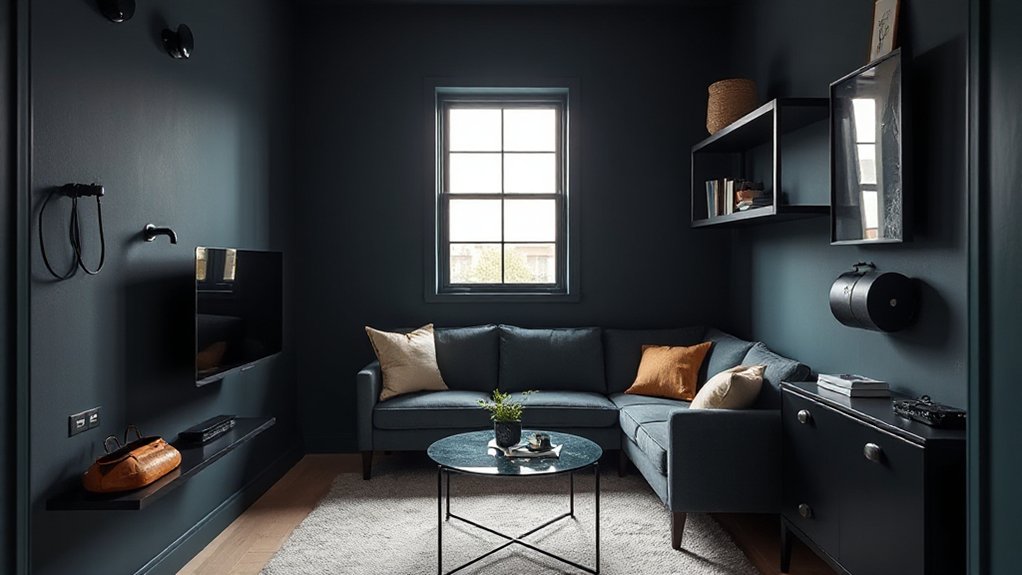
Dark accents and bold hues can transform small UK townhouses without shrinking light or flow. You choose a restrained palette, then push contrast where it counts. A single accent wall, in a deep charcoal or navy, anchors furniture and makes ceilings feel higher, while remaining flexible for future tweaks.
Color psychology suggests you pair intense tones with lighter surroundings to avoid overwhelm; use soft whites, warm neutrals, or pale woods to balance mood. In tight rooms, keep other surfaces impartial to enhance depth and reflectivity.
Introduce bold hues through textiles, cushions, and artwork rather than full-room saturation. Choose materials with natural texture to prevent flatness. When applied thoughtfully, dark accents sharpen lines, emphasize architecture, and sustain visual interest without sacrificing practicality.
Lighting Design to Elevate Victorian Features
Layered vintage lighting can highlight Victorian arches and mouldings without overpowering the room.
Use warm, adjustable fixtures to trace profiles and create depth as you move through the space.
Keep the setup practical and precise, so the architectural details speak for themselves.
Layered Vintage Lighting
You’ll create depth with a mix of ceiling, wall, and table lamps, ensuring each layer adds function without clutter. Choose vintage fixtures for ambience, then balance with modern dimmers to control intensity in real time.
Use layered illumination to sculpt shadows and emphasize architectural details, keeping sightlines clear and the room feeling breathable. Place a main overhead light as a neutral anchor, add task lamps near seating, and tuck accent lamps near art or textiles for subtle glow.
This approach stays practical, minimal, and savvy, delivering warmth and character while preserving the townhouse’s clean, contemporary feel. Vintage fixtures complement modern lines without competing with Victorian charm.
Highlighting Archways & Mouldings
Archways and mouldings deserve a spotlight, not loud drama. You’ll elevate Victorian features by thinking light first: place discreet, directional fixtures to follow the architecture’s lines. Use wall washers or recessed strip lighting to skim arch profiles, enhancing Archway elegance without glare.
Pair with a warm, 2700–3000K palette to keep details legible yet soft. For moulding details, choose slim cove lighting or picture-light accents that accentuate depths without shouting. Keep shadows intentional—contrast highlights against flat planes to carve space.
Trim fittings should be minimal and unobtrusive; opt for matte metals or blackened brass for a refined edge. Avoid overfilling corners; let each arch and cornice breathe. The result is cohesive, polished character that respects the home’s history while staying modern.
Outdoor‑Indoor Flow: Courtyard and Balcony Strategies
Outdoor-indoor flow hinges on smart thresholds and scalable outdoor spaces. You design courtyards and balconies with zones that invite use without clutter. Align doors, steps, and pathways to create seamless connections—keep sightlines clear and traffic intuitive.
Prioritize flexible furniture layouts: foldable tables, stackable chairs, and low-profile benches that tuck away when not in use. Use durable finishes and weather-ready fabrics so you can enjoy seasons from spring to autumn.
Planting should soften edges and provide year-round interest without overpowering the space. Consider privacy both visually and audibly; layered screens, trellises, and high-planter walls help you maintain garden privacy.
Add lighting for evenings, then slip outdoor furniture into a hidden rotation for quick, polished moments of outdoor living.
Materials for UK Climates: What to Choose and Why
In UK-facing spaces, you’ll pick materials that stand up to rain, frost, and damp without stealing your style. Think durable, climate-smart basics—weatherproof woods, ceramic or porcelain surfaces, and solid metals that resist corrosion and wear.
We’ll weigh durability, maintenance, and cost so your townhouse stays comfortable and cohesive year-round.
Climate-Resilient Materials
Choosing climate-resilient materials means selecting options that handle UK weather—rain, humidity, and temperature swings—without frequent upkeep. You’ll prioritize durability, ease of maintenance, and long life, so your townhouse stays comfortable with minimal fuss.
Focus on materials that resist damp, mold, and condensation, while also contributing to energy efficiency. For walls, consider breathable yet protective external claddings and high-performance membranes that guard against rain ingress and air leaks.
For insulation, opt for eco-friendly insulation that aligns with sustainable construction goals, reducing heat loss without adding excessive thickness.
Floors and ceilings should use moisture-tolerant substrates and resilient finishes. Choose finishes with low VOCs and proven life spans.
This approach blends practicality with savvy design, keeping systems simple and effective.
UK Weather Durability
Weather takes the lead in UK design, so pick materials that stay strong from rain, damp, and frost. In this climate, durability matters as much as aesthetics, so you’ll want options that perform year after year.
Start with weatherproof finishes on exterior surfaces—think coatings that resist damp penetration and UV fade while keeping colour consistent. For walls, choose breathable, moisture-tolerant substrates paired with robust sealants to prevent creeping damp.
Inside, prioritize insulation solutions that minimize heat loss without compromising airflow. Look for materials that are low-profile but high-resist: steel, engineered timber, and brickwork with proven durability.
Prioritize joints and details designed for thermal cycling to prevent cracking. Finally, plan for maintenance easy enough to do in a weekend, not a season.
Personalization Without Clutter: Case Studies and Budget Upgrades
If you want personalization without clutter, start with a clear framework: pick a few high-impact items, then layer in texture and color in small, repeatable ways. You’ll see real results in case studies where tight budgets are stretched with smart upgrades.
Focus on essential pieces—sofa, storage, lighting—and upgrade finishes rather than volume. Personalization trends lean toward modular accessories, locally sourced objects, and curated art that tells your story without crowding surfaces.
For clutter management, use hidden storage, wall-mounted solutions, and multi-function furniture. Budget tips: repurpose existing pieces, swap hardware, and apply removable wallpaper for quick personality shifts.
Track changes with a simple mood board and a photo log. Actively compare value, not volume, to keep spaces tidy and reflective of you.
Frequently Asked Questions
How to Balance Period Charm With Modern Energy Efficiency?
You balance period charm with energy efficiency by prioritizing energy conservation and smart updates around period features. Insulate, seal gaps, upgrade glazing, install efficient heating, then spotlight period features with modern, low-energy lighting and discreet controls.
What Are Cost-Effective UK Townhome Upgrade Ideas?
You’ll upgrade on a budget by swapping in vintage fixtures and choosing statement lighting, maximizing impact with minimal spend, prioritizing DIY-friendly projects and affordable finishes, and staging rooms to feel brighter, cozier, and more contemporary without overhauling plumbing or wiring.
How to Improve Acoustic Privacy in Shared Walls?
Did you know 60% of urban dwellers report noise issues? You can improve acoustic privacy with soundproofing techniques and wall insulation methods, using resilient channels, decoupled assemblies, and dense mineral wool to reduce impact and airborne sounds effectively.
Which Storage Strategies Maximize Small Footprint Without Clutter?
Maximize your tiny footprint with multi functional furniture and vertical storage solutions. You pull double duty by tucking shelves into alcoves, mounting wall units, and choosing foldaway surfaces, so clutter stays down while you keep essentials handy.
How to Achieve Cohesive Design Across Ever-Changing Tenants?
You create cohesive design by embracing tenant personalization and design flexibility, updating cues with modular, neutral foundations. You set durable palettes, swapable accents, and clear zones, so every renter can adapt without wrecking flow or consistency for future tenants.
Conclusion
You’ve got the plan to make a UK townhouse feel bigger, brighter, and effortlessly cohesive. If one space still feels tight, use built‑in storage and vertical shelving to reclaim floor area without crowding rooms. No need for a full remodel—start with a light palette, reflective surfaces, and flexible furniture. Stay budget‑savvy with smart accessories and swap‑in textures; you’ll see a big payoff in daily calm and practical flow.