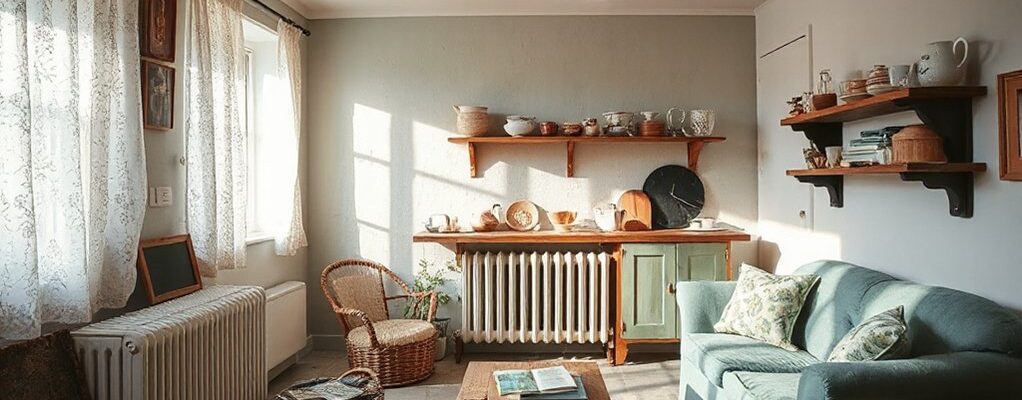
You might think a budget-friendly upgrade isn’t possible, but small, targeted changes can add real value. Start with a practical plan, pick a cohesive palette, and reuse what you already own to stretch every pound. You’ll see how fresh paint, smart storage, and strategic bargains transform spaces without blowing the budget. Curious how far a few inexpensive updates can take you? Let’s map out the simplest path to a more comfortable, characterful home.
Why Ex-Council Homes Need a Budget-Friendly Makeover
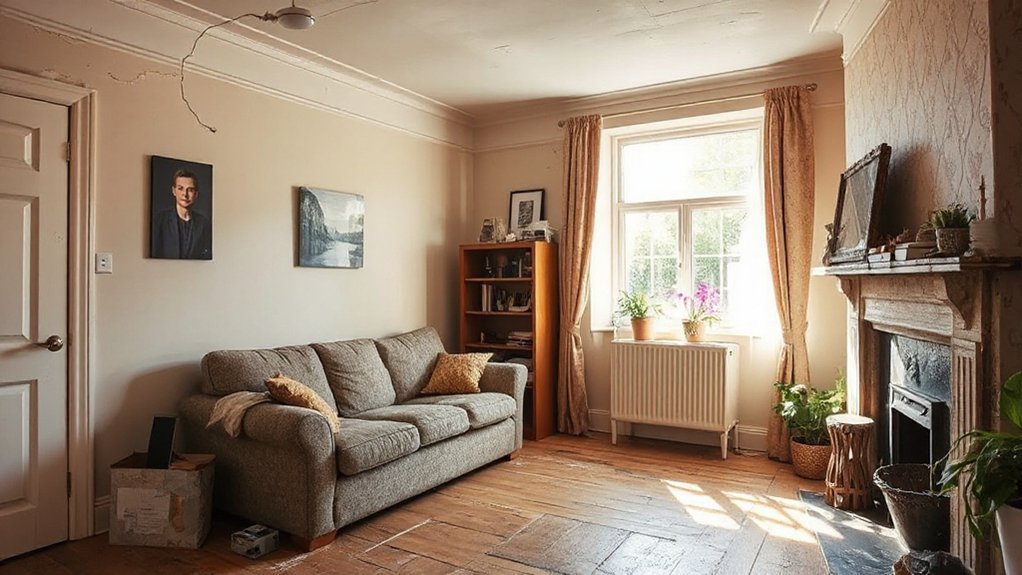
Ex-council homes often need a budget-friendly makeover because years of wear and dated layouts can hinder comfort and efficiency. You’ll notice creaky surfaces, cramped kitchens, and uneven lighting that drain your daily flow.
By reimagining spaces with cost-conscious choices, you protect value and extend livability. A practical makeover respects historical significance while updating infrastructure, preserving character yet improving function.
You’ll gain better energy use, reduced maintenance, and a more flexible floor plan, which strengthens daily routines.
Community impact matters: improved homes uplift curb appeal, encourage neighbor investment, and support local trades.
With strategic, affordable updates, you demonstrate stewardship of shared heritage and create environments where families thrive. Your approach blends respect for legacy with purposeful, measurable improvements.
Set a Practical Budget and Quick-Win Timeline
Set a realistic budget first, so you’re not chasing wishful numbers or surprises later.
Map a quick-win timeline with a few low-effort, high-impact tasks—think paint touch-ups, hardware swaps, and new cushions—to build momentum.
Prioritize essential costs—walls, floors, lighting—so every pound moves you closer to a livable, refreshed space.
Set Realistic Budget
Align your goals with your cash flow by setting a practical budget that covers must-haves, wants, and a quick-win timeline. You’ll set a realistic ceiling by splitting costs into essential repairs, durable finishes, and minor upgrades.
Prioritize items that improve daily function first, then add affordable enhancements that boost mood and value. Use practical budget planning to map each expense to a tangible outcome, avoiding impulsive buys.
Do a candid cost estimation for materials, labor, and delivery, then add a 10–15% contingency for surprises. Track progress weekly, rebalancing as needed to prevent scope creep.
Keep documentation simple: receipts, quotes, and a running total. Stay flexible, refuse gimmicks, and focus on value, durability, and timely completion.
Quick Win Timeline
Now that you’ve pinned a realistic budget, it’s time to map a quick-win timeline that keeps momentum without sacrificing quality. Start with a two-week sprint focused on high-impact changes: paint the main living area, replace bargain lighting, and install affordable, energy-efficient window treatments.
Schedule home automation upgrades in a separate, deliberate phase—think smart plugs and a simple hub—so you can validate benefits before expanding.
Parallelly plan outdoor landscaping tweaks that deliver curb appeal fast, such as fresh mulch, a tidy path, and drought-tolerant plants.
Use a lightweight project tracker to track tasks, owners, and deadlines, then review weekly to reallocate resources if needed.
Prioritize tasks you can complete in days, not weeks, to maintain momentum and demonstrate tangible progress.
Prioritize Essential Costs
Use Budget planning to map every pound toward real impact, not trends, and mark non-negotiables before any cosmetic upgrades.
Next, identify quick-win tasks that deliver visible results without deep renovations, like fresh paint or hardware updates, to maintain momentum.
Apply Cost prioritization by sequencing projects from highest return on comfort and safety to optional enhancements.
Build in a small contingency (5–10%), then revisit monthly to reallocate funds as prices shift.
Track spends, cut waste, and avoid overcommitting beyond your cash flow.
Pick a Fresh Color Palette That Lifts Dated Interiors
Choosing a fresh color palette instantly modernizes dated interiors, so start by picking two or three versatile base hues plus an accent color. You’ll create cohesion across rooms by using base neutrals for walls and larger surfaces, then introduce a coordinated accent to guide the eye.
Think timeless tones—warm whites, soft grays, or muted greige—as your foundation, with a bold-but-balanced pop for focal walls, furniture, or textiles. Apply color psychology: calm blues and greens promote serenity, warmer terracotta or ochre adds energy, and deep charcoal grounds vibrant schemes.
Use paint techniques like an eggshell finish on walls for durability and reflectivity, and consider a semi-gloss for trim to sharpen edges. Test swatches in natural light, and commit to a cohesive palette before buying.
Reimagine Rooms With Affordable Furniture Swaps
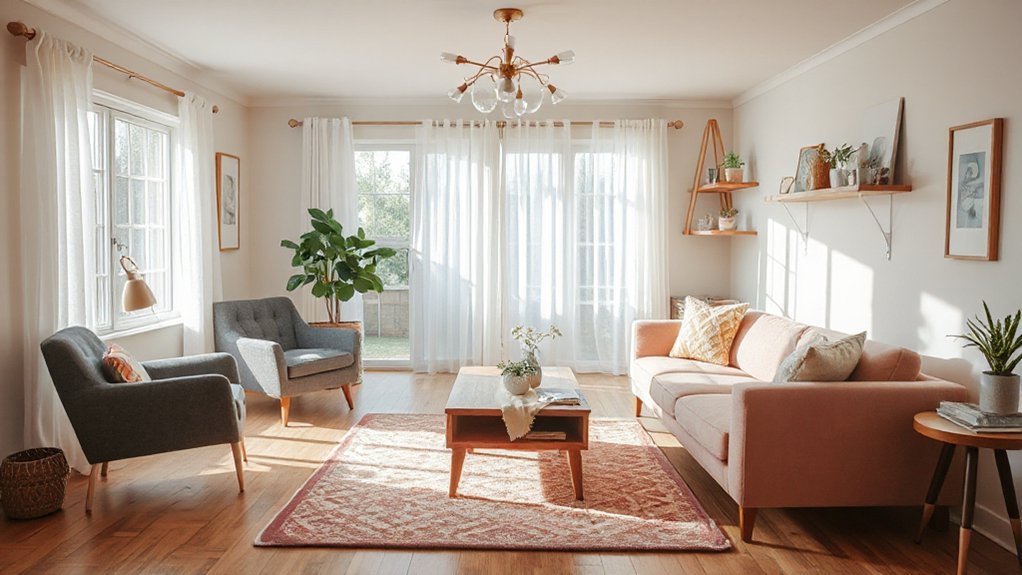
If you’ve nailed a fresh color palette, the next smart move is swapping in affordable furniture that mirrors that look without blowing the budget. Start with core pieces in neutral tones and let budget finds carry the style.
Look for vintage charm in small accents—a retro lamp, a distressed wood coffee table, or a wicker chair—these items layer character without a premium price. Pair them with streamlined silhouettes to achieve Modern minimalism: clean lines, uncluttered surfaces, and space to breathe.
Prioritize multifunctional pieces, like an ottoman with storage or a slim media console. Reupholster cushions in your palette, swap knobs, and choose chic-but-cheap fabrics.
Keep scale balanced, resist overmatching, and curate a cohesive, refreshed room that feels deliberate rather than rescued.
DIY Storage Hacks to Save Space and Money
Smart storage can stretch a small, budget-friendly update into a big improvement, so start by rethinking every inch. You’ll maximize walls, corners, and vertical space with simple moves that don’t break the bank.
Prioritize Creative storage solutions like modular shelves, under-bed drawers, and stackable bins to keep items organized without clutter. Consolidate items by function and use labeled, transparent bins for quick access, which saves time and reduces overbuying.
Implement space optimization tactics such as hallway slim cabinets, pegboards, and over-door organizers to reclaim floor area.
Choose multi-purpose furniture—ottomans with hidden storage or coffee tables with compartments—to cut furniture footprint.
Finally, measure before buying and tailor each solution to your room’s flow, so updates feel intentional and cohesive.
Upgrade Lighting and Hardware for a High-Impact Refresh
Upgrading lighting and hardware is your fastest route to a high-impact refresh without a full reno. Focus on brighter, energy-efficient fixtures and a cohesive hardware makeover to create visual flow and perceived space.
Start with affordable, budget-friendly upgrades that deliver noticeable contrast and easy return on investment.
Brighten Up Lighting
Brightening your space starts with lighting upgrades that make a real impact without breaking the bank. You’ll prioritize bright, even illumination over dramatic gimmicks, choosing fixtures that complement your room’s scale and function.
Start by maximizing natural light: trim obstructions, use light-colored curtains, and position mirrors to reflect daylight.
When it comes to bulbs, select efficient bulb types that suit each zone—LEDs for durability and low heat, dimmable options for living areas, and cooler tones for kitchens and bathrooms.
Rework hardware: switch to clean, simple fittings in brushed nickel or white to reduce visual clutter.
Install ceiling and task lighting in key work zones, then layer with portable lamps for flexibility.
Finally, replace outdated fixtures in one weekend to achieve an instant refresh.
Hardware Makeover Impact
Hardware changes are the quick, high-impact punch you can feel across a space. When you plan a hardware makeover, pick pieces that echo your goals: durability, style, and ease of installation.
Start by inventorying existing hardware in key zones—doors, drawers, and lighting fixtures—and note which items drag the room down. Swap in matte finishes and simple silhouettes that align with your cabinetry and floors; you don’t need a total overhaul to gain cohesion.
Prioritize functional updates, like sturdy hinges, smooth drawer slides, and crisp door handles, then pair them with a lighting upgrade to amplify the effect.
The hardware impact comes from thoughtful pairings, not abundance. Keep budgets tight by focusing on a few high-visibility accents that elevate the entire space.
Budget-Friendly Upgrades
A smart, budget-conscious refresh hinges on targeted lighting and hardware choices you can swap in quickly. To maximize impact, swap dated fixtures for clean, modern silhouettes in a cohesive finish—matte black, brass, or brushed nickel—and match fixtures across rooms.
Focus on replacement hardware: door knobs, cabinet pulls, and switch covers that reflect a unified style without breaking the bank. Install energy-efficient LEDs to lower costs and brighten key areas; dimmers give you instant mood control.
When choosing, consider historical preservation values; select styles that nod to the home’s era, avoiding overly trendy pieces. For luxe perception on a budget, add a statement pendant or a well-placed wall sconce.
Small upgrades, strategic placement, and consistent hardware deliver noticeable luxury upgrades without a major renovation.
Budget-Friendly Flooring and Soft Furnishings
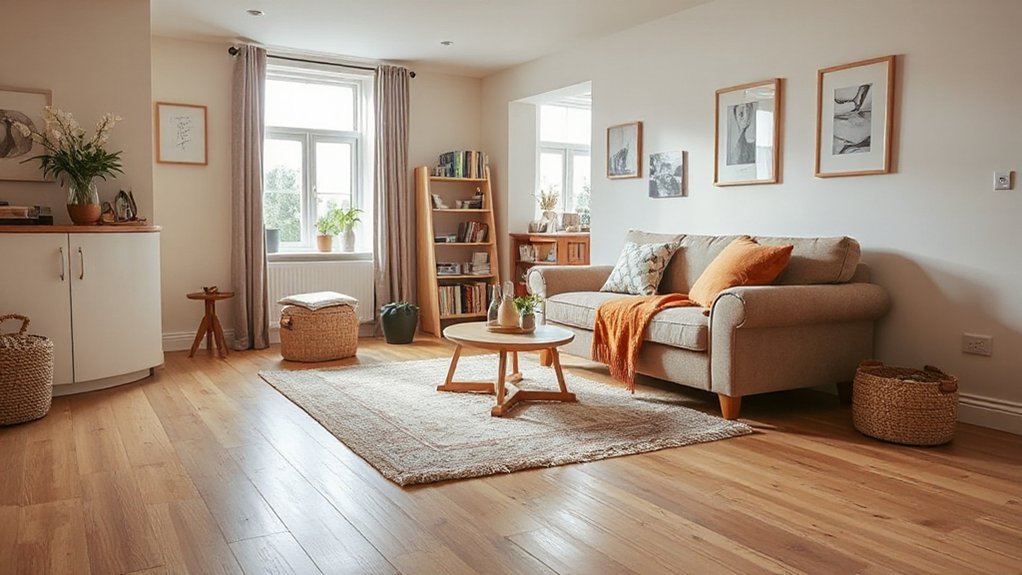
If you’re on a budget, start with affordable flooring options that make a room feel larger and cleaner, such as laminate or vinyl planks that mimic real timber without the upkeep. Choose light, consistent planks across main living areas to create a cohesive flow and reduce visual clutter.
Pair with a neutral base to maximize space perception, then add warmth with affordable runners and area rugs. Soft furnishings should be strategic: select durable fabrics in calm tones, then layer textures for depth.
Prioritize easy-care options like stain-resistant microfiber or polyester blends. Incorporate luxury textures through textiles—linen-look cushions, faux fleece throws, or woven baskets—without overspending.
Finish with statement accents: a bold lamp, a single sculptural piece, or a vivid rug to anchor the room.
Repurpose and Refurbish: Give Old Pieces New Life
Repurposing and refurbishing old pieces is a smart way to refresh a space without blowing your budget. You’ll look for furniture with solid structure that can handle new finishes, then plan upgrades in stages to avoid waste.
Start with a focal item—like a battered chair or coffee table—and reupholster or sand and re-stain to reveal its character. Add finishes that unify rooms, such as matching hardware or cohesive paint tones.
Embrace vintage charm by preserving patina where feasible, and use paint, wax, or fabric to refresh without erasing history.
Let your artistic expression guide accents: bold cushions, graphic textiles, or repurposed crates as shelving. Measure before you cut, test patches, and document colors to maintain a cohesive, curated look.
Quick Cosmetic Upgrades That Feel Premium
To upgrade your space quickly and feel premium, focus on three lever points: finish, texture, and lighting. You’ll gain instant polish by swapping harsh trends for timeless signals: matte finishes on walls, warm metallics on fixtures, and durable paints that hide wear.
Add texture with layered textiles, woven baskets, and tactile rugs to create depth without a remodel. Pick lighting that flatters: warm bulbs, dimmers, and three strategic lamps to avoid flat, ceiling-only illumination.
Emphasize vintage charm with well-chosen vintage pieces or reproductions that read as deliberate accents, not clutter. Architectural details matter—redecorate odds with crown molding-inspired trim, updated switch plates, and trim-free windows to frame views.
These small moves compound, delivering premium perception without major cost.
Smart Sourcing: Where to Shop Without Overspending
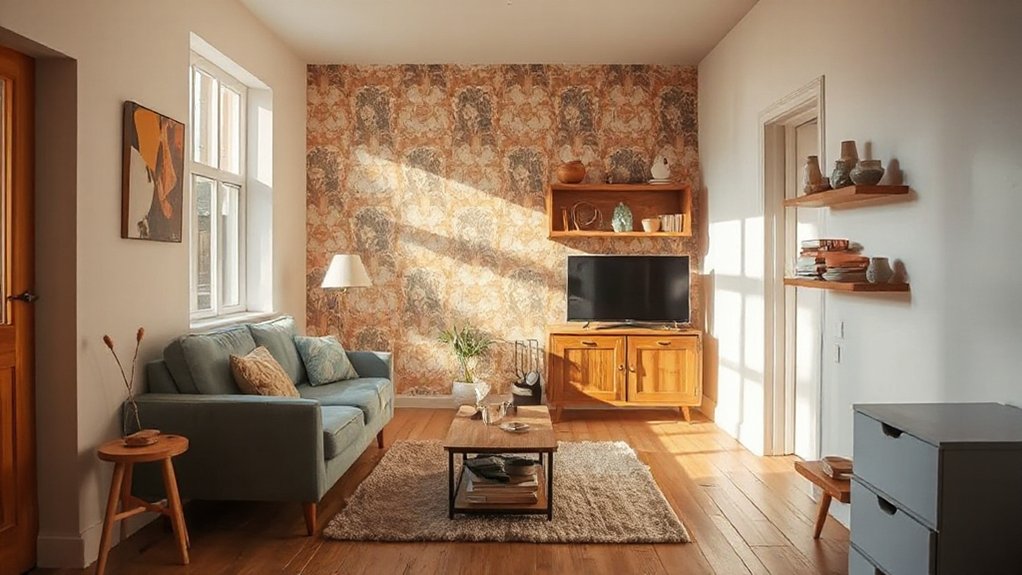
Smart sourcing keeps your budget intact while still delivering premium results. You don’t have to chase everything at full price; smart buyers leverage timing, condition, and value.
Start by identifying luxury trends you actually love, then look for equivalent pieces that fit your space without the designer price tag. Mix new basics with gently used or refurbished items from reputable sources, and prioritize quality over quantity.
Use seasonal sales, outlet events, and online marketplaces with strict condition checks. When shopping, compare warranties, return policies, and shipping costs to avoid hidden fees.
Don’t overlook designer brands in outlet stores or sample-sale sites, which often offer substantial savings. Finally, curate a cohesive look by aligning finishes and silhouettes, not just labels.
Planning, Executing, and Avoiding Common Budget Mistakes
Start with a detailed budget baseline and add a 10% contingency for surprises. When sourcing, compare total costs over time, not just upfront price, and favor durable materials with low maintenance.
Prioritize energy efficiency: draft-proofing, efficient lighting, and sensible insulation pay back fast.
Execute in phases to test ideas before committing fully. Track progress weekly, revisiting estimates as you go to prevent scope creep.
If a plan seems risky, pivot early, preserving budget room for essential upgrades that sustain long-term value.
Frequently Asked Questions
How Long Does a Budget Makeover Typically Take in Ex-Council Homes?
A budget makeover for ex-council homes typically takes a few days to a couple of weeks, depending on scope. You’ll prioritize lighting upgrades and wall treatments, coordinating trades efficiently while you shop, plan, and implement DIY improvements.
Can I Achieve a High-End Look With DIY Only?
Yes, you can. You’ll craft luxury illusions, balance budget accessories, and fake high-end finishes with smart lighting, updated hardware, and cohesive colors—then plan, practice, and pare down to reveal a refined, achievable look you control.
What Hidden Costs Should I Expect Beyond Basics?
Hidden fees and unexpected expenses can pop up; budget for permits, delivery mishaps, utility upgrades, paint/primer miscounts, tool rentals, and disposal fines. Track receipts, set contingencies, and renegotiate quotes to stay strategic and calm throughout the project.
Which Vendors Offer Reliable Savings on Furniture Swaps?
You’ll find reliable savings at swap stores and furniture discounts from community groups. Compare prices, check condition, haggle kindly, and track delivery. You’ll maximize value by targeting mid-century pieces, modular sets, and seasonal clearance events.
How Do I Avoid Compromising Privacy During Upgrades?
To avoid compromising privacy during upgrades, you implement practical, strategic steps: install solid core doors, use draft-stopping curtains, and conceal CCTV; assess neighbor-facing windows. Privacy concerns guide your soundproofing solutions with door seals and acoustic panels.
Conclusion
So you’ve got a plan, a budget, and plenty of DIY energy—now finish strong. A coordinated palette, smart storage, and refurbished accents turn an ex-council shell into a cohesive home without breaking the bank. Stay focused on high-impact tweaks, schedule sales, and repurpose what you already own. Will you double down on small wins today to gain access to bigger room-by-room improvements tomorrow? With steady steps, you’ll transform the space into something stylish, livable, and affordable.